
Quick Take
- Three insurance claims, three luxury cars, one very suspicious detail that unraveled the entire scheme. Explore the suspicious claims →
- Police found a piece of equipment during the search warrant that made the con almost too easy to prove. Discover the bear suit evidence →
- This wasn't the first time someone tried to blame an animal for destroying a million-dollar car, and that earlier case is just as wild. Read the Bugatti lagoon case →
It’s one of the more bizarre stories from the past few years. A group of people in Southern California was caught committing insurance fraud after claiming that a bear had broken into and damaged several luxury vehicles. However, that bear turned out to be nothing more than a criminal in a bear costume. Now, several members of the group behind the failed fraud plot have been sentenced for their crimes.
This story first made headlines back in 2024. That is when four people were arrested for what police and investigators say was an unsuccessful attempt to fake a bear attack to receive a big insurance payout. It took nearly two years for the culprits to be sentenced. Now, they are expected to serve several months in jail and repay tens of thousands of dollars in restitution. Let’s learn more about this absurd story. We will discuss how the scheme began, how police uncovered it, and what punishment the offenders received for their unbearably bad costume designs.
Treachery Afoot

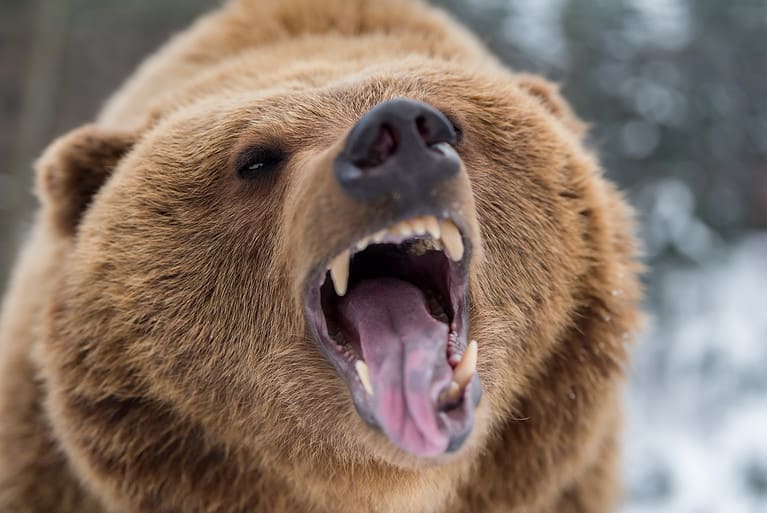
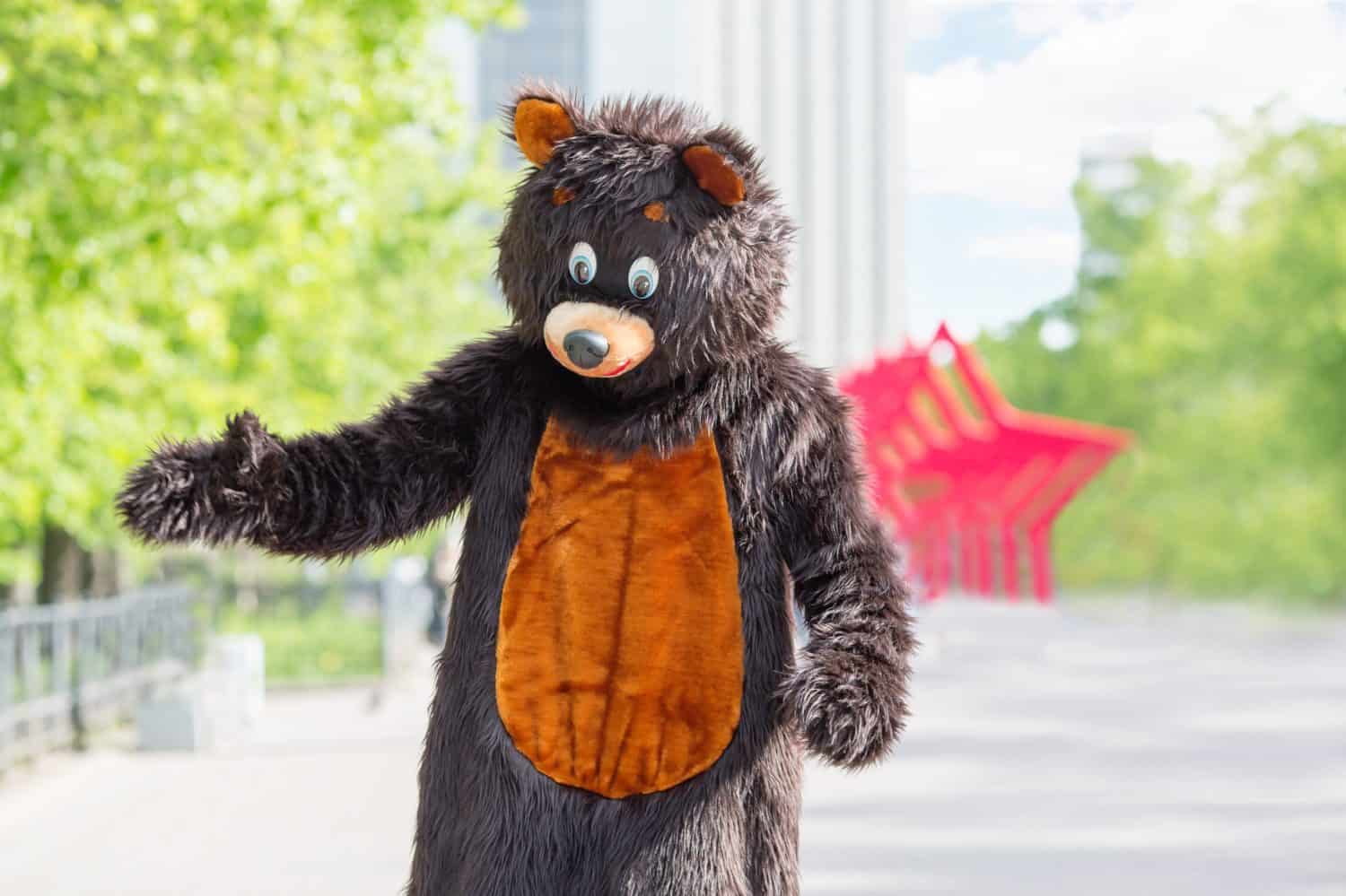
Insurance claims about a bear breaking into and damaging several luxury vehicles alerted investigators.
©abitaev.art/Shutterstock.com
The origins of the scheme remain unclear, but the story of the fake bear and the damaged luxury cars began to gain legal attention in early 2024. An insurance company flagged a claim as suspicious, one that involved a bear rummaging through a 2010 Rolls-Royce Ghost on January 28, 2024.
The claimants submitted video footage to bolster their claim. It showed what appeared to be a bear crawling through the back seat of the Rolls-Royce and pawing at the dashboard. Not long after, investigators found claims submitted to two other insurance companies with suspiciously similar details.
Both claimed that a bear damaged the interiors of two Mercedes-Benz vehicles. Videos were also provided for these incidents, showing the ‘bear’ opening car doors and rummaging through the front and back seats. However, all three claims described incidents that allegedly occurred on the same day and at the same location, raising suspicion.
Sensing a scheme, the California Department of Insurance began an investigation. They called it Operation Bear Claw.
Pointing Claws
After several months of investigation, authorities concluded that bears did not, in fact, damage the luxury vehicles. Investigators even hired a biologist from the California Department of Fish and Wildlife to help them identify the creature. The biologist reviewed the video footage and determined that the animal was quite obviously a human wearing a bear suit.
In November 2024, detectives executed a search warrant on several suspected culprits. During the search, they found a detailed bear costume, complete with ‘meat claws’—shredding tools shaped like bear claws. Around the same time, they also arrested four defendants. It took another year of court proceedings before any headway was made. Now, three of the four defendants have been sentenced for their failed bear attack plot.
Meet the Marauders
Ruben Tamrazian, aged 26, and Alfiya Zuckerman, aged 39, were both sentenced to 180 days in jail and ordered to pay nearly $108,000 each in restitution. Vahe Muradkhanyan, aged 32, was also sentenced to 180 days in jail, with the restitution amount yet to be determined. All three had previously pleaded no contest to charges of felony insurance fraud. The fourth defendant, Ararat Chirkinian, aged 39, is expected to learn more about his case at a preliminary court hearing scheduled for September. Three of the defendants are from Glendale, California, while Zuckerman is from Valley Village, Los Angeles.
In a press release after the sentencing, the state’s insurance commissioner, Ricardo Lara, stated, “What may have looked unbelievable turned out to be exactly that – and now those responsible are being held accountable. My department’s investigators uncovered the facts, exposed this scam, and helped bring these defendants to justice.”
Lara then emphasized his point, saying, “Insurance fraud is a serious crime that drives up costs for consumers, and no scheme is too outrageous for us to investigate.”
Similar Incidents
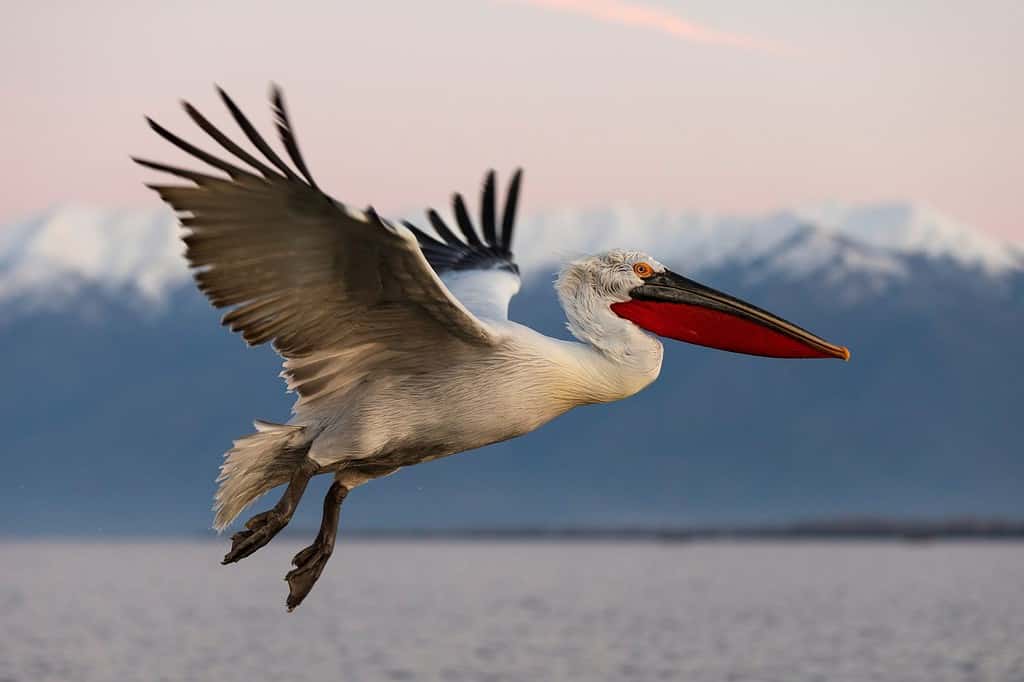
Another famous insurance fraud case involves a million-dollar Bugatti Veyron and a low-flying pelican.
©Michal Dobes com/Shutterstock.com
This story may seem stranger than fiction, but it isn’t the first time people have faked animal-related incidents in pursuit of large insurance payouts. Perhaps the most notable similar incident involved a luxury car and a pelican.
In 2009, Andy House bought a million-dollar 2006 Bugatti Veyron. Only a month later, he drove it directly into a lagoon and totaled it. Conveniently, House had insured the luxury car for $2.2 million. The insurance company accepted his claim that he was distracted by a “low-flying pelican” and paid him a $600,000 settlement.
However, evidence later presented in court proved that he intentionally drove the Bugatti into the water. This prompted House to plead guilty to insurance fraud. Although he received a relatively light sentence, the court required House to repay his settlement (which was already a loss on a million-dollar car).