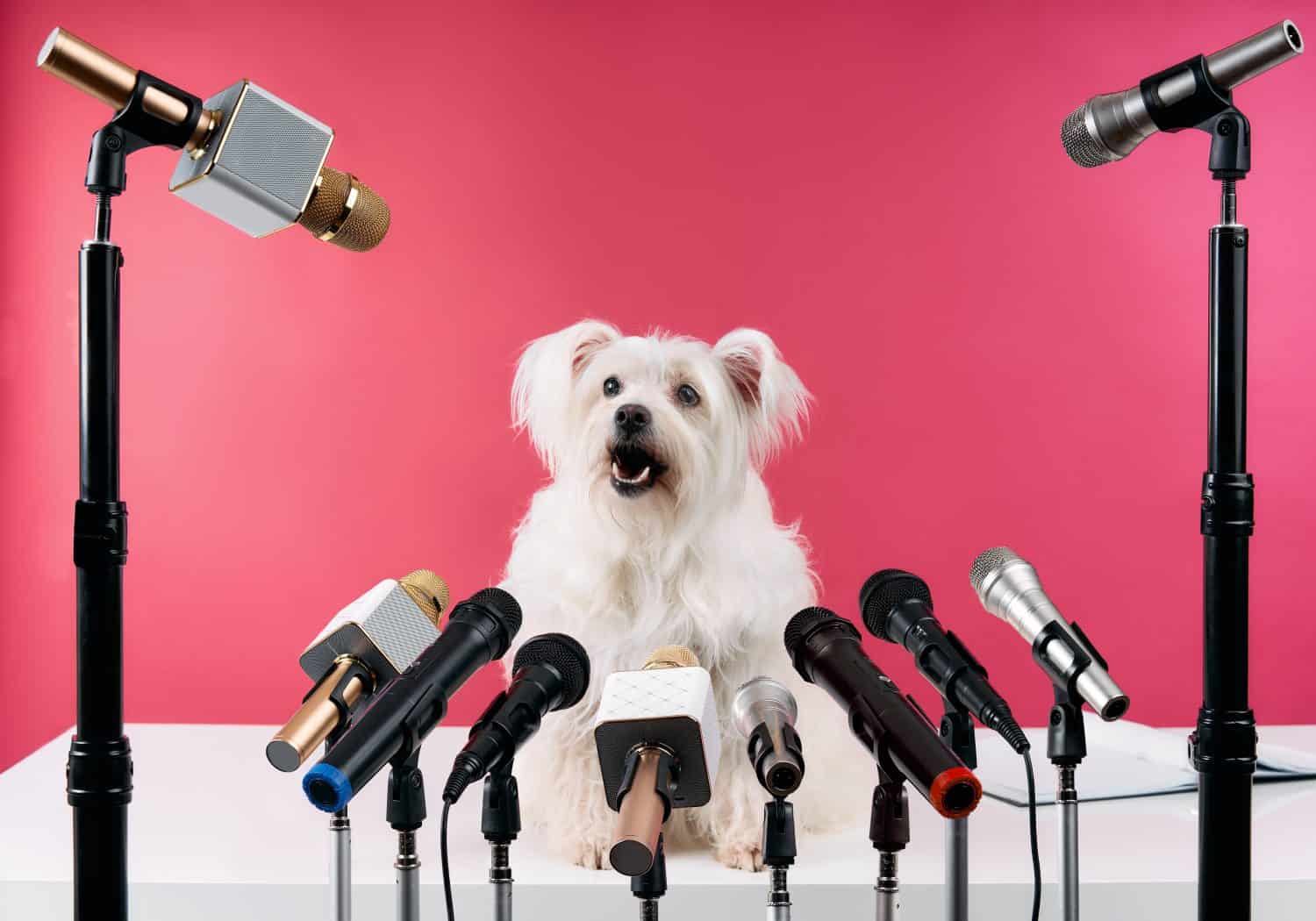

Every year, all over the world, politicians are elected. Sometimes their campaigns are fierce and hard-fought, while other times they sort of amble their way to victory. In more rare instances, human beings aren’t even considered as candidates at all. Indeed, throughout history, there have been more than one occasion where animals have held political office.
While most of these elections are of the honorary variety in places that are too small for legitimate political positions like mayor, animals holding political office suggests that humans aren’t really needed for the positions. Animals don’t argue; they are great at photo opportunities, and only scheme for treats. Perhaps we all can learn something from the animals that have held political office throughout history. Some of these stories you won’t believe.
Bode Ioiô

An assuming goat arrived in Fortaleza, Brazil, and quickly won the hearts of its inhabitants.
©Ranimiro Lotufo Neto/Shutterstock.com
The Brazilian city of Fortaleza may be a bustling, beachside metropolis now, but it was a little more quaint at the turn of the century. Back then, it wasn’t uncommon to know your neighbors, a proximity that helped an unassuming goat become the city’s mayor. As the story goes, a goat named Bode Ioiô arrived in Fortaleza with migrants escaping drought.
In the ensuing years, Bode Ioiô became a fixture of Fortaleza, wandering the streets and often accompanying various bohemians to the area bars and cafes. The political climate at the time, however, was contentious. People were fed up with local politicians, so they wrote in Bode Ioiô’s name on the ballot one year, cementing his fame and technically earning him the office. While he never served, the goat became a symbol of the people. Even today, there are numerous chapbooks, stories, and museum exhibits depicting the story of this folk hero goat.
Bosco Ramos
Sunol is barely a town, but dog mayor Bosco helped put it on the map.
©Sundry Photography/Shutterstock.com
Sunol, California, sits in the middle of Alameda County in the East Bay of San Francisco. It’s beautiful, even pastoral, but it’s not much of a town. It has less than a thousand residents and is considered an unincorporated area. This, ironically, makes it the perfect place for a political office held by an animal. Bosco Ramos, a black Labrador and Rottweiler mix’s journey to mayor started as a joke. Two guys were sitting in a Sunol bar one night wondering who should be the census-designated place’s unofficial mayor. A man named Brad Leber, Bosco’s original owner, suggested the dog could beat them.
Everyone in town knew Bosco, so his path to victory came relatively easily. Running on the “Re-pup-lican” ticket with the slogan “A bone in every dish, a cat in every tree, and a fire hydrant on every corner” seemed to help. For the next several years, Bosco upheld his mayoral duties with consistent begging and loitering. Not only did his holding of political office put Sunol on the map, but it also led to overseas controversy. In 1990, China’s People’s Daily newspaper ran an attack article about Bosco, suggesting his candidacy was proof of democracy’s degeneracy.
Boston Curtis
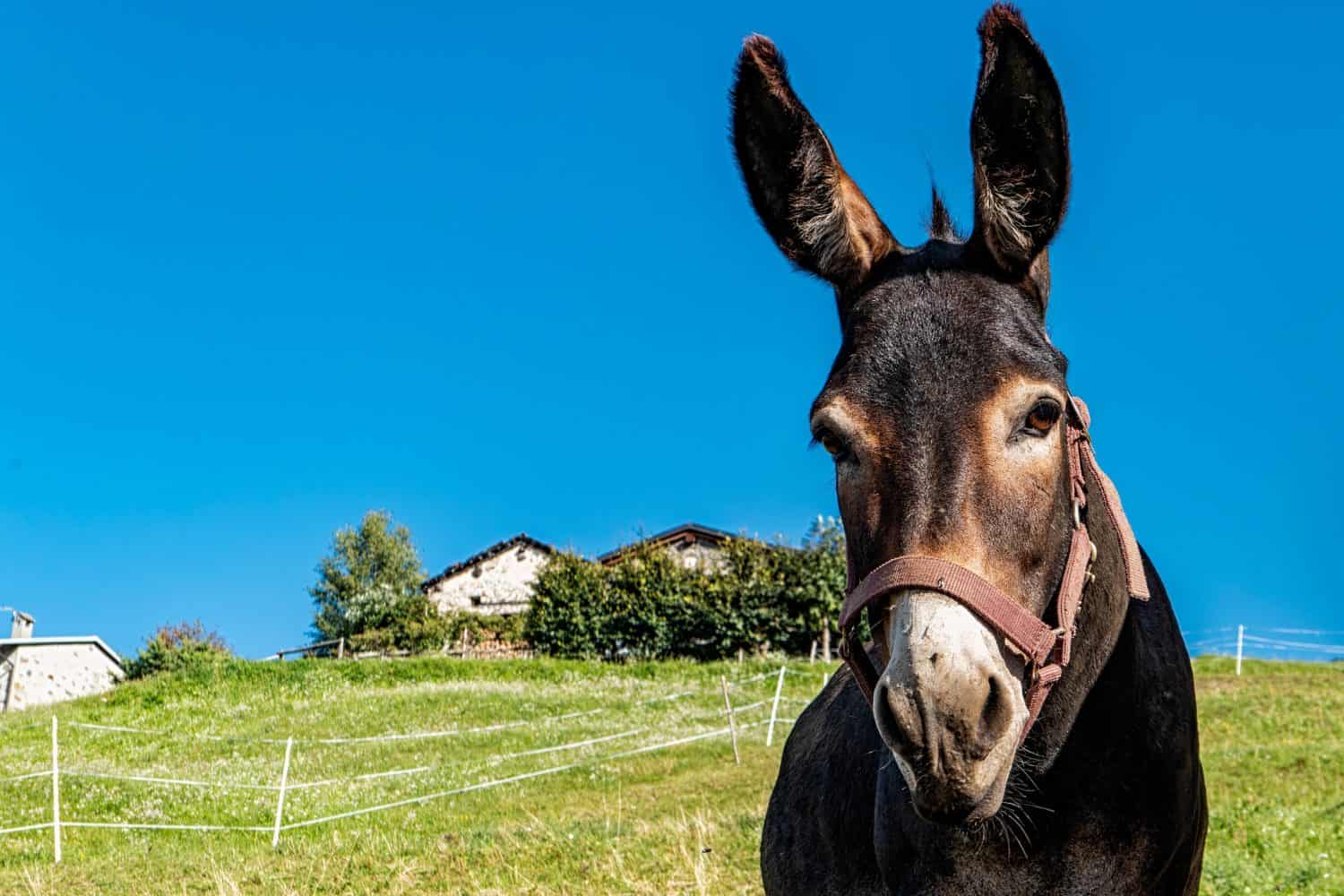
Sometimes voting happens without a second thought or investigation of the candidates on the ballot.
©COLOMBO NICOLA/Shutterstock.com
The year was 1938, and local Republican Party politicians from Milton, Washington, met for their monthly meeting. There was only one item on that meeting’s agenda: elect a committeeman to represent the party at the county level. Without much thought but with much duty, the party members had no choice but to elect the only name on the ballot, one Mr. Boston Curtis. Little did they know that Boston was not a Republican, nor a human being.
Despite offering no speech or any semblance of a platform, a mule named Boston Curtis became the party’s committeemen. It turns out that Milton’s Mayor Kenneth Simmons put a mule on the ballot as a joke, not expecting anyone to take his prank seriously. Simmons even led Mr. Boston Curtis to the courthouse and signed the nomination form with a hoof. Instead of decrying Simmons’ foolery, the party members elected a mule without a second thought.
Clay Henry
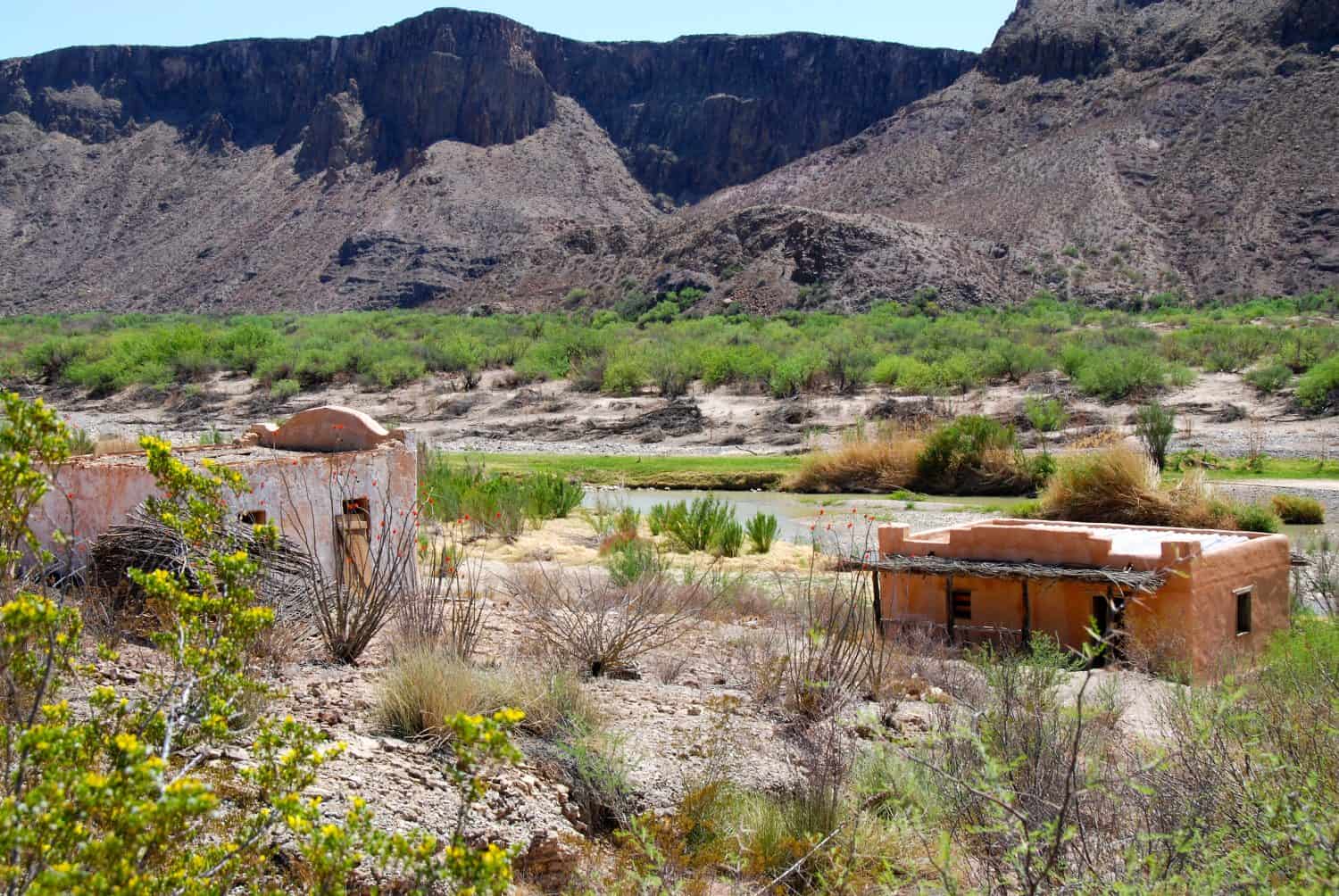
Lajitas’ mayor was an alcoholic, rabble-rousing goat named Clay Henry.
©Michael Kaercher/Shutterstock.com
Lajitas, Texas, sits right on the Rio Grande on the Mexican border and has fewer residents than a suburban neighborhood. It’s an arid, rough area, which makes it the perfect place for a beer-drinking, rabble-rousing animal mayor. As the story goes, a Houston businessman saw potential in the dusty little town and sought to turn it into a tourist destination. This commercial conquest, however, angered a local man named Bill Ivey. He had lived there for generations and thought, well, if a city slicker can be mayor, so can a goat. The joke quickly became deadly serious, as jokes often do. The Houstonian won the first election, but a goat named Clay Henry won the second election in a landslide.
Suffice it to say, however, that the goat named Clay Henry was a little rough around the edges. A fixture of the town’s Thirsty Goat Saloon, Clay Sr. became even more famous for guzzling any beers that people would give him. Eventually, the goat bore a son who took his name and his penchant for alcoholism. In time, however, this proved to be the dynasty’s undoing after the son killed the father over a female. Clay Henry Jr. was elected mayor and was even featured on a television show. Over the ensuing years, the Henry goat political dynasty suffered setbacks and human retributions but remained a strange, violent fixture of Lajitas, Texas.
Duke
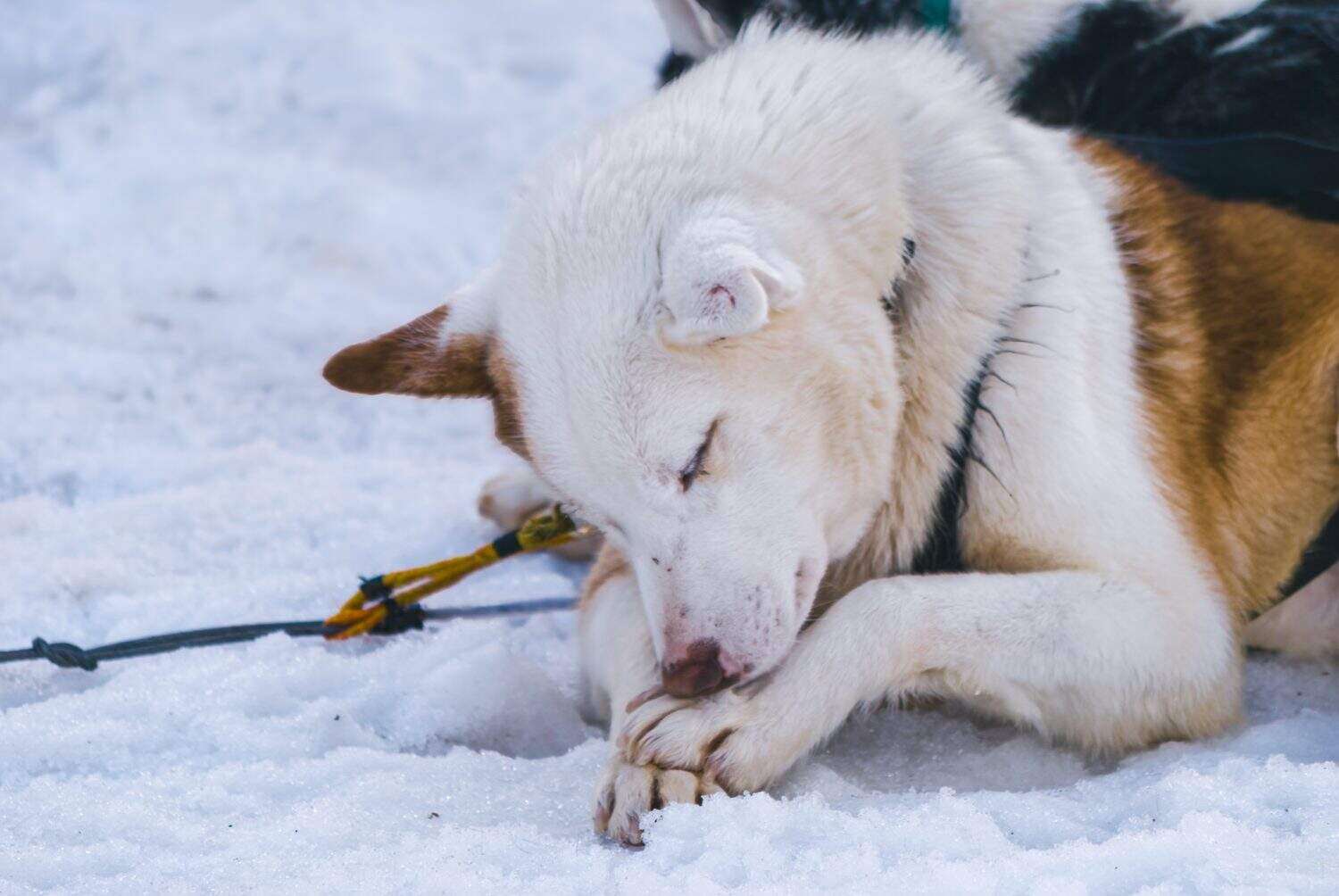
To raise money for the town, Cormorant, Minnesota, residents elected local celebrity dog Duke as mayor.
©ADEQUARL/Shutterstock.com
Like many small towns, Cormorant, Minnesota, had more use for fundraising and community than they did for an honest-to-goodness mayor. In 2014, however, the town held a quasi-election/fundraiser to raise money for the rural township. Duke, a Great Pyrenees, was already a local celebrity and beloved pup, so the people voted him to be mayor. A vote cost a dollar, and the town raised a good bit of money in the process of making Duke mayor.
His affable, non-barking demeanor and signature top hat eventually made Duke a viral sensation. He was featured in international news stories, and his story spread across the web. Though Duke only served one year in office and died at the age of 13, the idea was set. In 2024, a dog named Khaleesi Sherbrooke succeeded Duke in the prestigious position of Cormorant, Minnesota’s mayor.
Goofy Borneman-Calhoun
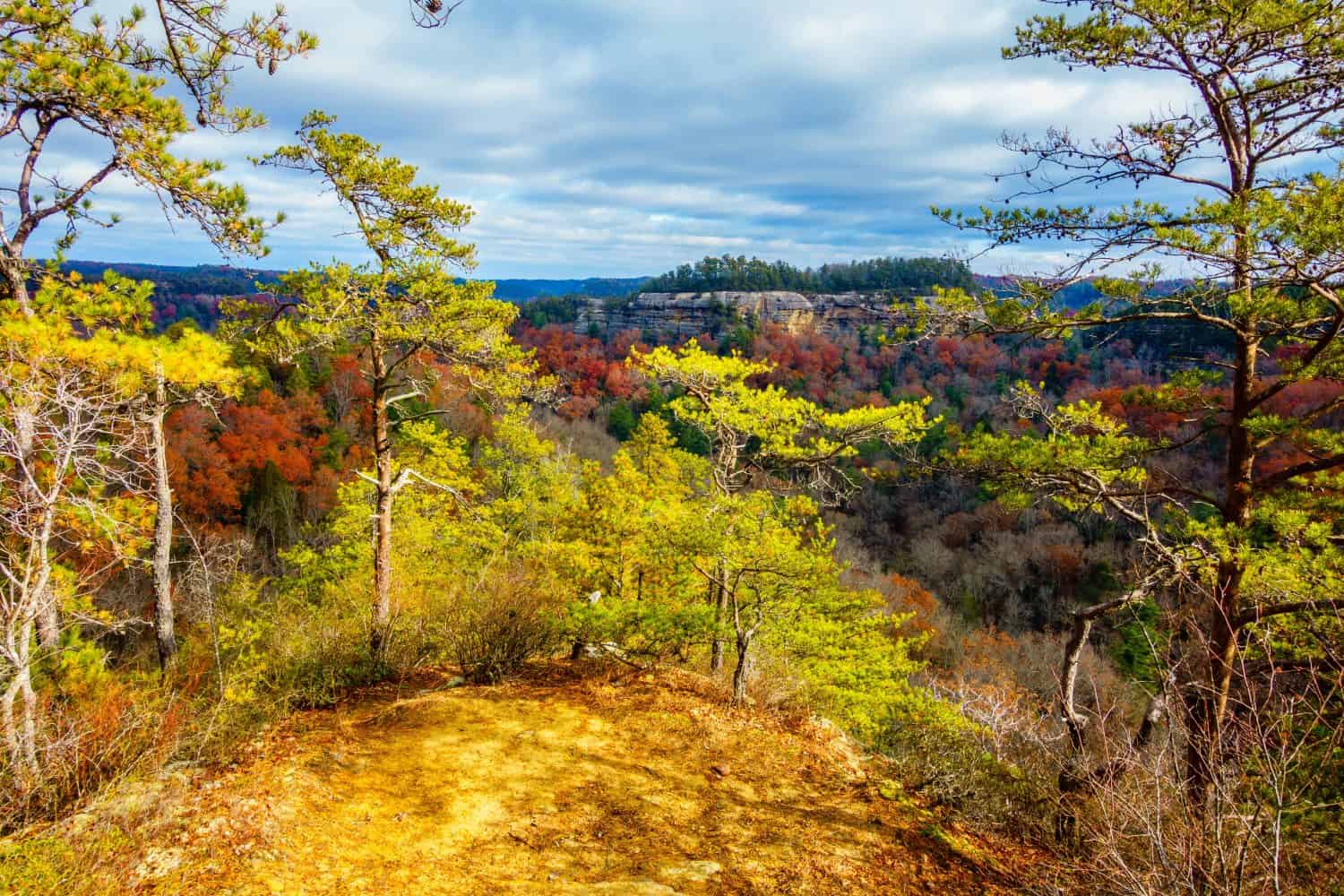
After the success of Goofy the dog’s mayoral term, Rabbit Hash, Kentucky, has continued its dog mayor tradition.
©Alexey Stiop/Shutterstock.com
Much like the residents of Cormorant, Minnesota, the people living in Rabbit Hash, Kentucky, liked the idea of a dog mayor so much they kept with it long after the first one’s term expired. The story of the town’s first mayor, however, is one that starts rough and tumble. Named Goofy and adopted by the Borneman/Calhoun family, the dog liked to wander around with the family’s son. Goofy would visit with neighbors and scrounge food scraps. The problem was, however, that Goofy liked to lie in the road. This led to him being hit by cars several times. There was also some controversy surrounding his poaching of neighborhood chickens.
When it came time for Rabbit Hash, Kentucky’s mayoral race in tandem with the county’s bicentennial celebration, the Cochran family entered their dog Herb in the race. In response, the Borneman family entered Goofy. Despite his checkered past, Goofy was beloved by the town’s residents and won a political office. Tragically, Goofy died before he could serve his full term. His time in office was so successful; however, he was featured in a documentary, and the town has elected canine mayors ever since.
Max II
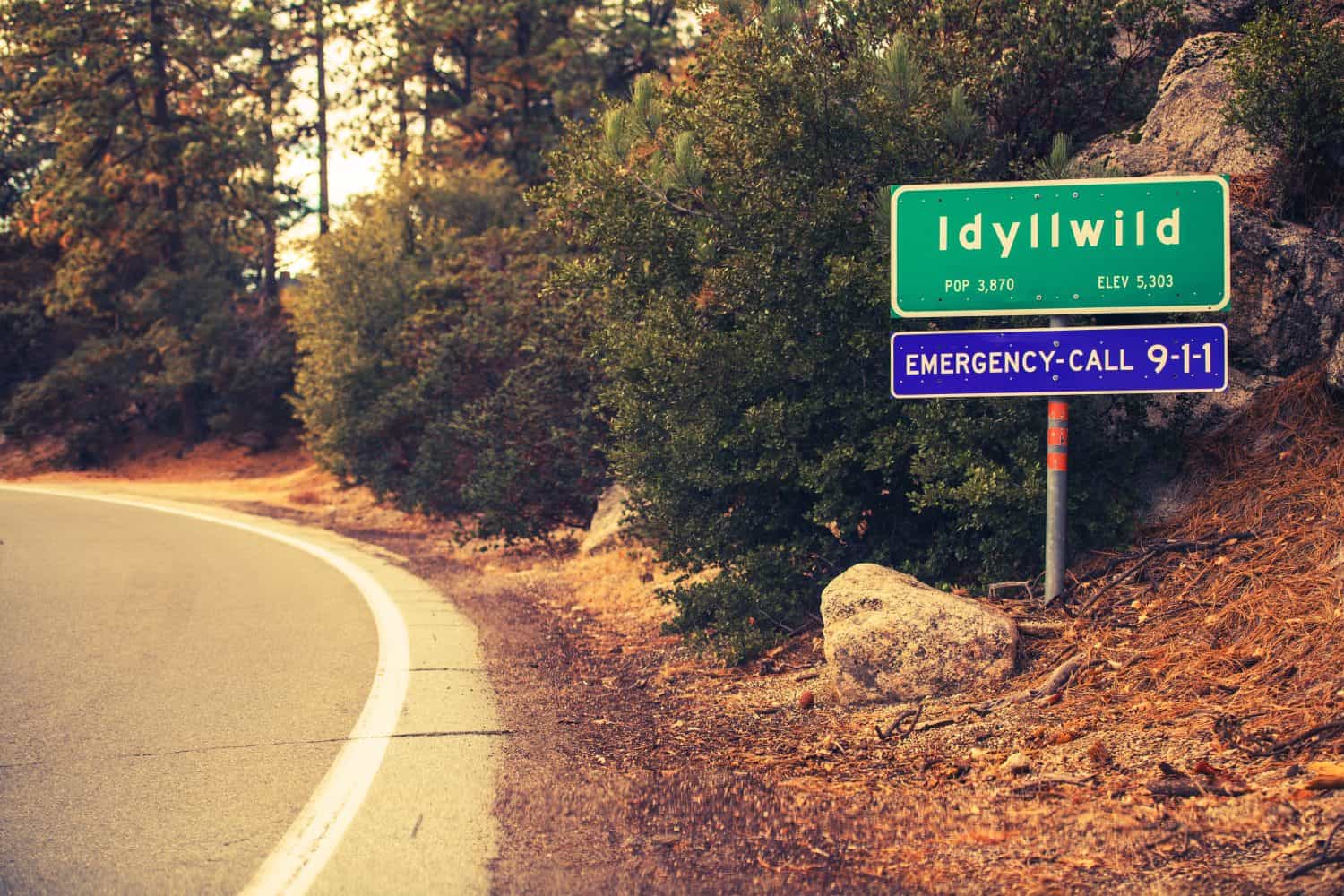
For over a decade now, the mountain town of Idyllwild, California, has elected three golden retriever mayors in a row.
©Virrage Images/Shutterstock.com
Idyllwild-Pine Cove, California, is a bucolic hamlet situated in the San Jacinto Mountains in Southern California. It’s close to Joshua Tree, good skiing opportunities, and other natural wonders. It’s also the home to the Max dynasty of dog mayors. The tradition started in 2012 when the Idyllwild Animal Rescue Friends (ARF) created a fundraiser with a mayoral-election theme, open to both dogs and cats. A golden retriever named Max won the political office but tragically passed away nine months later.
Less than a year later, Max II, another golden retriever, was elected to the position. He served for nine years and became an international celebrity in the process. Max II served a long, successful term but passed away in 2022. Eager to keep the tradition going, the town elected Max the third not long after.
Murfee
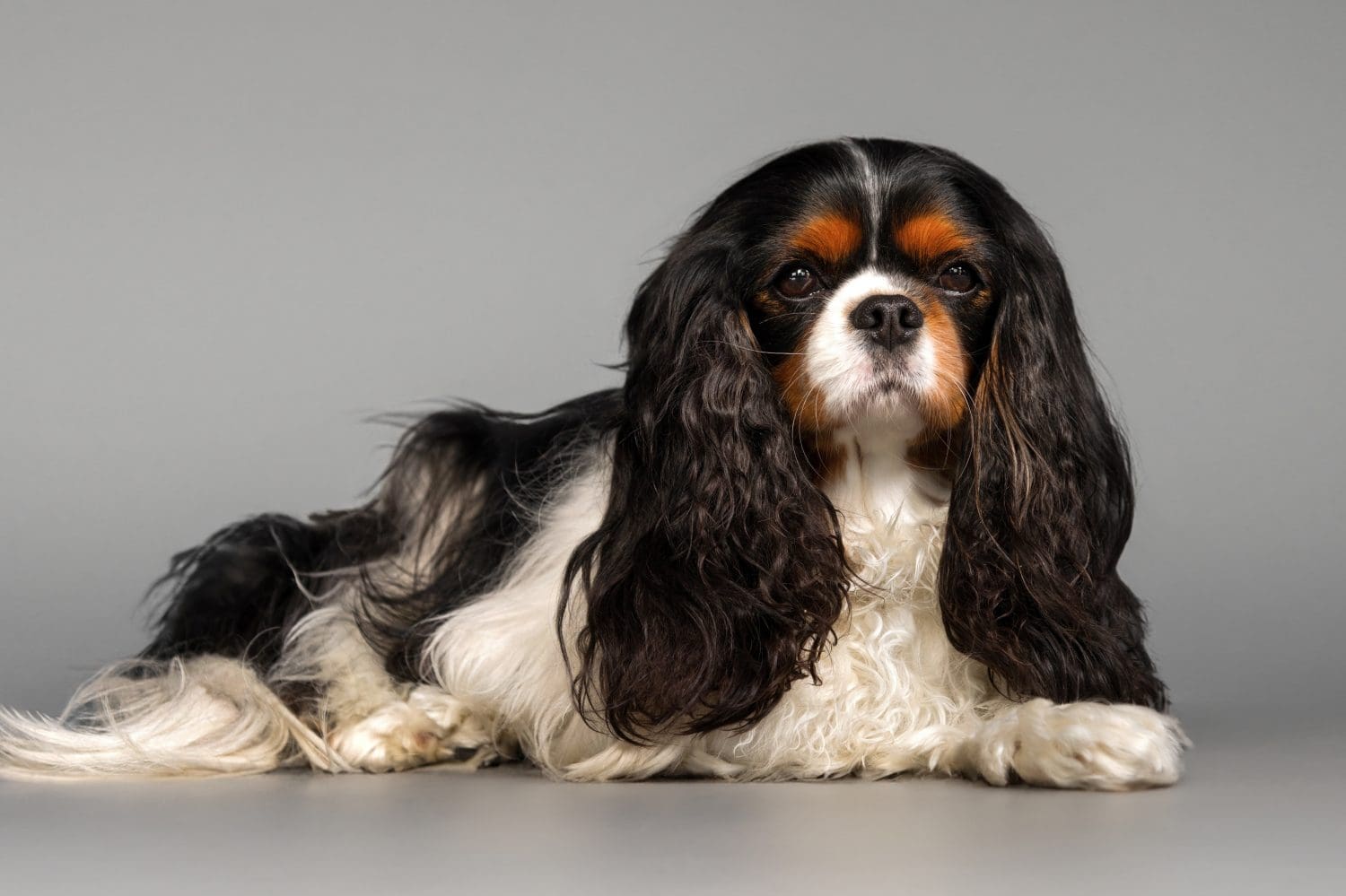
Murfee’s public profile helped him become the beloved furry mayor of Fair Haven, Vermont.
©Photology1971/Shutterstock.com
Many politicians collect a litany of badges and good marks on their resumes before they hold political office. Certain dog mayors, like Murfee in Fair Haven, Vermont, are no exception to this resume padding strategy. Though born in Oregon, the Cavalier King Charles Spaniel moved with his owners to Fair Haven, Vermont, where he became a certified therapy dog. He followed up these certifications with American Kennel Club awards, including Canine Good Citizen. Murfee became a fixture of the town thanks to his constant visits to area hospitals, care facilities, schools, and colleges.
After Murfee’s mayoral candidacy was announced on the town police department’s Facebook page, the story was picked up by CNN. Slowly but surely, Murfee’s profile grew, and he was featured on “The Today Show” and “The Late Show with Stephen Colbert.” Suffice it to say that all this publicity worked because Murfee became the town’s beloved (if honorable) mayor. Since being elected, he’s helped raise funds for a playground in town as well as the construction of a dog park.
Chief Mouser to the Cabinet Office
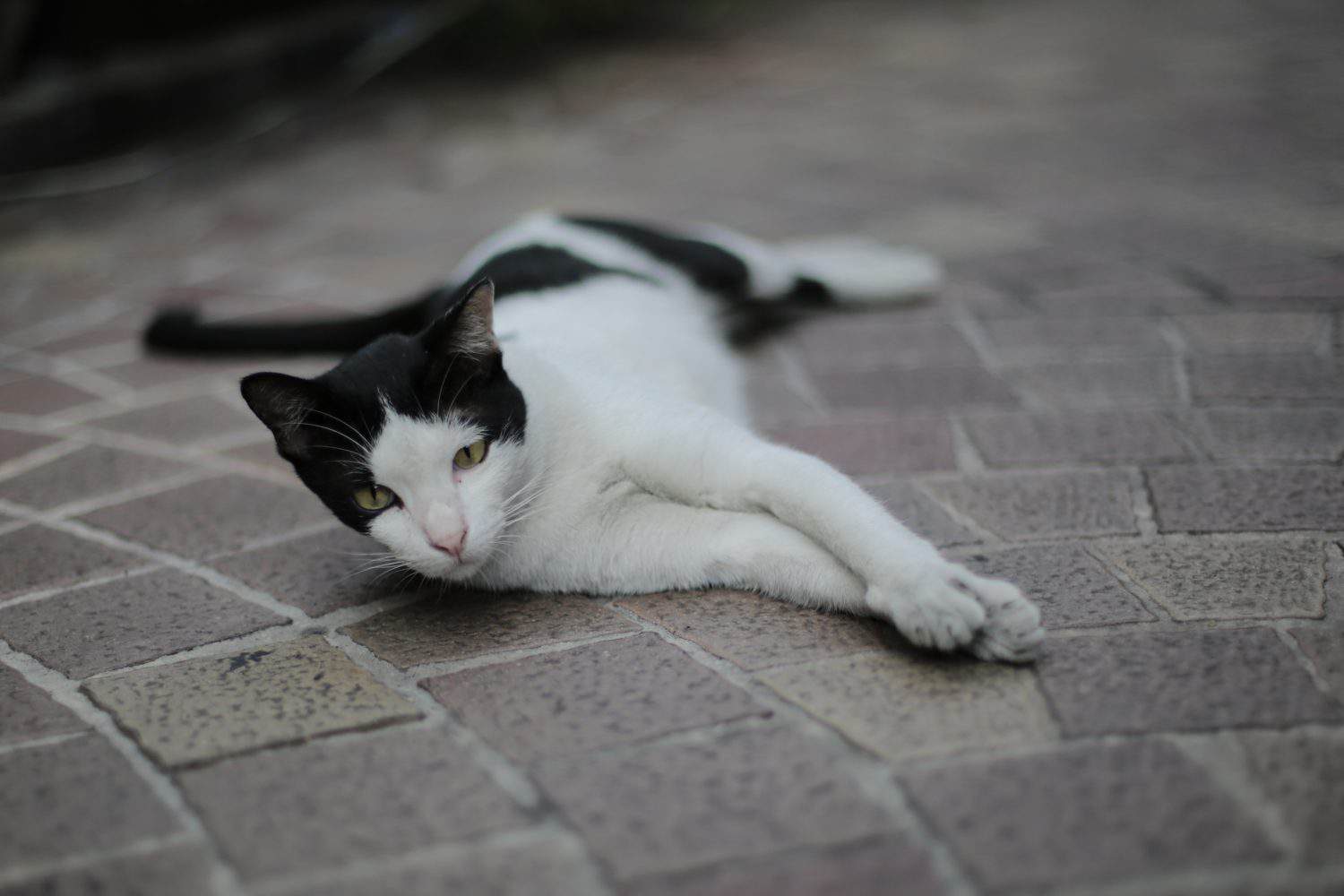
A cat named Larry has held the Chief Mouser to the Cabinet Office since 2011.
©EAKKARATH THAMJAROEN/Shutterstock.com
10 Downing Street in England is home to the country’s Prime Minister. It is also home to the British government’s resident mouse-catcher. Since at least the reign of Henry VIII, a cat has acted in at least an informal governmental capacity in the country. Unofficially, Cardinal Thomas Wolsey kept a cat by his side when conducting judicial business as Lord Chancellor. Officially, A.E. Banham at the Treasury authorized budget holdings in 1929 for the maintenance of an “efficient cat.” Since then, one cat or another has lived at 10 Downing Street.
Called the Chief Mouser to the Cabinet Office, the cat serves the British government in an official mousing capacity. 12 cats have held the esteemed position since 1924. Currently, a cat named Larry holds the position, one that he has maintained since 2011. While the Chief Mouser position is surely tongue in cheek, the cats do serve a real purpose when it comes to pest control. That said, even political partisanship affects the public perception of the feline cabinet members.
Parker the Snow Dog
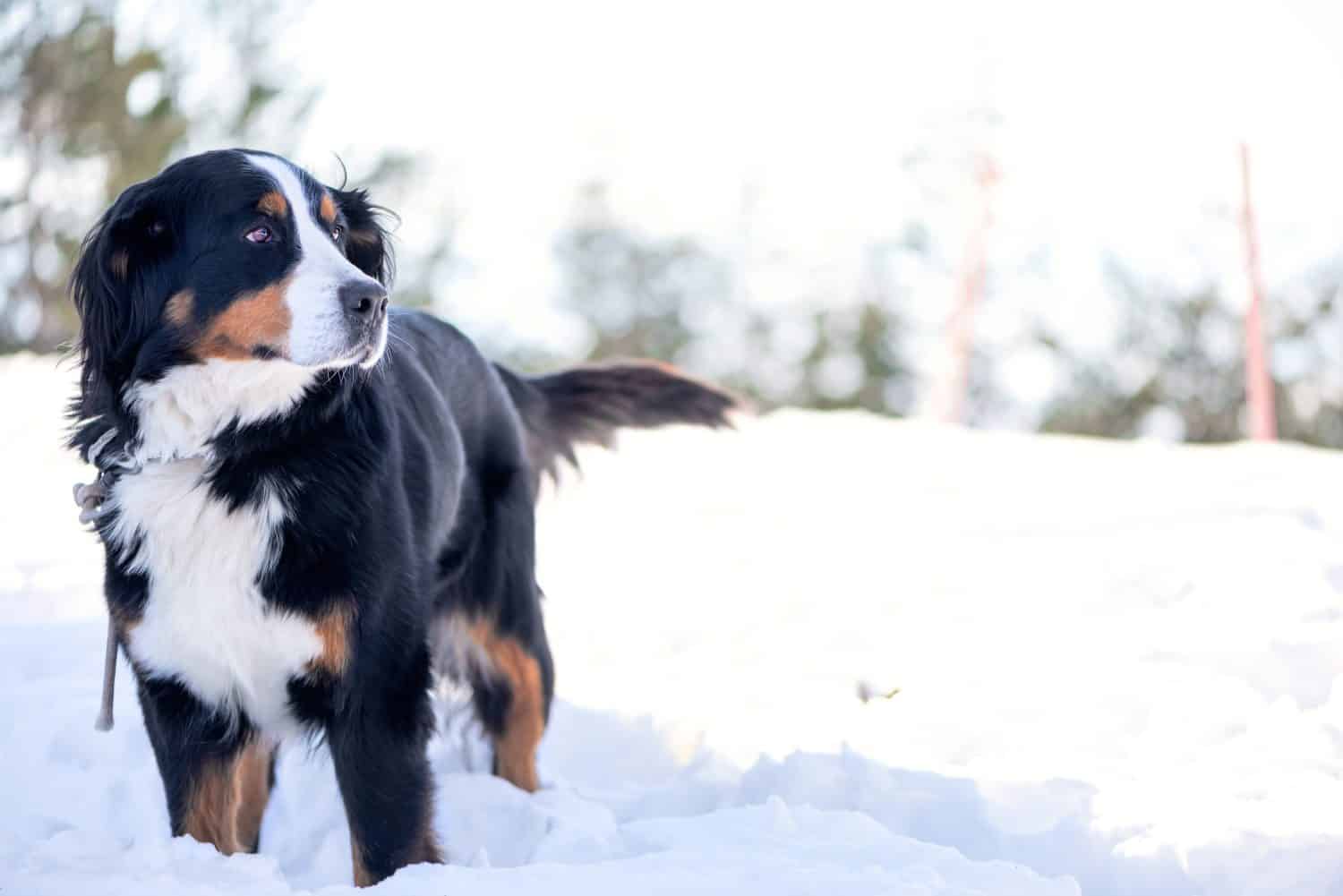
Parker the Snow Dog was a celebrity in Colorado long before he was elected mayor of Georgetown.
©bbernard/Shutterstock.com
Even before he was elected to the Mayoral position for Georgetown, Colorado, Parker the Snow Dog was a familiar, furry face. He was, in fact, already something of a celebrity. Parker served as the mascot for the Loveland Ski Area. He was also a therapy dog at the Rocky Mountain Village Easter Seals Camp. Furthermore, he could often be spotted in cushy seats at Denver Broncos games. Suffice it to say that Parker’s reputation followed him.
It came as no surprise then when Georgetown elected Parker as the town’s mayor. The house was packed for his inauguration ceremony at the town’s community center. A fan of fun outfits and incredibly photogenic, Parker served as mayor for several years before tragically passing away in a car crash at eight years old.
Stubbs
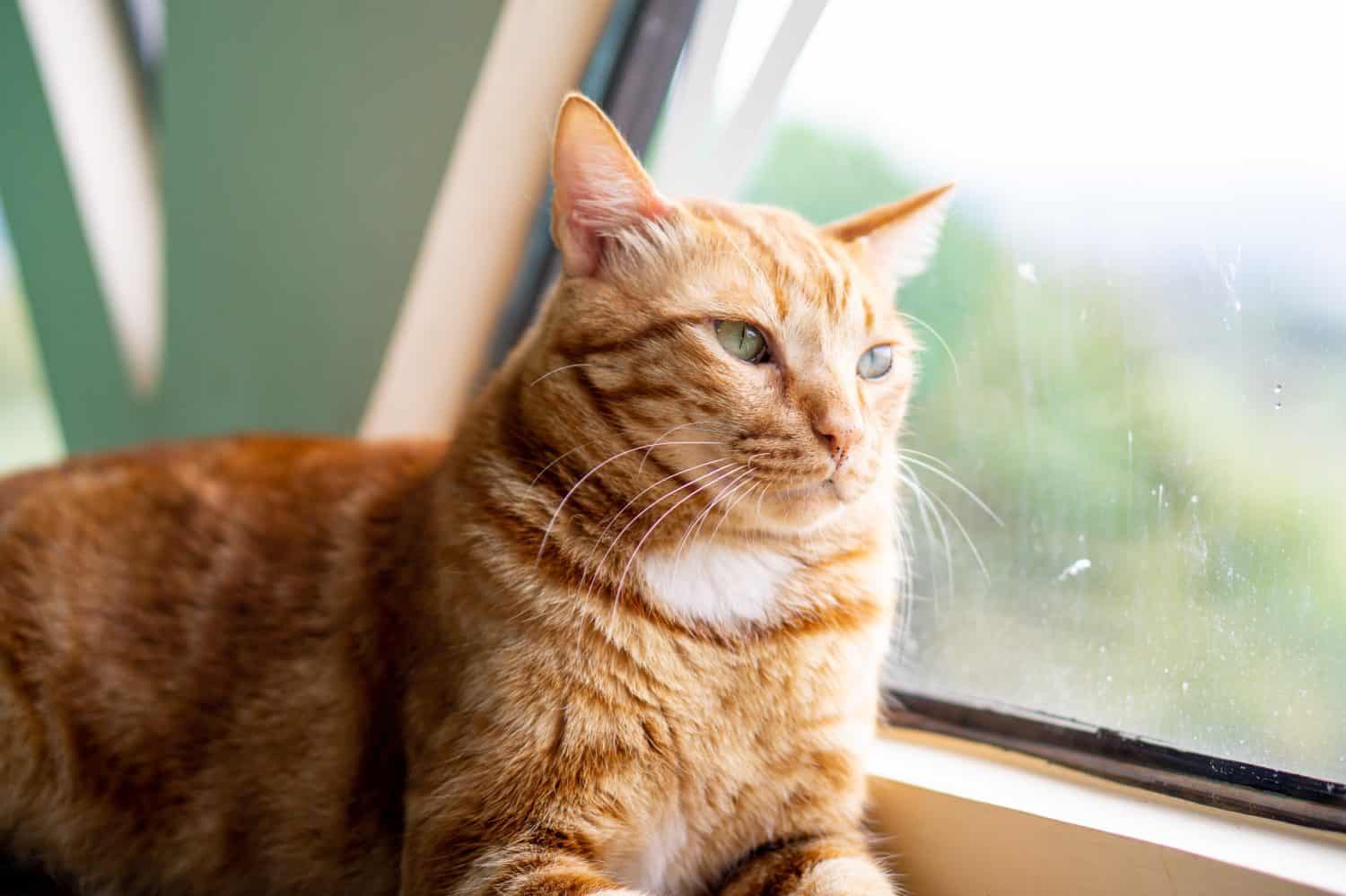
Stubbs survived twenty years of injury and infamy as small-town Alaskan mayor.
©Siprats/Shutterstock.com
One of the more inspiring stories of animals holding political office is Stubbs, a tailless cat from Alaska. His story starts in a discarded box full of kittens. His eventual owner, Lauri Stec, found him in the box and kept him, naming him Stubbs because he lacked a tail. The town of Talkeetna, Alaska, didn’t have a mayorship, but that didn’t stop its residents from voting Stubbs for mayor. Quickly, Stubbs became a proper tourist attraction. Dozens of people would visit him each day, and he would receive just as many letters and cards. In proper form, Stubbs could be seen drinking water mixed with catnip at one of the town’s restaurants.
While Stubbs was beloved, his mayoral tenure was not without its problems. At different times, Stubbs found himself in notable incidents. He was shot by teenagers using BB guns, he fell into a restaurant’s deep fryer, and once managed to hitch a ride on a garbage truck to the outskirts of town. In 2013, he was attacked by a dog and seriously injured. Luckily, thanks to crowdfunding and a veterinary hospital stay, Stubbs made a comeback but spends more time indoors. Despite fame and injury, Mayor Stubbs lived to be 20 years old.
Incitatus
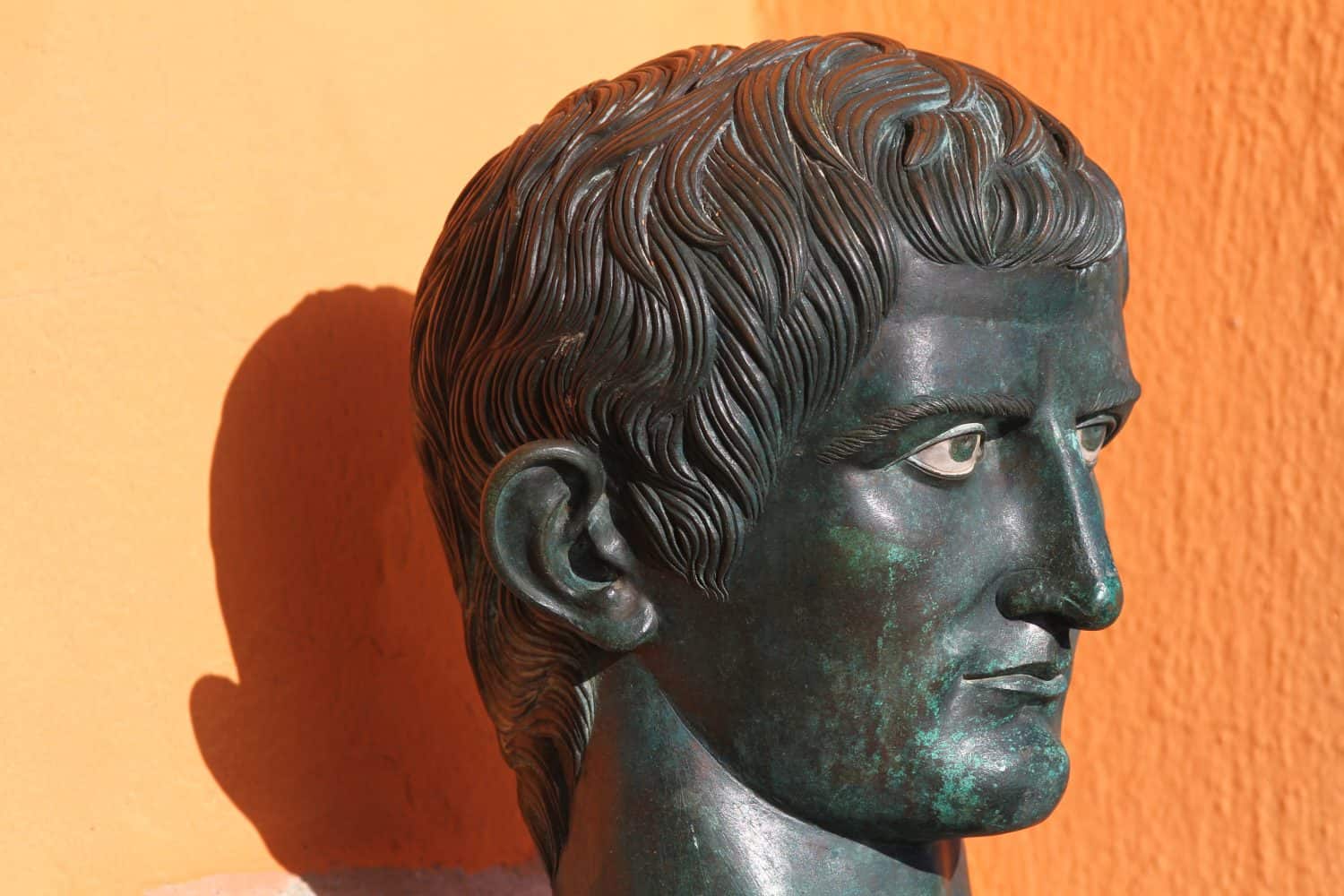
Roman Emperor Caligula’s horse lived like, well, an emperor!
©Maria Letizia Avato/Shutterstock.com
Controversial Roman Emperor Caligula’s horse Incitatus deserves a special mention in a list of animals that held considerable political power because, well, Incitatus might have had the most power of any animal in history. Considering Caligula’s reign was so long ago and records of it are rife with political defamations, it’s hard to say how true the story of Incitatus is. Even still, the lengths Caligula went to give his horse special dispensation will make your head spin.
According to various sources and legends, Incitatus lived in a marble stable, had 18 servants attending to his every need, wore clothes and harnesses festooned with gems and precious stones, and even ate from an ivory manger. He was even fed oats mixed with gold flakes. Caligula intended to make his horse a consul, but the jury is still out on whether or not that came to fruition. Some historians think it was all too real, while others think he treated his horse that way to make a mockery of his rivals in the senate. Either way, Incitatus had it good.