
According to the World Animal Foundation, a person has a 1 in 2.1 million chance of being attacked by a bear. While this number might seem low, it’s higher than the chances of being attacked by a shark. WAF also considers bear hotspots to be Montana’s Glacier National Park, Yellowstone National Park, Wyoming’s Northwest region, and Algonquin Provincial Park in Ontario. These locations are all home to prominent bear populations. Alaska is one hotspot that didn’t make this list, despite being home to approximately 133,500 bears. However, that could be changing with the most recent bear attack.
Bear Encounters in Kenai, Alaska
The Kenai Peninsula is a scenic yet remote part of Alaska. It borders the Cook Inlet, making it a prime location for all types of wildlife, including bears. The area includes Lake Clark National Park and Preserve on the west side and Kenai Fjords National Park on the east side of the inlet. Residential towns, such as Kenai, are located between the two parks. As a result, wildlife frequently passes through these areas, making bear encounters relatively common. Bear attacks, however, are infrequent. It’s estimated that approximately 600 brown bears live on the Kenai Peninsula, along with roughly 3,000 black bears.
The First Bear Attack of 2025
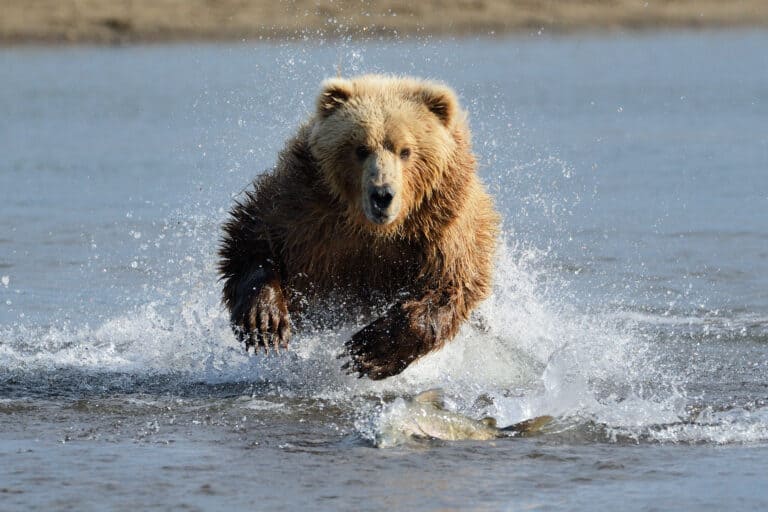
Humans often cross paths with brown bears while hunting, hiking, and fishing. What makes the most recent attack so unusual is its nature. Unprovoked attacks usually occur due to territorial disputes or protective instincts, but this incident was neither. Land development has also increased human-bear encounters, which could explain more sightings in Kenai. The brown bears found on the Kenai Peninsula are a regional population of brown bears (Ursus arctos), often inhabiting areas near the waterfront. Despite declining populations over the last decade, they are still the top apex predators. People typically encounter them more often near the water, where they hunt and raise their cubs. The Kenai River is a hotspot for brown bears, which is not far from where the jogger was recently attacked. Chinook Drive is less than a mile from the Pillars Boat Launch, located along the Kenai River.
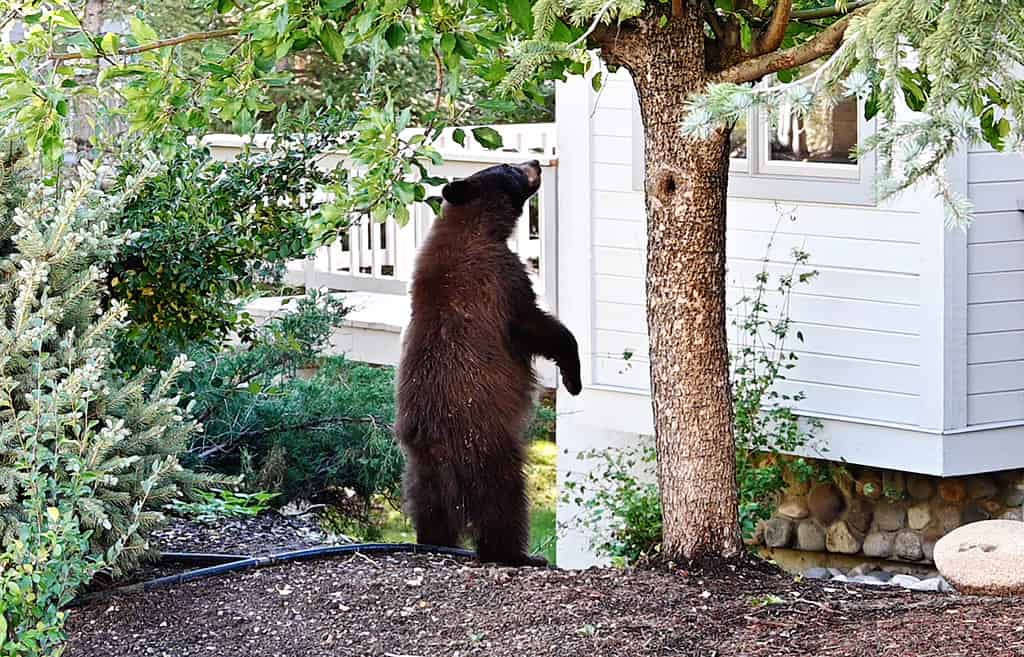
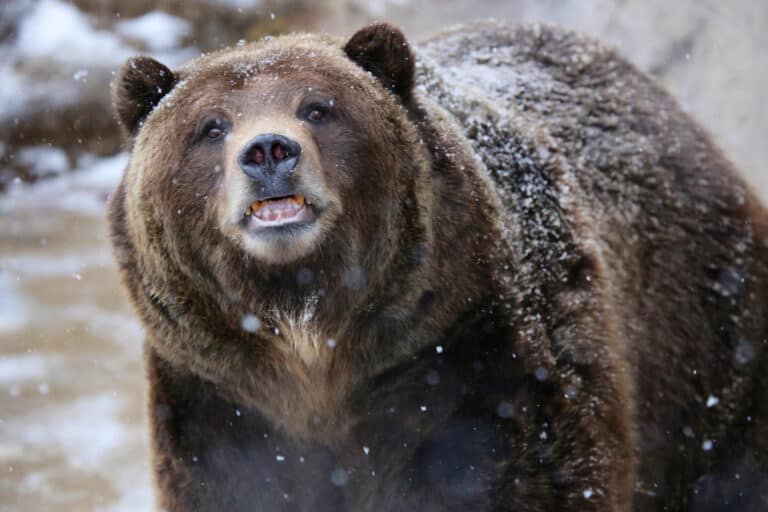
Bears are attracted to the smell of food in garbage cans.
©steverts/iStock via Getty Images
Alaska’s first bear attack of this year happened roughly 150 miles from Kenai in Alaska’s Chugach Mountains. A hiker was on the Basher Trail on July 22nd when a bear attacked her. The woman called 911 from the trail following the attack with severe wounds, requesting help as soon as possible. She remained conscious on the phone with emergency services the entire time despite being mauled and was taken to a local hospital. Her injuries were not life-threatening, but authorities advised people to stay off the trail. The bear responsible for the attack was never found, and no cause for the mauling was ever confirmed. However, experts say the bear may have been a brown bear based on evidence found at the scene.
Alaska’s Most Recent Bear Attack Was a Jogger
On August 26th, a 36-year-old woman left her house around 5:45 AM to go on a routine jog. She didn’t make it to the end of her property before a brown bear attacked her in her driveway. The woman was dragged roughly 100 yards before being left on a neighbor’s property. Her neighbor heard the attack and found the victim when he came out to investigate in the early morning hours. The woman suffered significant wounds to her scalp and face and was airlifted to a hospital in Anchorage. There, she was treated for serious injuries and was initially in critical condition. Thankfully, her condition has since improved, and she is recovering.
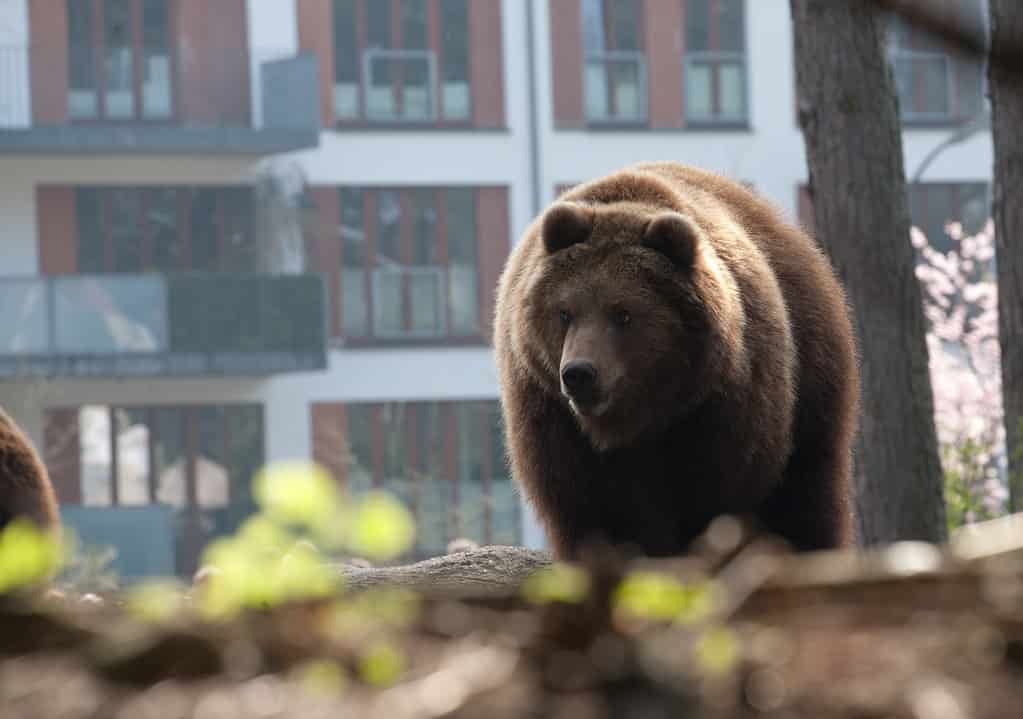
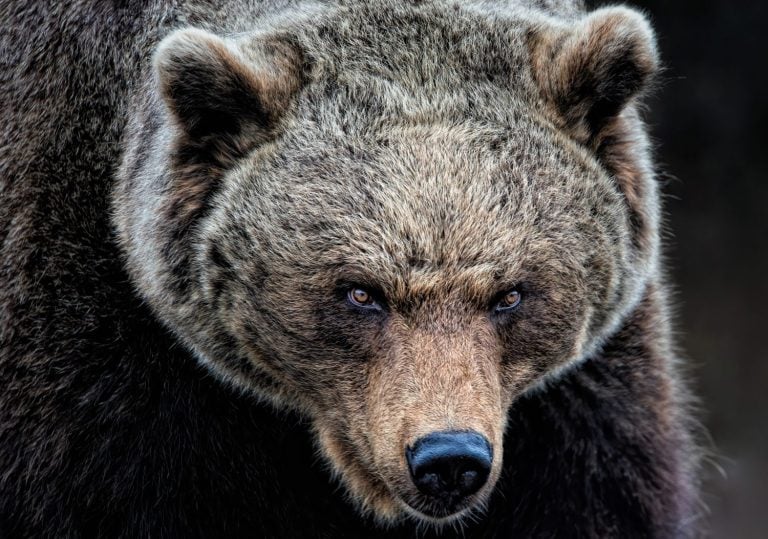
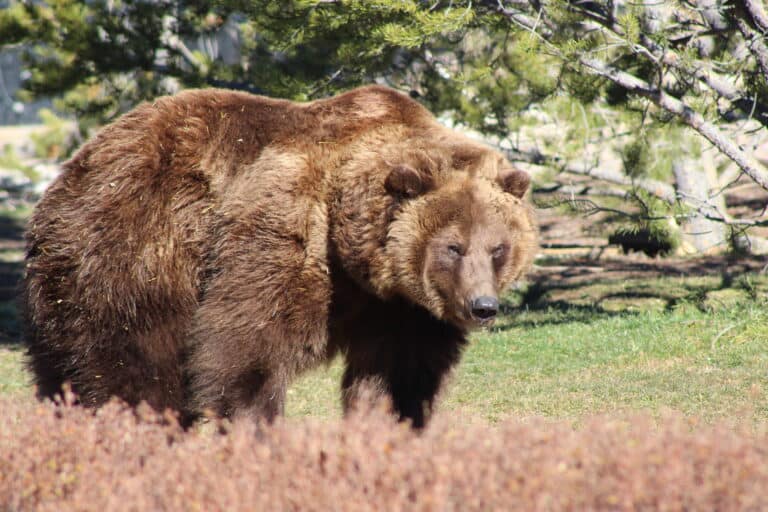
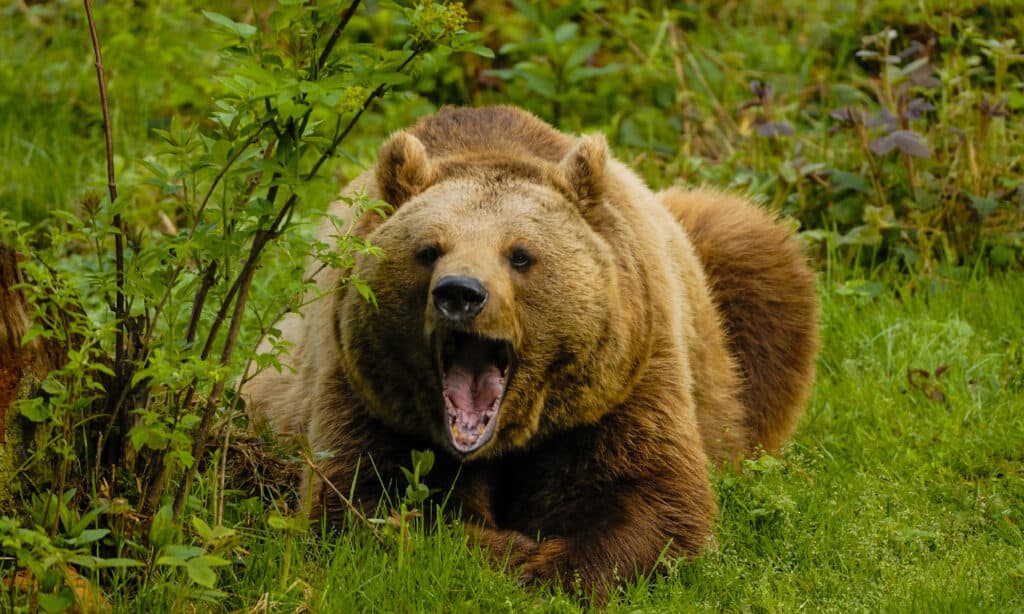
Brown bears may attack if they sense a threat.
©mouse_sonya/iStock via Getty Images
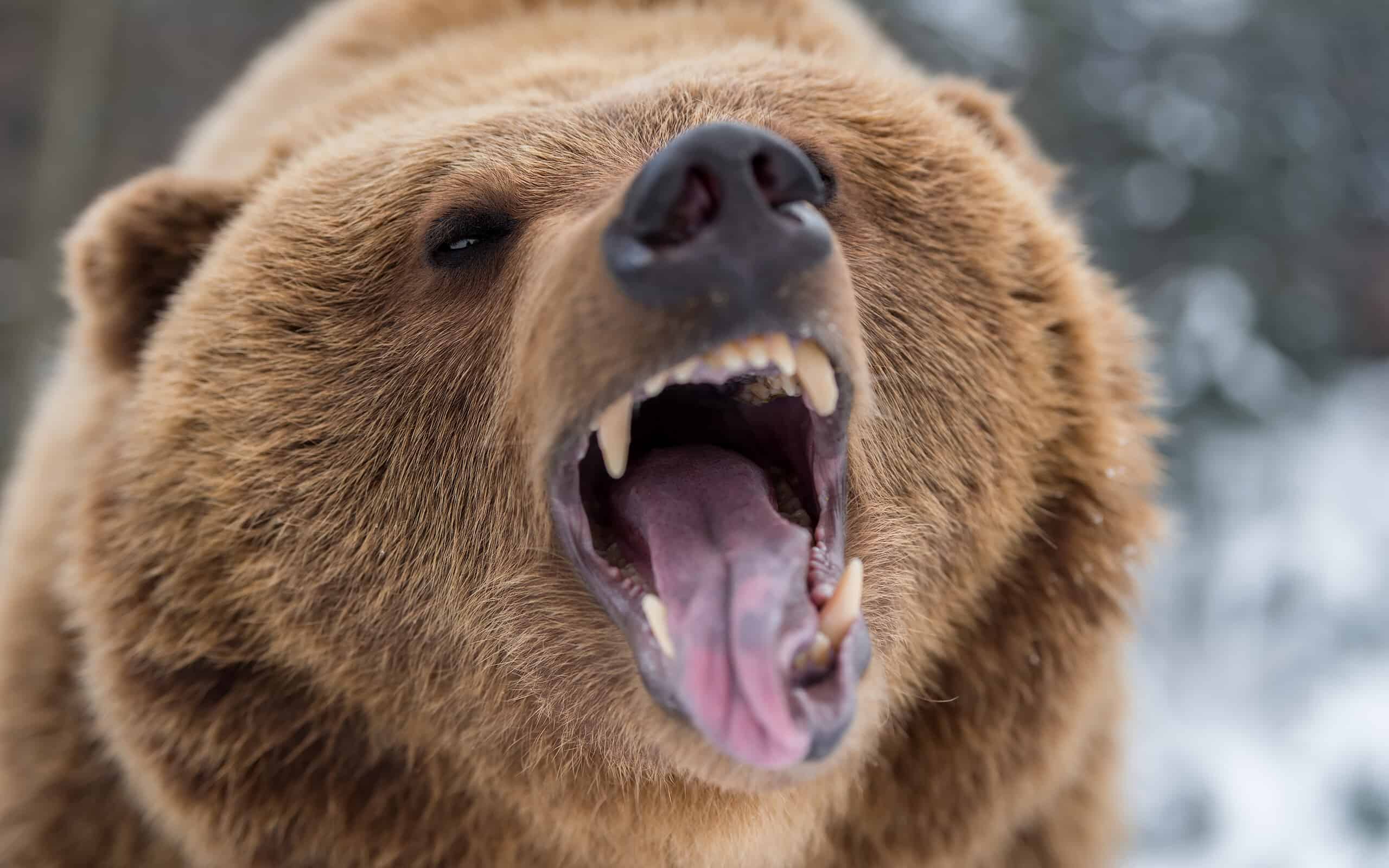
The entire town of Kenai is now on high alert following the attack. Authorities searched the entire community and the surrounding area for the bear but have not located it. The cause of the attack is still unclear, but food and territoriality have been ruled out. According to the local police department, the jogger may have spooked the bear. Brown bears can be aggressive and, if startled, may attack. The actions of this one were likely defensive, as the bear did not hear the jogger coming toward it. Authorities are asking residents to be aware of their surroundings. During the fall season, bears are actively searching for food, which increases the likelihood of human-bear encounters.
Likelihood of Running Into a Bear
Many of the homes on Chinook Drive border dense woodlands. Bear sightings are not uncommon and are a familiar occurrence for locals. Since the Kenai River is such a popular fishing spot, precautions such as electric fences are often implemented to prevent incidents. These have also been effective in keeping livestock safe, but are not always foolproof. In the case of the Kenai jogger, a surprise attack is sometimes challenging to avoid. Between 2020 and 2022, there were six fatal grizzly bear attacks in the U.S. and two fatal black bear maulings. Despite these statistics, the number of attacks in Kenai and the surrounding area remains very low. Attacks mainly occur when bears are protecting their young or feel threatened, such as when a human encroaches on their territory.
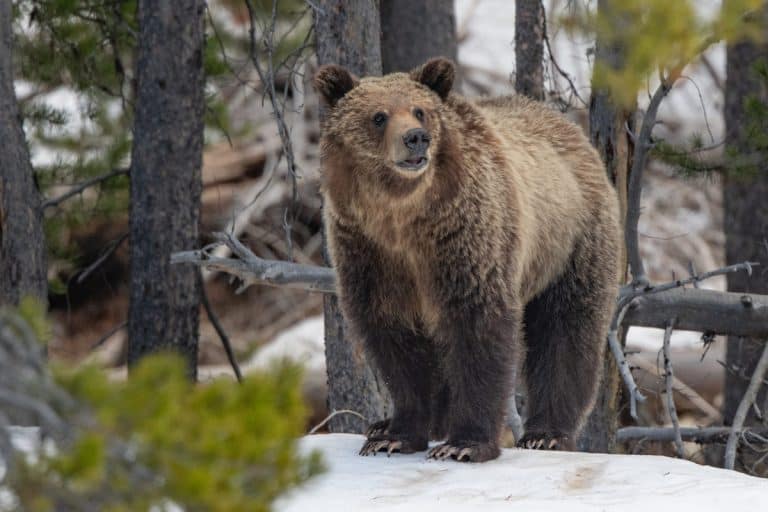
Grizzlies fiercely protect their cubs.
©Karin Jaehne/Shutterstock.com
Brown bears, or grizzlies, can be highly territorial and are known for their defensive aggression, especially when surprised or protecting cubs. However, polar bears are generally considered more likely to view humans as prey. While they are less likely than polar bears to view humans as prey, brown bears are highly territorial and fear very little. They are also fiercely protective of their cubs and will attack to defend them. Brown bears are most active from the spring through fall, when they’re hunting for food before hibernation. However, they are especially active during the late summer and early fall months.
This is likely what the Kenai brown bear was doing when it was surprised by the jogger. In August, bears make a final effort to find substantial food sources, which sometimes leads them to travel further inland. This is the time when people are more likely to encounter brown bears, especially at dawn and dusk. The Kenai jogger left her house just before 6 AM, which is a prime foraging time for brown bears. Brown bears prefer the cool morning or evening hours, making an encounter more likely.
Brown Bear Safety
Kenai police are warning locals to be especially vigilant when going outside. Alaska state troopers are also encouraging people to take extra precautions when outside at night or in the early morning hours. “Please remain vigilant when outdoors, supervise children and pets closely, and secure attractants such as trash, pet food, and bird feeders,” they said in a recent press release. Additional bear safety from the Alaska Department of Natural Resources includes:
- If you see a bear: If the bear hasn’t seen you yet, either turn around or walk around it in a wide circle. Give it a wide berth.
- If the bear sees you and charges: According to the Alaska Division of Parks and Outdoor Recreation, most charges are bluffs. Running can trigger a bear’s chase instincts, which no human can outrun. Instead, make yourself look as large as possible, wave your arms in the air, and make loud noises to scare off the bear.
- Do not run up a tree: Unless you’re able to climb at least 30 feet before the bear reaches you, climbing trees is a dead end. Bears can climb faster and further than humans can.
- If a bear attacks: Fighting back will only cause the bear to become more aggressive. If the bear attacks defensively (i.e., while defending its cubs), lie in the fetal position, protect your neck with your hands, and curl up to protect your vital organs. By lying still, the bear will assume you’re dead and become uninterested. If a black bear attacks you predatorily with no provocation on your part, the best practice is to fight back.
For locals in Kenai, authorities are asking people to keep a lookout. They advise going on walks and jogs without headphones, bringing trash indoors, and taking down bird feeders and anything else that can attract bears. In rural communities, people should be cautious when leaving the house during dawn or dusk, keep their cars and doors locked, and avoid going out at night alone.