
Quick Take
- Juvenile bears keep raiding the same villages for a surprisingly specific reason, and once researchers pinpointed it, communities found a disarmingly simple way to stop them. See the fruit-tree findings →
- The bears that nearly vanished from Spain's Cantabrian Mountains in the 1980s are back, and not every local is unhappy about it. The reason why might surprise you. Discover why locals welcome bears →
- Researchers studied over a decade of bear intrusions and found that village geography plays a decisive role in determining which communities get visited and which ones don't. Explore the village geography research →
- Government compensation exists to cover bear-related losses, but locals say the program has a critical flaw that is quietly fueling the conflict instead of solving it. See the compensation program flaws →
Apex predators are often seen as a threat. Because of this, conflicts with apex predators have historically led to culling efforts.
In the Cantabrian Mountains, the brown bear population was nearly eradicated due to overhunting. People were fearful of the bears and wanted them gone. By the 1980s, this was nearly accomplished. But thanks to conservation efforts, the population has rebounded. Bears are now seen more frequently, and brown bears have begun visiting villages for a specific reason, much to the frustration of local residents. This raises the ongoing question of whether bears and people can coexist harmoniously—a question that remains unresolved in the Cantabrian region.
Brown Bears Are Visiting Villages to Eat
Brown bears in the Cantabrian Mountains are known for visiting local communities with some regularity. While some welcome the bears as a positive sign of their population rebound, others see them as a nuisance or, worse, a threat. It is the latter that hinders further population recovery among bears, prompting researchers to investigate why bears frequent local communities as often as they do.
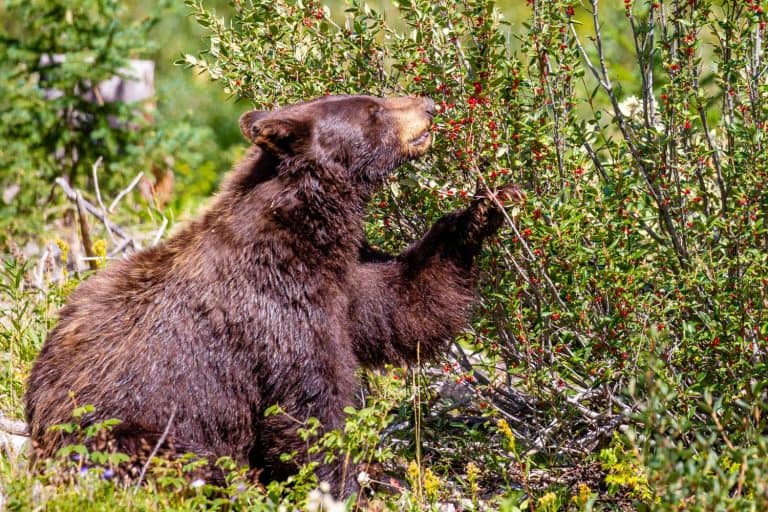
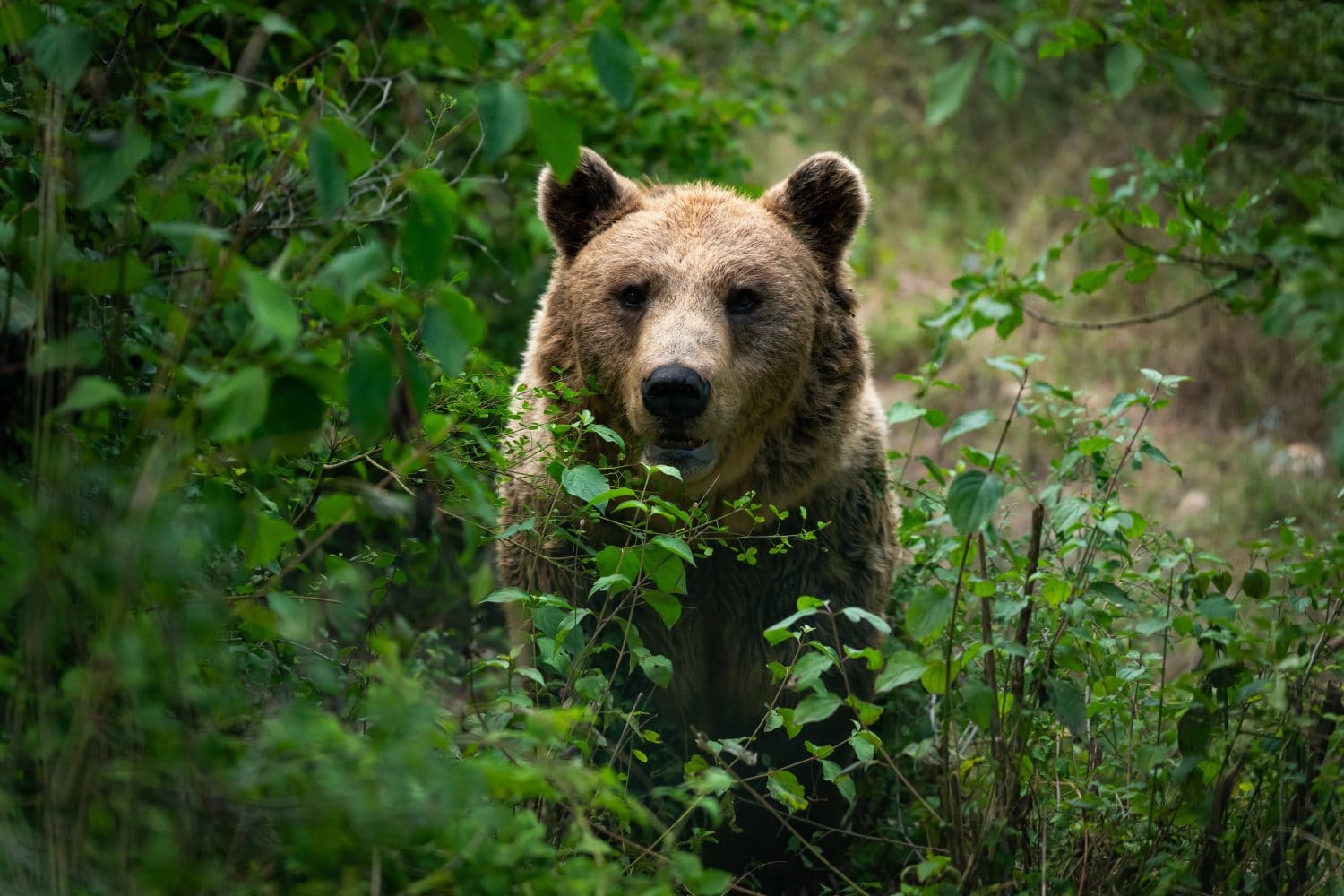
According to a new study published in Scientific Reports, the brown bears are visiting villages and hamlets near the Cantabrian Mountains in search of food. The bears most often seen are juveniles, “attracted by fruit trees available in human settlements.”
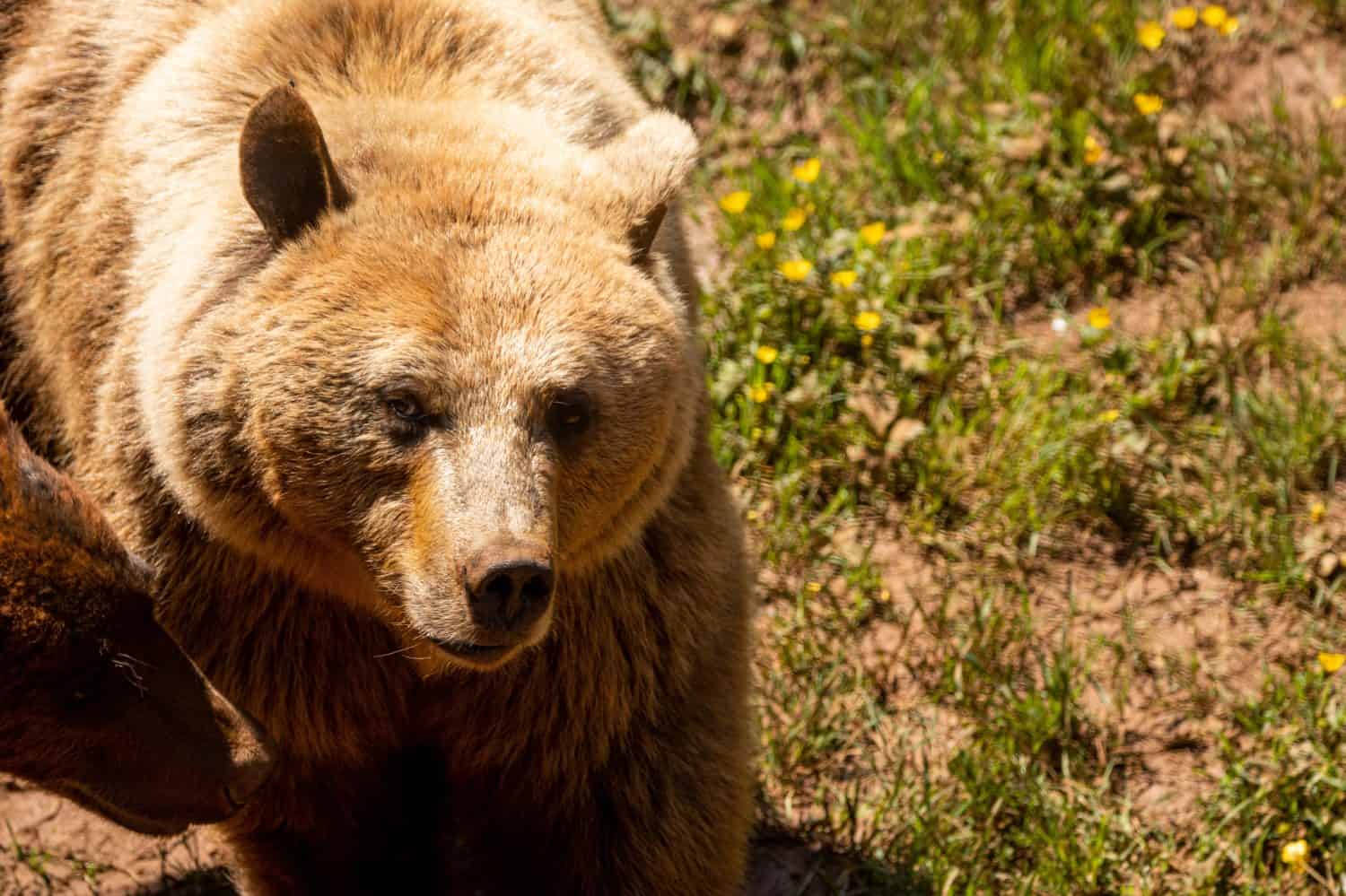
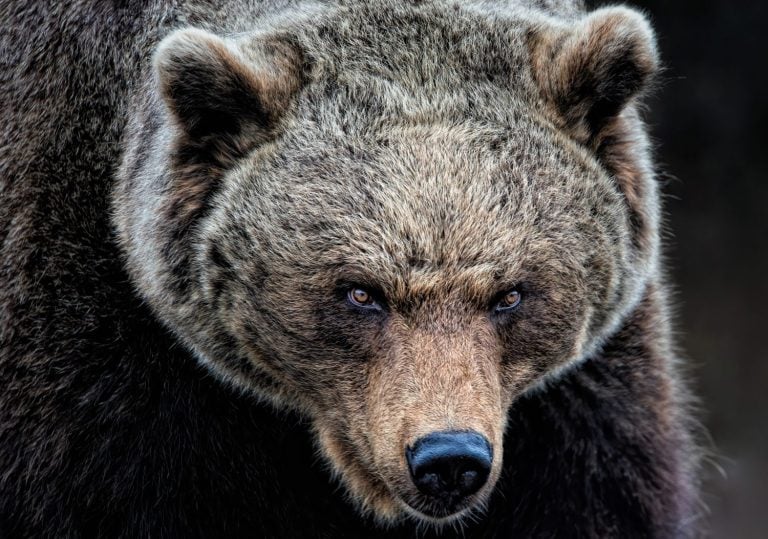
Juvenile Cantabrian brown bears are responsible for human-bear interactions in local villages.
©Patri Sierra/Shutterstock.com
To determine which bears were wandering into local communities, researchers examined more than 70 events in which bears entered settlements between 2009 and 2021. Researchers discovered that most bear intrusions occurred at night during the summer, when fruit trees were bountiful.
Furthermore, the communities most often visited were those located near bear breeding areas and where bear populations are most concentrated in the Cantabrian region. Villages and hamlets surrounded by more rocky terrain and with larger perimeters relative to the forest were visited less frequently.
Discovering why brown bears enter communities and which ones are most often targeted allows conservationists and local governments to work together to develop solutions to prevent human-bear conflict before it starts. Taking a proactive approach will allow people and bears to live harmoniously together, which is the only way brown bear populations will continue to grow in the Cantabrian region.
Brown Bears Have Rebounded from Near Extinction
During the 1980s, the population of brown bears in the Cantabrian Mountains was nearly extinct. With just 60 to 70 individual brown bears and few to no offspring, the future appeared bleak for the bears. However, thanks to community engagement with conservationists and other factors, the bear population has rebounded.
Today, there are an estimated 400 brown bears living in the Cantabrian region. Brown bears are no longer considered critically endangered but rather endangered. Between the overall population rising and the east and west populations once again being connected, allowing for genetic diversity, the bears are faring better than they have in recent decades.
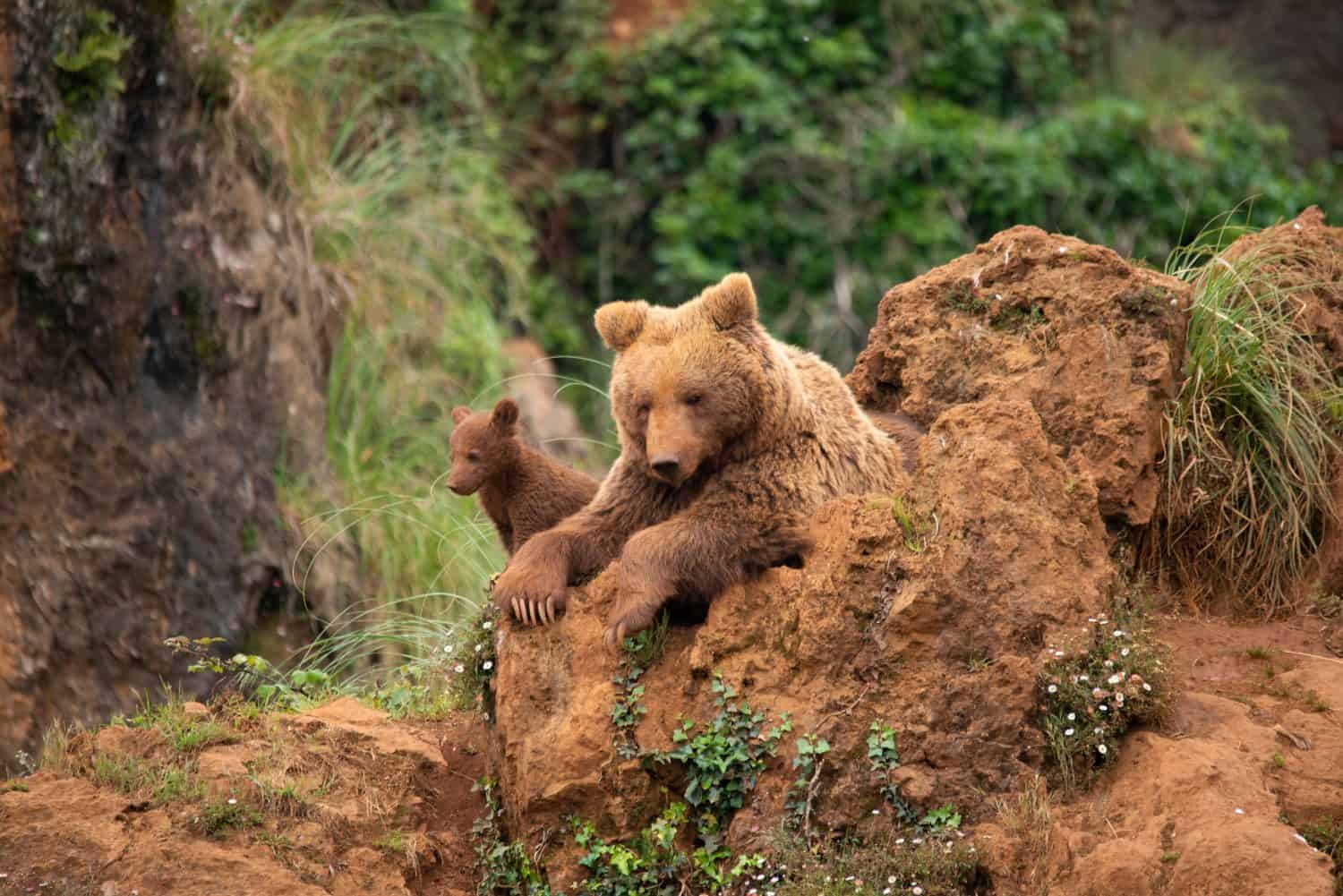
Conservation efforts have helped the brown bear population recover in the Cantabrian Mountains.
©Juan M Alises/Shutterstock.com
Some of the ways that the brown bears have been aided to keep from going extinct in the Cantabrian Mountains include:
- Creating corridors to help isolated populations come in contact with one another
- Harsh anti-poaching laws going into effect
- Protecting habitats female brown bears and cubs are known to inhabit
- Providing education to local communities about the importance of the brown bears
- Avoiding the introduction of bears from outside the Cantabrian region, thereby preserving the unique genetics of this brown bear population
While there is still work to be done to further increase the population and recategorize the brown bears from endangered to vulnerable, amazing strides have already been made to prevent their extinction. However, this milestone will not be met until bears and people can live together as they did in the past.
How Are Local Populations Working to Live with the Brown Bears?
Conservation efforts over the last 30 years have successfully increased the brown bear population in the Cantabrian region. Now that the bear population has increased substantially, local communities have had to find ways to live harmoniously with the bears, which has not always been easy.
One of the biggest complaints about the bears is the damage they cause while seeking food. From fruit trees and gardens to beehives and the occasional livestock killing, locals are losing money directly related to the bears’ destruction. Local governments have set aside funds to reimburse people for their losses. Unfortunately, some believe that the compensation is not keeping up with inflation or the cost of living, so the program needs to be adjusted to remain effective.
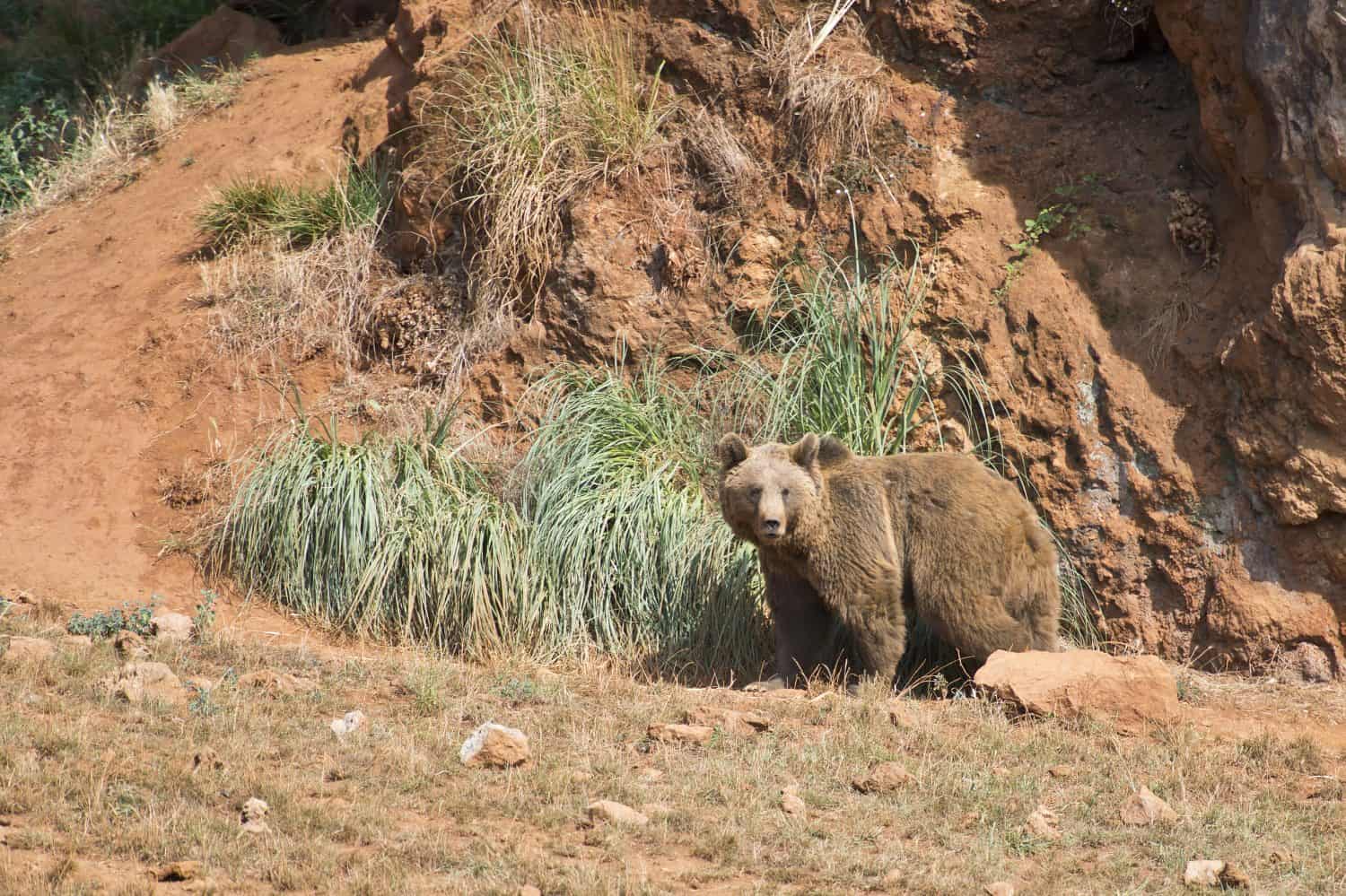
To keep brown bear populations from backsliding, local communities are finding ways to live harmoniously with the bears.
©Angel Simon/Shutterstock.com
Additionally, rangers patrol known bear spots in hopes of discouraging bears from returning and stopping poaching. The poaching stems from locals retaliating against bears, underscoring the need for further education on how bears and people can coexist.
Bears have been collared so they can be tracked. This is important because not only does it show researchers patterns in the bears’ movements, but it can alert rangers to when bears are getting too close to villages. This information can help keep bear-human contact to a minimum.
Finally, communities have taken the steps to plant trees for the bears. By having an abundance of fruits and chestnuts to eat, bears are less likely to wander into towns in search of food. Given that the new study identifies this factor as the reason younger bears consistently enter villages, this may be one of the most important steps communities have taken to help bears and people live together peacefully.
Brown Bears Are Responsible for Increasing the Local Economies
While some living near the Cantabrian Mountains would prefer that brown bears live far away, others are very happy with their presence. This is because, thanks to the bears, a significant amount of money is being brought to the region.
Annually, the brown bears bring $21 million to the Cantabrian communities’ economy. This is because visitors flock to the region for bear-watching tours. When they do this, they contribute money not only to the companies running the tours but also to local businesses. Without the bears, there would be far fewer visitors to the towns and hamlets surrounding the Cantabrian Mountains, showing that, from a financial standpoint alone, they are a species that needs to be conserved rather than culled.
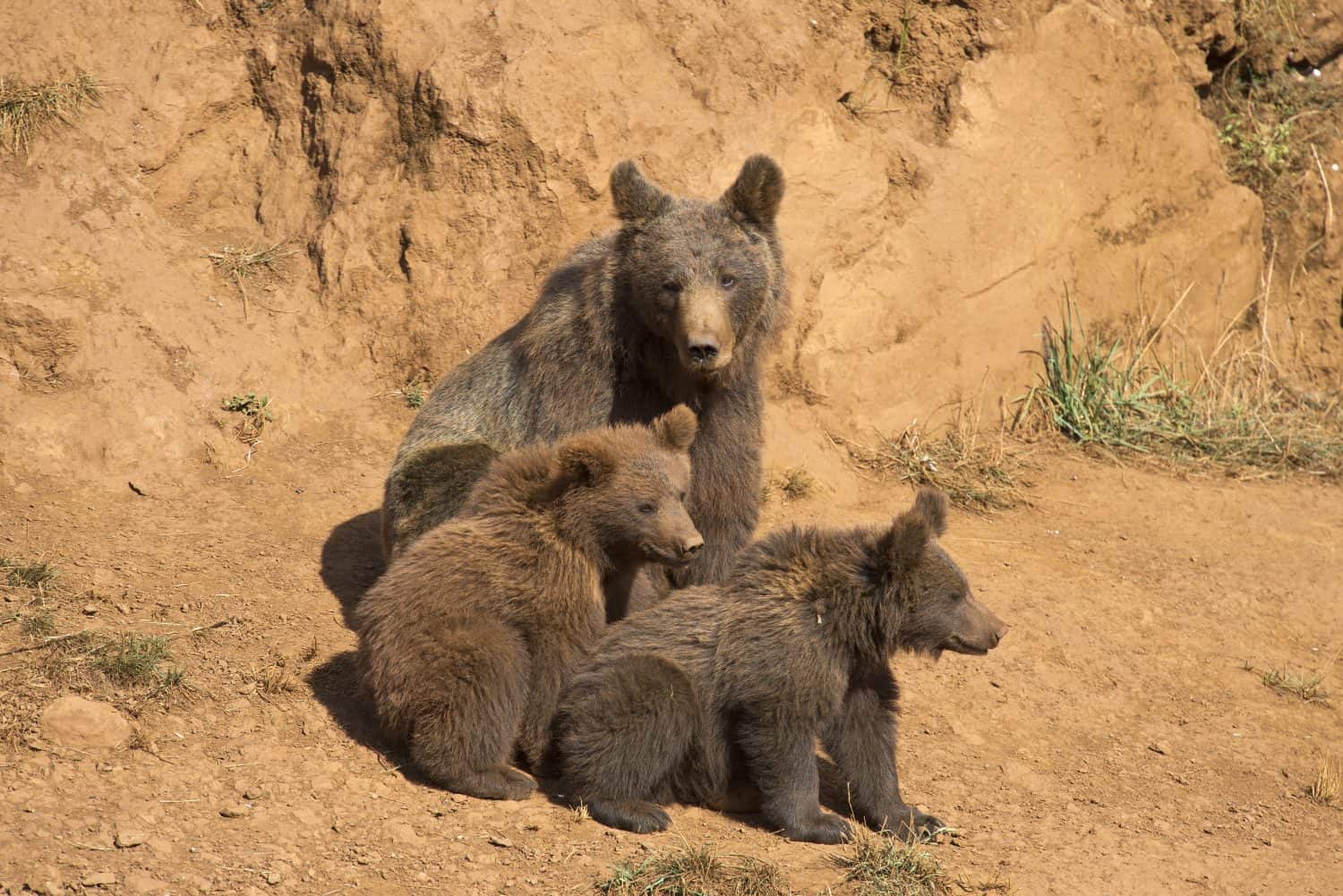
Brown bear populations bring in massive tourism dollars to the Cantabrian region.
©Angel Simon/Shutterstock.com
Brown bears deserve the opportunity to live in harmony with locals in the Cantabrian region because of the contributions the bears make. Financially, they are beneficial. Ecologically, they maintain their habitats by preventing boar and deer from becoming overpopulated. Brown bears contribute to biodiversity by spreading seeds that regenerate forests. There are many ecological and economic benefits associated with brown bears living in the Cantabrian Mountains.
With increased compensation for bear-related damage, continued efforts by local patrols to keep bears out of villages, and education on coexistence, the goal of changing the bears’ conservation status from endangered to vulnerable can be achieved. However, until villagers throughout the Cantabrian region agree that brown bears are worth protecting, achieving this goal will remain a challenge.