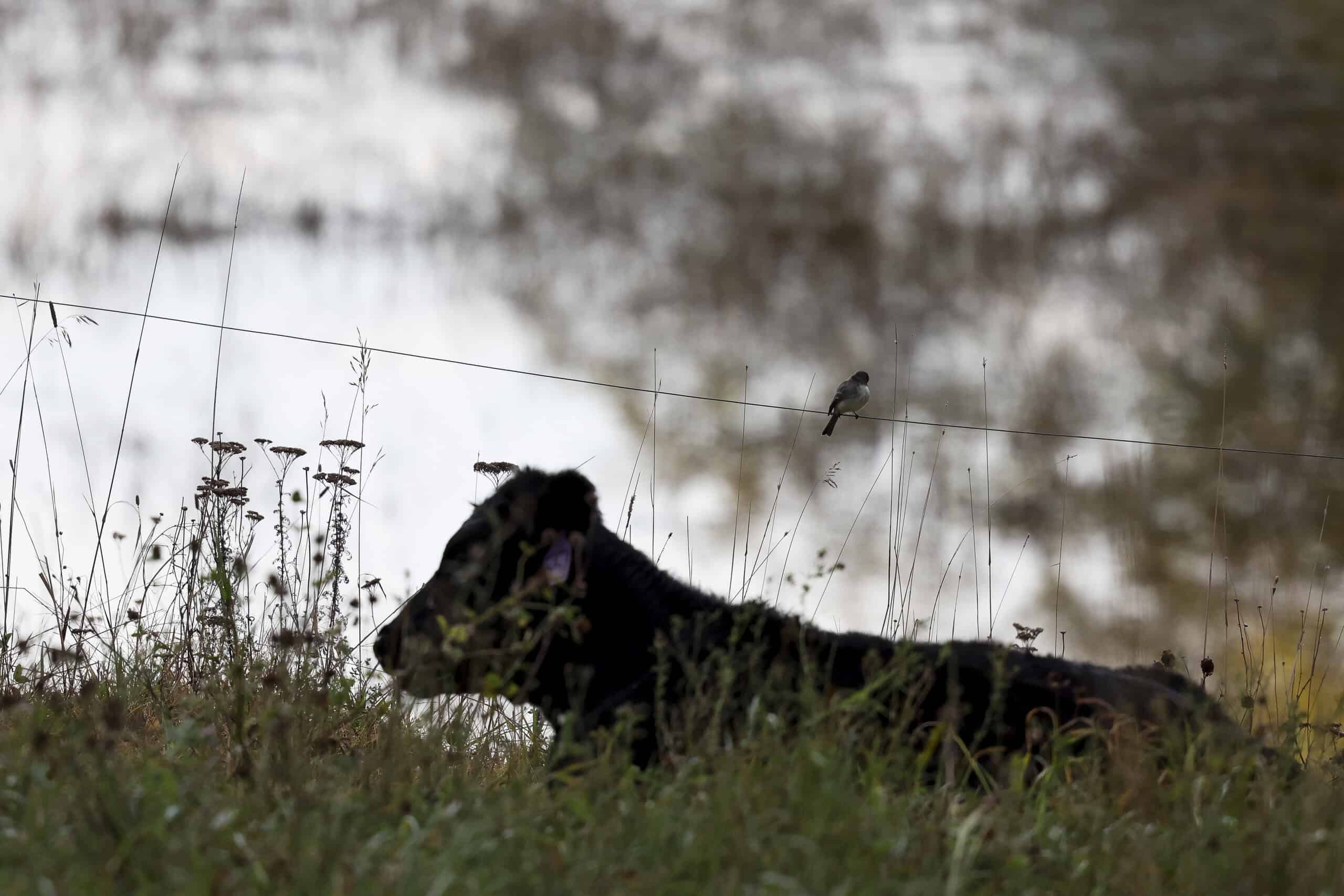

If you’ve ever driven through the vast fields of Minnesota, you might not picture them as havens for Bobolinks, Grasshopper Sparrows, or Dickcissels. But outside Clearwater, Minnesota, that’s exactly what you’ll find at Thousand Hills Lifetime Grazed, a family farm with a big mission: to prove that cattle ranching and bird conservation can thrive side by side.
This summer, this farm owned and operated by Matt Maier became the first in Minnesota to earn Audubon’s Certified Bird-Friendly Land designation, a rigorous recognition that highlights regenerative ranching practices designed to restore habitat, improve soil health, and bring life back to the land.
For Matt, the designation is both personal and professional validation. “I grew up with a connection to the land and a belief that agriculture should work with nature, not against it,” he says. “Professionally, it validates the regenerative practices we’ve invested in for over two decades. Being the first Audubon Certified Bird-Friendly farm or ranch in Minnesota is more than a title; it’s a reflection of how we care for every acre and every life it supports, from the cattle to the Grasshopper Sparrows in our pastures.”
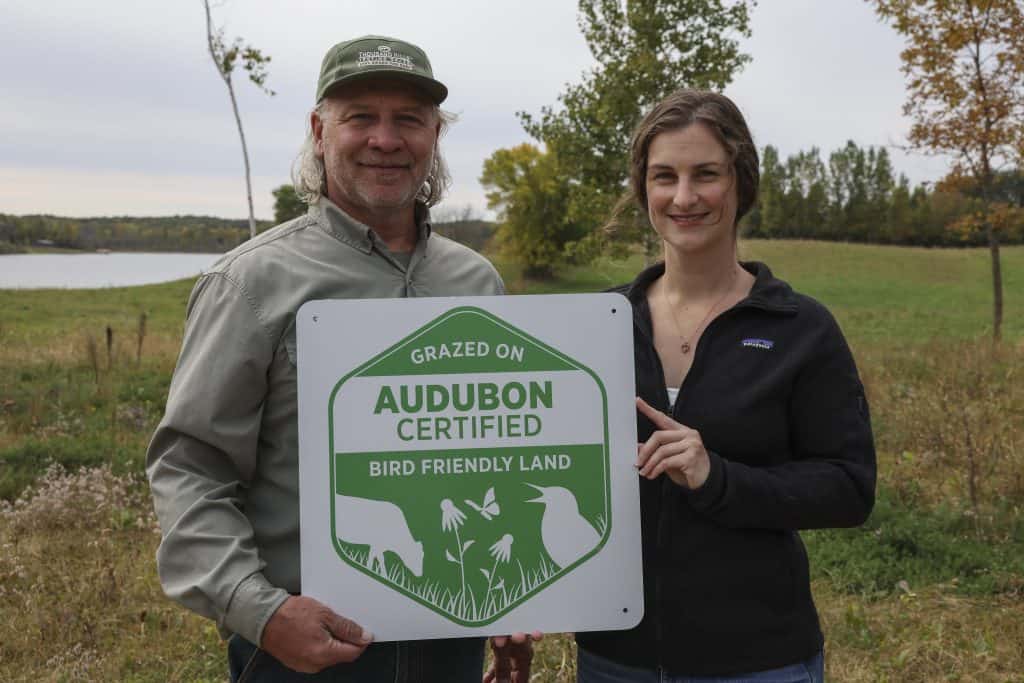
Matt Maier of Thousand Hills Lifetime Grazed and Audubon ecologist Krysten Zummo share a proud moment as the grass-fed beef company earns its Audubon-Certified bird-friendly seal at the Maier ranch near Clearwater, Minnesota.
©Ellen Schmidt
What It Takes to Be Bird-Friendly
The certification isn’t something you can earn overnight. It starts with a Habitat Management Plan tailored to each farm’s landscape. At Thousand Hills, that meant working with Audubon’s ecologists to assess plant diversity, design rotational grazing schedules, and map out strategies for creating the mosaic of grasses and forbs that grassland birds need to survive.
“The Audubon certification process is rigorous, which we appreciated,” Matt explains. “It starts with a Habitat Management Plan tailored to our land — evaluating plant diversity, rotational grazing, and bird habitat for priority grassland species. We worked closely with Audubon’s range ecologists to assess our pastures, implement bird-friendly grazing schedules, and document our regenerative outcomes. It also includes ongoing monitoring. This isn’t a one-and-done checklist. It’s a commitment to continuous improvement.”
Unlike other sustainability labels that emphasize a checklist of standards, the Audubon program is deeply tied to the broader mission of the National Audubon Society. Its focus is clear: protect birds and the ecosystems they depend on.
I grew up with a connection to the land and a belief that agriculture should work with nature, not against it.
Matt Maier, Thousand Hills Lifetime Grazed
Matt puts it bluntly. “What makes the Audubon certification unique is that it’s rooted in a national conservation organization. This isn’t just another food label; it’s part of Audubon’s broader mission to protect birds and the ecosystems they depend on. You know, we’ve lost more than 3 billion birds in the last half century, and grassland birds are the group that’s had it worst of all. The Audubon Conservation Ranching program isn’t about handing out a checklist of rigid requirements; it’s about partnering with ranchers to implement conservation practices that restore habitat and biodiversity. That flexibility, guided by science and tailored to each region’s landscape, is what sets it apart.”
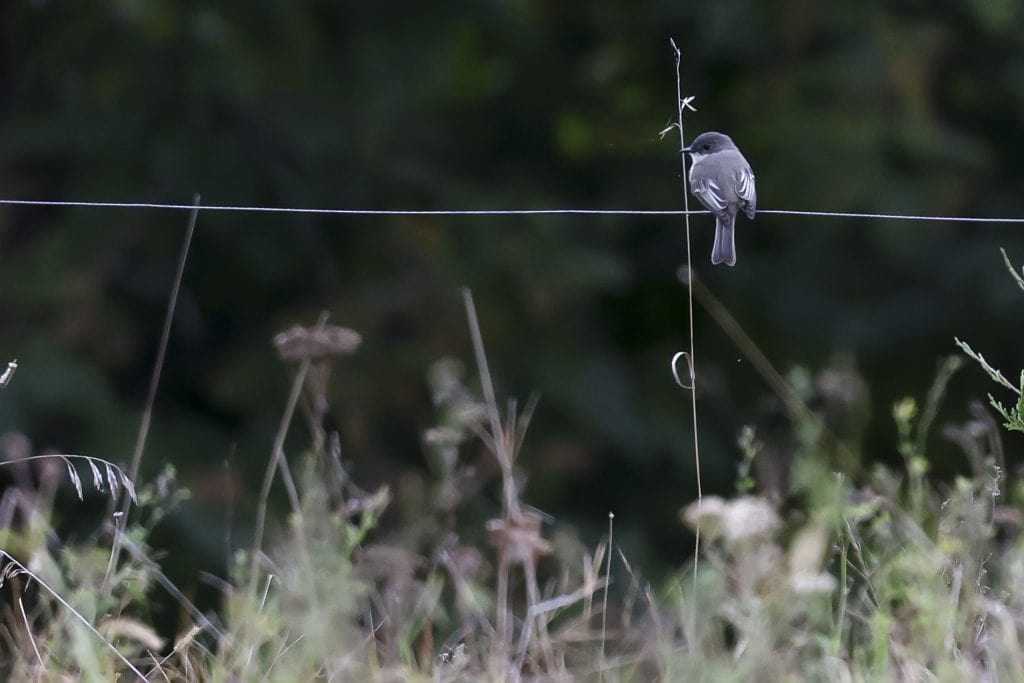
An Eastern Phoebe strikes a pose atop a pasture divider at Thousand Hills Lifetime Grazed’s home ranch.
©Ellen Schmidt
Why Cattle Are Key
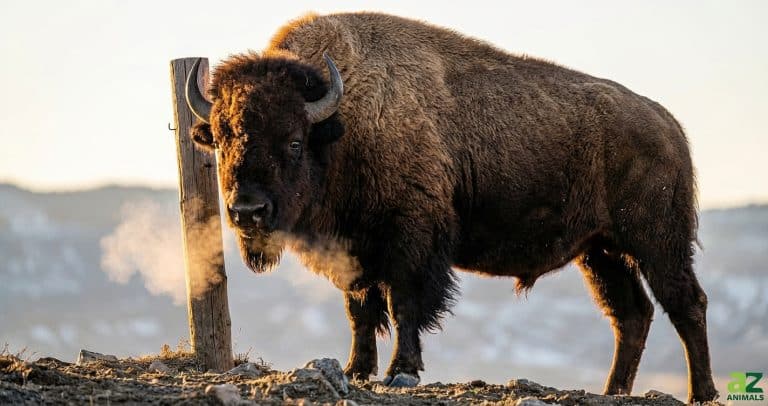
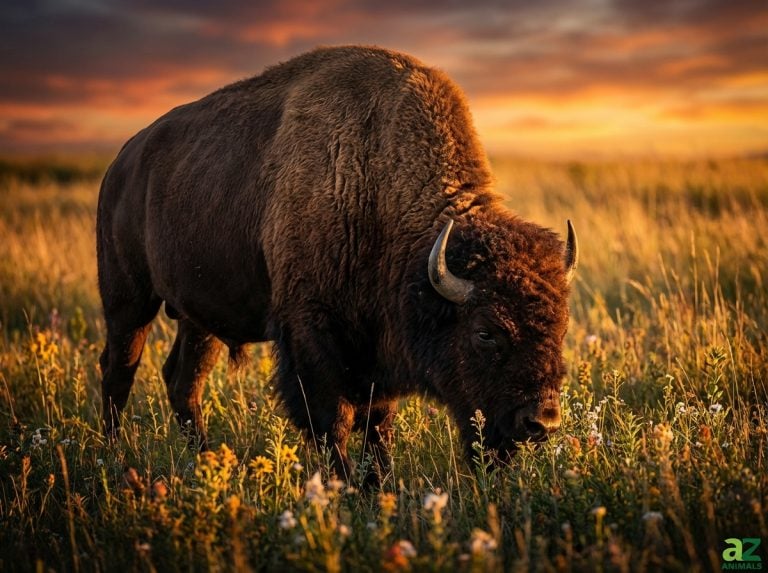
It might seem counterintuitive to credit cows with helping birds, but at Thousand Hills, the cattle are essential partners. Managed correctly, they mimic the role once played by wild bison herds on the prairie.
“When managed correctly (rotated frequently without over-grazing and given long rest periods), cattle help mimic the natural disturbance that prairie ecosystems evolved with,” says Matt. “It’s a win-win. Their grazing regenerates soil, stimulates diverse plant growth, recycles nutrients, and maintains an open grassland structure that many bird species rely on.”
That’s where Thousand Hills’ 180 different pasture paddocks come in. Cattle are moved regularly, leaving behind a patchwork of regrowth that creates cover, food, and nesting space for birds.
“Our system allows us to rest each pasture for months, sometimes an entire season,” Maier explains. “For the cattle, it’s low stress and means fresh, nutritious forage every time they move. Cattle play a pretty darn good stand-in for what herds of wild bison once did. Once the herd is moved away, the rest period allows deep-rooted native grasses to rebuild. Those 180 paddocks become a patchwork of different kinds and heights of grasses, legumes, and forbs, and that mosaic is what ultimately makes really great grassland bird habitat.”
The benefits extend beyond wildlife. “We’ve also learned that the more diverse the grassland grazed by cattle, the more nutrient-dense the beef becomes,” he adds.
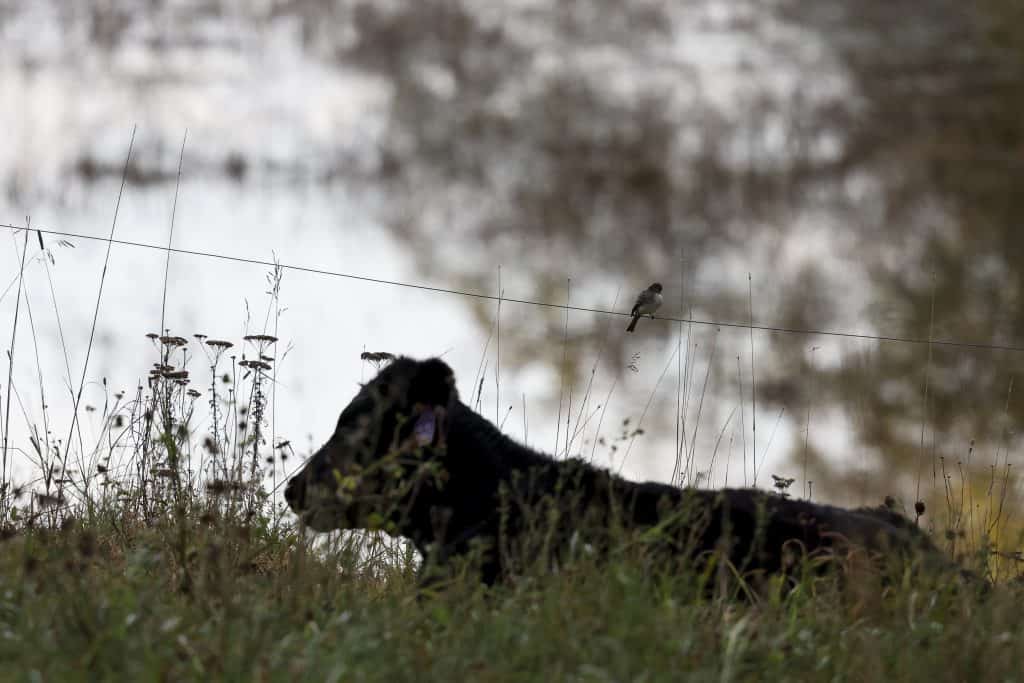
“Cattle are essential partners in this ecosystem,” Matt tells us. “It turns out the soil and plants need animal impact to thrive.”
©Ellen Schmidt
A Land That’s More Alive
Walking the pastures at Thousand Hills, you can see (and hear!) the results. Clear-running creeks, lightning bugs at dusk, a chorus of birdsong overhead.
“The land is visibly more alive,” Matt says. “We’ve seen increased plant diversity, healthier soils, and a resurgence of wildlife — bugs, frogs, pollinators, and especially birds. Without chemicals and topsoil running into them, our creeks flow clear. What we’re doing isn’t theoretical; it’s observable. When you let nature lead, it heals faster than most people think.”
The proof is in the bird surveys, which have recorded Bobolinks, Dickcissels, Grasshopper Sparrows, and other priority species. For Matt, those sightings are deeply rewarding.
“When you hear a Bobolink’s ‘R2-D2’ call from a restored prairie pasture that not too long ago was a lifeless monoculture cornfield, it reinforces that we’re doing something right,” he tells us. “It’s not just about beef. It’s about bringing life back to the land.”
The Seal on the Package
Soon, Thousand Hills products sold in more than 2,500 retail locations nationwide will carry the Audubon Certified Bird-Friendly seal, a symbol Matt hopes will resonate with consumers.
“We hope it creates a moment of conservation connection,” he says. “When someone sees the seal, they’ll know this beef comes from land that’s managed to restore, not reduce. It’s a way to vote with your food dollars for healthy soil, thriving bird populations, and all the benefits of regenerative agriculture.”
Every purchase becomes a small act of conservation. Or, as Matt frames it, “Every food choice is a land-use decision. When you buy bird-friendly beef, you’re not just choosing a burger or a steak; you’re choosing to keep grasslands intact, to protect species on the brink, and to support ranchers who are rebuilding soil and habitat with every rotation. That’s powerful. Your plate has more impact on the prairie than you think.”
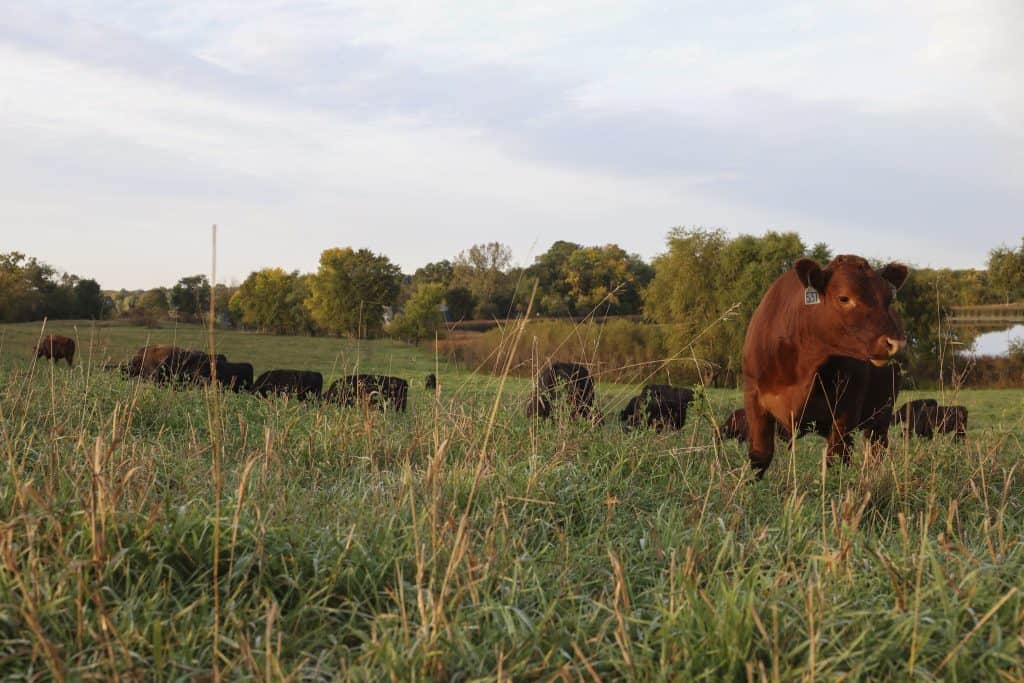
“There’s a learning curve with adaptive grazing and coordinating with conservation partners,” explains Matt, “but honestly, the rewards outweigh the trade-offs. And we get to witness the results daily with our own eyes.”
©Ellen Schmidt
Challenges and Partnerships
Of course, transforming land and practices isn’t without its challenges. For Matt, the biggest hurdles are patience and perspective.
“Regenerative systems don’t follow conventional timelines — you’re not just managing for the next quarter; you’re managing for the next generation,” he says.
We hope it creates a moment of conservation connection,” he says. “When someone sees the seal, they’ll know this beef comes from land that’s managed to restore, not reduce.
Matt Maier
But he emphasizes that the rewards far outweigh the frustrations. And he’s not doing it alone. Thousand Hills works with 14 independent family-owned ranches across the Midwest and Great Plains. Together, they form a network Matt affectionately calls the “Regenerative Renegades.”
“Regeneration doesn’t scale through one ranch. It scales through partnership,” he says. “Our partner ranches share our values and collectively steward thousands of acres. We connect through our market, but also through our shared passions for regenerative agriculture.”
Leading a New Model for Ranching
In many ways, Audubon’s recognition represents more than a seal or certification. It’s a new way of thinking about agriculture’s role in conservation.
“Audubon’s Bird-Friendly Land certification shows that conservation and agriculture can not only coexist, they can thrive together,” Matt says. “We’re proving that ranchers can be frontline conservationists and still run profitable operations. I hope it inspires more producers to explore regenerative practices and recognize their role in reversing bird and biodiversity loss.”
For a farmer who grew up with a strong connection to the land, that hope feels like a natural evolution. Thousand Hills may be the first in Minnesota to achieve the designation, but it likely won’t be the last. And that’s the point.