
Quick Take
- Scaling beyond 11 U.S. States is the primary achievement of the Mudanjiang City Mega Farm.
- Supporting 230,000 cows at China Modern Dairy creates massive logistical constraints for the Anhui facility.
- Australia dominates global rankings by housing 3 of the 5 largest agricultural operations.
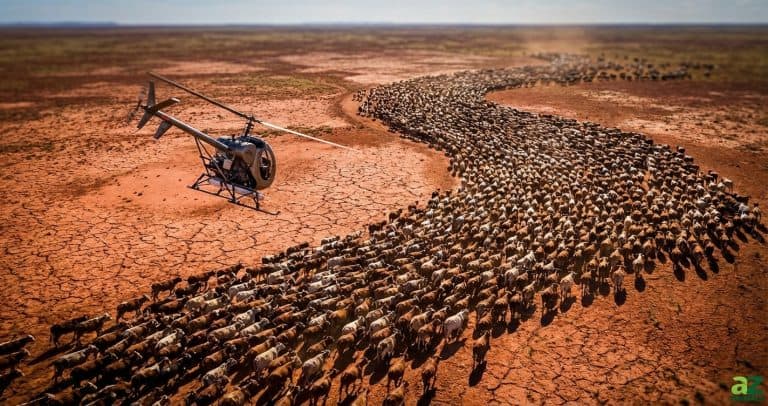
- Mustering livestock in South Australia is necessary to manage the 6 million acres of Anna Creek.
The world’s largest farms are primarily found in China and Australia, but they operate very differently. While some focus on vast crop production, the record-holders are almost exclusively dedicated to livestock — specifically cattle and dairy.

What Is the World’s Largest Farm?
The answer depends on how you measure “size”: by cow population or by land area.
The Giant of Production: Mudanjiang City Mega Farm (China)
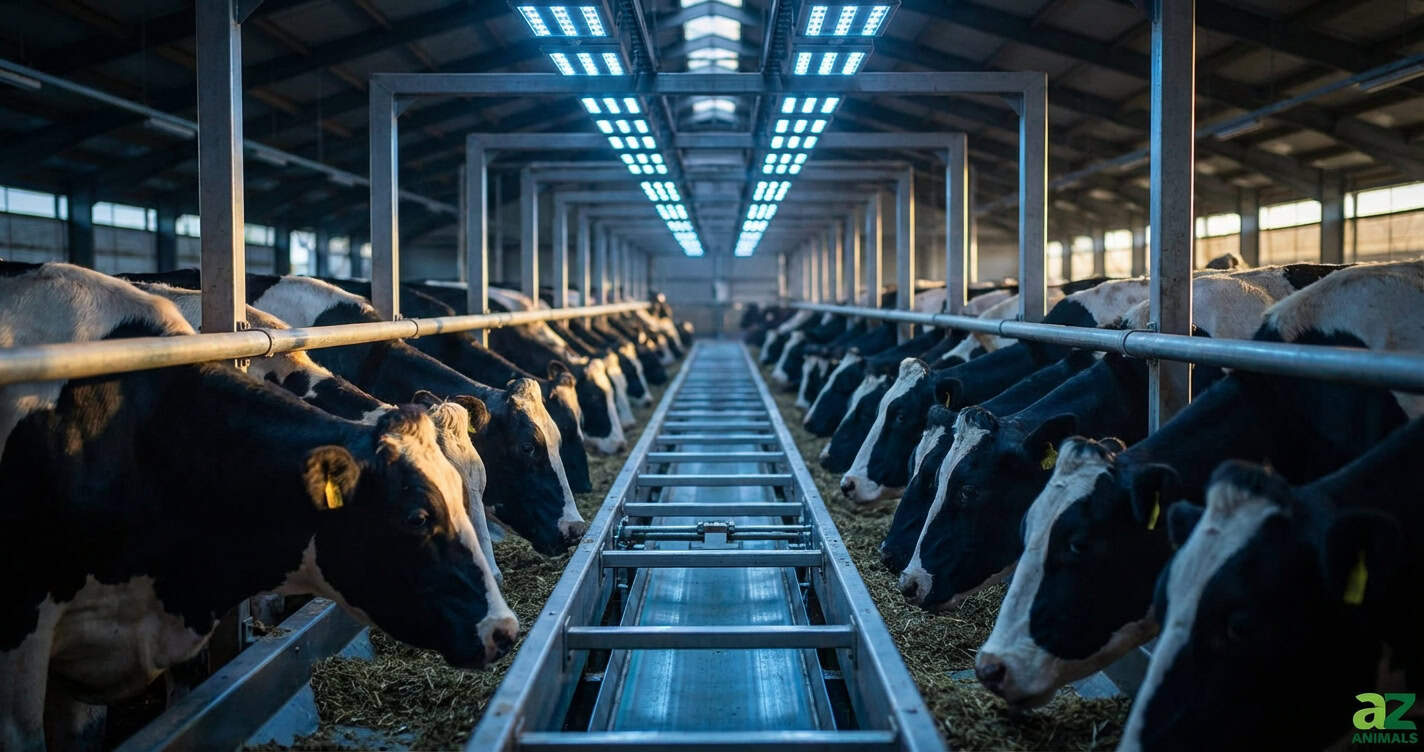
Located in Heilongjiang, China, the Mudanjiang City Mega Farm is the world’s largest dairy facility. Constructed in 2015 to supply the Russian market, it houses a staggering 100,000 dairy cows.
- The Myth: Many sources claim this farm covers 22.5 million acres (the size of Portugal).
- The Fact: The 22.5 million acres refers to the total administrative area of Mudanjiang City itself. The farm is a “mega-dairy”—a high-tech, intensive facility where cows are housed in massive barns rather than grazing on open range. It produces roughly 800 million liters of milk annually.
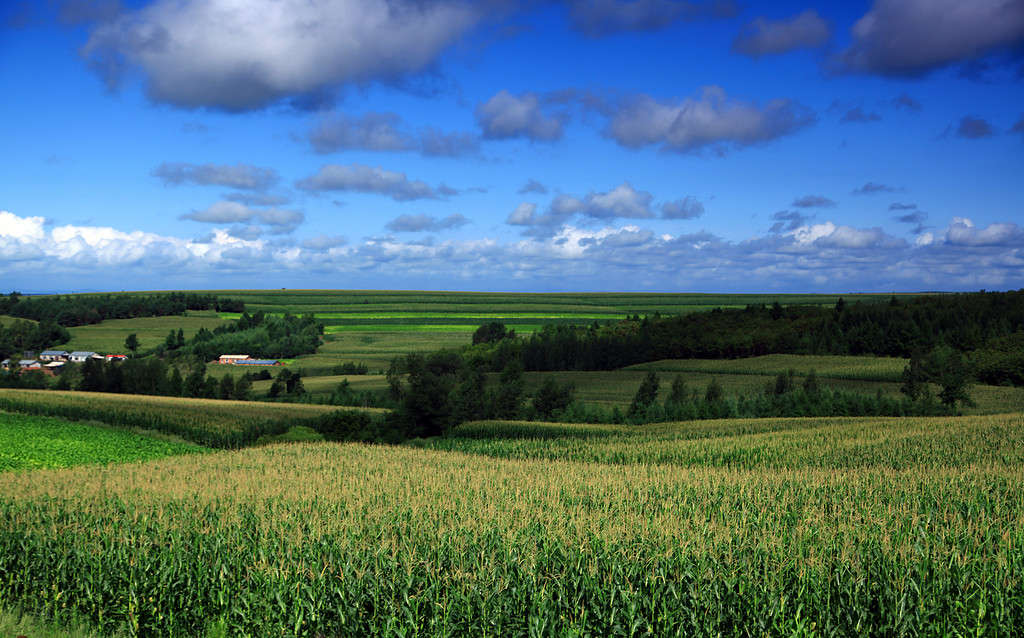
Mudanjiang City Mega Farm, the biggest farm in the world, is located in Heilongjiang Province, China.
©HelloRF Zcool/Shutterstock.com
Watch Our YouTube Video on This Amazing Farm
Other Large Farms in the World
As impressive as the Mudanjiang City Mega Farm is, there are other large farms in the world. For example, the second-largest farm, also in China, is China Modern Dairy. It’s located in Anhui, China, and has more than 230,000 dairy cows.
The third-largest farm in the world is Anna Creek, located in South Australia, Australia. Anna Creek is home to about 9,500 cattle. It also covers over 6 million acres of land.
Also in South Australia is the fourth-largest farm in the world, Clifton Hills. It covers about 4.2 million acres of land and has more than 14,000 cattle.
Last but not least, the fifth-largest farm in the world is Alexandria, which is 4 million acres, and is located in the northern territory of Australia. This cattle farm contains more than 55,000 cattle and is owned by the North Australian Pastoral Company.
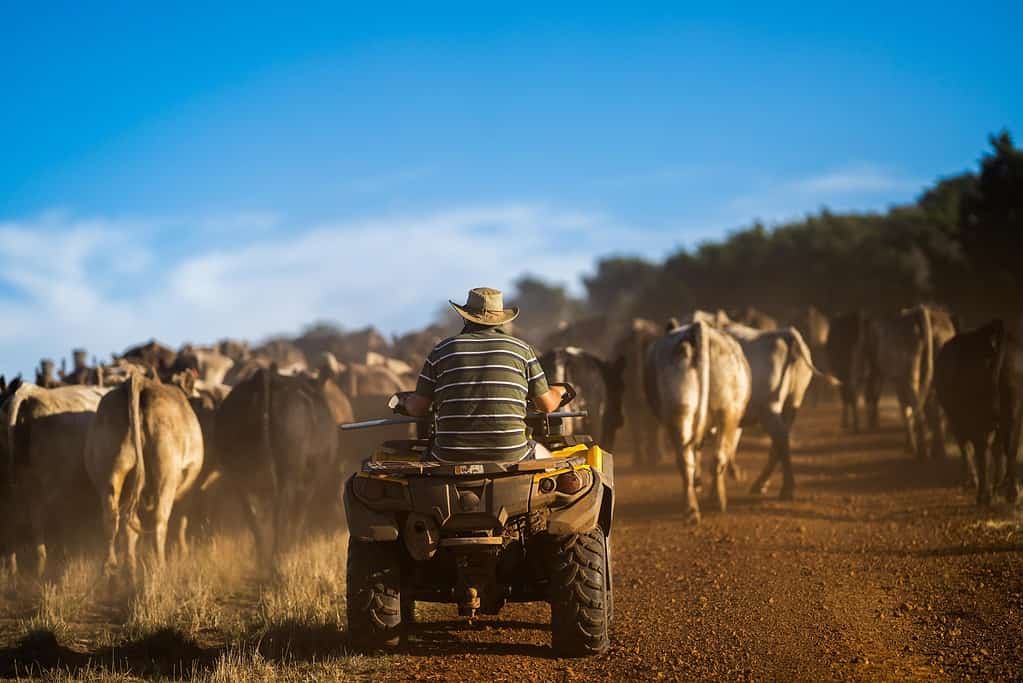
The world’s third-largest, fourth-largest and fifth-largest farms are in Australia.
©William Edge/Shutterstock.com
The Giant of Land: Anna Creek Station (Australia)
If you define “largest” by the amount of land owned, Australia holds the crown. Anna Creek Station in South Australia is the largest working cattle station in the world.
- Size: It covers roughly 5.8 million acres (about 9,000 square miles).
- Comparison: It is larger than the state of New Hampshire and nearly seven times the size of the largest ranch in the United States.
- Livestock: Despite its massive size, the arid climate means it carries only about 9,500 to 15,000 cattle, as they need vast spaces to find enough feed.
Other Massive Holdings in Australia
Australia’s “Outback” is home to several other properties that dwarf entire countries:
- Clifton Hills (South Australia): Spanning 4.2 million acres, this station utilizes the Diamantina River floodplains to fatten cattle.
- Alexandria (Northern Territory): At 4 million acres, it is home to over 55,000 cattle and is owned by the North Australian Pastoral Company.
The Largest Ranch in the United States: King Ranch
In the U.S., the title of the largest ranch belongs to King Ranch in southeastern Texas.
- Operations: Today, it is a diversified giant, involved in cattle ranching, luxury retail, and large-scale farming of cotton, citrus, and sugar cane.
- Size: It covers approximately 825,000 acres, making it larger than the state of Rhode Island.
- History: Founded in 1853 by Richard King, it is a National Historic Landmark and the birthplace of the Santa Gertrudis cattle breed.

King Ranch is the largest ranch in the U.S. and covers more land than the state of Rhode Island.
©Darryn Rose / CC BY-SA 4.0, via Wikimedia Commons – Original / License
Common Farm Animals and Their Roles
Whether on a massive Australian station or a small local farm, three animals remain the backbone of global agriculture:
Chickens
The most common farm animal worldwide. They are highly efficient, requiring very little land compared to cattle.
- Layers vs. Broilers: Farmers raise “layers” for eggs and “broilers” for meat.
- Terminology: You’ll often see “Free-range” (roaming outdoors during the day) or “Organic” (fed a specific pesticide-free diet) on labels.
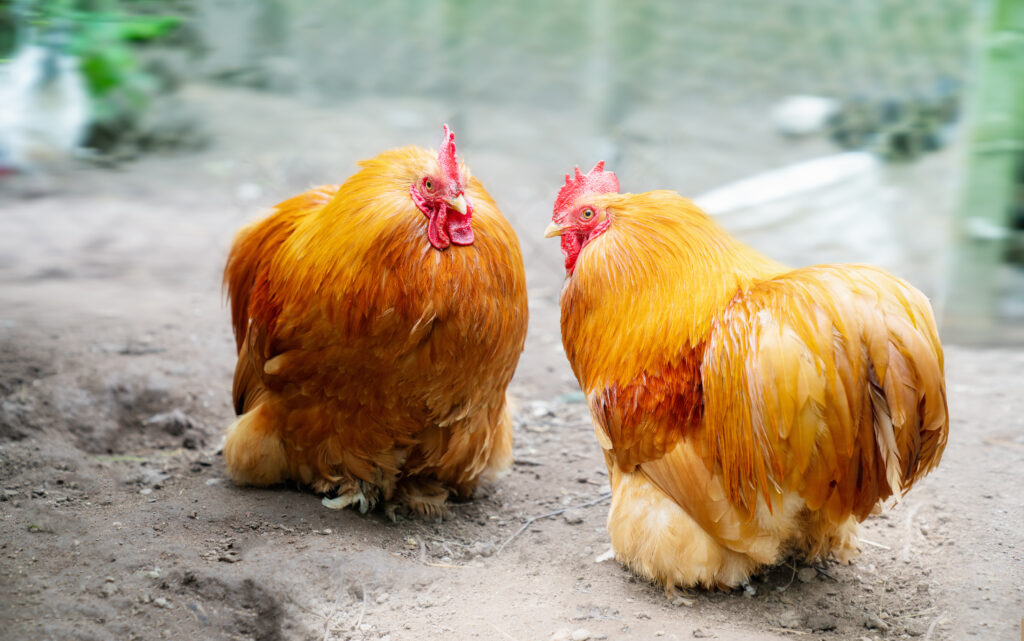
Chickens are popular throughout the world for their eggs and meat.
©Algirdas Gelazius/Shutterstock.com
Cows
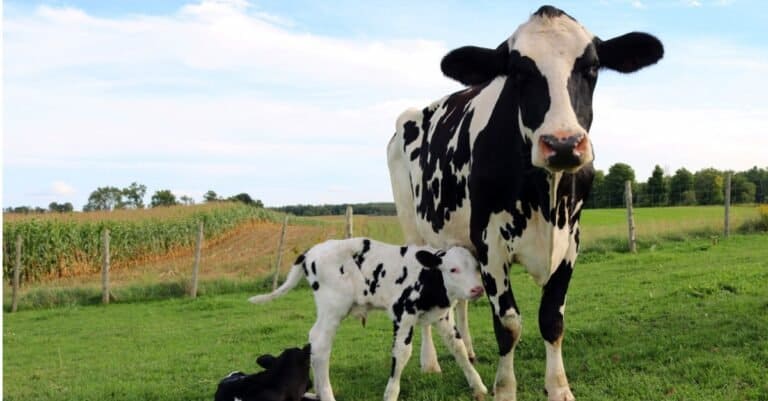
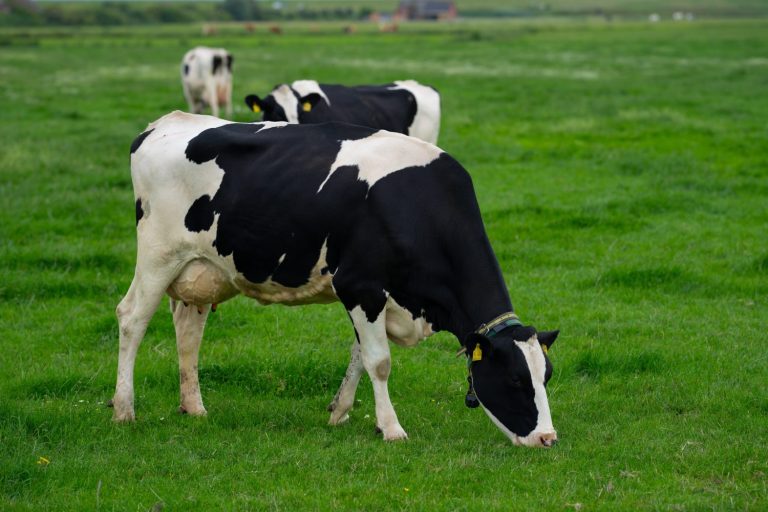
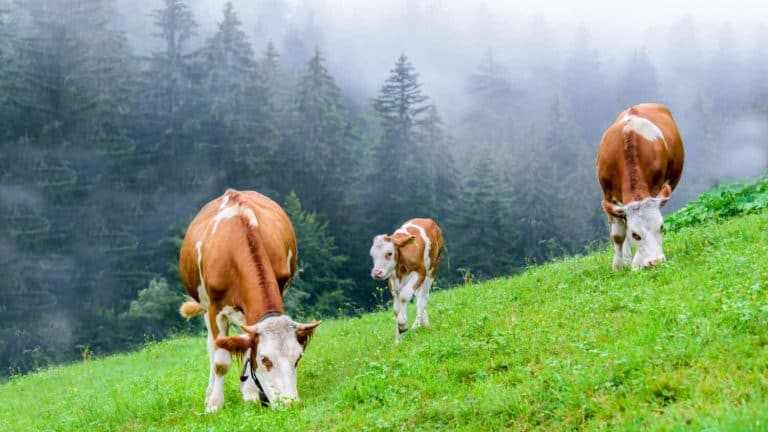
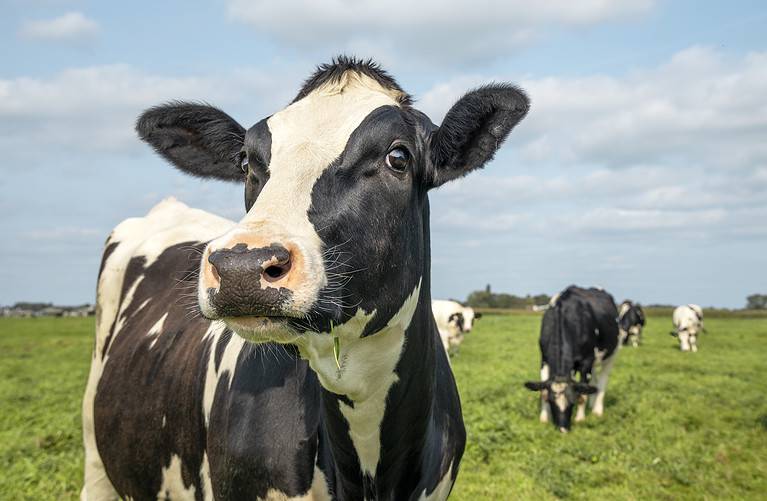
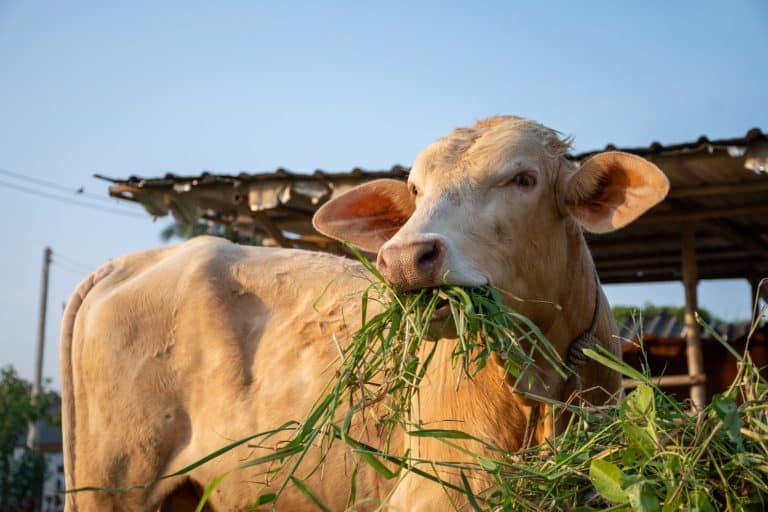
Dairy cows are the focus of the world’s largest facilities.
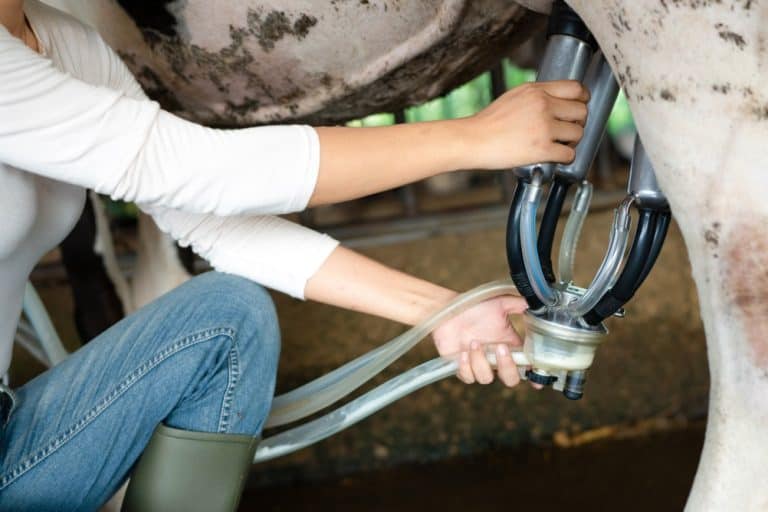
- Production: A high-performing dairy cow produces 6 to 8 gallons of milk every day and usually needs to be milked 2–3 times daily to maintain health.
- Diversity: There are over 250 recognized breeds, from the classic black-and-white Holsteins to hardy Angus beef cattle.
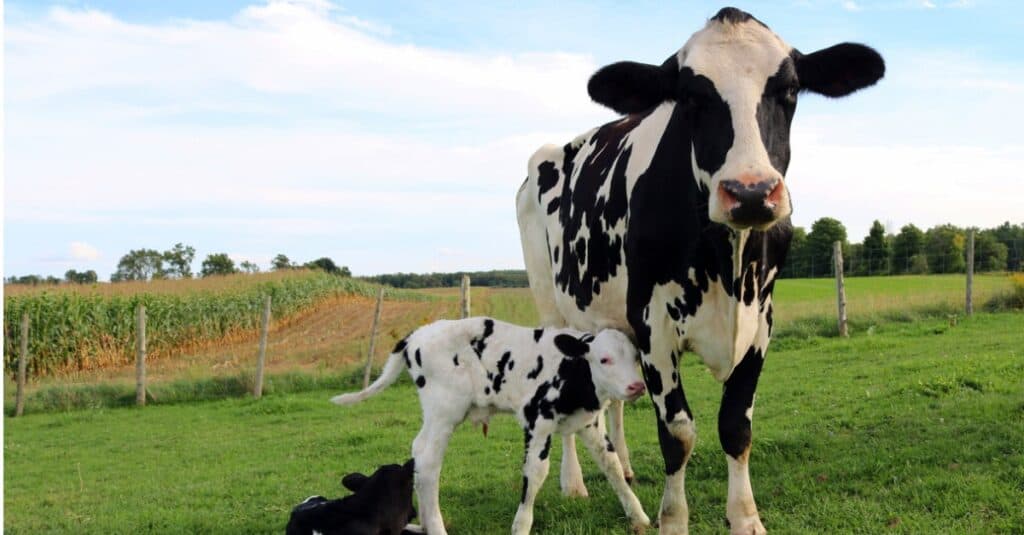
Dairy cows produce about 6 to 8 gallons of milk every day.
©iStock.com/Diane Kuhl
Goats
Goats are versatile “triple-threat” animals, providing milk, meat, and fiber (like mohair).
- Products: While goat milk accounts for only 2% of the world’s supply, it is a staple in many cultures and is prized for being naturally homogenized and easy to turn into artisanal cheeses.
- Efficiency: They are herbivores that can thrive on land too rocky or steep for cows.
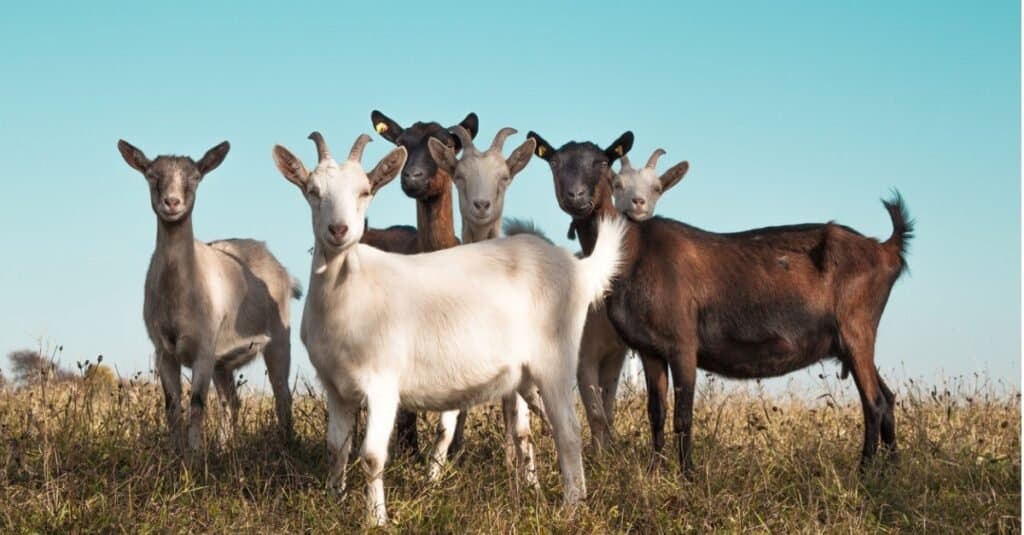
Goats are versatile animals that can provide milk, meat, and weed control.
©iStock.com/aurorat