
Quick Take
- March is a popular month for many raptors to migrate, with some species covering up to 2,700 miles in 13 days.
- Hawks and raptors use midday thermals to push themselves higher into the sky, using less energy overall.
- There are many signs birdwatchers can use to properly identify a species of raptor, including the birds’ silhouette and pattern of flight.
- Certain parks and observatories along the East Coast remain extremely popular and promising for witnessing this breathtaking migration.
During the month of March, there is enough of a migration occurring across the US to turn certain ridges, lakes, headlands, and coastal peninsulas into moving corridors of hawks, eagles, falcons, and other birds of prey. Why are certain locations preferred by raptors, and where should you go to view their beautiful March movement?
Many migrating raptors are built to save energy, which is why they rely so heavily on thermals and wind-driven updrafts along slopes and bluffs, gliding from one pocket of lift to the next. Some locations are better than others for this viewing, especially if you’re hoping to see multiple raptor species. Today, we’re giving you everything you need to know about the great hawk migrations happening now, including how to best spot them and what you’ll likely end up seeing.
We’ve gathered sources from raptor biologists and official Audubon pages to give you all the details you need. Knowing what to look for and where to go helps make this migration a satisfying experience for any birdwatcher, even novices trying this hobby out for the first time. Let’s take to the skies and discuss why March is ideal for watching multiple unique species of raptors.
Why Raptors Funnel Along Ridges and Coastlines During March
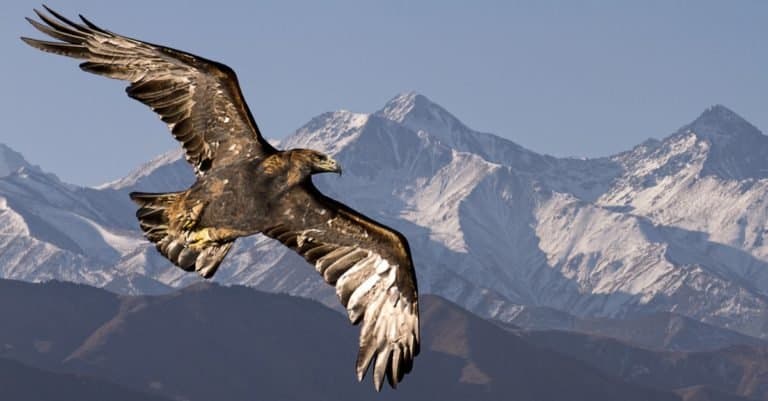
Soaring raptors are soaring for a reason: they want free help from the atmosphere and its shifting winds. Over land, sunlight heats the ground and creates thermals, which are columns of warm rising air that let birds travel upward with almost no flapping needed. Over ridges, wind pushed against a slope creates orographic lift—an upward force that birds can use to gain altitude without expending much energy.
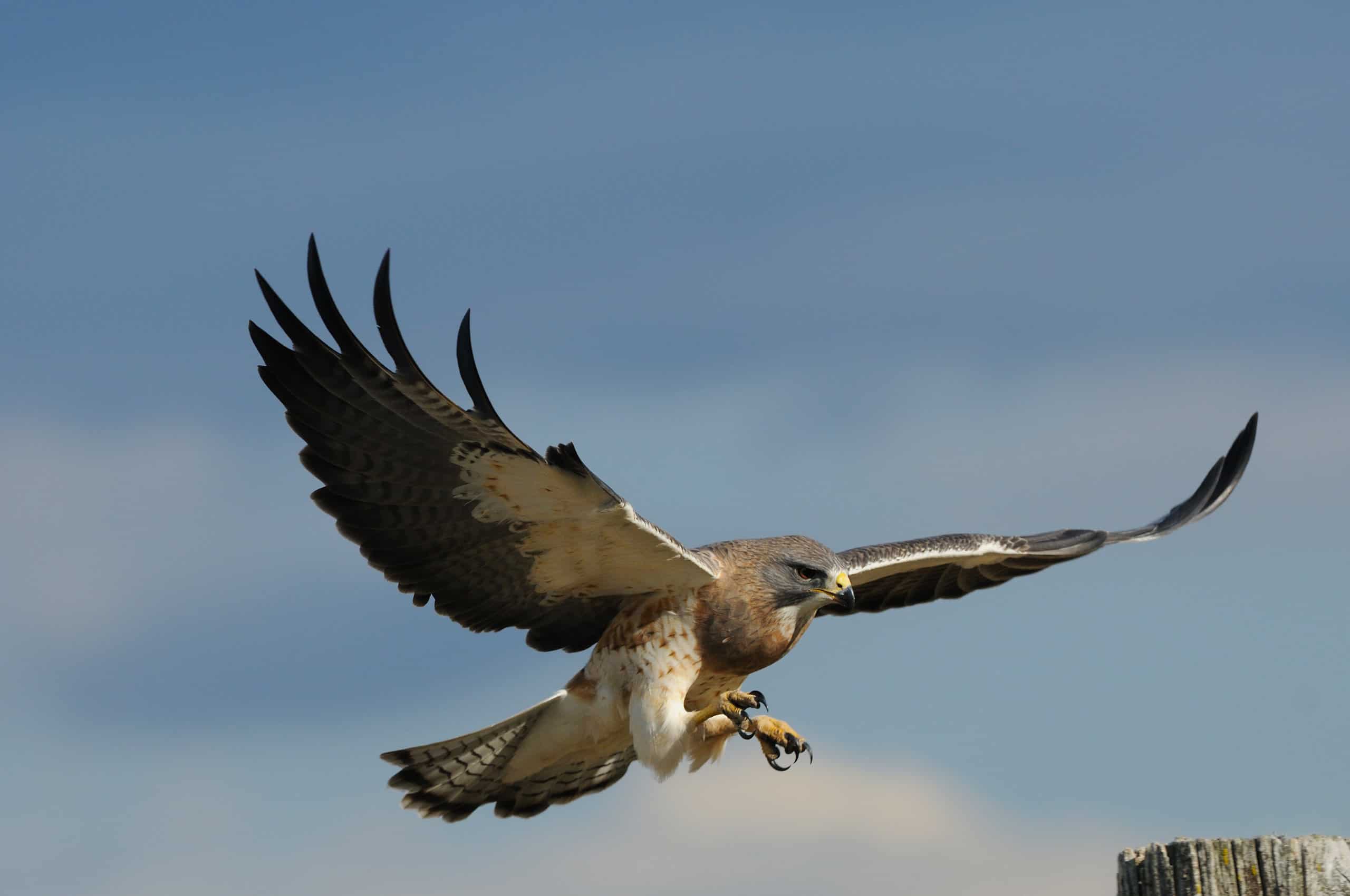
Many hawks and raptors migrate during the month of March as the weather warms and winds are easier to take advantage of.
©Sanket C Bokil/Shutterstock.com
In Cornell’s raptor migration discussion, it explains that many hawks migrate along mountain ridges because favorable wind creates that upward push, but large water bodies disrupt this pattern given the fact that thermals do not form over them. This is why shorelines create a different kind of concentration of raptors. Birds moving north eventually meet coastlines or the Great Lakes, places that they do not want to cross directly, at least not in the same energy-saving way they can travel over land.
Derby Hill Bird Observatory explains it best: Hawks do not like to fly over water because there are no thermals there, so many birds moving north around the Great Lakes bunch up along the lake’s corners, giving spring watchers the opportunity to see concentrated flights in more predictable locations.
How March Weather Shapes Raptor Migration Habits
March migration for any migrating species, even beyond birds, greatly depends on the weather. A warm, sunny day can generate thermals that help these soaring birds climb. However, a bad stretch of rain, fog, unseasonable snow, or hard opposing wind can make forward progress difficult, or even bottleneck birds until conditions improve. Favorable spring flights for raptors in most states often accompany moderate southerly winds, mixed sun and cloud, warming temperatures, and little to no precipitation.
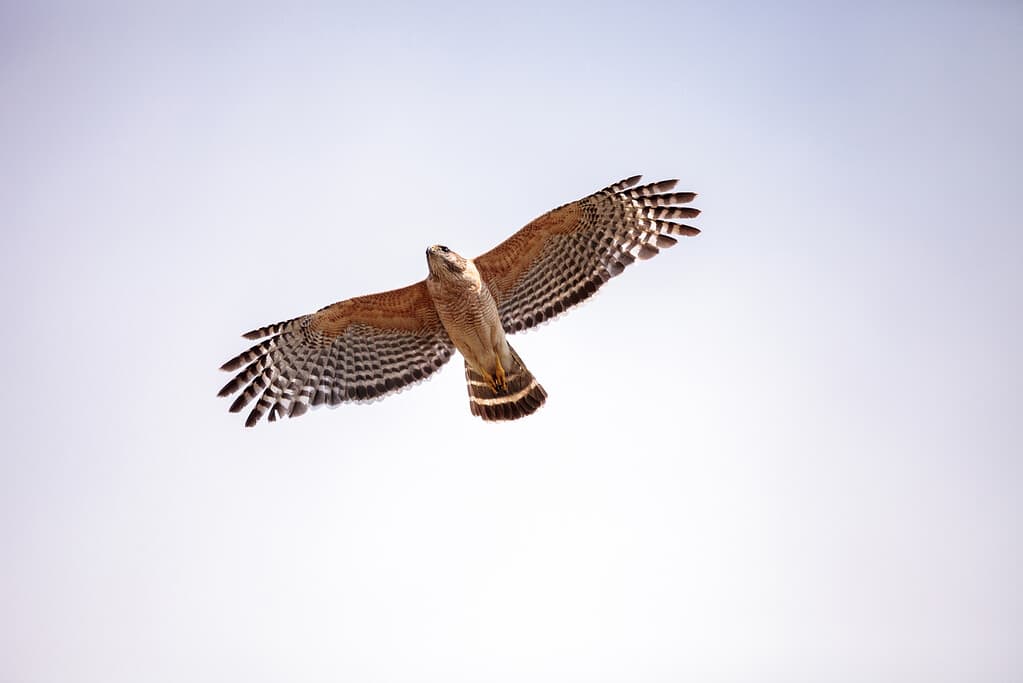
Wind and thermals are vital for raptors to cover the long distances required during migration.
©LagunaticPhoto/iStock via Getty Images
Wind direction also changes how birds appear to viewers watching from the ground. For example, moderate to strong southeast winds can bring hawks low enough to pass at eye level, while different wind setups favor one lookout over another. Thermals can also get strongest during midday in some locations, which can push birds higher up into the sky. This means that plenty of birds will be on the move, but not as many will be ideal for close-up viewing opportunities.
In an Audubon interview, Laurie Goodrich notes that major eastern flights are often associated with fronts that concentrate birds along certain corridors. That is part of why March can have some ideal viewing areas, while others remain barren. The birds are still traveling, but the visibility for birdwatchers often depends on a distinct overlap of migration timing, wind, temperature, and sky conditions.
Now, which birds of prey are you most likely to see, especially if you’re in a preferred travel corridor for these species? Let’s take a closer look now.
The Raptor Species You’re Most Likely to See in March
To begin, ospreys are one of the easiest March raptors to spot, with many wintering in Central and South America. They travel extensively, with one bird tracked from Massachusetts to French Guiana, covering 2,700 miles in 13 days. They are also visually distinctive, with long, bent wings and an obvious connection to water that makes them especially visible along coasts, estuaries, reservoirs, and lakes.
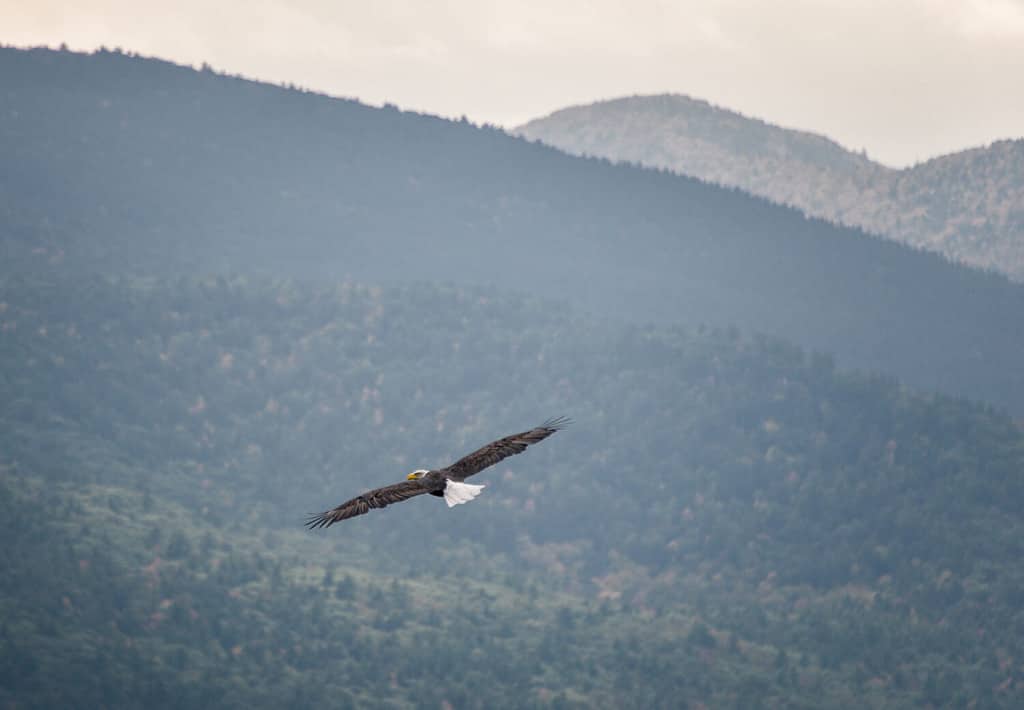
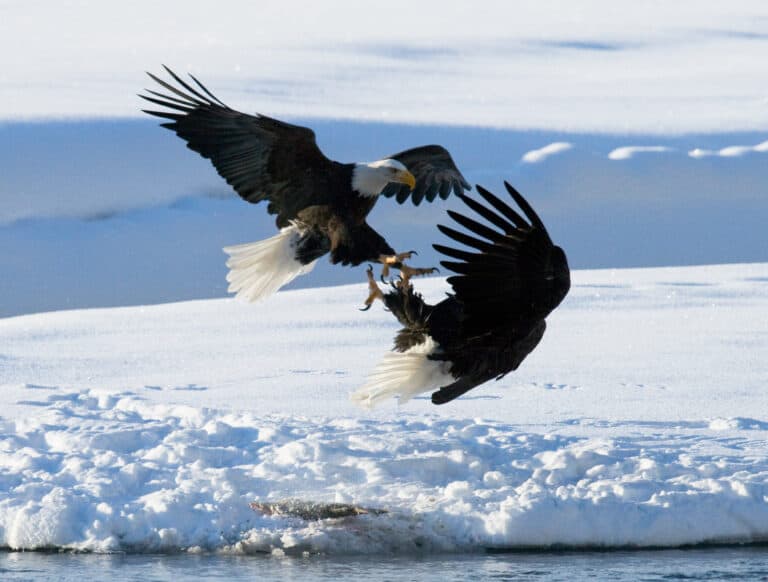
One of the most recognizable birds you’re likely to see during this month is the bald eagle.
©majicphotos/Shutterstock.com
Bald eagles are another reliable March bird to spot at many spring sites, partly because they move through a long seasonal window and remain easily recognizable. They can be seen throughout March through May, with recent counts at Hawk Mountain showing that they remain a major part of the migrating species at this location.
There are multiple hawk species making the trek, too. Northern harriers, red-shouldered hawks, red-tailed hawks, Cooper’s hawks, and sharp-shinned hawks may be some that you’ll see, though your timing will vary by latitude and site. For example, many red-shouldered hawks pass through in the second half of March, while broad-winged hawks and many ospreys are weighted more toward the second half of April and early May.
Wherever broad-winged hawks happen to appear, they are always worth the wait. They tend to travel in flocks ranging from several birds to thousands, and utilize fascinating migration spirals that can’t be missed, becoming a signature migrating species at the right sites.
Hawk Watching 101: Using Kettles, Glides, and Silhouettes For Identification
If you’re new to birdwatching and proper identification, March hawk watching gets easier when you understand flock behavior and body structures. In that same interview mentioned above, Goodrich said hawkwatch identification is all about body proportions or shape, as well as flight behavior, but how can you learn to tell the difference between species?

A group of hawks is called a kettle, and kettling is a way for these groups to easily travel.
©aDam Wildlife/Shutterstock.com
Kettling is one of the easiest behaviors to recognize: a kettle is a group of soaring birds circling in a thermal to gain altitude before peeling off and gliding onward. Broad-winged hawks often migrate this way, and flocking helps them locate thermals or mountain updrafts more efficiently. When you see birds rising in a tightening spiral rather than simply passing in a straight line, that’s a prime example of kettling.
Silhouettes are your best bet if you’re hoping to see a specific species of raptor. Ospreys often have a gull-like profile, with long wings and a narrower body. Meanwhile, harriers have a slightly tilted way of flying, whereas buteos tend to look broader-winged and more compact, especially when circling. Falcons live up to their speedy reputations, maintaining a faster flight pattern and sleeker silhouette compared to all other species.
When in doubt, many state parks and wildlife centers offer interpretive guides or expert advice to help you understand what you’re seeing. Here are some locations that may offer this and seem to offer reliable migration viewing year after year.
Practical Tips For Identifying Raptors
There are many ways you can more easily identify raptors and migrating hawks. Pick a fixed portion of sky above a ridge shoulder, bluff, lake edge, or headland and scan it, watching for movement. If birds are kettling, stay with the column until the top birds begin to stream off in a certain direction; doing so often leads you to the next arriving group of raptors.

Seeking advice from more experienced birdwatchers is one of the fastest ways to learn.
©iStock.com/:Rawpixel
Additionally, using binoculars can be helpful, but only after you’ve spotted a bird with the naked eye. Sitting near experienced watchers and asking why they are calling a bird a certain species is also one of the quickest ways to learn. Mid-morning through early afternoon is often best for spotting birds, but pay attention to the forecast before making any trip if you can; windy days can greatly affect migration timings.
Where to Experience the Best March Hawk Watching
Depending on where you’re located, there are several locations that are best for seeing hawks as they migrate. The East Coast is best for viewing during the month of March, with a few parks and observatories offering you the strongest chances of catching sight of classic raptor behavior.
Cape May in New Jersey is fantastic for birdwatching in both spring and fall, with hawks regularly sighted from March through May. Given that hawks are reluctant to cross open water, they often follow the coast’s contours until they reach the Cape May area. The peninsula here is a good place to witness them from the ground, and a decent concentration of hawks utilizes this coast.

Lake Ontario offers some fantastic places for watching hawks in flight.
©Michael J. Eves/Shutterstock.com
On the southeastern corner of Lake Ontario in New York, Derby Hill Bird Observatory is one of the best spring hawkwatches in North America. An average of 40,000 raptors of 15 species are counted there each spring, and Onondaga Audubon notes that the season runs at the same time as the Cape May season.
Also in New York, Braddock Bay Raptor Research is another strong spring site, as the same lakes funnel birds right past it. Spring counts at Braddock Bay Raptor Research have been conducted since 1977, with migration occurring from March through May. However, the peak migration at this site generally occurs in late April, so the largest numbers of raptors are usually seen then rather than in March, so don’t fret if you think you’ve missed out on the March migration.
Hawk Mountain in Pennsylvania is one of the most well-known hawk watching sites, with its spring migration count beginning in April and peaking from late April into mid-May. The sanctuary is well-positioned for raptors to turn warm winds and the region’s topography into energy-saving lifts, with multiple birds gliding past in big numbers. It’s a must-visit location if you’re nearby!
Always Practice Safe Viewing Etiquette For Migrations
While exciting, raptor migrations are still wildlife activities, and these animals deserve your respect and safe behavior. Be sure to never post any locations of rare or sensitive species or nests, and never bait raptors in order to get a closer photo. No matter where you are, never crowd, pursue, or deliberately startle raptors, stay on roads and trails where they exist, and understand that the cumulative pressure of many people at one site can affect the birds’ routines. If a location is too crowded, it may be in the birds’ best interest that you return another day.
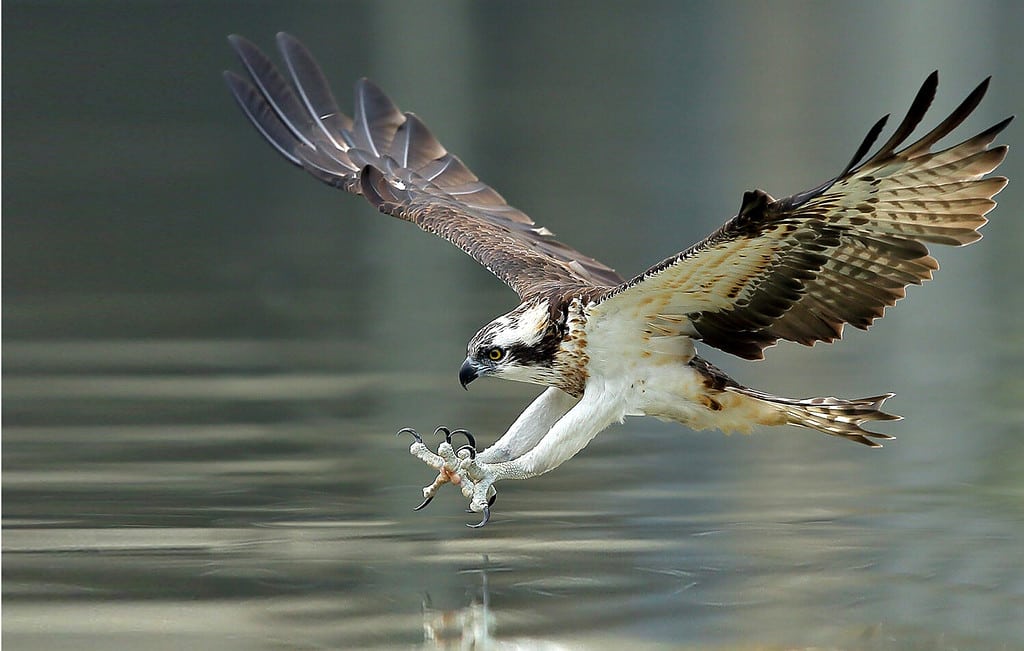
Remember to always protect wildlife when viewing them, especially raptors during their migrations.
©Wang LiQiang/Shutterstock.com
The best March migration event is the chance to connect with birds fully in their element, in beautiful, intricate flight. This breathtaking time of year is worth seeing, so long as you do so with the protection of these creatures in mind at all times.