
Quick Take
- Juvenile smalltooth sawfish have returned to a historic nursery in Florida’s Saint Lucie River after decades of absence.
- Acoustic tracking shows they stay within a very small, consistent habitat area that supports early growth.
- Specific conditions like salinity, temperature, and mangrove cover are critical to their survival.
- This rediscovery signals cautious recovery but highlights ongoing risks from habitat damage and water management.
Along Florida’s Atlantic coast, the Indian River Lagoon supports a wide range of marine life, including bottlenose dolphins, bull sharks, and tarpon. Recently, another species has drawn scientific attention: the endangered smalltooth sawfish. Known for its long, toothed snout, this fish once inhabited much of Florida’s coastal waters but its population declined sharply during the twentieth century.
New research now confirms that juvenile sawfish are using the Saint Lucie River as a nursery again. This finding marks a shift from decades of absence and suggests that parts of the lagoon system still provide conditions suitable for recovery. The return of this species offers a meaningful sign that conservation efforts can support population growth when habitats remain viable and protected.
Biology of the Smalltooth Sawfish
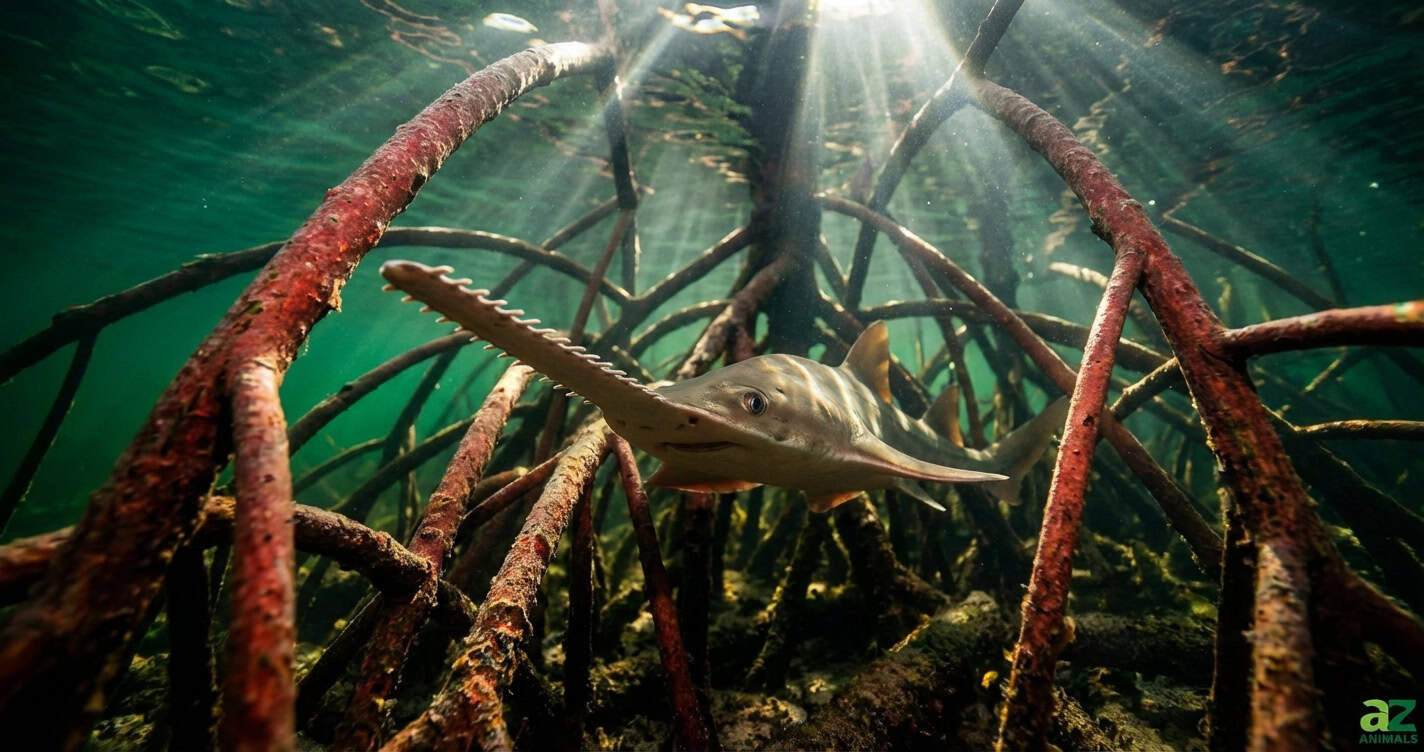
The smalltooth sawfish, scientifically known as Pristis pectinata, has a flattened body similar to a ray and a long rostrum lined with tooth-like structures. This rostrum helps detect and capture prey in murky water by sensing movement and striking side to side. Adults can grow over 15 feet long, while newborns measure about two feet and depend on shallow habitats for survival. Their bodies are built for life near the bottom, where they feed on fish and crustaceans in estuaries and coastal waters.
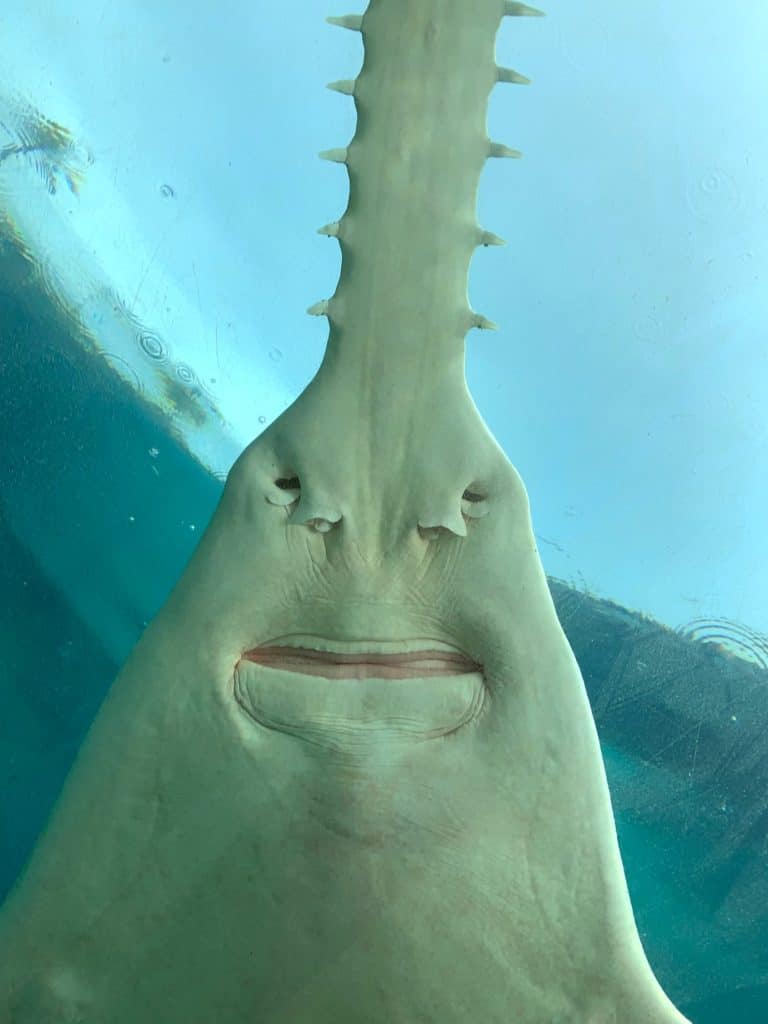
Seen from below, the smalltooth sawfish has a distinctive “face.”
©upuhrs/Shutterstock.com
Reproduction
Reproduction in this species is slow and highly specialized, which limits how quickly populations can recover. Smalltooth sawfish use a form of internal fertilization, and females give birth to live young rather than laying eggs. A typical litter may include around 7 to 14 pups, following a gestation period believed to last about a year. Females do not reproduce annually, and it can take several years for a young sawfish to reach maturity. These traits mean that even under good conditions, population growth happens gradually.
Young sawfish rely on very specific nursery habitats during their early years. They need shallow water, stable salinity, warm temperatures, and access to mangrove shorelines that provide protection from predators. If any of these conditions shift too far, survival rates can drop. This dependence on narrow habitat conditions is one reason recovery has been slow. When suitable nursery areas are limited or degraded, fewer young fish survive to adulthood, and population growth remains constrained despite conservation efforts.
Conservation Status of the Smalltooth Sawfish
The smalltooth sawfish remains one of the most endangered marine fish in the world as of 2026. There are no reliable population estimates for the species, but scientists estimate it has declined over 90% since the early 1900s. In the United States, it has been listed as endangered under the Endangered Species Act since 2003, making it the first marine fish to receive that level of protection. This status means it is illegal to harm, capture, or harass the species, and recovery efforts are coordinated at both federal and state levels. Internationally, the species is also protected under agreements such as CITES Appendix I, which prohibits commercial trade, and other global conservation frameworks aimed at preventing extinction.
Despite these protections, the species has lost most of its historical range and is restricted mainly to southwestern Florida. There are occasional sightings in Texas, Georgia, and the Carolinas, and there are small populations in the Bahamas and parts of the Caribbean. Recovery remains slow due to low reproduction rates and ongoing environmental challenges. Current conservation efforts focus on reducing accidental capture, protecting nursery habitats, improving water quality, and encouraging public reporting of sightings to aid research and response to recent mortality events.
Indian River Lagoon and Its Importance
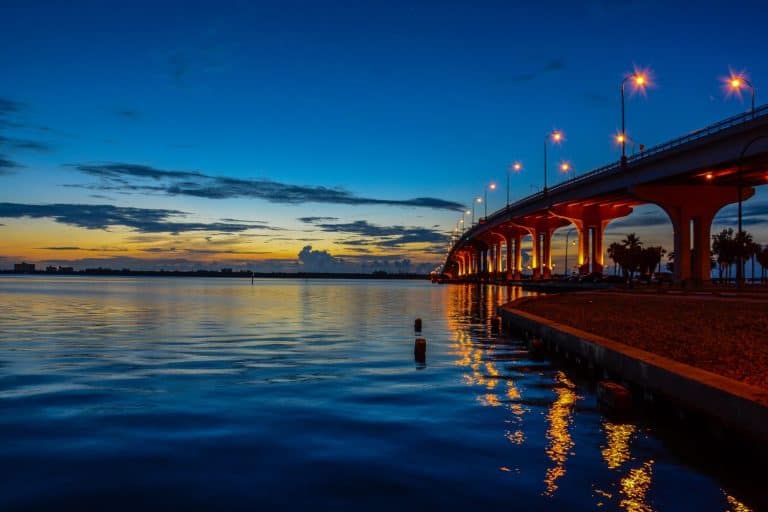
Stretching roughly 150 miles along Florida’s east coast, the Indian River Lagoon is a shallow estuary where freshwater meets saltwater. The Saint Lucie River connects to this system and creates a network of channels and mangrove-lined shorelines. These areas historically served as nursery grounds for young sawfish.
Over time, changes in water flow, pollution, and development altered the lagoon’s conditions. By the 1970s, sightings of sawfish in this region had nearly disappeared. Scientists questioned whether the habitat could still support juvenile fish. The recent return suggests that, despite ongoing stress, parts of the lagoon retain features needed for early life stages.
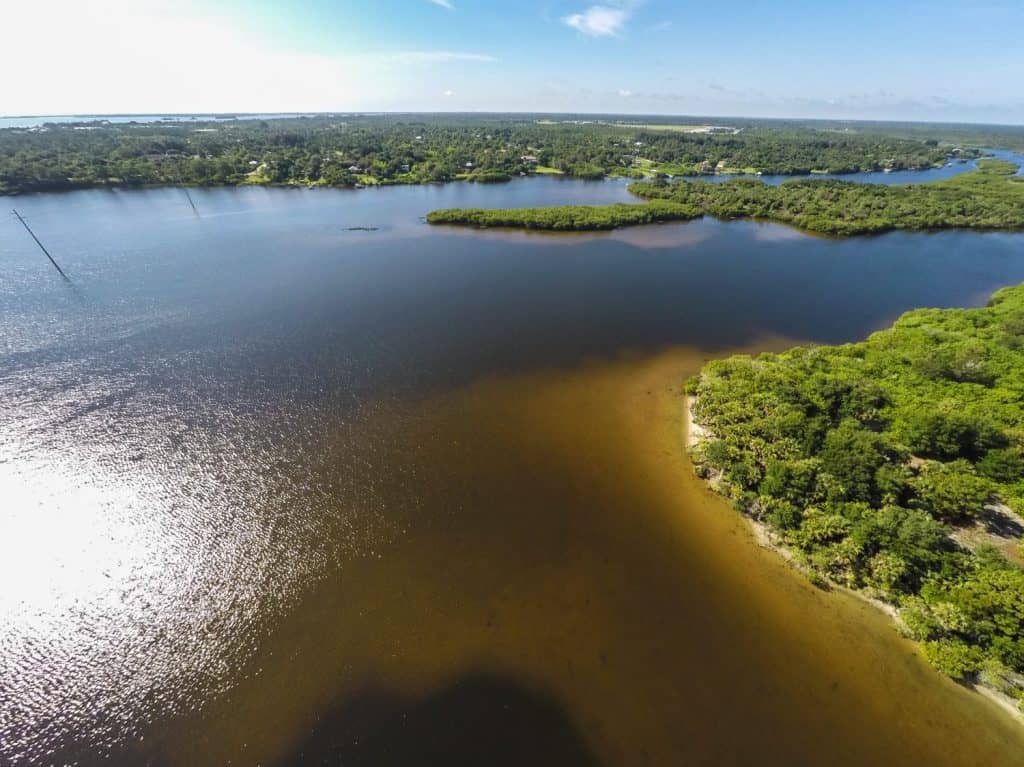
Pollution was one of the factors disrupting the Indian River Lagoon, a prime breeding location for the smalltooth sawfish.
©Phillip Sunkel IV/Shutterstock.com
Acoustic Tracking Reveals a True Nursery
Researchers used acoustic transmitters to study juvenile sawfish in the Saint Lucie River. Each fish was fitted with a small tag that emitted a unique signal, which underwater receivers could detect as the fish moved through the system. By placing receivers throughout the river and lagoon, scientists collected long-term movement data and built a clear picture of where these young sawfish were spending their time.
The results showed that juveniles stayed within a very small area for long periods, a pattern known as site fidelity. Some individuals remained within less than half a square kilometer for most of the monitoring period. This repeated, concentrated use of the same habitat meets the scientific definition of a nursery, where young fish can feed, grow, and avoid predators. The consistency across individuals and over time confirms that this part of the river is functioning as an active nursery once again.
Environmental Conditions Supporting Survival
The nursery area offers a combination of features that support juvenile sawfish. Shallow water allows easier movement and reduces exposure to larger predators. Mangrove roots provide cover and structure, while also supporting prey species. Temperature and salinity remain within ranges suitable for the species. Water temperatures generally stay between 75 and 84 degrees Fahrenheit. Salinity levels typically range between 15 and 30 parts per thousand, reflecting a balance between freshwater inflow and ocean water. These conditions create a stable environment where young sawfish can grow without facing extreme stress.
Impact of Changing Water Flow
Although the habitat remains suitable, changes in freshwater flow can alter conditions quickly. Heavy rainfall or managed water releases can lower salinity levels, while temperature fluctuations can push conditions outside preferred ranges. During these periods, some sawfish move temporarily to other areas before returning.
This behavior shows that water management decisions directly influence nursery quality. Long-term changes in flow patterns could reduce habitat suitability if salinity remains too low or fluctuates too rapidly. Maintaining stable conditions will be important for supporting continued use of this nursery.
Comparison to Southwest Florida Habitats
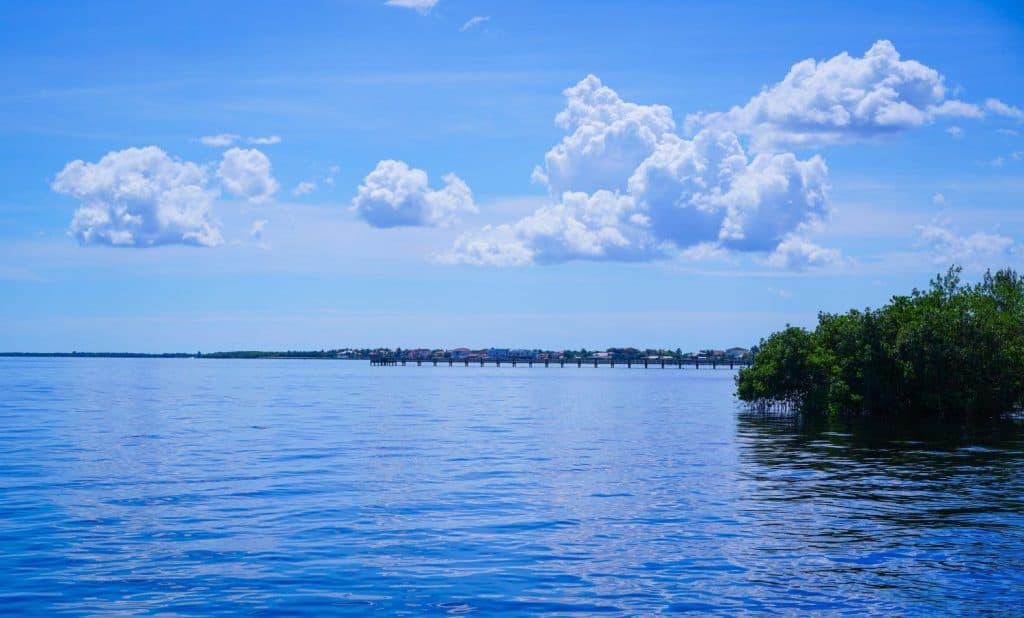
\The calm water of Charlotte Harbor makes it a suitable place for a smalltooth sawfish nursery.
©Ric Schafer/Shutterstock.com
Established nursery areas for smalltooth sawfish exist along Florida’s southwest coast, including regions like Charlotte Harbor. These habitats cover much larger areas and support higher numbers of juveniles. They form the current stronghold for the species.
In contrast, the Saint Lucie River nursery is much smaller and lies outside designated critical habitat zones. Its rediscovery demonstrates that the species can return to historical areas when conditions improve. At the same time, its limited size makes it more vulnerable to localized disturbances, such as shoreline development or water quality issues.
Ongoing Threats to Recovery
Despite signs of recovery, smalltooth sawfish remain highly vulnerable. Their anatomy is a complicating feature, as their rostrum increases the risk of entanglement in fishing gear. While certain harmful practices have been restricted, accidental capture still occurs in recreational fishing.
Habitat loss continues to pose challenges. Coastal development often replaces natural shorelines with hardened structures that do not support young fish. Pollution and nutrient runoff contribute to algae blooms and seagrass loss, which further degrade habitat quality. Continued protection efforts will be necessary to support population growth and maintain suitable nursery areas.
Role of Public Reporting in Research
Public participation has played a meaningful role in identifying the sawfish return. Anglers and boaters reported sightings to the U.S. Sawfish Recovery Hotline, often providing photos that helped confirm observations. These reports guided researchers toward areas where sawfish activity was increasing.
Community involvement continues to provide valuable data. In areas without permanent monitoring equipment, verified sightings help track distribution and seasonal patterns. This collaboration between scientists and the public strengthens conservation efforts and expands understanding of species behavior.
What the Comeback Signals for Florida
The return of sawfish to the Saint Lucie River occurs during a period of concern about coastal ecosystem health. Environmental stressors have affected multiple species in the region. Against this backdrop, the presence of a functioning nursery suggests that recovery remains possible when key conditions are maintained. This development also highlights the interconnected nature of conservation. Water management, habitat protection, and fishing regulations all contribute to outcomes for marine species. Continued coordination across these areas will influence whether sawfish populations expand further along Florida’s coast.
Where to See Smalltooth Sawfish in Florida
Those interested in seeing smalltooth sawfish in Florida have limited but real opportunities. The species is most commonly found in shallow coastal waters of southwest Florida, including areas near mangrove shorelines and estuaries such as Charlotte Harbor and the Ten Thousand Islands. However, recent research has confirmed increasing sightings and juvenile presence in the Indian River Lagoon and Saint Lucie River on Florida’s Atlantic coast. Regions such as Charlotte Harbor and the Ten Thousand Islands support the largest number of juveniles and offer the highest likelihood of sightings.
On the Atlantic side, sightings remain less common but are increasing in the Indian River Lagoon system. The Saint Lucie River area has produced confirmed observations, especially of young individuals. Encounters are rare and often brief, as sawfish tend to remain in shallow, protected environments away from heavy human activity.
Responsible Viewing Practices
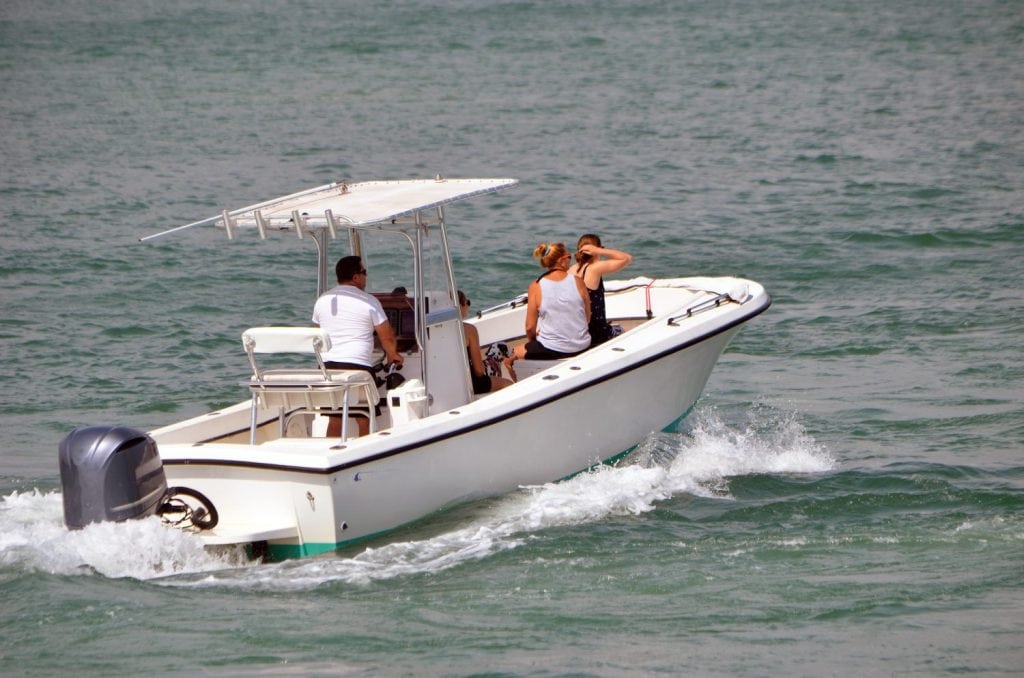
Boaters are urged to slow down in sawfish territory and report any sightings to wildlife officials for tracking.
©richard pross/Shutterstock.com
Anyone who encounters a sawfish should observe it from a distance and avoid disturbing its movement. Boaters should reduce speed in shallow areas and avoid running over sandbars or mangrove edges where juveniles may be present. Anglers who accidentally hook a sawfish should leave it in the water and cut the line as close to the hook as possible.
Reporting sightings to official channels helps researchers track population trends. Simple actions, such as noting the location and time of the sighting, contribute to ongoing studies. Respectful behavior ensures that human activity does not interfere with recovery efforts and allows these fish to continue using critical habitats.
Outlook for the Species
The reappearance of smalltooth sawfish in the Saint Lucie River reflects gradual progress in conservation. While the number of individuals remains low, the use of a historic nursery suggests that the species can expand beyond its current stronghold. Continued monitoring will help determine whether this trend continues.
Long-term recovery will depend on protecting nursery habitats, maintaining water quality, and reducing accidental capture. Each of these factors influences survival during early life stages. The presence of juveniles in this area offers cautious optimism that, with sustained effort, the species can regain part of its former range.