
Quick Take
- The US defeated this fly not with pesticides but by flooding the wild with more flies, and understanding why that counterintuitive strategy worked so well makes the current threat even more alarming. How the sterile technique works →
- A 20-year barrier held the screwworm out of North America, but a single unexpected chain of events collapsed it almost overnight. See how the barrier collapsed →
- What makes the screwworm uniquely terrifying isn't just what its larvae eat. It's what they do when you try to remove them. Discover what makes it deadly →
- Experts say predicting exactly when the fly crosses into the US is impossible, though they do know which factor will determine whether it spreads before new defenses are ready. Explore expert predictions →
Quick Take
- The New World screwworm fly, eradicated in the US decades ago, is rapidly spreading north and threatening to return.
- Scientists are using the sterile insect technique, releasing millions of lab-raised flies to collapse wild populations.
- If the pest reestablishes in the US, it could devastate livestock, wildlife, and cause billions in economic losses.
A devastating agricultural pest, the New World Screwworm Fly (NWS), has been eradicated in the United States since 1982. Today, it’s marching closer to American borders, and local, state, and national governments are expanding their best tool to defeat it: facilities that produce hundreds of millions of sterile flies.
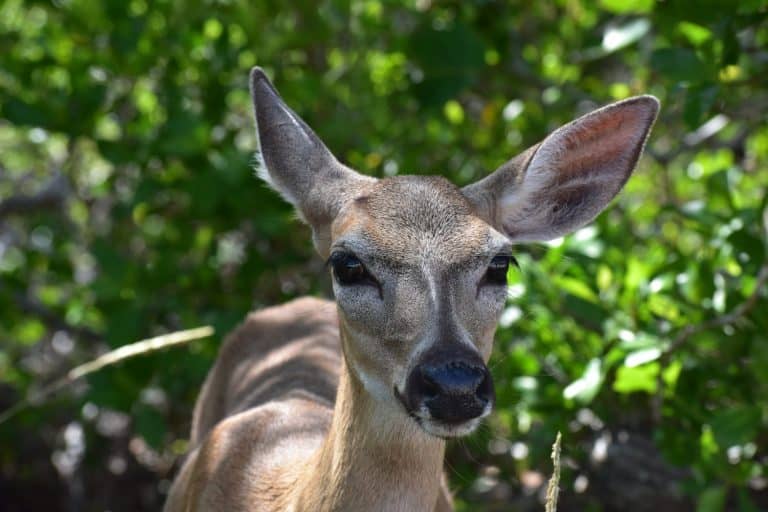
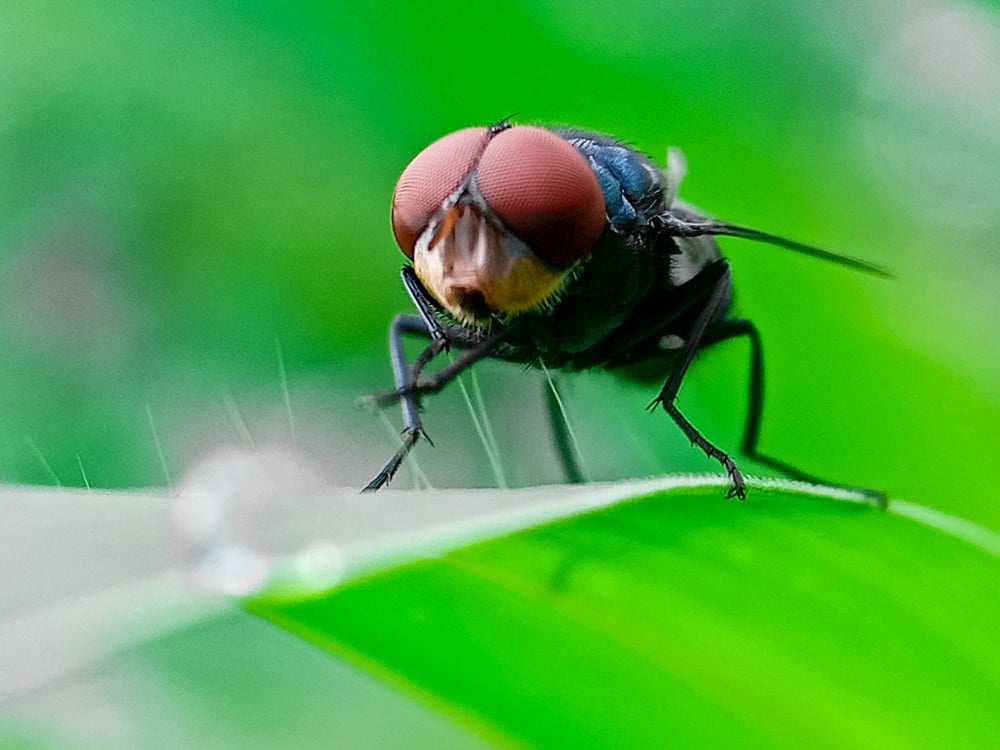
The screwworm is a species of blowfly, but unlike its relatives, it does not feed on dead tissue, favoring the living tissue of warm-blooded animals instead. Infestations of screwworm can devastate cattle, sheep, pigs, goats, and deer populations, and if the fly reestablishes itself in the United States, it has the potential to do billions of dollars of economic damage annually.
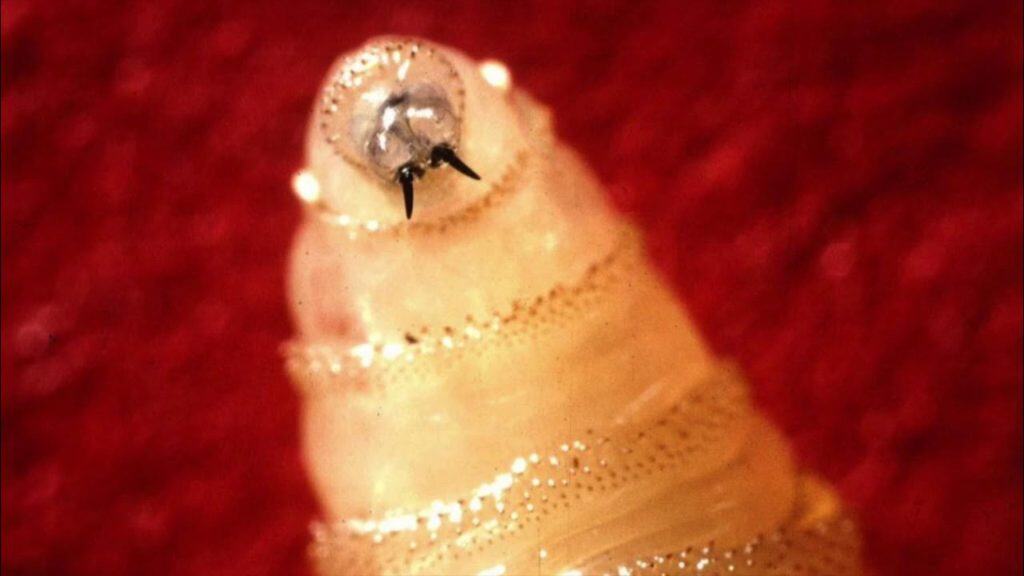
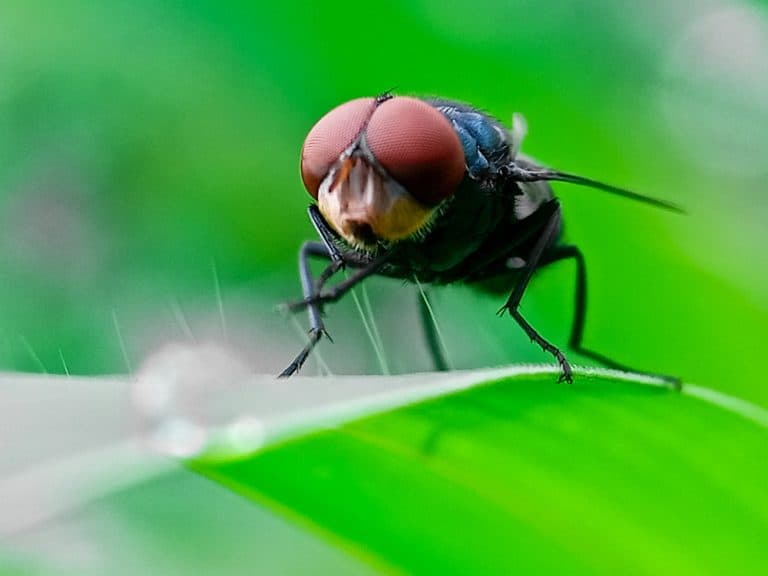
This small creature can cause big damage.
© – Original
What Makes the New World Screwworm So Destructive?
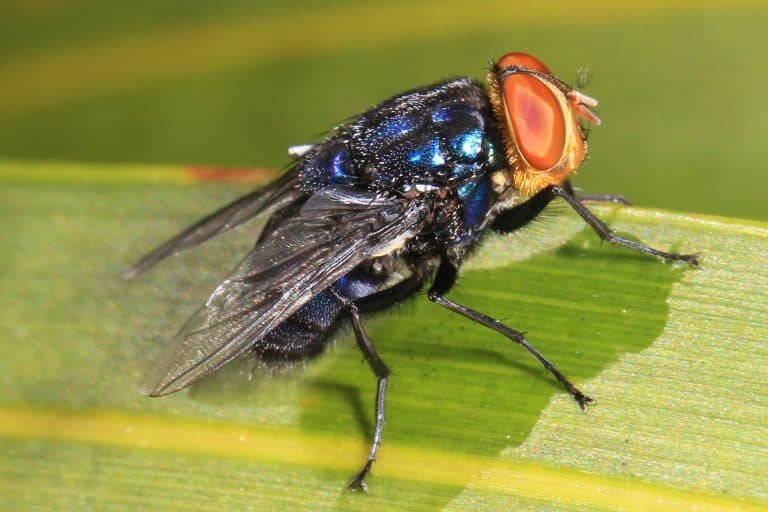
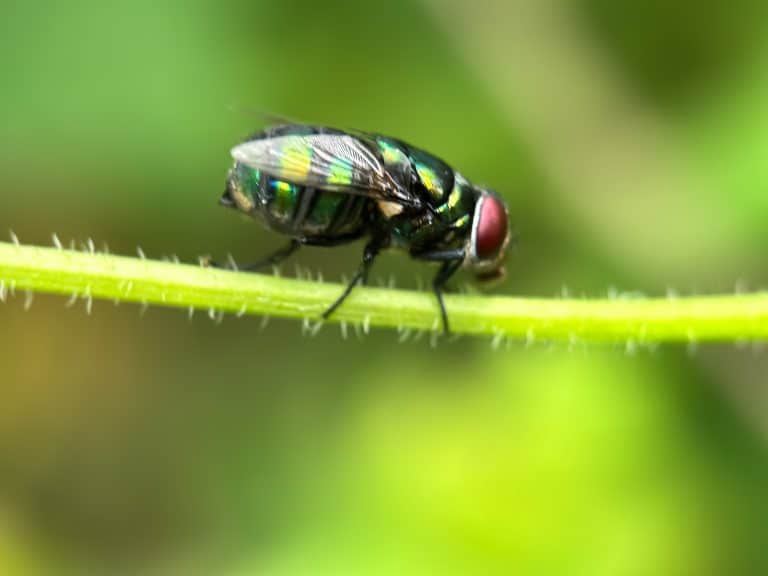
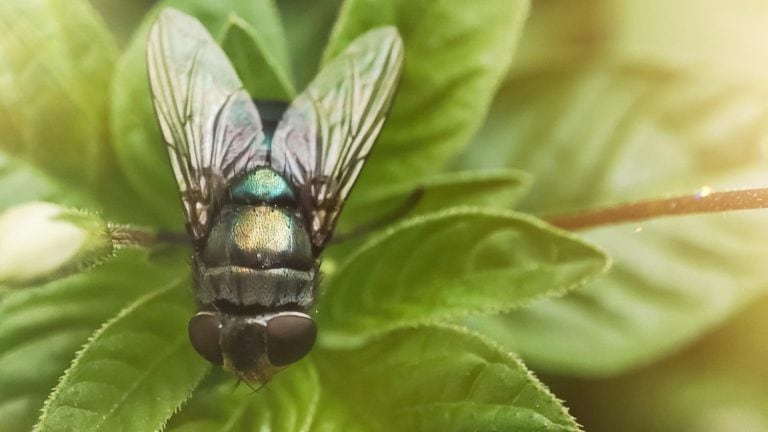
Adult New World Screwworm, also referred to as screwworm, doesn’t look much different from the blue bottle flies (Calliphora vomitoria) you might see in your home on a warm day, but the screwworm’s reproductive cycle makes it a pernicious pest.
When a female screwworm fly is ready to lay eggs, she seeks out a lesion or an insect bite on a warm-blooded animal, though she can also lay her eggs on mucosal membranes, such as those found around the eyes, in the nose, around the genitals, or near the umbilicus in young mammals. From those eggs hatch carnivorous larvae, which burrow into the animal’s tissues while releasing a compound that attracts more screwworm flies to the growing wound.
When they are disturbed, these larvae burrow deeper into tissue, equipped with sharp mouth hooks and backwards-pointing spines that help affix them to their hosts: this defensive technique is how they get their common name. If they are not removed, infestations will grow, leading to infection and disabling or fatal injuries. They feed for about a week before dropping off their hosts and forming pupae in the soil, where they will pupate for another week.
Provided they have warm weather and moist soil, screwworms can reproduce rapidly. Females can lay 200-300 eggs per clutch and lay a new clutch every 3-7 days. She can lay up to 11 clutches in a lifetime, producing a maximum of 3,000 eggs per single female fly during her roughly twenty days of adult life. Eggs hatch into swarms of maggots within about a day.
With more than 40,000 cases reported in Central America and Mexico since July 2023, the United States is preparing for a potential outbreak of screwworm, an environmental disaster that could cost over 2 billion dollars per year, according to the USDA.
A Pest Control Method Without Pesticides
Screwworm was originally described by Charles Coquerel, a surgeon in the French Navy, in 1858. Coquerel was stationed on a penal colony of Cayenne in French Guiana, commonly known as Devil’s Island for its extremely harsh conditions. Five men were discovered with masses of larvae in their nasal sinuses, and only two would survive the ordeal. Coquerel was able to recover 300 larvae from his patients and named the species “hominivorax,” meaning man-eater in Latin.
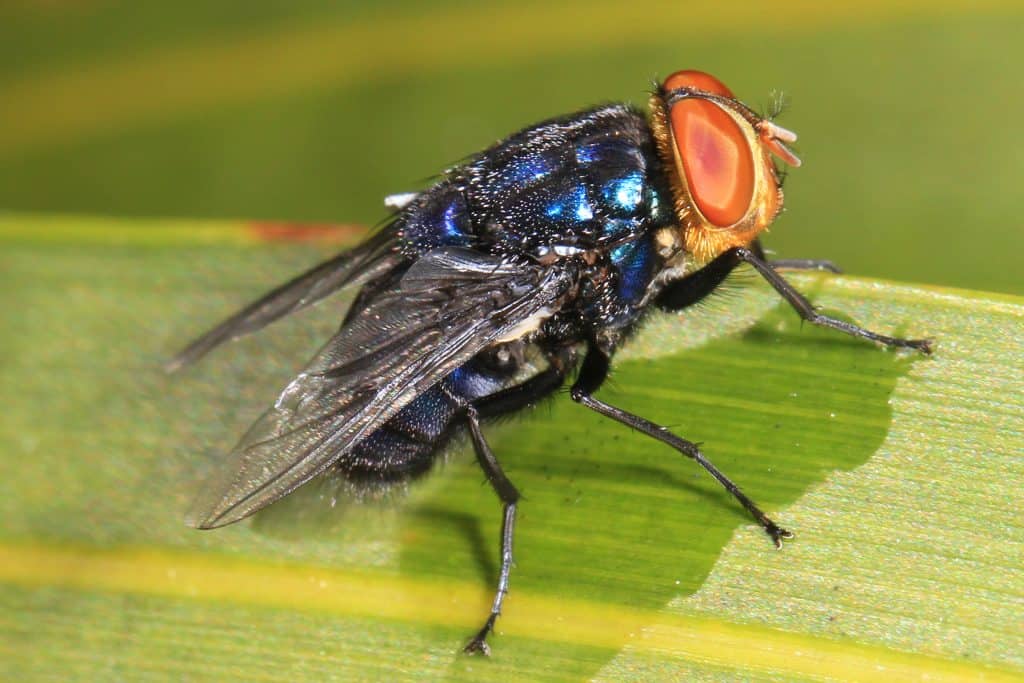
Adult screwworm flies resemble common blue bottle flies
©Judy Gallagher, CC BY 2.0 , via Wikimedia Commons – Original / License
In the 1930s, Dr. Edward F. Knipling theorized that insect pest populations could be controlled without pesticides by flooding wild populations with sterile males, and he thought the screwworm could be a perfect target to test this theory on: the pest was causing millions of dollars of damage to cattle and deer herds in the US every year. Because the females only mate once, while males mate repeatedly, each generation breeding with introduced sterile males should result in fewer and fewer hatching fly eggs. Another scientist, Dr. Raymond C. Bushland, developed a technique to breed large numbers of screwworms on a diet of meat, beef blood, water, and preservatives in 1936. All that was required was a reliable sterilization technique to put this theory to the test.
A post-WWII boom in technological and scientific development led to experiments using X-rays to sterilize fruit flies, and the success of these trials inspired Knipling to test out hospital X-ray systems on C. hominivorax. The first time these technologies eliminated a population of screwworm was on the island of Curaçao, where millions of sterile males were flown in from Orlando. 400 males per square mile were released from airplanes, and the island was screwworm-free in 10 weeks. This method would be called the sterile insect technique, and ranchers quickly adopted it.
A great amount of effort went into eradicating this fly to protect livestock and wildlife, and the return of the fly could be devastating to wildlife populations and have a significant impact on many livestock commodities and the people who raise these animals.
Sonja L. Swiger, PhD, at Texas A&M’s Department of Entomology
Testing a New Technique
Florida would be the first state to take the initiative in 1956. Ranchers, the state legislature, and the federal government worked together to determine where in the state sterile fly releases would be most effective, and an insect production plant was built in Sebring, Florida, capable of producing 50 million sterile flies per week. By 1959, screwworm was eradicated in Florida and the Southeast; cattle inspection and quarantine helped prevent the pest’s reintroduction.
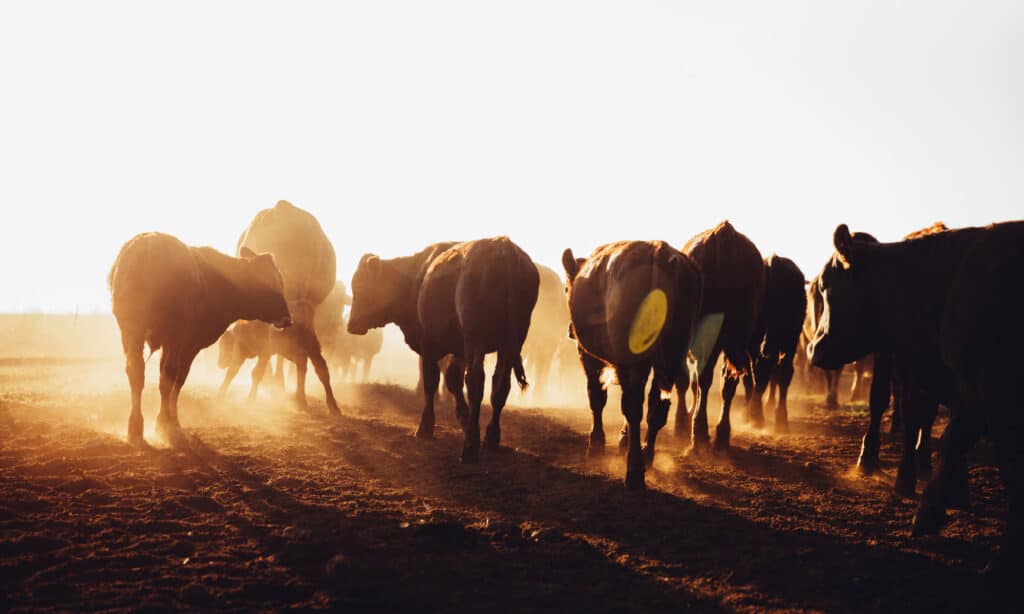
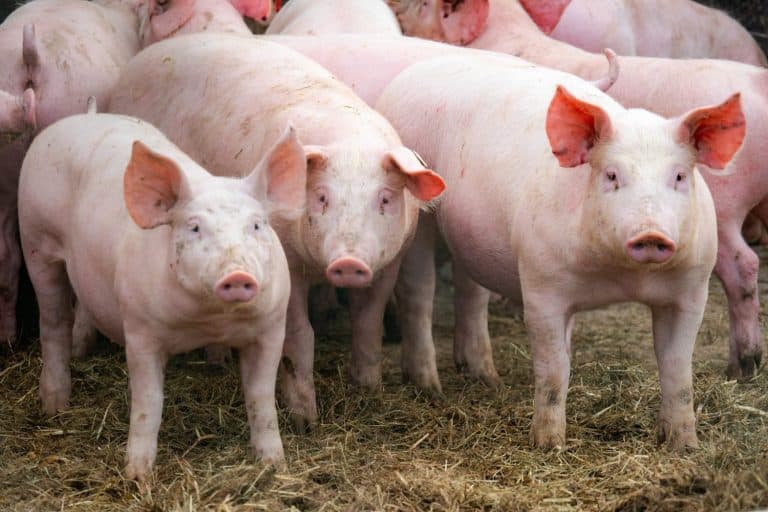
Prior to the application of the sterile insect technique, screwworm caused millions of dollars of damage to livestock herds annually.
©iStock.com/criene
Based on the success in Florida, a blueprint was developed: building sterile fly plants in affected areas, releasing flies in hotspots based on the reporting from ranchers, and inspecting and quarantining cows traveling from areas with screwworm. This blueprint would be replicated in America’s southwestern states. Labs in Kerrville and Mission, Texas, began producing sterile flies, and by 1966, the U.S. was declared free of indigenous screwworm. But the battle was far from over. Flies don’t recognize international borders, and screwworm would continue to enter the country from Mexico, causing outbreaks in the US in the 1970s. To protect animals and livelihoods, a cross-border approach would be required.
An International Endeavor
A devastating outbreak in 1972 spurred American and Mexican officials into closer cooperation, leading to the establishment of the Mexico-United States Screwworm Eradication Commission on August 28, 1972. This agreement called for screwworm eradication in a much greater portion of Mexico than previously had been attempted—and the creation of a barrier zone in the narrowest part of Mexico, the Isthmus of Tehuantepec. The two countries shared facilities, personnel, and fiscal responsibilities, and by 1985, the fly-producing plants in Texas had closed, replaced by plants in Mexico that had succeeded in pushing back screwworm to the isthmus on the 93rd meridian.
But the eradication and containment efforts didn’t stop there. The USDA’s Animal and Plant Health Inspection Service (APHIS) concluded that the cheapest and most effective location for the barrier would be Panama’s Darien Gap, a roadless wilderness near the nation’s border with Colombia. Sterile flies were released throughout El Salvador, Honduras, Nicaragua, Costa Rica, and Panama, and in 2006, Panama was declared screwworm-free, with the exception of the Darien Gap. Combined with intense surveillance, import controls, and targeted use of insecticide, the wall of regularly released sterile flies kept screwworm at bay. For years, this technique kept North America free of screwworm, but it wouldn’t last.
The Sterile Screwworm Wall Fails
The breakdown started in 2023, when screwworm populations exploded across Panama. A constellation of factors, including the disruption of sterile fly production and screwworm surveillance due to the COVID-19 pandemic and illegally traded cattle evading screwworm checkpoints and quarantines, allowed the fly to quickly spread across Central America. It reappeared in Mexico in 2024. In May of 2025, the U.S. suspended cattle imports from Mexico, and by the fall of the same year, screwworm had reached Mexico’s northern border states of Nuevo León and Tamaulipas.
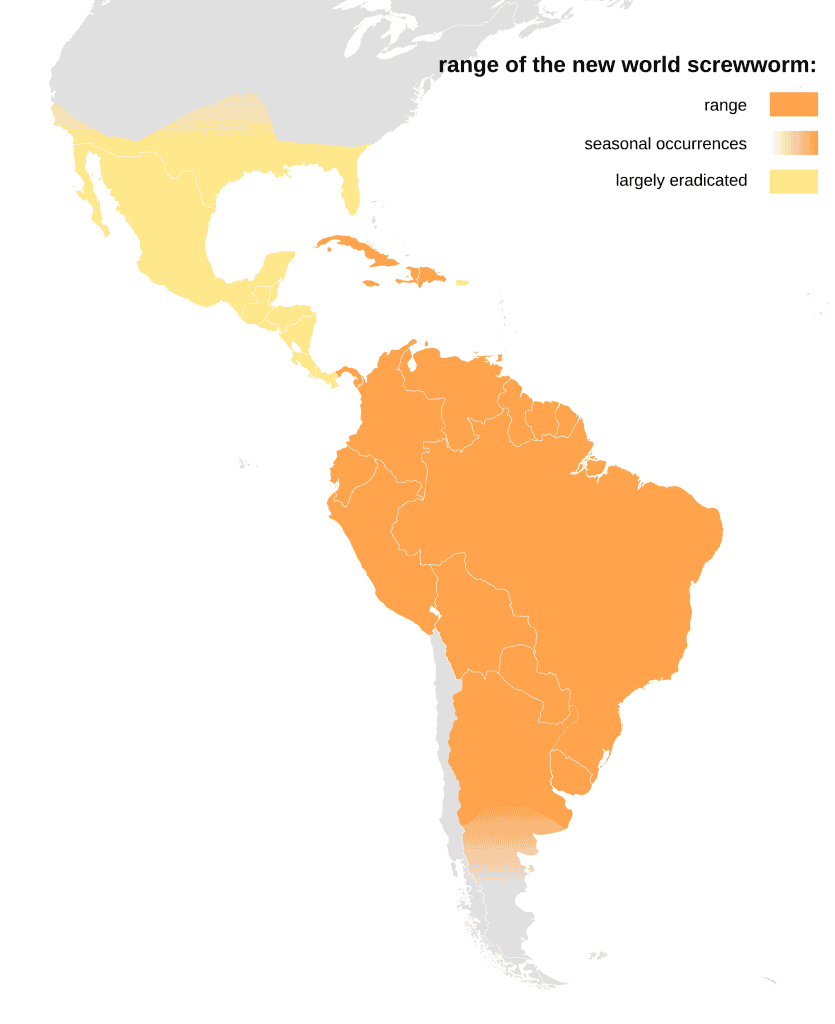
The above map displays the distribution of screwworm from 2006 to 2023, confined to South America due to aerial dispersal of sterile flies at the Darien Gap.
©Kmhkmh, CC BY-SA 4.0 , via Wikimedia Commons – Original / License
100 million flies per week were released by air over the Darien Gap, protecting Central and North America from screwworm for 20 years. But now that the insect is reproducing across a much wider area, this number will no longer be sufficient, and the U.S. is partnering with Mexico to ramp up production. In May 2025, the USDA announced a $21 million investment in a fruit fly production facility in Metapa, Mexico, to convert it into a sterile screwworm plant able to produce 60-100 million sterile flies weekly. The Metapa plant is expected to begin sterile fly production as soon as summer 2026. Meanwhile, in the US, a facility at Moore Air Base near Edinburgh, Texas, is expected to produce 300 million sterile flies per week by the end of 2027.
Unfortunately, as of winter 2026, Mexican and American authorities are working with the same sterile fly production capacity that was being used to defend the narrow Darien Gap—but the fly has spread much further. This has many experts worried that the fly will reappear in the United States in the spring or summer of 2026, as a warming Northern Hemisphere becomes more hospitable to rapid fly reproduction.
A Response From Capitol Hill
In a rare display of bipartisanship, legislators in both parties and houses of Congress have put forth legislation to mitigate this upcoming threat. The first of such bills, the “Stop The Screwworms With Active Readiness and Mitigation (SWARM) Act of 2025,” was introduced to the Senate on July 30, 2025, by Senator John Cornyn (R-TX) and was cosponsored by Senator Martin Heinrich (D-NM). It passed as a part of the government funding package on November 10, 2025. The bill requires the Secretary of Agriculture to report to Congress on screwworm preparedness, including industry partnerships, sterile fly production, and readiness plans.
Meanwhile, in the House of Representatives, another bill has been put forth to protect the United States against the threat posed by screwworm. U.S. Representative Ronny Jackson (R-TX) introduced The Safeguarding America’s Food Economy and Controlling Agricultural Threats to Livestock and Enterprises Act, or the SAFE CATTLE Act, on February 10th, 2026, cosponsored by Representatives Don Davis (D-NC), Harriet Hageman (R-WY), and Darren Soto (D-FL). The bill directs the U.S. Department of Agriculture (USDA) and the Department of the Interior (DOI) to coordinate their efforts against the screwworm, including surveillance and eradication efforts, to protect wildlife, agriculture, and livestock.
State governments have also been quick to respond. On January 29, 2026, Texas Governor Greg Abbott declared a state of disaster in all Texas counties in response to the imminent threat of screwworm, and land-grant universities across the southwest have expanded their agricultural outreach programs to help land managers and those who work with livestock adapt to this growing threat, including the University of Arizona, New Mexico State University, UC Riverside, and Texas A&M.
As the state with the largest southern border and a large cattle industry, Texas is at the forefront of this problem, and to get a better perspective, we reached out to Sonja L. Swiger, PhD, at Texas A&M’s Department of Entomology. Below is our interview, which has been lightly edited for clarity.
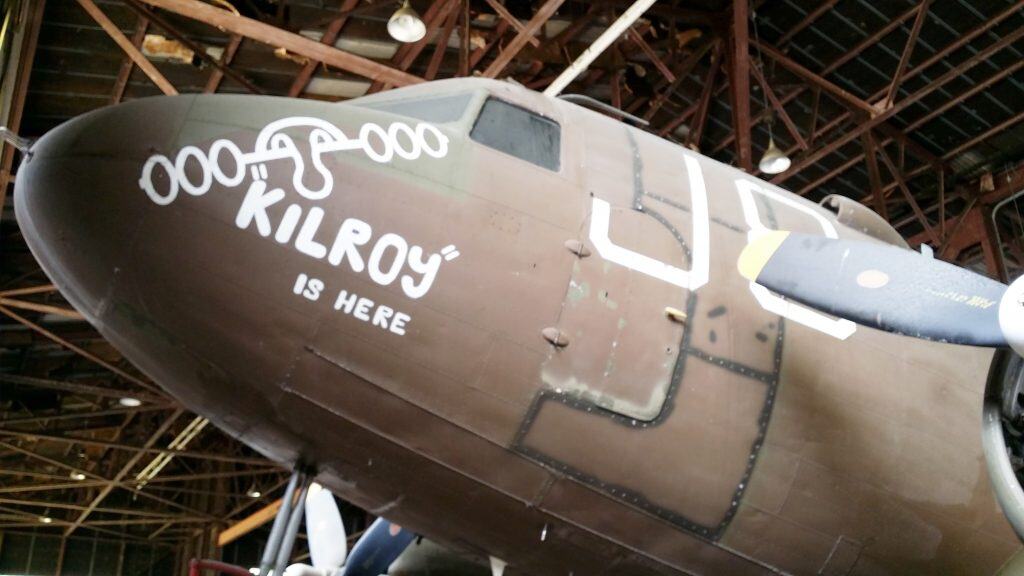
This DOUGLAS C-47D was used to drop screwworm during the initial eradication of the species in the US and Mexico.
©Eric Friedebach is licensed under CC BY 2.0. – Original / License
Who should be on the lookout for screwworm?
Ideally, everyone, but those who own animals, especially livestock, would see screwworm before folks not exposed to animals. Those who spend time with wildlife should also be looking out for them, as wildlife are a highly susceptible group.
What should you do when you encounter signs of a screwworm-infested wound?
Any suspicious cases—such as maggots on a living animal (livestock, exotic animals, and pets)—should be reported to the Texas Animal Health Commission at 1-800-550-8242 and to your local veterinarian. Screwworm sightings on wildlife should be reported to the Texas Parks and Wildlife Department at 512-389-4505. For more information, read the “Steps if You Suspect” flyer.
How big a threat does NWS pose?
The impact on Texas and the US would be great. A great amount of effort went into eradicating this fly to protect livestock and wildlife, and the return of the fly could be devastating to wildlife populations and have a significant impact on many livestock commodities and the people who raise these animals. Additionally, there would be an impact on the food chain supply.
How long will it be before sterile fly production is ready to meet the spread of NWS?
The repurposed facility in Mexico is expected to be ready by mid-2026. It will produce an additional 100 million flies per week. The Panama facility is currently producing 100 million flies per week. The U.S. facility in Edinburg is expected to be operational by the end of 2027, producing an additional 100 million flies per week at opening, which will be the first stage for that location. Once the full facility in Edinburg is open, it will be able to produce up to 300 million flies per week.
How long do you expect it to be before we have NWS appearing in the United States?
It is impossible to predict that. The flies are not able to travel the 100-plus-mile distance on their own. The movement of infested animals is the concern, and inspecting cattle on the move is how we prevent their arrival.
What areas in the US are most at risk from this spread of the fly?
If an animal is moved to the state illegally, anywhere is at risk, but South Texas is currently in the direct path of the cases/incidence coming from Mexico right now.
How can ranchers and those who work in the livestock industry take action to answer the threat posed by NWS?
They can begin by evaluating their production system to prevent wounds on their animals. They can start thinking about changes they would need to take if screwworm returned, such as when to have calving/kidding/lambing, the castration and dehorning processes, and branding or ear tagging. These are all processes that we do not worry too much about when to do them, but we will have to alter the timing or increase animal wound inspections if screwworm returns.