
Quick Take
- Screwworms are fly larvae or maggots that feed on living tissue instead of decomposing tissue.
- The New World Screwworm was discovered in the Florida Key’s endangered Key deer population in 2016.
- The insects wiped out 14% of the highly vulnerable Key deer population.
- Rebuilding several protective barriers is necessary to halt transmission.
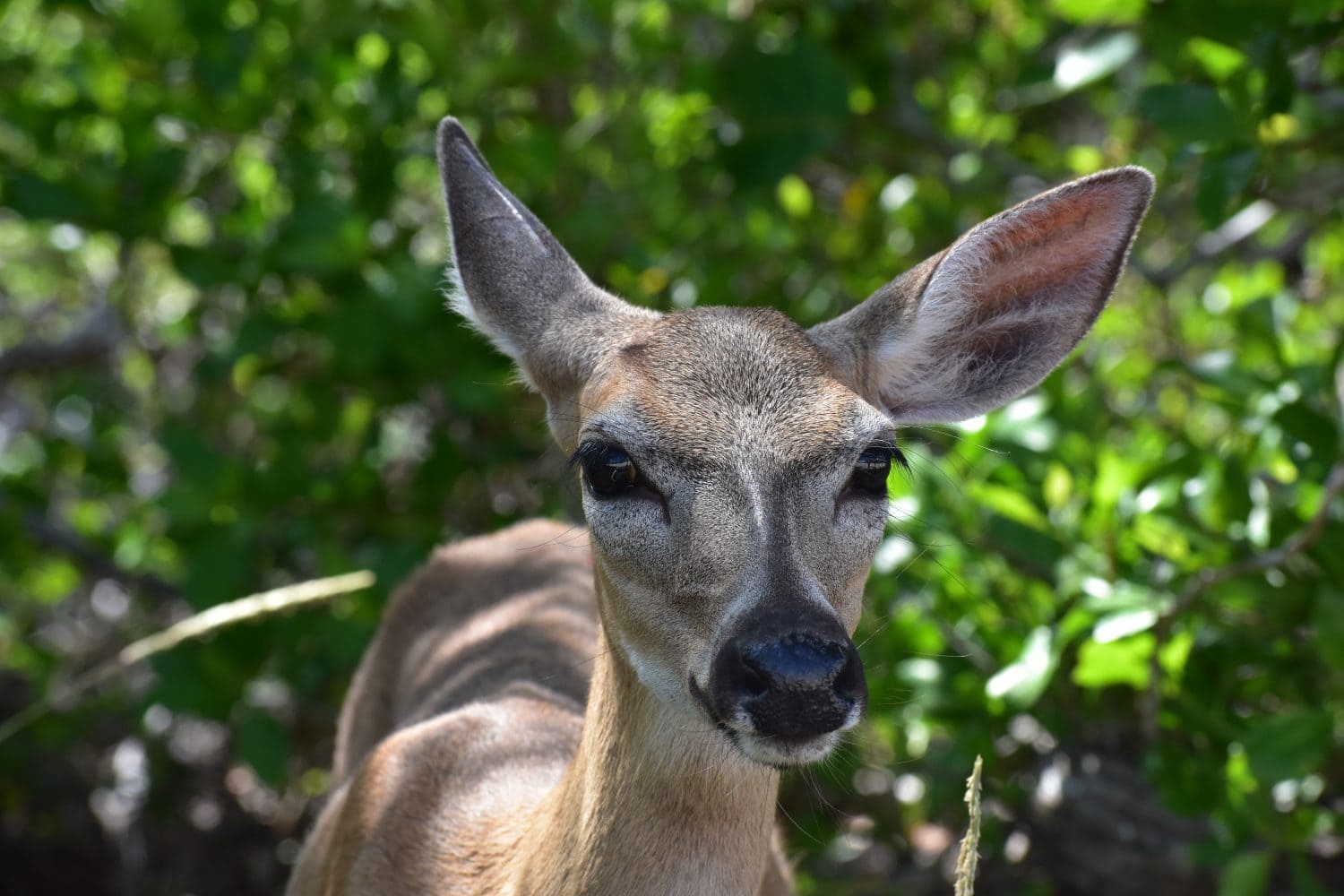
In 2016, a parasite was discovered in the Florida Keys in the wounds of the endangered key deer. Since wild animals encounter many obstacles as they grow and survive, the presence of the wounds themselves was not abnormal. The odd factor was that these wounds were not healing; they were getting worse. Soon after the wounds developed, the key deer in question were dying quite suddenly. They were not succumbing to predators or starvation, but to a fly: the New World Screwworm (NWS).
The New World Screwworm is still one of the clearest examples of how quickly a once-contained parasite can turn into a growing conservation problem. As an endangered species, key deer already had dangerously low numbers. The flies wiped out 135 key deer, which was roughly 14% of their population. And now with NWS on the rise again, endangered populations like the key deer and mountain tapirs face an isolated vulnerability.
The Maggot that Doesn’t Wait for Death
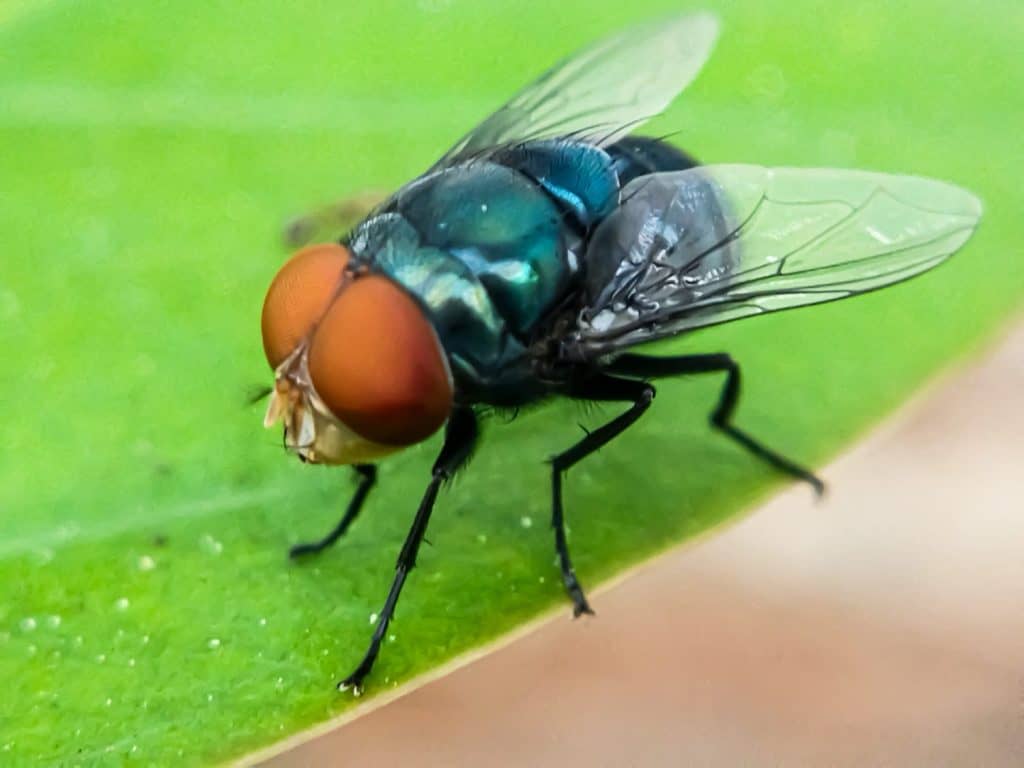
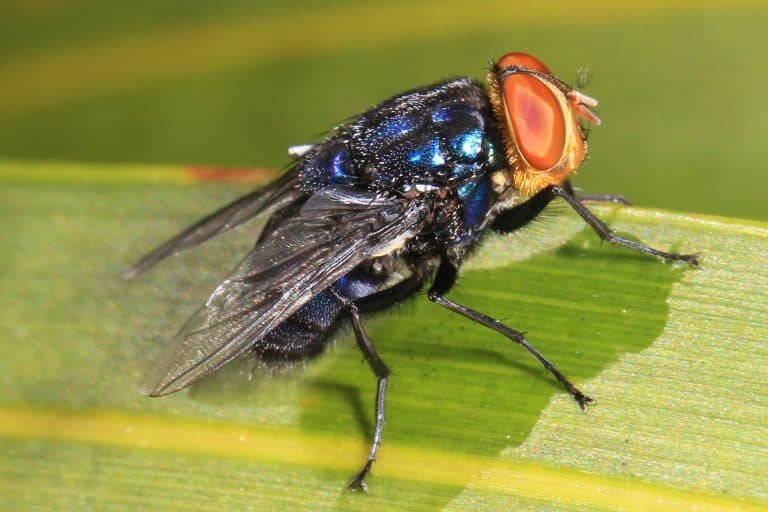
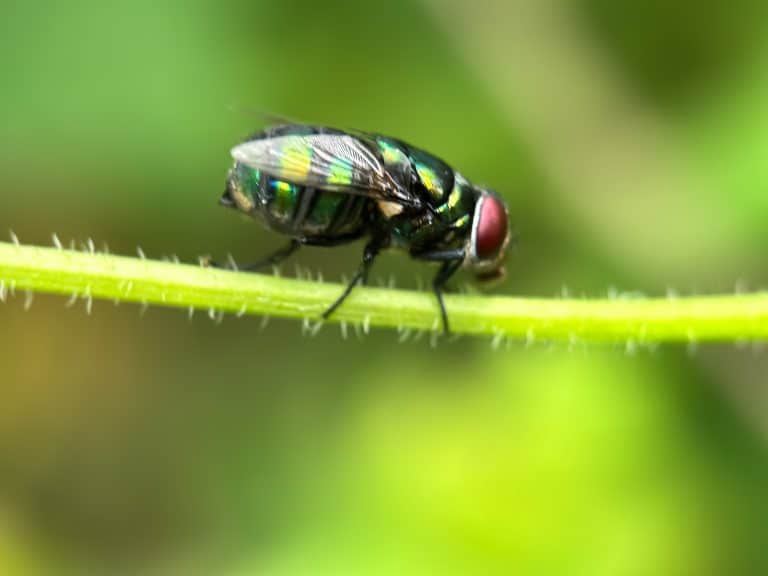
The Blow Fly comes from the family Calliphoridae.
©Lidya Elfa Sari/Shutterstock.com
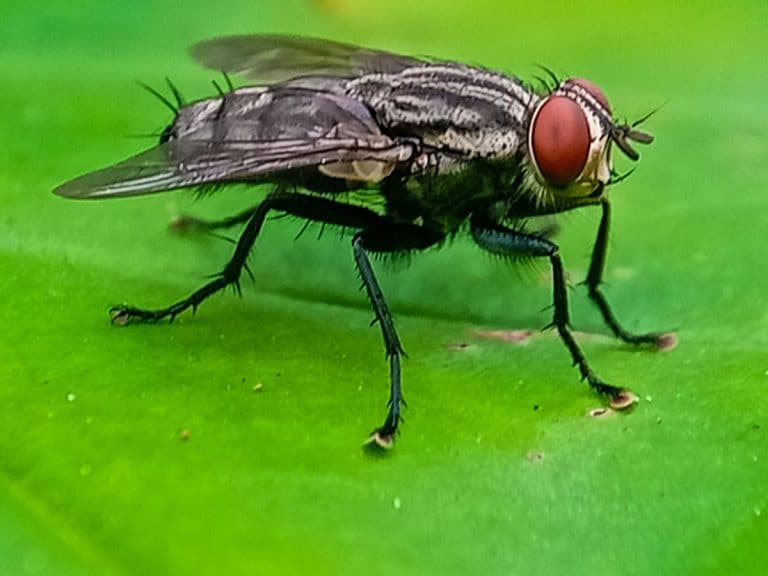
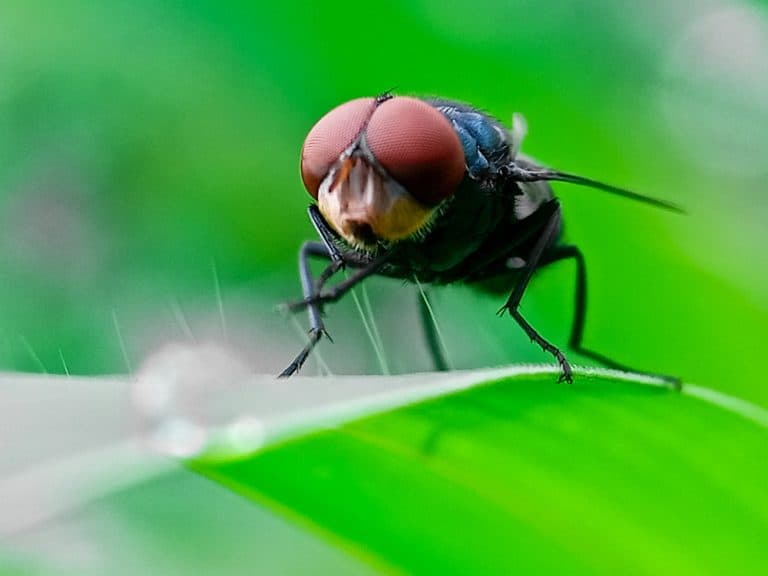
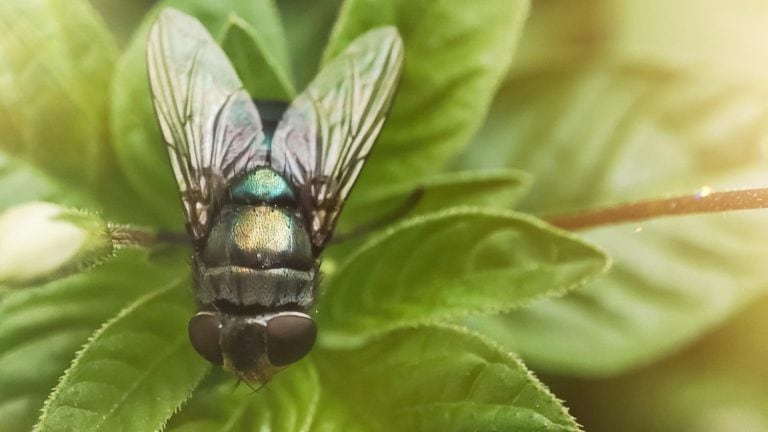
NWS has the same characteristics of any blow fly: metallic green or blue sheen and fast-moving. In fact, within the family Calliphoridae, most flies are feeders of decomposition. This means they usually arrive to the party after something dies, sometimes finding a corpse within minutes after death. For this reason, they are useful in investigative studies to accurately determine the victim’s time of death. Forensic scientists are able to use them as a “biological stopwatch” for estimating the postmortem interval or time between the individual’s death and the discovery of the body. Though the image may be unpleasant, the process is an important part of how ecosystems recycle nutrients.
The NWS calliphorid, however, plays a completely different role. Screwworms are fly larvae or maggots that feed on living tissue instead of waiting for decomposition. In fact, NWS larvae (immature stage) almost exclusively feed on living tissue. Instead of a female screwworm searching for decomposing material, she looks for a living wound or open orifice. Specialized to detect specific scents, female flies quickly pinpoint any opening, cut, or small scrape. Once the fly has found a victim, she will lay her eggs inside the living tissue.
What makes this Fly Different?
Though it might be easy to lump screwworms in with other flies, especially since they are in the same family, these insects are operating in a completely different lane. Most of the Calliphoridae family are opportunistic feeders. Opportunistic feeders are organisms that typically do not have trouble finding food since they consume a wide variety of available food sources. In the callophorids case, carrion is their favorite dish, as they take advantage of tissue that is already breaking down.
Screwworms on the other hand are obligate parasites. Even though they are from the same family, they do not switch to carrion or wait around if they cannot find a host. If NWS does not have access to living tissue, they cannot complete their life cycle. This is what makes them obligate parasites and not scavengers.
Inside the Wound: Escalation
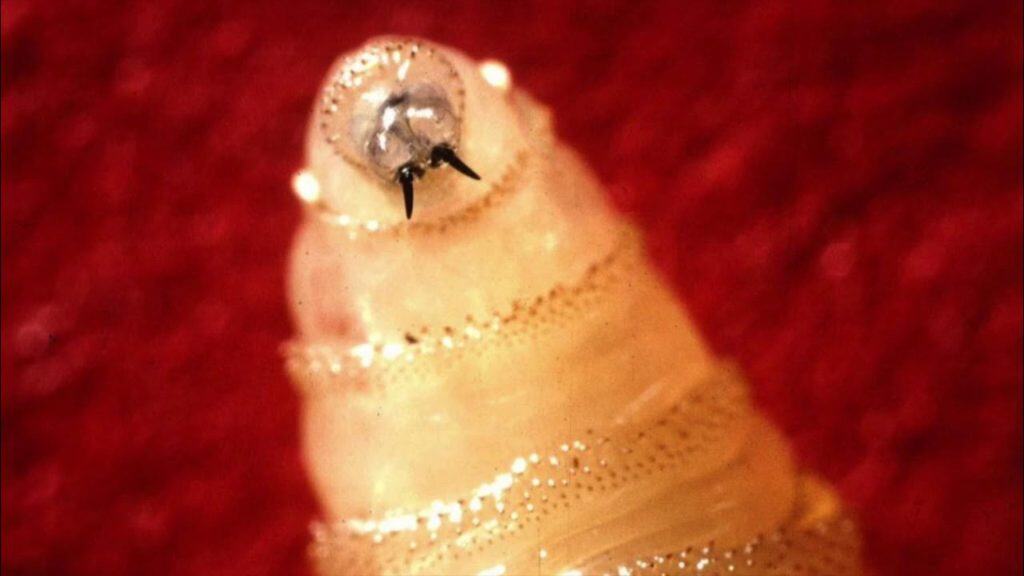
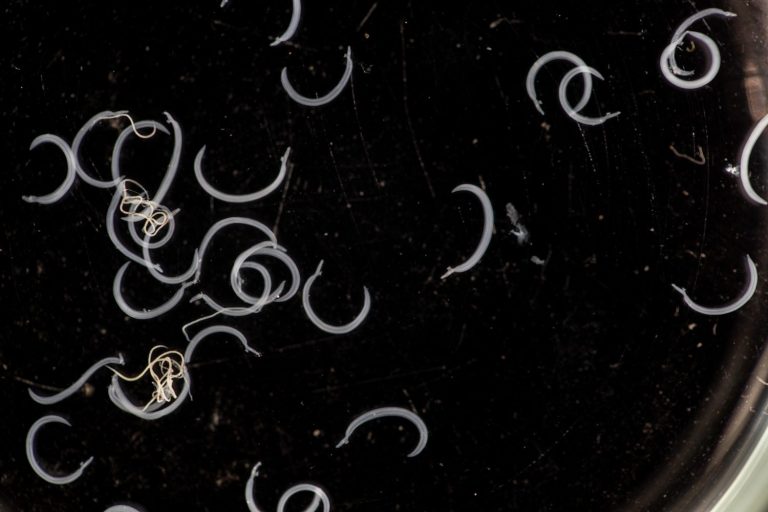
Screwworms have a long tapered appearance with encircling bands of dark spines.
© – Original
Once a female fly finds live tissue, she lays eggs around the lining of the opening. Female NWS can lay 200-300 eggs at a time but up to 3,000 eggs during her short lifespan of 10-30 days. Once the eggs hatch (which can happen in less than a day) the larvae do not reside on the surface of the living tissue. The infestation of New World Screwworm is myiasis, meaning it causes extremely painful infected wounds in the living host.
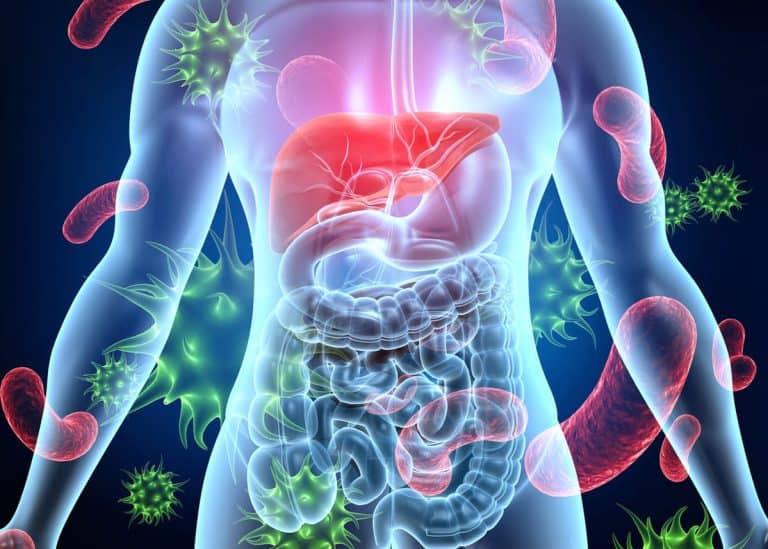
Like their name suggests, screwworms burrow into the live tissue using hook-like mouthparts to anchor themselves and work their way deeper into their host. NWS bury themselves headfirst moving inwards into the wound, which opens the gash further, creating two distinct problems. Firstly, the damage itself creates tissue loss, inflammation, and eventually systemic stress. Secondly, all of these factors create the perfect mix of odor and fluids, signaling to more flies. In a managed setting, it might be easier to intervene without these multiple waves compounding. But in the wild, it’s much harder to control these populations, which is why NWS is such a risk.
Where Wildlife Loses
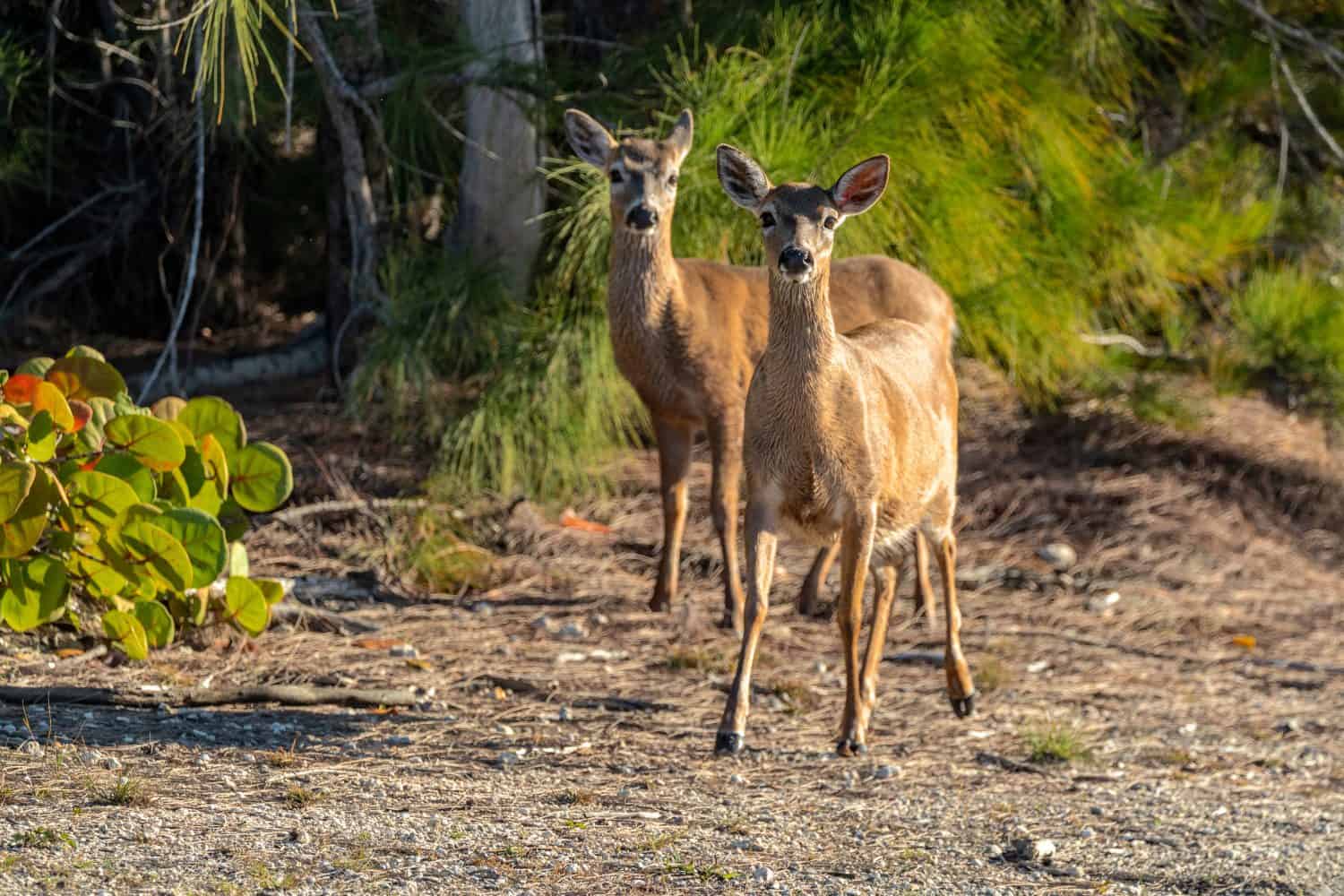
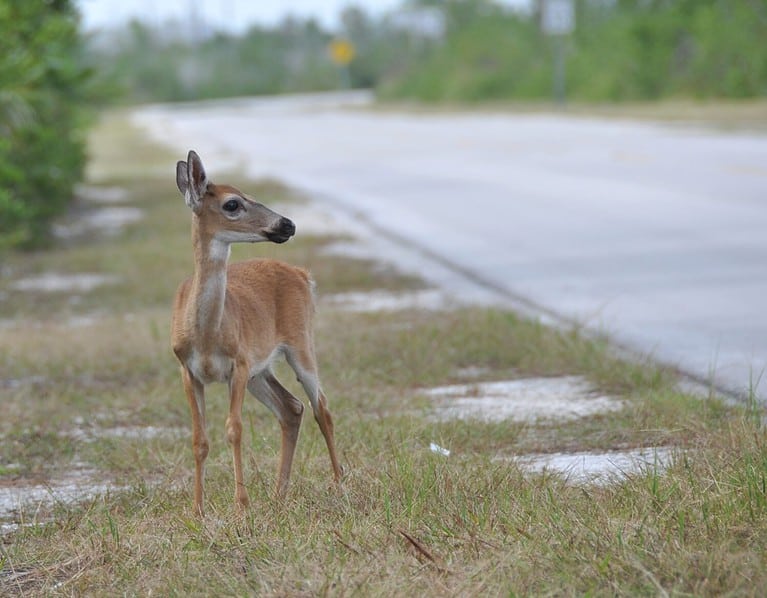
In 2019, Key Deer (Odocoileus virginianus clavium) had an estimated population of only 875 individuals.
©Danita Delimont/Shutterstock.com
The difference between livestock and wildlife populations are their management. Livestock systems have built-in detection. Routine inspections of livestock enable early detection of infestations. The difference is wildlife does not work that way. Typically, early infestations go undetected. In addition, by the time that the infestation is obvious, its usually too late. Even in places like the Florida Keys where Key deer are relatively visible, the toll of NWS escalated quickly.
The Key deer case gets the most attention because it was more visible and well-documented, but it is not the only time NWS has threatened wildlife. Other warm-blooded mammals (not including livestock) are also vulnerable due to injury exposure, limited monitoring, and delayed detection. When left untreated, it takes only 1-2 weeks for an animal to succumb to this parasite. What happened to the Key deer was not isolated. Another rare organism facing the threat of NWS is the endangered mountain tapir (Tapirus pinchaque).
New Threats in the Colombian Andes
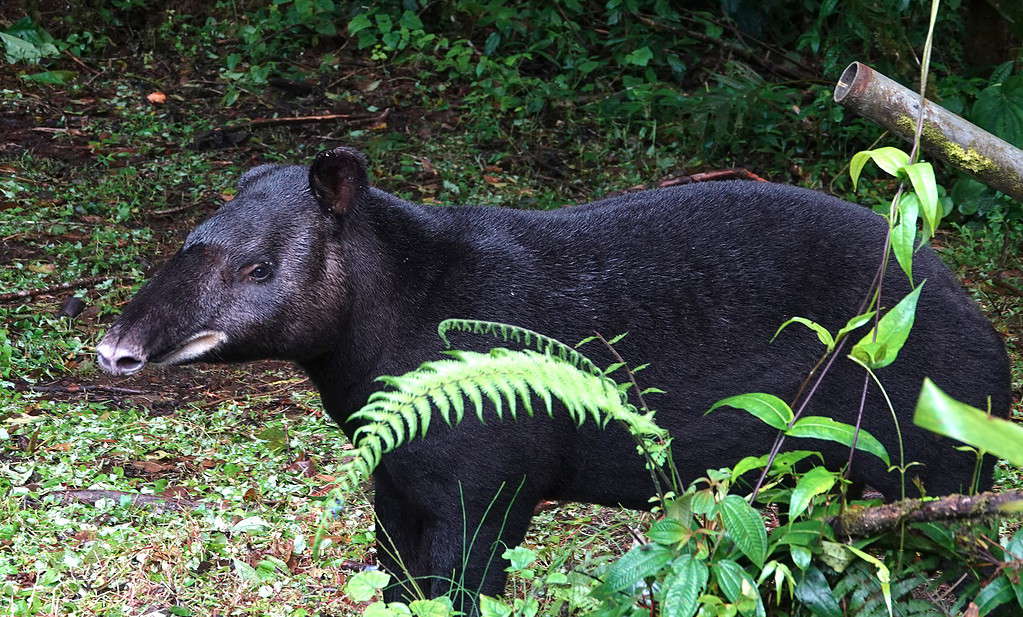
Screwworms were not a known threat in mountain tapirs.
© https://www.inaturalist.org/photos/133819945 – Original / License
Within the past two years, New World screwworm infested two mountain tapirs. These endangered mammals are the most threatened of the four tapir species, with fewer than 2,500 remaining in the wild. The main threats to these animals are due to habitat loss, poaching, and climate change. Now, NWS adds to the list.
Researchers in this study found both tapirs had deep wounds with exposed muscles similar to myiasis. Beyond tapirs, NWS devastates other wildlife. White tailed deer fawn mortality rates from NWS ranged from 25-80% across different regions of the United States. With this assessment, researchers fear other species are also at high risk including the clouded tiger cat, little red brocket, and northern pudu. Though not every species is equally vulnerable, populations that only have a few hundred individuals to begin with have a much shorter window in which to contain infestations. For geographically concentrated species like the Key deer, a concentrated outbreak can quickly turn into a catastrophe. Any behavior that increases the likelihood of wounds or interactions with infected organisms increases risk. Rutting behavior, territorial fighting, and predator interactions all create entry points.
From a conservation perspective, exposure is the main concern. Experts must ask “How many opportunities does this parasite have to get in?” Because once it does, it can be extremely difficult and costly to eradicate.
The Mechanics of a Rapid Repeat
Part of what makes this parasite so difficult to manage is the rapid life cycle. Under warm conditions, the entire cycle from egg to adult can happen in a few weeks. This means that one missed infestation can turn into multiple generations of impacted wildlife or livestock. These flies also move extremely well. Over a couple of weeks, they can travel significant distances to find a more favorable place to reproduce. This, coupled with global warming shifting their habitats northward, makes them the perfect predator for wildlife and livestock. Livestock movement, pets, and even wildlife all play a role in rate of transmission. If an infested animal is migrating, intentionally or not, it can carry the problem with it. This is what turns the localized issues into rapidly spreading problems.
The U.S. locally eradicated NWS with strategic use of the sterile insect technique. This is when scientists use the biology of NWS against itself. Typically, females only mate once during their lifetime. Scientists took note of this and began mass rearing sterile males in lab settings. Sterile insect technique is the gold standard in pest management. While this method remains widely used, its success hinges on maintenance. When sterile fly production plummeted during the pandemic, the biological boundary built began to crumble. At the same time, environmental aspects like warmer temperatures and shifting humidity patterns are creating more favorable conditions for survival. Though not re-established, the screwworm places pressures on our borders which continue to mount. And once this pest gets in, the question is not whether it can spread, but how quickly it will do so.
What We have to Think About
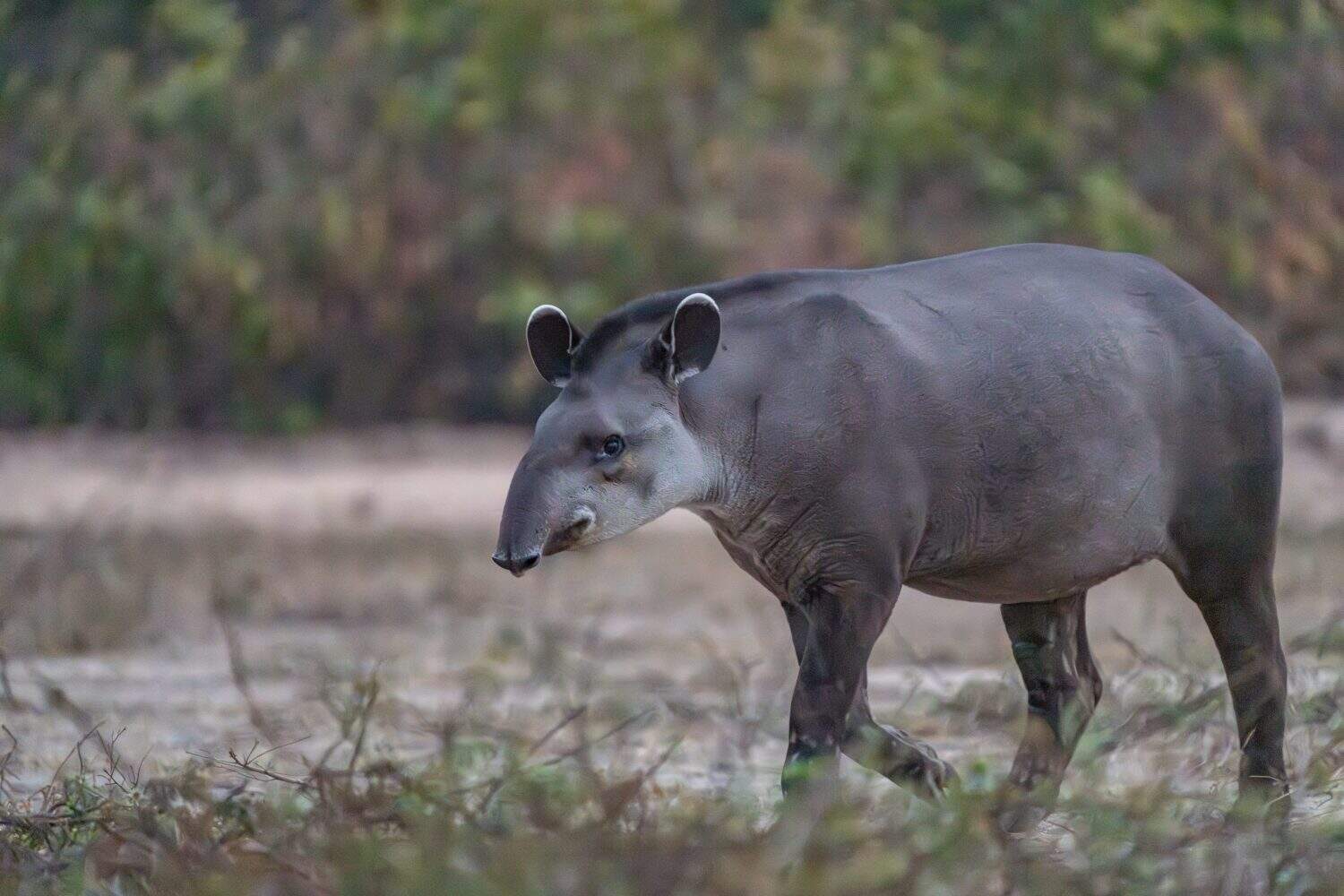
Mountain tapirs carry the nickname living fossils because they’ve changed very little for millions of years.
©Photos BrianScantlebury/Shutterstock.com
The response in 2016 worked due to the swift coordination efforts. But we must remember the window between the first infestation and real population impact is extremely short. The biggest impact from a conservation standpoint will come in the form of prevention and anticipation. Plans like the 2026 coordinated “One Health” response focused on containment in not only livestock but people, all animals, and the environment. Though rare, NWS can impact humans, making this a human crisis as well. Efforts include rebuilding sterile fly production, constructing a new facility in Edinburg, Texas, restoring the barrier in Panama, and increasing surveillance. These strategic actions are a line of defense and proactive measures to a potential infestation.
Through these efforts, experts hope to eradicate NWS. In places where NWS is endemic or naturally occurring, like some parts of South America or the Caribbean, annual economic losses can reach billions of dollars. This shows just how damaging these pests can be when left unchecked. While government agencies head the large-scale eradication, civilians can play their own part by serving as a critical line of defense: early detection. Make sure to keep you and your pets wounds clean and covered while traveling. Nexgard for dogs or Nexgard combo for cats effectively treat NWS. In addition, make sure you report any maggots in a wound. If some fall out, keep them in a tightly sealed jar with 70% alcohol to kill them and save them for proper identification by a local health official.
This screwworm is a reminder of how quickly well-placed protection systems can break down without maintenance. Through our responses, we determine how the situation will play out in the years to come. Fortunately, by acting decisively now, we can contain this crisis and rebuild defenses integral to protecting ourselves, wildlife, and the environment.