
Quick Take
- Habitat fragmentation is to blame for the reduction of many animal populations.
- It leads to inbreeding and a lack of genetic diversity, which makes populations vulnerable.
- In a ‘deceptive calm’ period, the population seems fine, but then it reaches a tipping point, resulting in collapse.
- Scientists have developed a new tool that can identify early warning signs of poor genetic diversity so that conservationists can act sooner.
Many species appear to go extinct suddenly or to suffer catastrophic collapses by which time it is too late to save them. At the heart of many of these losses is habitat fragmentation. A new study, however, has integrated network theory and mathematical population genetics to create a framework for studying how habitat fragmentation is affecting a species – hopefully before it is too late!
The Dangers of Habitat Fragmentation
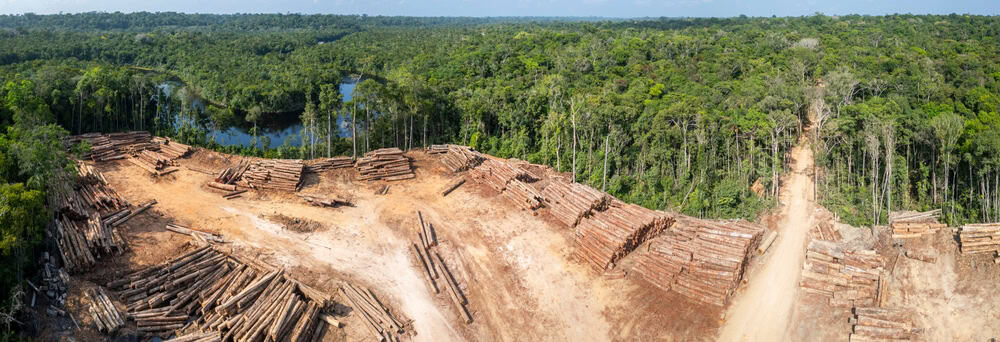
Human infrastructure (roads, cities, agricultural developments) breaks up natural habitats. The wildlife that lived in these places became trapped in small and isolated locations, which drastically reduces their choice of breeding partner. Inbreeding becomes the norm, and with it comes the risks associated with a low genetic diversity, including vulnerability to disease and the inability to survive environmental changes.
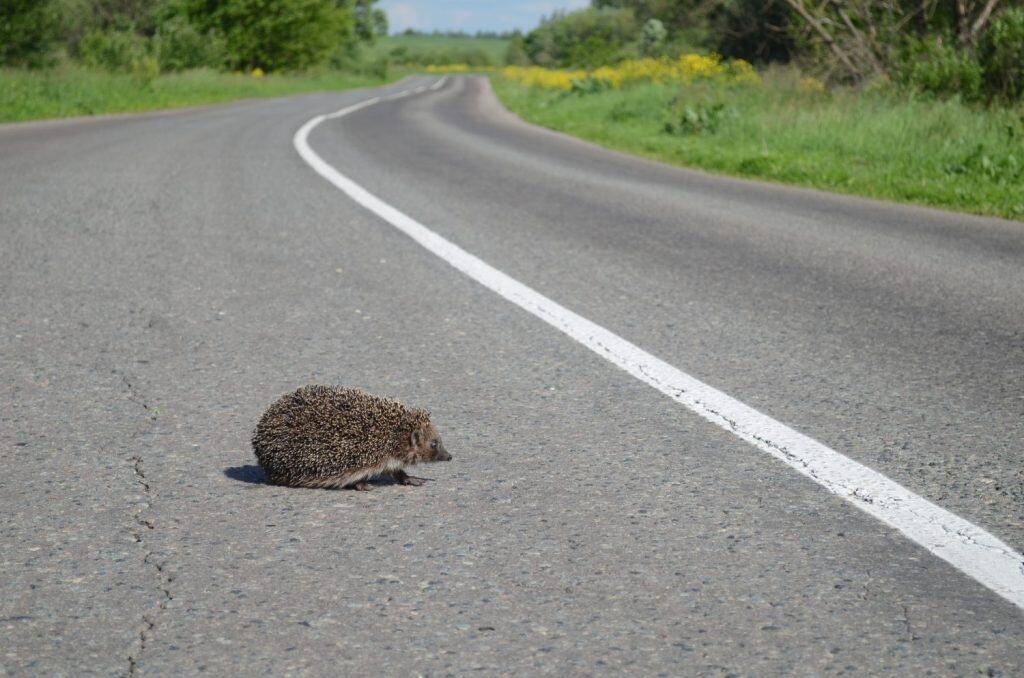
Habitats can be fragmented by roads and other infrastructure.
©Popova Victoria/Shutterstock.com
To the casual onlooker, however, these populations can look perfectly healthy until they suffer a sudden and catastrophic collapse.
New Study Tracking Genetic Decay
A study carried out by scientists from the Hebrew University of Jerusalem (HU) and Cornell University has created a tool that integrates network theory and mathematical population genetics to detect early warning signals that the genetic health of a population is in trouble
Previous models have not taken into account the heterogeneous migration patterns of natural populations in sufficient detail. So, this model combines network theory with mathematical population genetics. Eight different real-world scenarios were simulated, such as the construction of railways.
Identifying a Tipping Point
The study found that the decline in the genetic health of a population often hits a tipping point. It can deviate from expected correlations, such as the link between genetic and geographic distance. A ‘deceptive calm’ can precede a sudden transition once a threshold is reached, and then genetic diversity plummets.
Using statistical probabilities, the researchers can identify early warning signs before the collapse occurs. It can be applied to species ranging from large mammals to amphibians and reptiles across a range of habitats.