
Quick Take
- Screwworms were wiped out in the U.S. once before, and the method used to do it is far stranger than you'd expect. See the eradication history →
- It took less than two weeks for this parasite to go from one infected calf to a full-blown federal emergency. The speed of that spread reveals a terrifying vulnerability. Trace the outbreak timeline →
- States bordering the infestation zone aren't the only ones scrambling. One landlocked state far from Texas just quietly overhauled its animal transport rules. See West Virginia's response →
- The feds aren't just relying on pesticides to hunt screwworms. The surveillance tools being deployed right now would look more at home in a sci-fi film. Discover the detection tools →
Farmers were dreading it, health authorities were awaiting it, and the general populace had no real idea of its approach until the news was flooded with stories about it. The unwelcome screwworm had once again crossed the border of the United States after nearly sixty years of eradication. Its official reentry into the country earlier this year caused an uproar. Both the United States Department of Agriculture and the Centers for Disease Control (CDC) initiated an immediate response. Now, various states are taking different approaches to eradicate this dangerous, parasitic fly for good.
The New World screwworm is the type of creature that feels right at home in horror movies, nightmares, and fever dreams. While fly maggots often appear on the flesh of dead creatures, screwworms prefer their hosts warm. An obligate parasite, screwworms are one of the rare parasites that prefer to feast on open wounds. This increases infections and produces more damaged tissue, which in turn attracts even more flies. Even the smallest scratch on a newborn calf or deer fawn is enough to draw the attention of a female screwworm, who can lay up to 300 eggs at once. This can quickly escalate, producing disastrous effects on animal populations and costing millions of dollars in damage. With these creatures reentering the United States, various states are taking different approaches to ensure screwworms are stopped in their tracks.
Screwworm Background
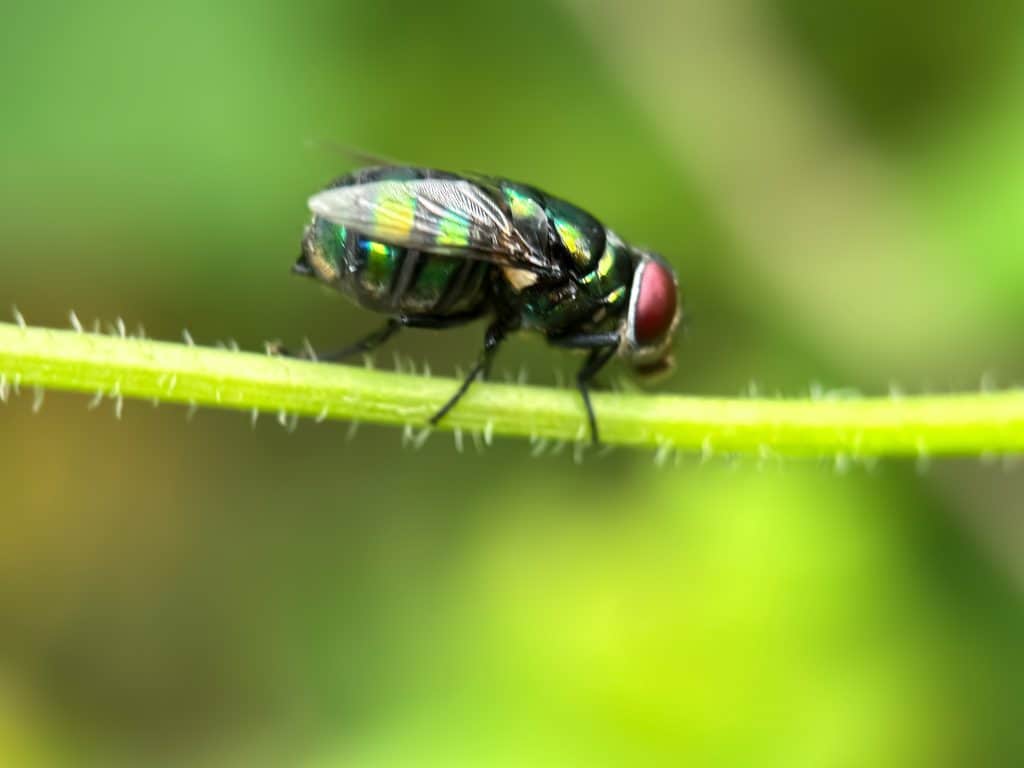
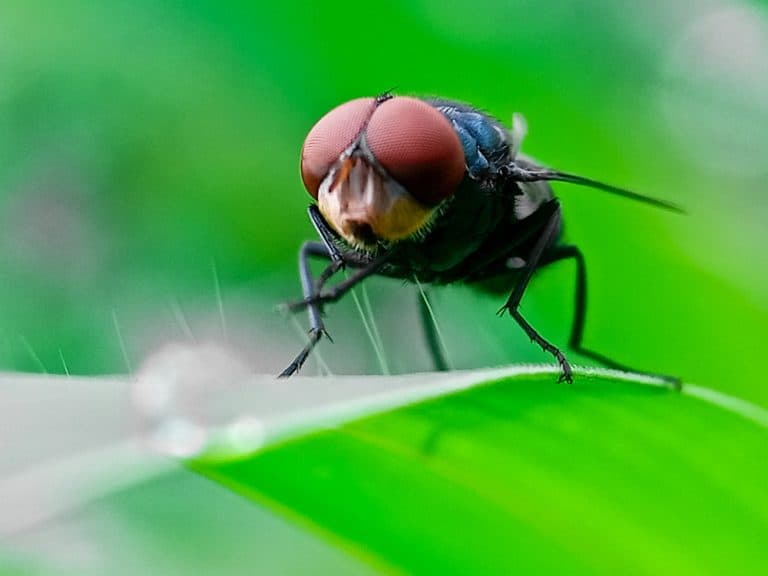
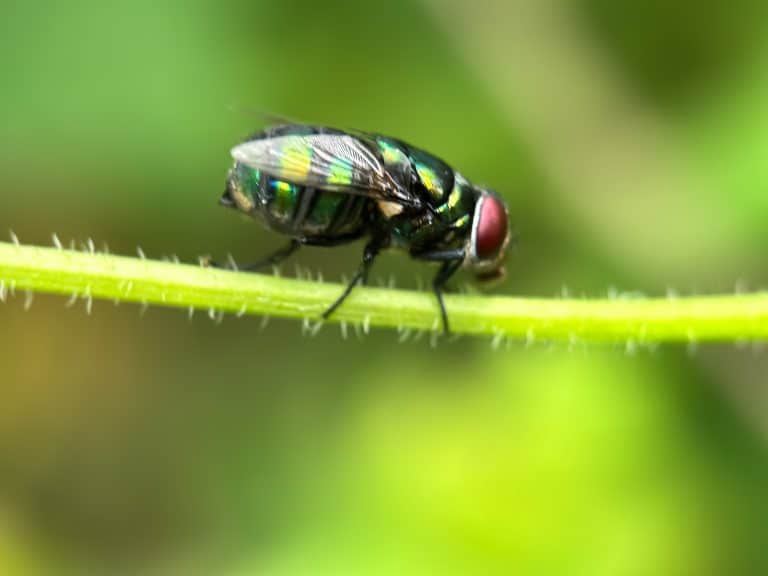
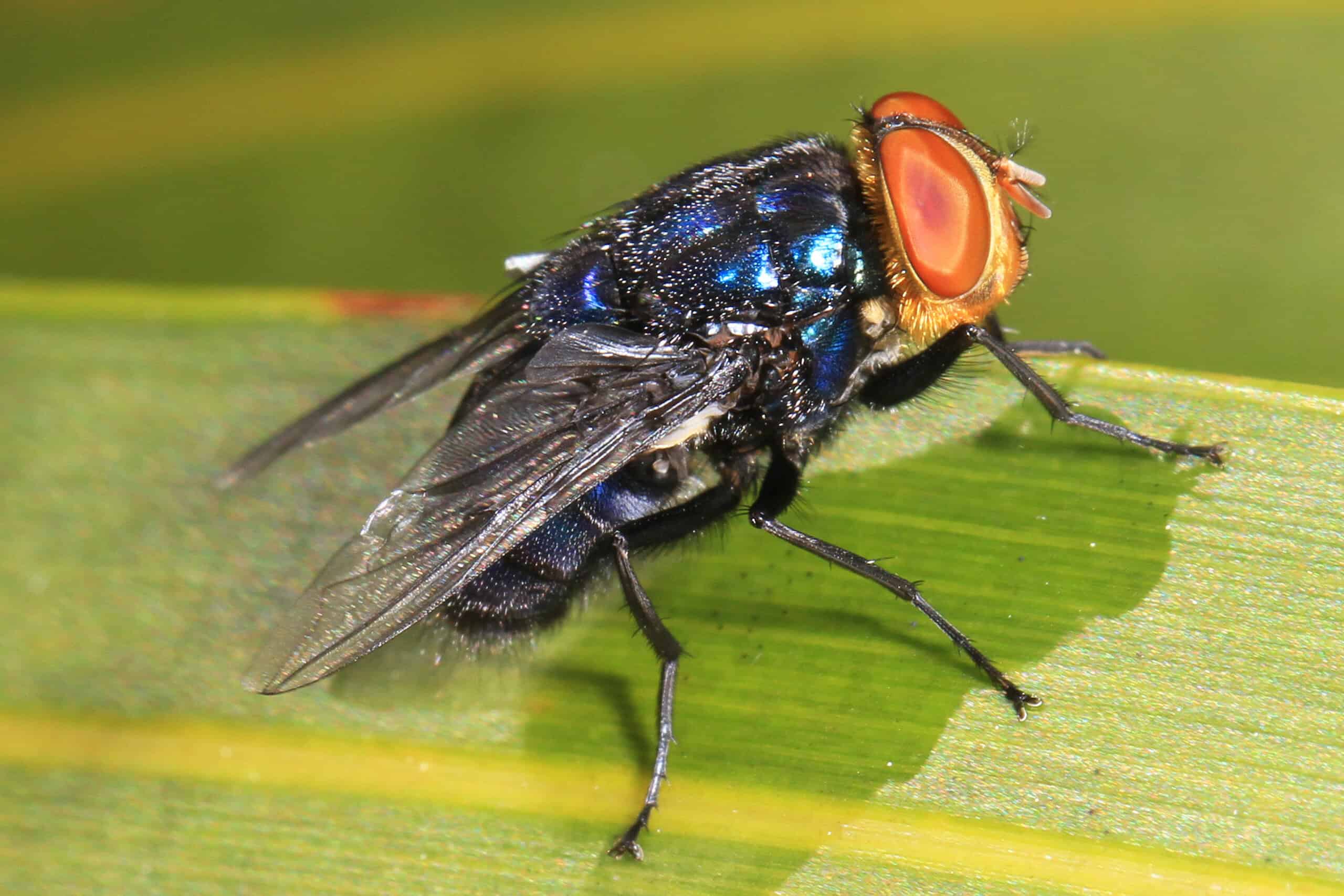
They may look like normal flies, but screwworms are deadly parasites, capable of wiping out whole populations of mammals.
©Faisal.k/Shutterstock.com
New World Screwworms (Cochliomyia hominivorax) are the only species in their genus that are parasitic. Unlike other filth flies, screwworms are parasitic and prefer to feast on the open wounds of warm-blooded hosts. Once a female screwworm finds a host, she lays hundreds of eggs in its open wounds. Upon hatching, the screwworm maggots eat at the host, burrowing deeper into its flesh. Though they only live about 30 days total, they can cause disastrous effects on mammals. The maggots can cause so much damage, in fact, that they can kill their hosts in a matter of days.
Originally, screwworms were distributed in the southern United States, Mexico, and Central America. They were also found in several South American countries like Uruguay and Argentina, as well as on some Caribbean islands. Due to their destructive nature, screwworms faced eradication campaigns initiated by several countries in the past few decades. Using the sterile insect technique, whereby infertile males are introduced into the wild to compete with fertile males and reduce population numbers, the United States officially eliminated the screwworm in 1982. Now, these little parasites are back and threatening livestock populations across the country.
The Terrifying Timeline
In January of this year, the CDC issued a warning. They had detected screwworms in the Mexican state of Tamaulipas, right across the border from Texas. Six months later, at the start of June, authorities found a screwworm in the umbilical area of a three-week-old beef calf about fifty miles across the border into Texas.
Within less than a week, other cases of screwworm infestation had been detected in New Mexico, and more cases appeared in Texas. By June 13th, 12 cases had been confirmed, encompassing New Mexico and Texas. Several government agencies and state apparatuses kicked their responses into high gear. A few days ago, Agriculture Secretary Brooke Rollins announced approximately $105 million in funding for 40 separate projects aimed at defending the country against screwworm incursions.
State Responses
After days of silence, Texas Governor Greg Abbott made the situation clear; he issued a stark disaster proclamation for each of the Lone Star State’s 254 counties; furthermore, the Texas Animal Health Commission placed parts of 13 counties under a strict quarantine. This restricted the movement of all warm-blooded animals until they could be inspected and cleared of infestation.
This prevented animal rescue organizations like Austin Pets Alive! from transporting hundreds to thousands of animals to out-of-state shelters. These decrees may seem extreme, but Texas has so many stray animals that it remains vulnerable to a true screwworm invasion. For now, the coast is relatively clear, but the state is exercising caution.
As for New Mexico, the state’s Livestock Board immediately coordinated a 12-mile quarantine zone around the location where a screwworm case was detected. Now, state officials are trying to stop the fly in its tracks before it infests any other warm-blooded hosts.
Though farther away from the border, states like West Virginia have also taken steps to prevent the entry of screwworms. The Mountain State mandates that all warm-blooded animals entering from the screwworm-infested zone must “comply with national continuity of business movement guidance and obtain an entry permit from WVDA at least 48 hours prior to movement.”
Time Will Tell
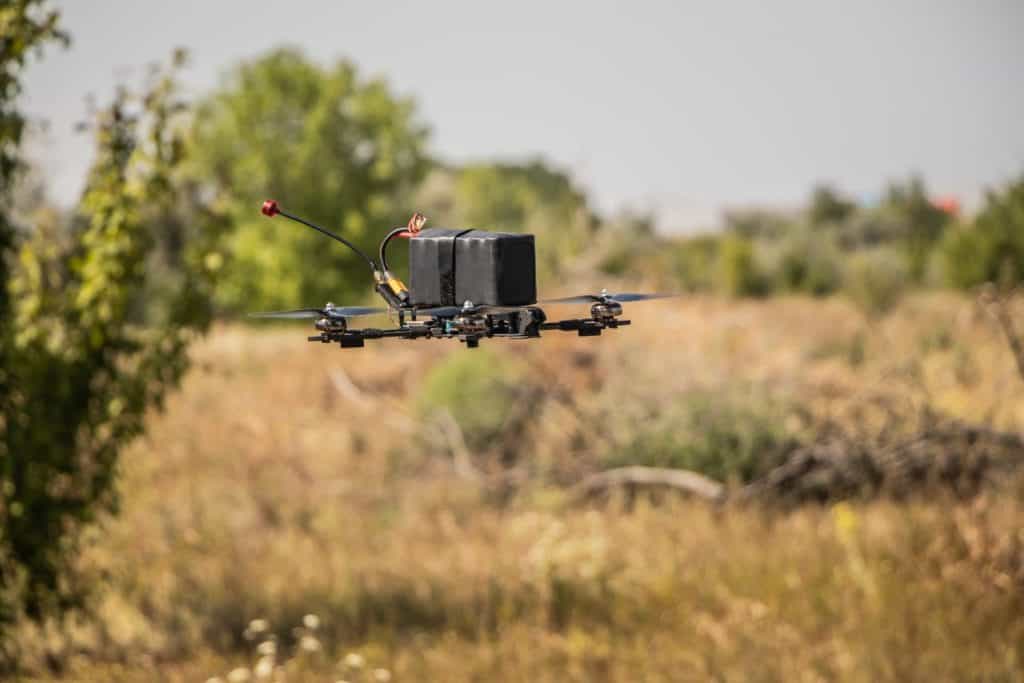
The Department of Homeland Security is deploying AI-equipped drones to monitor for screwworm activity.
©Kosmos_kom/Shutterstock.com
No one is quite sure what the future holds when it comes to New World screwworms in the United States. While only 12 cases have been confirmed so far, state and federal agencies aren’t taking any chances. Case in point: with the USDA’s grand screwworm challenge, dogs are being trained to sniff out larvae, and the Department of Homeland Security is even deploying AI-equipped drones to monitor more remote wildlife populations. Time will tell if the screwworm can be eradicated once again. Otherwise, it might burrow more permanently into the pastures and backyards of North America.