Quick Take
- One specific feature of the Texas facility at the center of this outbreak made viral transmission almost unavoidable, and this feature is still a widespread practice. The Texas facility details →
- When pseudorabies jumps from pigs to other animals, what happens next explains its disturbing nickname. The reality is far worse than the name suggests. Why it's called mad itch →
- The eradication strategy that cleared pseudorabies from U.S. farms had a built-in blind spot, one that made this comeback almost inevitable. The eradication blind spot →
- Humans can't catch pseudorabies, but its return still poses a serious threat to something millions of Americans depend on every day. Risks to food supply →
For the first time since 2004, scientists have detected pseudorabies in commercial swine populations. In late April, routine testing at a small commercial facility in Iowa detected antibodies against pseudorabies virus. Subsequent tracing produced a clear line of infection starting in an outdoor Texas facility. Previously thought to be eradicated, this highly contagious, respiratory, and neuropathic infection that mimics rabies is once again sending shockwaves through the agricultural industry.
Also called Aujeszky’s disease and the mad itch, pseudorabies is an alphaherpesvirus that affects a wide range of mammals, including dogs, cats, cattle, and rodents. Despite its name, pseudorabies is not related to the rabies virus. Nor is it a danger to the populace, as humans are resistant to the virus. Even so, the appearance of a once-eradicated virus serves as a wake-up call for both the agricultural and scientific communities. It suggests that effective eradication campaigns do not prevent viral pathogens from silently spreading from wild to commercial animal populations. Let’s learn more about pseudorabies and what its presence in American swine populations means for the ecological landscape.
The Mad Itch
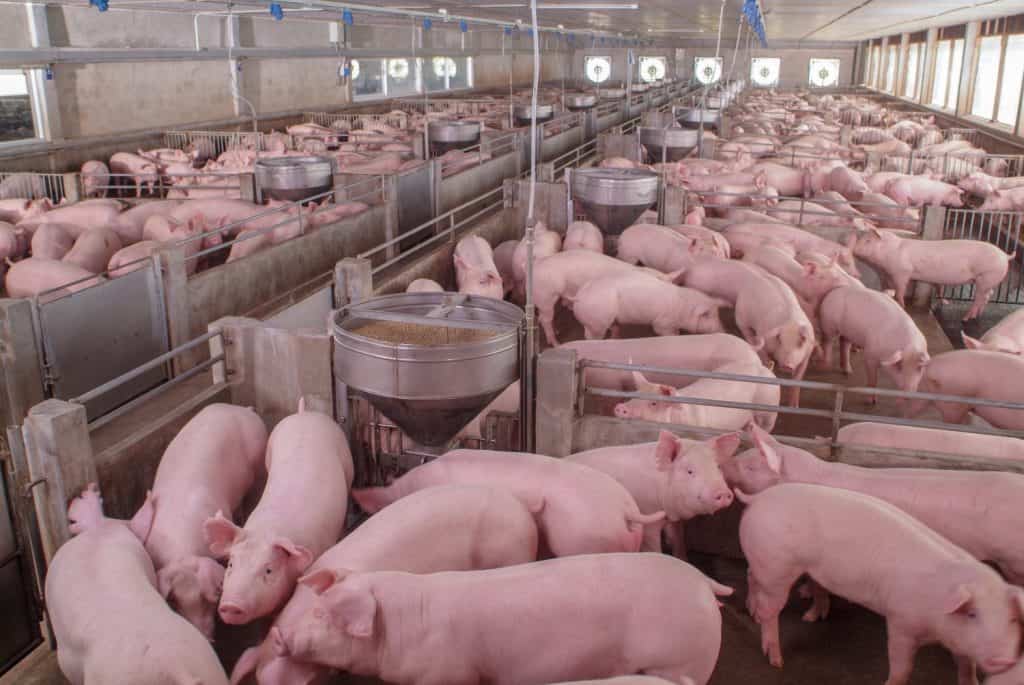
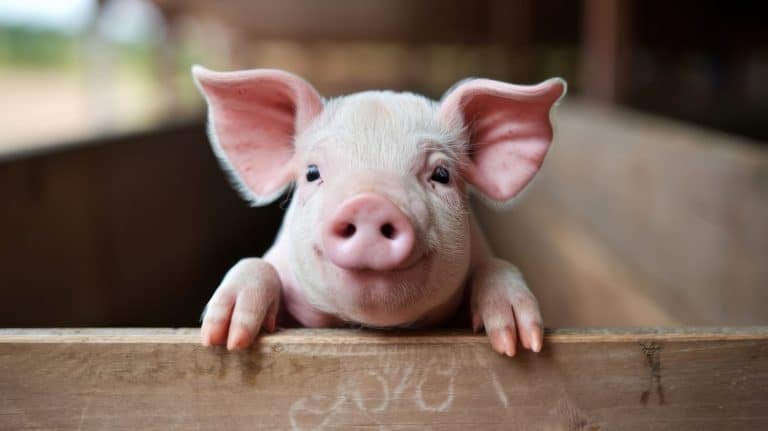
Pigs at a commercial swine facility in Iowa recently tested positive for the pseudorabies virus (PRV).
©Mai.Chayakorn/Shutterstock.com
Pseudorabies virus (PRV) causes a viral disease in swine; it is caused by Suid alphaherpesvirus 1. Not to be confused with rabies, which shares some symptoms, pseudorabies is a type of herpesvirus that finds its only natural reservoir in swine. Discovered by Hungarian veterinarian Aladár Aujeszky, pseudorabies can infect and often kill other mammals, including dogs, cats, rodents, and cattle. However, humans remain resistant to pseudorabies.
Pigs are the only natural reservoir for the disease, resulting in dramatically different symptoms depending on age. While mature pigs infected with pseudorabies exhibit symptoms of reproductive disruption, including spontaneous abortions and stillbirths, neonatal pigs suffer from blindness, tremors, and seizures. When the virus manages to spill over into other mammal populations, it often attacks their central nervous systems. This causes intense neuropathic symptoms, which is why the disease is called the “mad itch.” The condition quickly progresses to brain inflammation and, in almost all cases, death.
For most of the 20th century, pseudorabies was largely limited to certain swine populations because the virus primarily existed in genital strains, which were less easily transmitted. However, after respiratory strains of the virus were introduced to Denmark in 1964 through imported swine, the disease spread rapidly. Its disastrous effects on agriculture and its highly contagious transmission resulted in pseudorabies becoming a serious target for health authorities. In the United States, a 15-year joint state and federal campaign eradicated pseudorabies from American farms. This remained true until agricultural authorities detected the virus at a small Iowa facility.
Pseudorabies Reemergence
This month, pseudorabies was detected for the first time in over 20 years during routine testing at a small commercial facility in Iowa. A traceback completed by the USDA’s Animal and Plant Health Inspection Service (APHIS) found that five of the affected boars were previously at an outdoor facility in Texas.
Subsequent testing showed that this Texas facility contained other animals with PRV. As reported by Western AG Network, APHIS “is working with officials in Iowa and Texas to expand traceback efforts and identify any additional potential exposures.”
The Wild Hog Problem
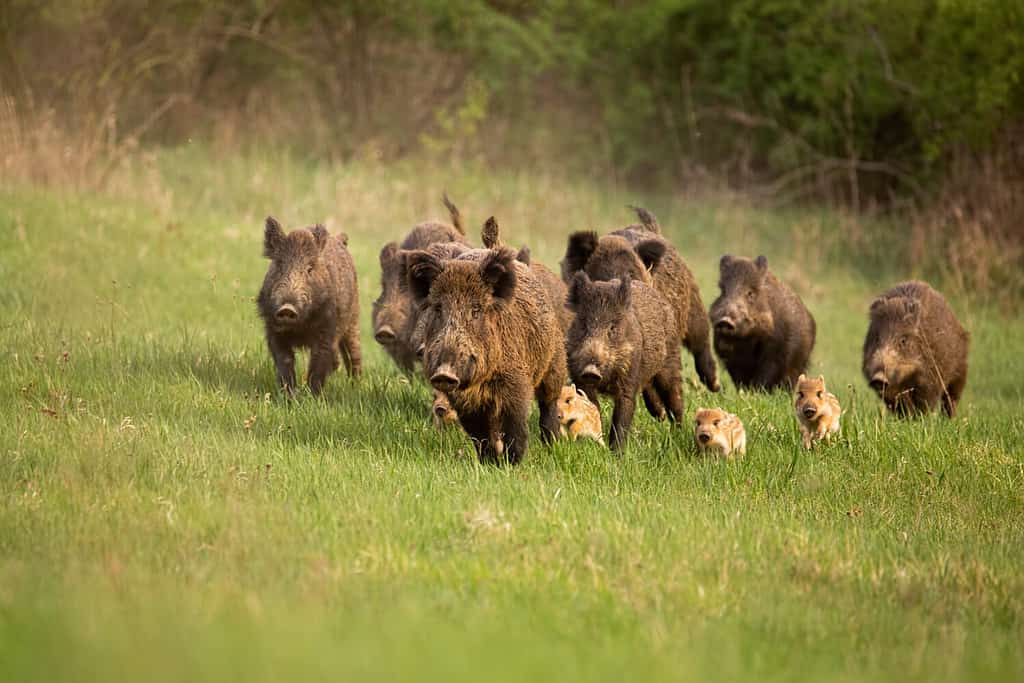
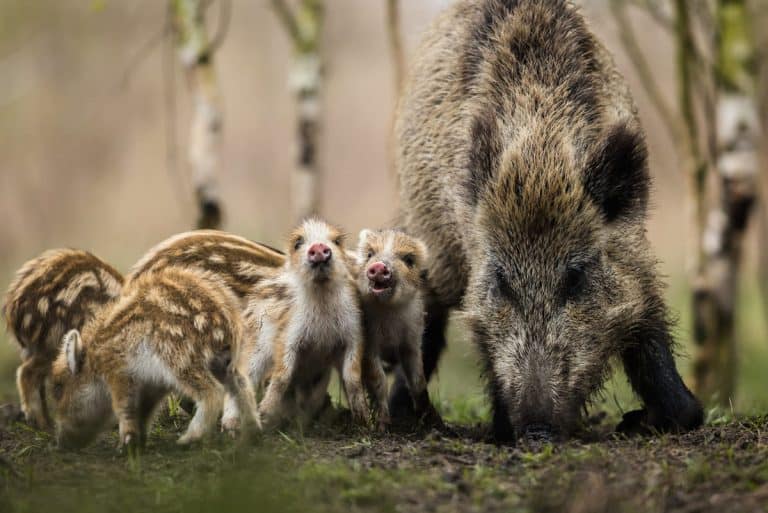
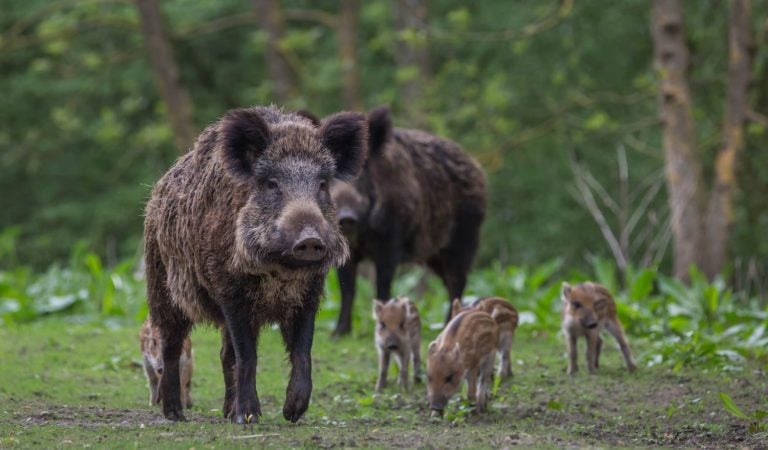
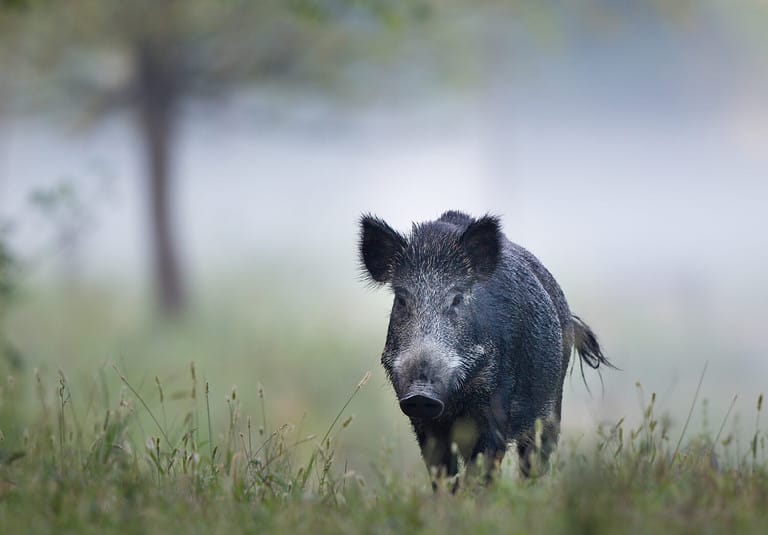
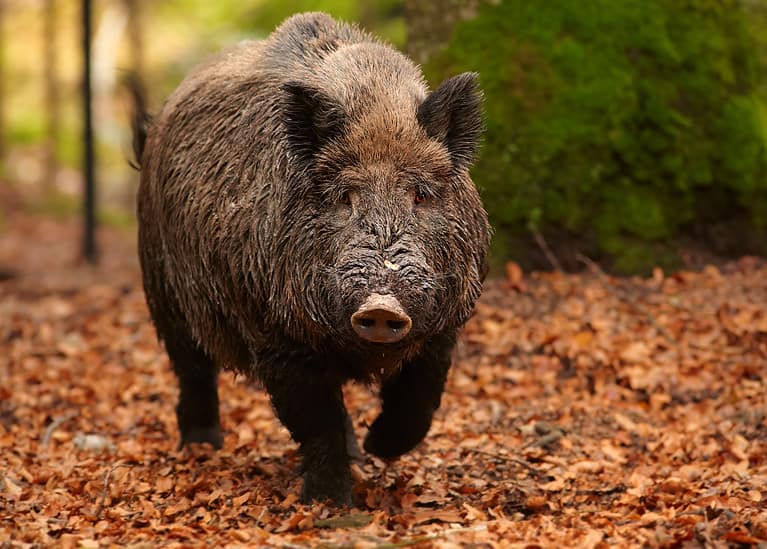
Wild boars are resilient to the virus and lack the type of vaccines that protect commercial populations. Interaction between the wild and domesticated pigs can lead to virus transmission.
©WildMedia/Shutterstock.com
The 2004 eradication of pseudorabies virus from commercial swine populations relied on three key strategies. Fundamentally, the joint state and federal campaign used the DIVA strategy (Differentiating Infected from Vaccinated Animals). Within a year of the 1985 push, scientists licensed the first live, bioengineered vaccine featuring a gene deletion.
This allowed scientists to not only vaccinate entire herds, but also easily differentiate between vaccinated and non-vaccinated pigs with an ELISA blood test. To incentivize producers, the USDA then implemented a financial compensation program for voluntarily culling infected herds and cleaning facilities. With a standardized five-stage system in place, the USDA was able to eradicate pseudorabies virus from the commercial swine population by 2004.
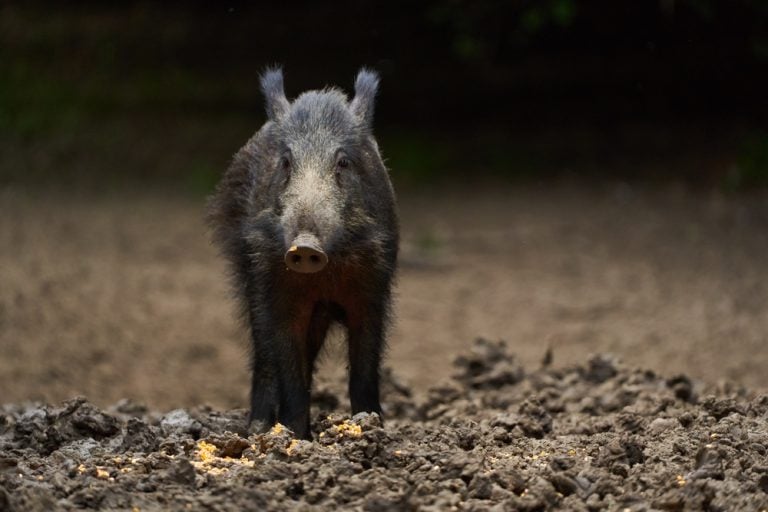
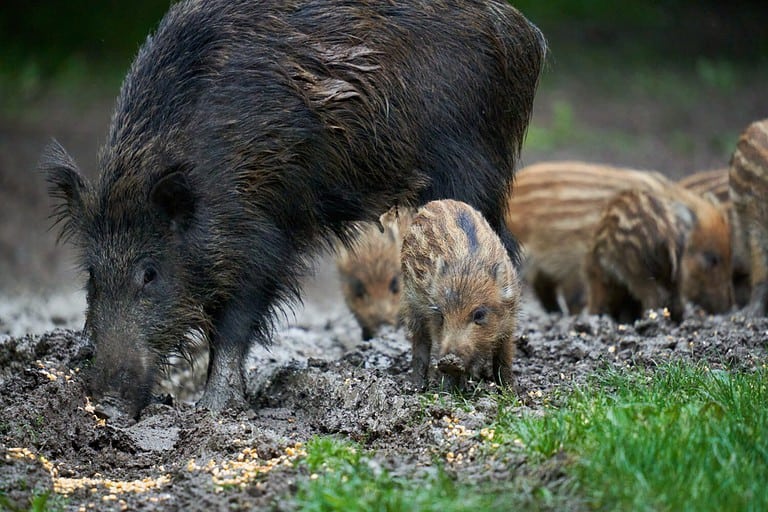
However, the only problem was the wild hog population. Millions of hogs roam the country, with Texas holding the largest population of wild pigs. Wild hogs are naturally resilient to pseudorabies but can still serve as effective hosts for the virus. In areas with wild and commercial swine crossover, dangerous pathogens can spread. According to Joyce Kelly with the Colorado Pork Producers Association, as quoted by Western AG Network, there are many feral hogs in Texas. She said, “When you have hogs that are raised where they can touch noses through fences and that sort of thing, then it becomes transmittable.”
Further Implications
Health authorities detected the pseudorabies virus quickly, but its reemergence still has significant ramifications for agriculture. Although authorities were able to quickly quarantine the affected animals and prevent further transmission, the ease with which the virus spread from feral to domesticated pigs highlights vulnerabilities in current biosecurity measures.
The reemergence of a previously eradicated disease sounds an ecological alarm bell. Without better handling of wild populations, domesticated populations will continue to be at risk. Long-term, this could have profound effects on our food supplies.