
People with typical hearing often take for granted the countless sounds they recognize and respond to throughout the day, such as a phone ringing or someone knocking at the door. However, for people who are d/Deaf or hard of hearing, these everyday signals can present significant challenges. Hearing assistance dogs provide invaluable support by helping people recognize and respond to important sounds. These highly trained dogs are loyal companions and vital partners to their handlers, alerting them to crucial auditory cues and helping them confidently navigate the world. Let’s explore how these remarkable dogs are chosen, how they are intensively trained, and the profound impact they have on the lives of the individuals they assist.
What Is a Hearing Dog?

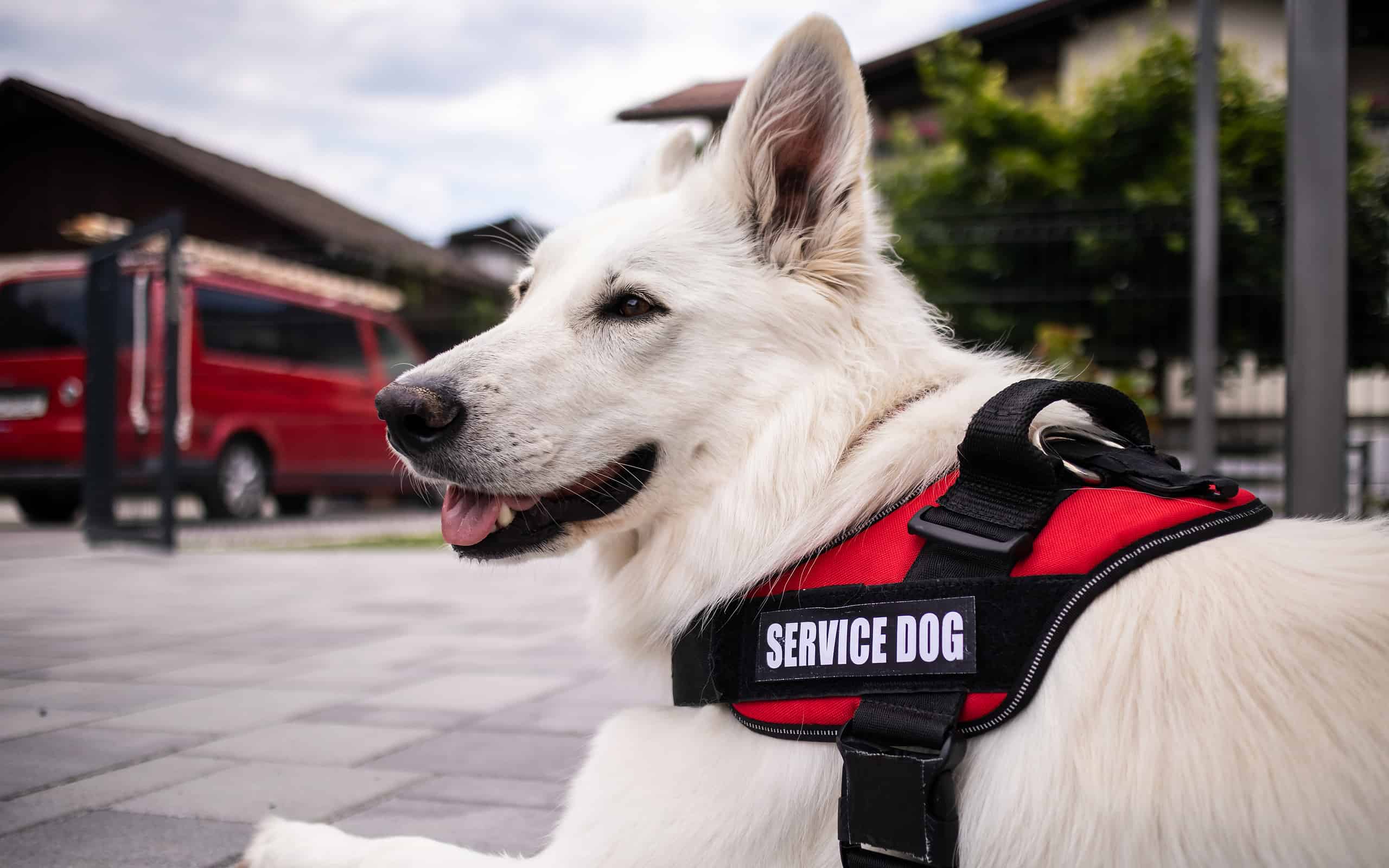
Hearing dogs often wear a vest or collar to signify their role.
©iStock.com/cgshoots
Hearing dogs help people who are d/Deaf or hard of hearing. Whether at home or out and about, these incredible dogs alert their handlers (or owners) to important sounds, such as smoke alarms or doorbells, by physically touching them—often with a nudge to the arm or leg. Training a hearing dog demands a significant investment of time and resources. It takes commitment and a lot of hard work from both the trainers and dogs to achieve the necessary level of skill. However, the outcome is a valuable companion that greatly improves the safety and independence of someone living with hearing loss.
What Do Hearing Dogs Do?

In the United States, hearing dogs are allowed in public areas.
©Steve Shoup/Shutterstock.com
The National Deaf Center reported that around 11 million people in the United States considered themselves d/Deaf or hard of hearing in 2021. In addition, the Hearing Loss Association of America (HLAA) suggests that 50 million Americans experience some level of hearing loss. Hearing dogs provide companionship and serve as reliable partners, helping these individuals feel more confident and safe as they navigate a world filled with audible sounds. Hearing assistance dogs undergo special training to help their handlers with a variety of tasks. At home, they learn to signal important sounds, such as a knock at the door, a baby crying, timers, smoke alarms, or a pot boiling on the stove. Many hearing dogs also accompany their handlers to work and other public places. They can alert their handlers to sounds such as a cell phone ringing, crosswalk and traffic signals, dropped items, or when someone is trying to get their attention.
Of course, hearing dogs do more than simply alert their handlers to important sounds. Research indicates that people with hearing dogs experience significantly less loneliness as well. The dogs tend to improve their handlers’ connection with family, friends, and neighbors. In fact, studies suggest that having a hearing dog can boost overall health and well-being and encourage a more active lifestyle. This is likely because the dogs foster greater independence and provide valuable companionship.
How Are Hearing Dogs Trained?

Many highly skilled hearing dogs receive positive reinforcement training.
©Paya Mona/Shutterstock.com
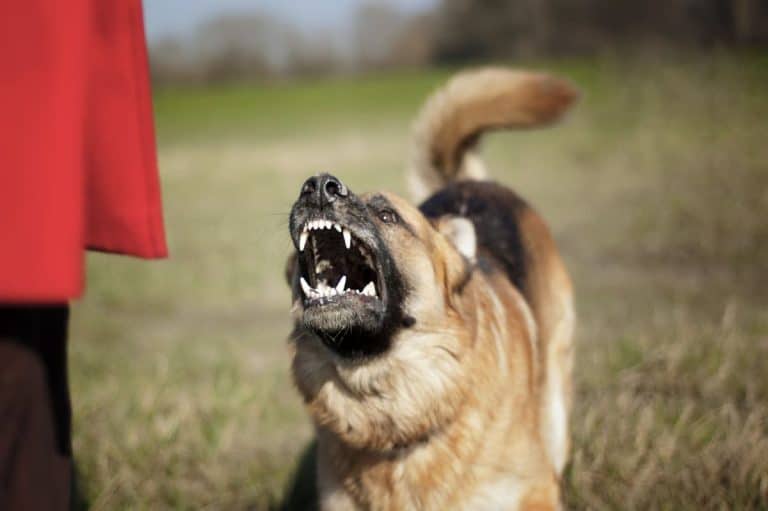
Some organizations focus solely on particular breeds, such as golden retrievers or Labrador retrievers, while others train mixed-breed dogs or even those rescued from shelters. A dog’s exact pedigree is not a requirement to become a hearing dog; what matters most is the dog’s temperament and trainability. Becoming a hearing assistance dog is not easy. Each dog must undergo temperament testing to ensure it is alert, observant, and intuitive without being overly anxious or reactive. The ideal candidates are sensitive to sounds, easily trainable, and enjoy being around people and other animals.
Once a dog is selected, it begins extensive basic obedience training, just like any other service dog. This includes mastering commands such as “stay,” “sit,” “heel,” and “come.” In addition, the dogs undergo early socialization. Trainers expose them to a wide variety of people, places, environments, sounds, smells, and other animals. This ensures they can remain comfortable and calm in any public setting. The dogs are also thoroughly trained to navigate public spaces safely, which means walking calmly on and off leash and ignoring distractions while on duty.
What Sounds Do Hearing Dogs Listen For?

There are many considerations and requirements for becoming a hearing dog.
©iStock.com/Photoboyko
After mastering these service dog basics, the dogs move on to specialized training to identify specific sounds. They learn to recognize sounds that will be important for their future handler, such as:
- Disaster alarms (fire, smoke, hurricane, tornado, etc.)
- A ringing telephone
- Knocking at the door
- Doorbells
- Alarm clocks
- Oven or microwave timers
- A crying baby
- Medical equipment (if needed)
- Their handler’s name being called
Trainers use positive reinforcement to help the dogs associate each specific sound with a desired alerting behavior. For example, if a dog nudges its handler when the phone rings, it receives a reward. Depending on the sound, the dog might alert its handler by gently nudging them with its nose or paw, placing a paw on their arm or lap, carefully guiding them to the source of the sound, or even lying down to prevent them from moving toward danger. The dogs are trained to recognize these sounds and respond appropriately in various locations and situations to ensure accuracy and reliability.
Once a hearing dog is matched with its handler, the handler must also learn the dog’s specific alerts and cues. The pair works together to build a strong partnership, which may take several weeks, depending on individual needs. Dogs can also receive further training for sounds that are particularly relevant to their handler’s lifestyle or needs. Some dogs are even taught to respond to specific hand signals in American Sign Language, allowing their handlers to communicate with them more easily. Reputable training organizations that provide hearing dogs typically offer ongoing support and follow-up training to ensure the partnership between the dog and handler remains successful over the long term.
How Do You Get a Hearing Dog?

The best hearing dogs are steady, calm, and confident.
©Natalia Bostan/Shutterstock.com
Organizations that train and provide hearing dogs typically require an initial screening, a detailed application, and an interview. This helps the organization identify the right dog for each individual. Getting a trained hearing dog takes time—anywhere from a few weeks to several months—due to the selection and training involved. This process—including the dog’s care, placement with a handler, veterinary needs, and specialized training—can be quite expensive, costing anywhere from $10,000 to $50,000. Some organizations offer reduced fees or even cover the costs through donations, fundraising efforts, and grants.
However, you also have the option of training your own hearing dog at home. You can find many helpful resources and enroll in courses that teach the correct methods and requirements. One of the most crucial steps is choosing the right dog, as this will significantly impact your success.
You’ll need to select a breed and a dog that is a good fit for you and with whom you can connect. Many people find that cocker spaniels, German shepherds, Labrador retrievers, poodles, and cockapoos are well-suited to be hearing dogs. However, the most important thing is to pick a dog whose temperament and needs align with your lifestyle.