

Quick Take
- Cats choose sleeping spots based on warmth, safety, and visibility.
- Common locations (sinks, laps, laundry, windows) reflect comfort and trust levels.
- Hidden spaces signal a need for security; open areas suggest confidence.
- Changes in sleep habits can reveal stress, health issues, or environmental preferences.
Cats sleep a lot, but they rarely pick a spot at random. When your cat wedges into the bathroom sink, buries into a warm pile of laundry, or stretches across your lap, their behavior sends hints about how they feel in your home. Each sleeping spot balances warmth, security, and curiosity in a different way. When you notice where your cat curls up, you learn how they manage comfort, stay safe, and choose who—and what—they trust most.
Cooling Off in the Sink
If you have ever walked into the bathroom and found your cat curled into the sink basin, you belong to a large club. Cool materials like porcelain or ceramic pull excess body heat away from a furry body, and that coolness feels amazing to a cat whose normal temperature runs higher than yours and who still prefers warm air overall. The rounded sink shape works like a snug nest and gently holds the cat’s body on all sides. This support helps them feel contained and secure while they nap.
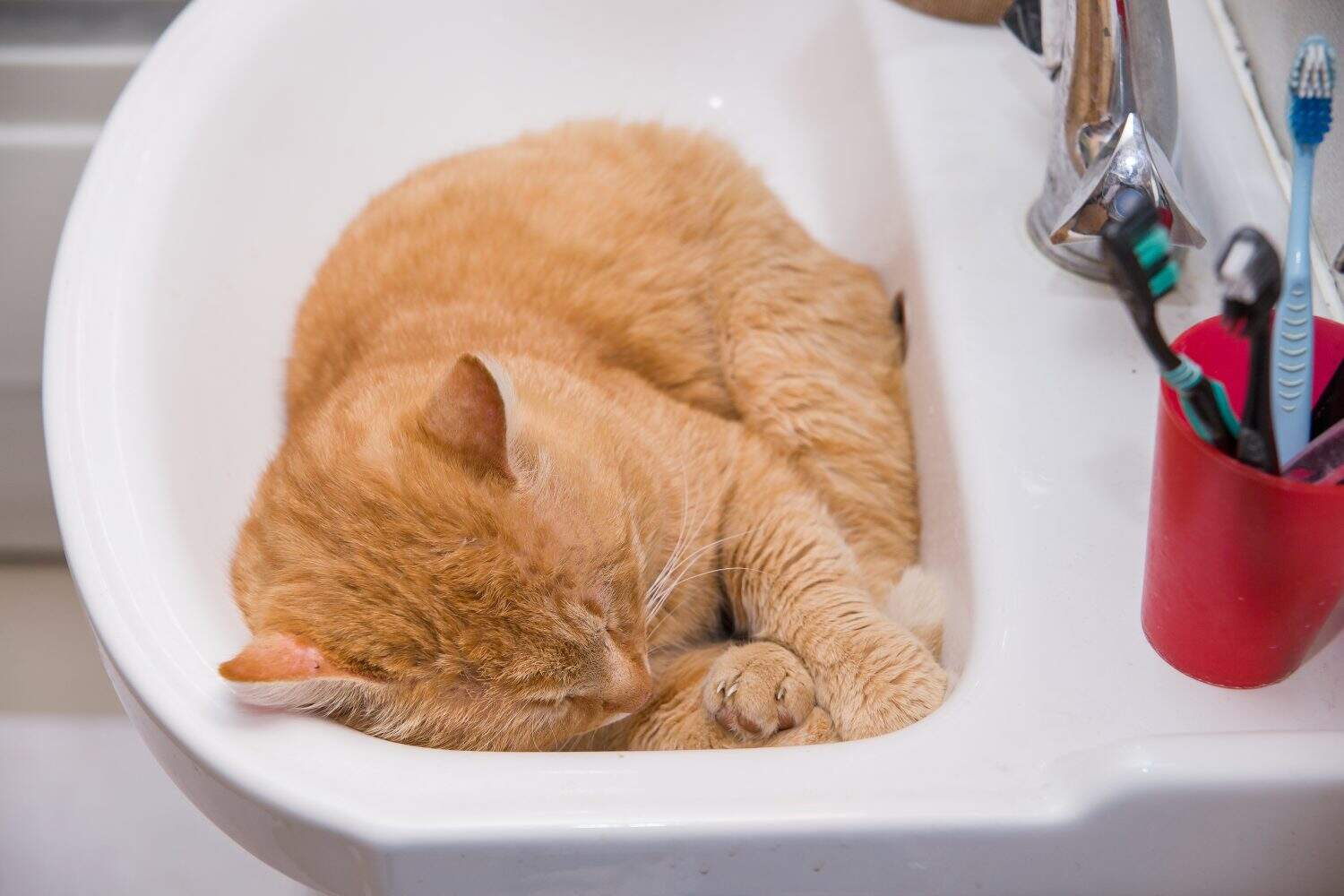
Cats enjoy the cool porcelain, rounded support, quiet location, and high position of a bathroom sink.
©Serrgey75/Shutterstock.com
Many bathrooms stay quieter than busy areas like kitchens or living rooms, so your cat can relax there without people stepping over them or startling them with sudden noises. Because sinks usually sit substantially higher than the floor, they also give a better view. From that perch, your cat can rest and watch the doorway like a tiny, relaxed guard on duty. When your cat chooses the sink, they usually want to cool down and enjoy a peaceful, secure hideout, not just act quirky for fun.
The Laundry Pile Nest
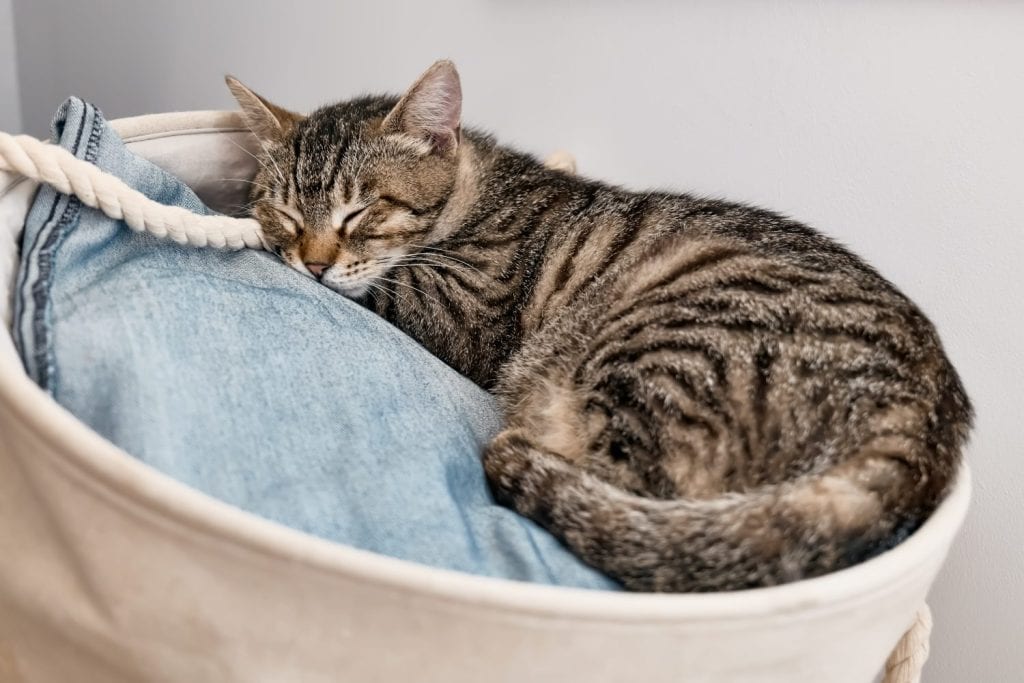
A basket of warm laundry feels like a luxury cat bed.
©Caterina Trimarchi/Shutterstock.com
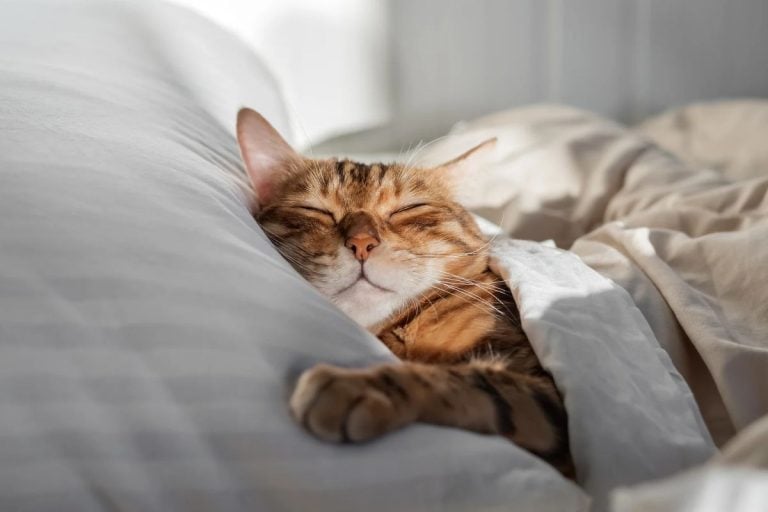
A warm, freshly washed mountain of laundry basically becomes a luxury cat bed you never meant to buy. Soft fabrics trap heat and create a cushioned surface. That combination feels especially inviting to an animal that sleeps many hours a day and prefers spots that conserve body warmth instead of stealing it away. Piles of clothing or blankets also form a mini-den. Folds and layers turn into gentle walls that let cats sink in and feel partly hidden, much like the way they enjoy boxes, drawers, or covered beds.
Many people assume cats are searching for the comforting scent of their human. Your smell does matter, and it forms part of the environment they know well. At the same time, behaviorists suggest that a familiar, nest-like space itself can serve as a powerful “secure base,” especially when it holds the mixed scents of the household they claim as their territory. When your cat burrows into the laundry, they may combine all three perks at once: a soft and warm mattress, a semi-enclosed hiding place, and a spot that smells like the home they own. In everyday terms, this behavior often points to a cat who likes privacy and coziness and who feels confident enough to settle right in the middle of your everyday chores.
The Lap of Trust
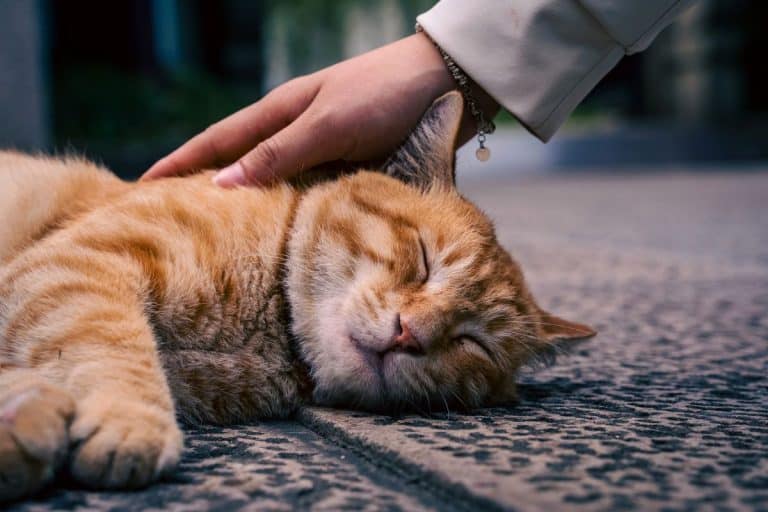
When a cat decides your lap is the perfect place to sleep, they mean it. Human laps provide warm, slightly cushioned surfaces that help a cat stay toasty without spending extra energy. Your lap also raises your cat a little off the ground. From there, they gain a better view and a stronger sense of safety than they get from an exposed spot on the floor. Most importantly, resting on your body shows deep trust. Cats feel most vulnerable while asleep, so when they drift off on top of you, they show that they expect you to protect them and that your presence helps them unwind.
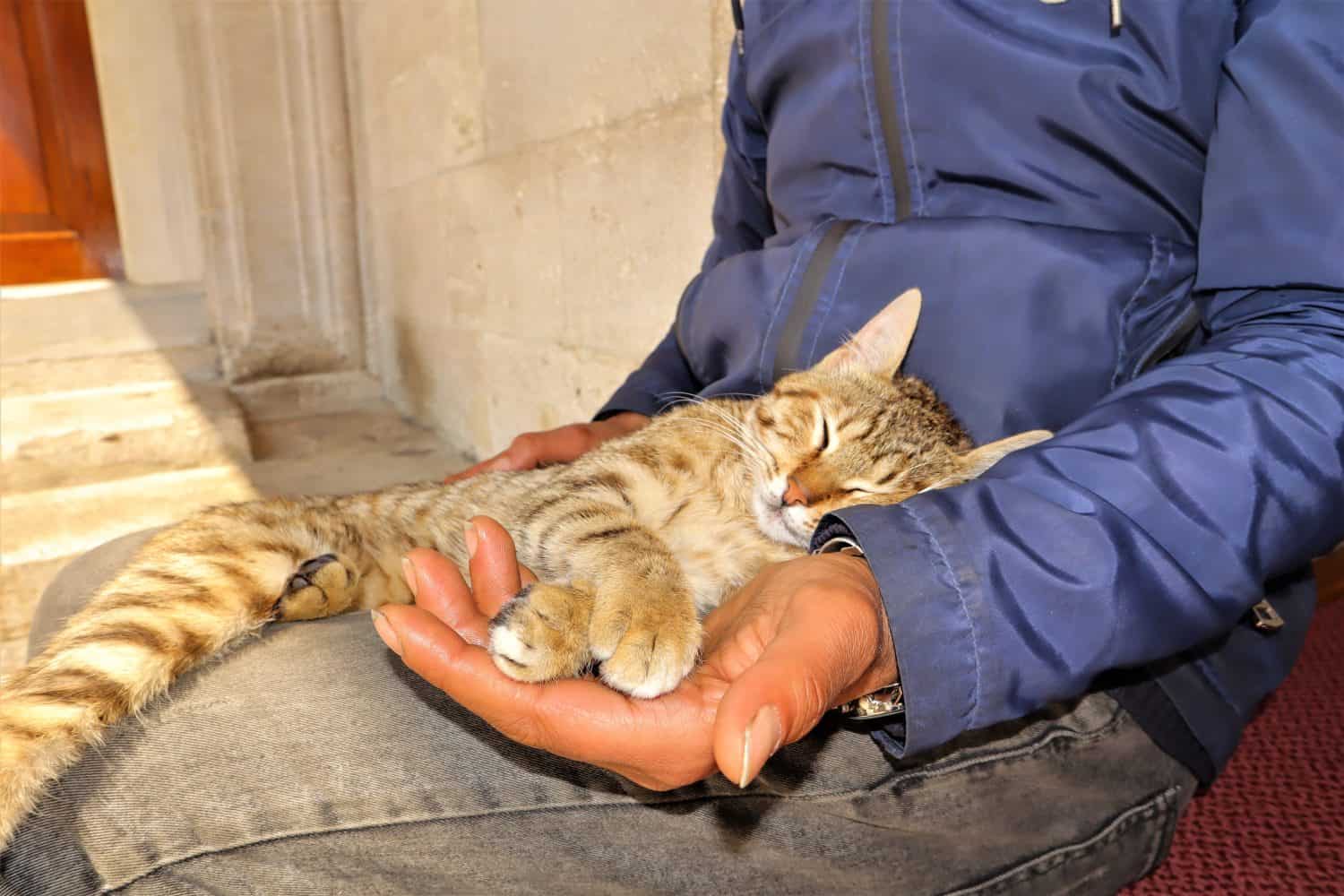
Sleeping on your lap shows your cat feels a strong bond with you.
©Dr.MYM/Shutterstock.com
In nature, kittens often sleep in a pile, use each other as pillows, and share warmth. When your adult cat uses you the same way, they are treating you like family and strengthening your social bond. A frequent lap sleeper usually tells you, as clearly as they can, that you are both safe and important.
Sun-Soaked Window Lounges
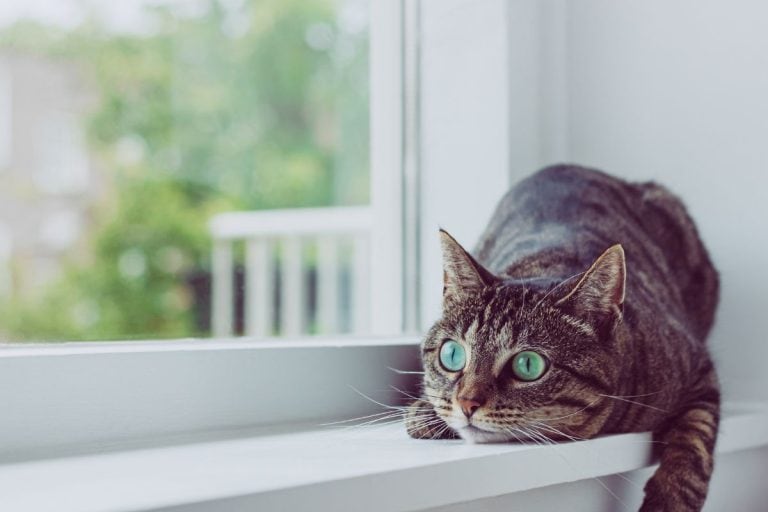
If your home has a sunny window, you can probably find your cat stretched across it like a furry solar panel. Cats naturally gravitate toward warm spots. A patch of sunlight on a windowsill can raise the temperature enough to create a perfect zone where they can nap to stay warm. Sitting by a window also keeps their mind busy. Outside, leaves rustle, birds flit past, and cars move. All that motion creates a constantly changing scene that holds your cat’s attention even when they look half asleep. Some windows leak a soft breeze or carry outdoor scents. A cat’s sharp nose picks up those smells easily and gathers extra information about the world beyond the glass.
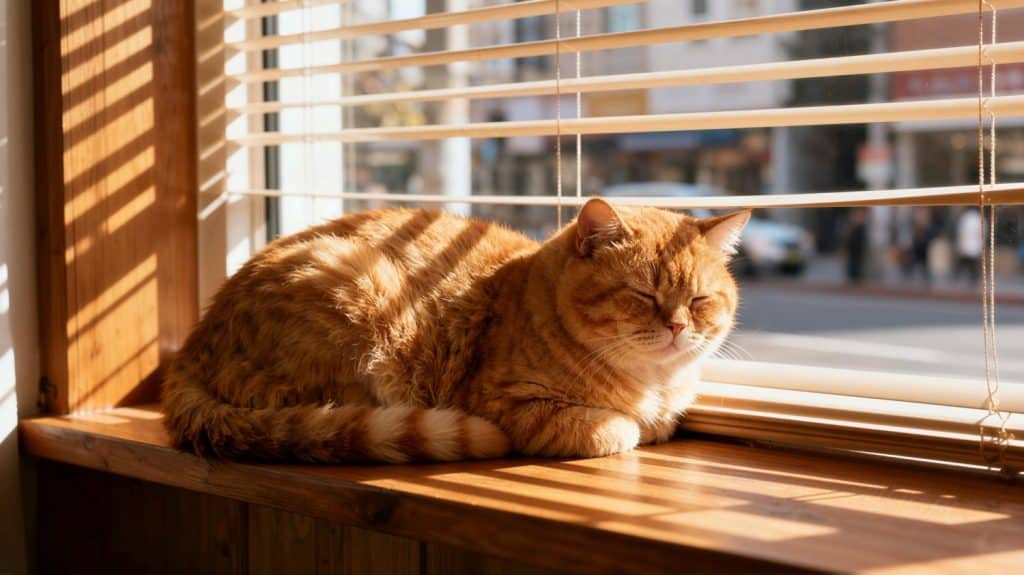
Windowsill sleeping keeps your cat warm and gives it a vantage point to survey what’s happening in the yard.
©TF2005/Shutterstock.com
Because a windowsill usually sits higher than the floor, it doubles as a lookout. From that perch, your cat can supervise their “territory” from a safe distance, much like wild felines resting on a high ledge while they scan for prey and danger. A cat that spends long stretches sleeping in a window spot usually balances comfort with curiosity, picking a place that keeps them warm and cozy while they keep tabs on everything outside.
Tight Corners and Hidden Nooks
Tight corners rank among the most prized real estate in a cat’s world. Think about the gap between the couch and the wall or that awkward space under your bed. Small, enclosed areas wrap around a cat’s body and trap their natural warmth. Those spots turn into personal heated dens that feel much cozier than open floor space. Just as important, solid surfaces on several sides create a strong sense of safety. When a cat presses their back against something and narrows the directions from which anything could approach, they feel less exposed and more in control.
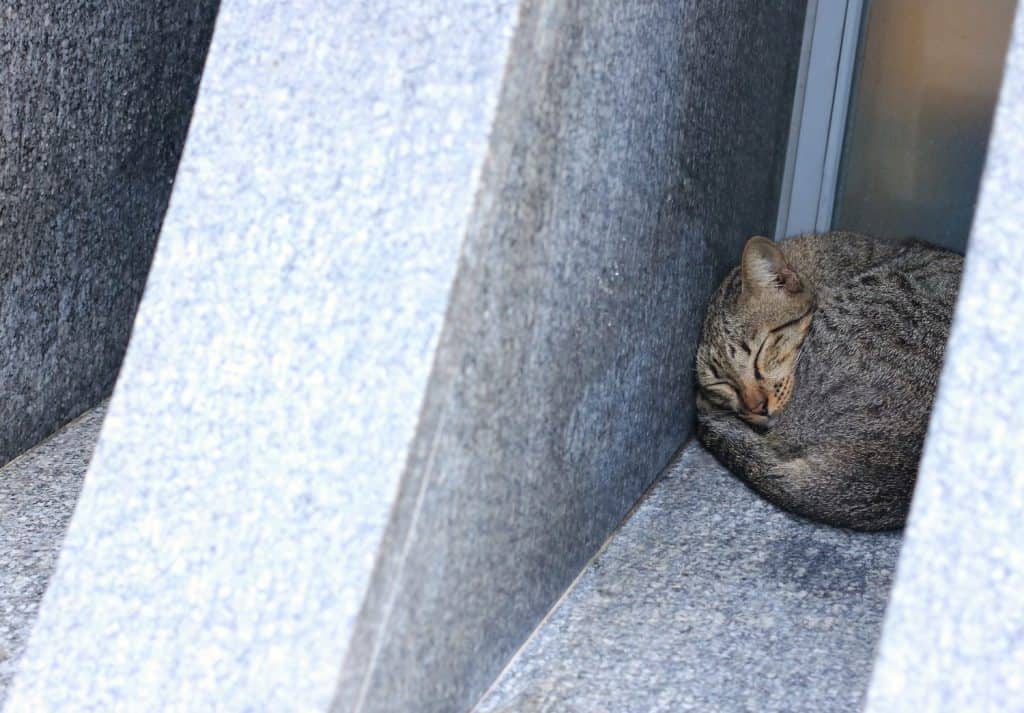
Some cats seek out the smallest possible nooks to nap.
©Pimonpim T/Shutterstock.com
In the wild, many felines rest in dens, rock crevices, or thick vegetation. Your indoor cat keeps that same instinct and prefers hideaways that offer cover plus a small opening to peek out. Modern cat-behavior experts even encourage owners to give cats dedicated hiding spaces. A private retreat where no one disturbs them can lower stress and support emotional wellbeing. When your cat disappears into a favorite corner to sleep, they usually seek maximum security and alone time. When you respect that choice, you help build trust and show that you understand their need for privacy.
Reading Your Cat’s Sleep Map
Once you start noticing patterns in your cat’s sleeping spots, you can basically study a map of their inner world. A cat that rotates between sunny windows, your lap, and cozy laundry piles balances warmth and social time and uses each spot for a different mood or time of day. On very hot afternoons, you might find them retreating to cooler surfaces like sinks or tile floors. On chilly evenings, they may stake out your lap or a thick blanket to soak up shared body heat. Cats that favor very hidden, tight spaces might feel more cautious or stress more easily.
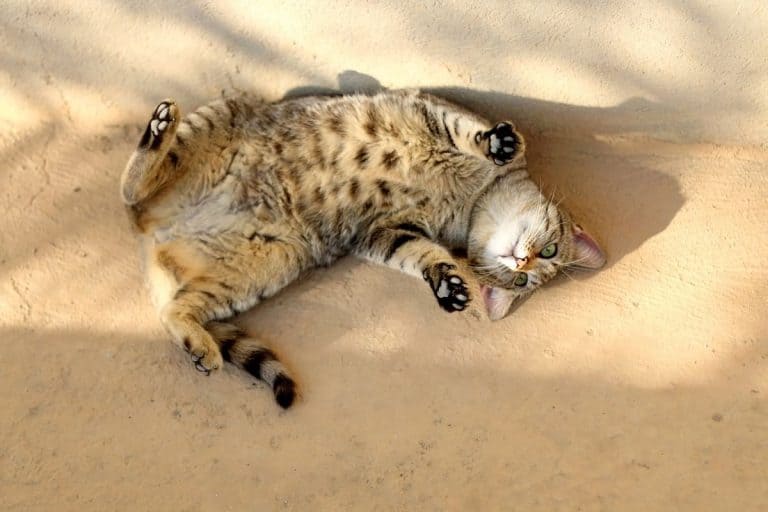
When you offer extra safe perches or covered beds, you help those cats feel more relaxed throughout the house. In contrast, a cat that regularly naps in the middle of busy rooms or sprawls openly on furniture often broadcasts how confident and secure they feel in their territory. No matter which types of spots your cat prefers, changes in their usual sleep places can alert you to possible health issues or stress. A formerly social napper who suddenly hides more, or a heat-seeking cat who suddenly chooses cool, hard surfaces, deserves a closer look and maybe a vet visit.
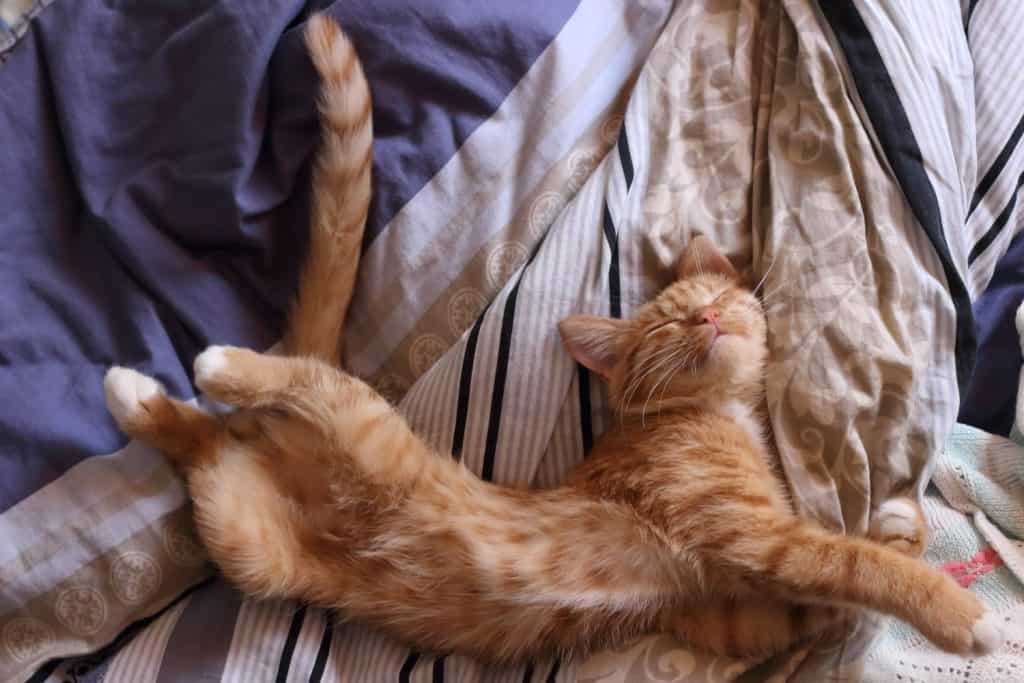
Cats that sleep sprawled in the open show a great sense of confidence and safety in their environment.
©Ivan Azimov 007/Shutterstock.com
Making Their Favorite Spots Safer
When you understand what your cat’s favorite sleeping places reveal about them, you can also make those areas safer and more comfortable. Window loungers benefit from sturdy perches or hammocks anchored to the sill. These setups let your cat enjoy sun and views without slipping. Closed or well-screened windows add another layer of safety and prevent falls. If your cat loves the sink, you can redirect them with a similarly shaped cat bed or a curved perch, especially if you need that sink free. You still offer the coolness and nest-like feel they crave.
Laundry fans may enjoy a dedicated basket lined with old towels or blankets. That way you protect clean clothes but still give your cat a soft, familiar-smelling nest. Just remember to check hampers and machines before washing. Cats that prefer tight corners or under-bed hideouts often relax more when you give them purpose-built hideaway beds or boxes in quiet parts of the home. These spots become secure retreats where no one accidentally disturbs them. In every case, you do not need to erase your cat’s quirky habits. Instead, you channel them into safe choices that respect their natural needs for warmth, security, and control.
Trust, Comfort, and the Places Between
Your cat’s sleeping spots may look random, but together they tell a story about how safe, warm, and connected they feel in your home. A sink, a sunlit window, a lap, and a shadowy corner all work as tools your cat uses to manage temperature, watch the world, and decide when to seek you out or retreat for quiet. When you learn to read those choices, you move beyond simple habit tracking. You listen to the quiet, curled-up ways your cat tells you that they trust you, your space, and the shared life you keep building together.