
Quick Take
- One of the ocean's ugliest fish might also be one of its most important, and scientists have just figured out why. See the symbiotic role →
- Fish don't just live in the ocean. It turns out they may be actively maintaining it through a process no one fully understood until now. How fish maintain the ocean →
- A bacterium that's bad news for most marine species behaves in a completely unexpected way inside one particular fish. Meet the key bacterium →
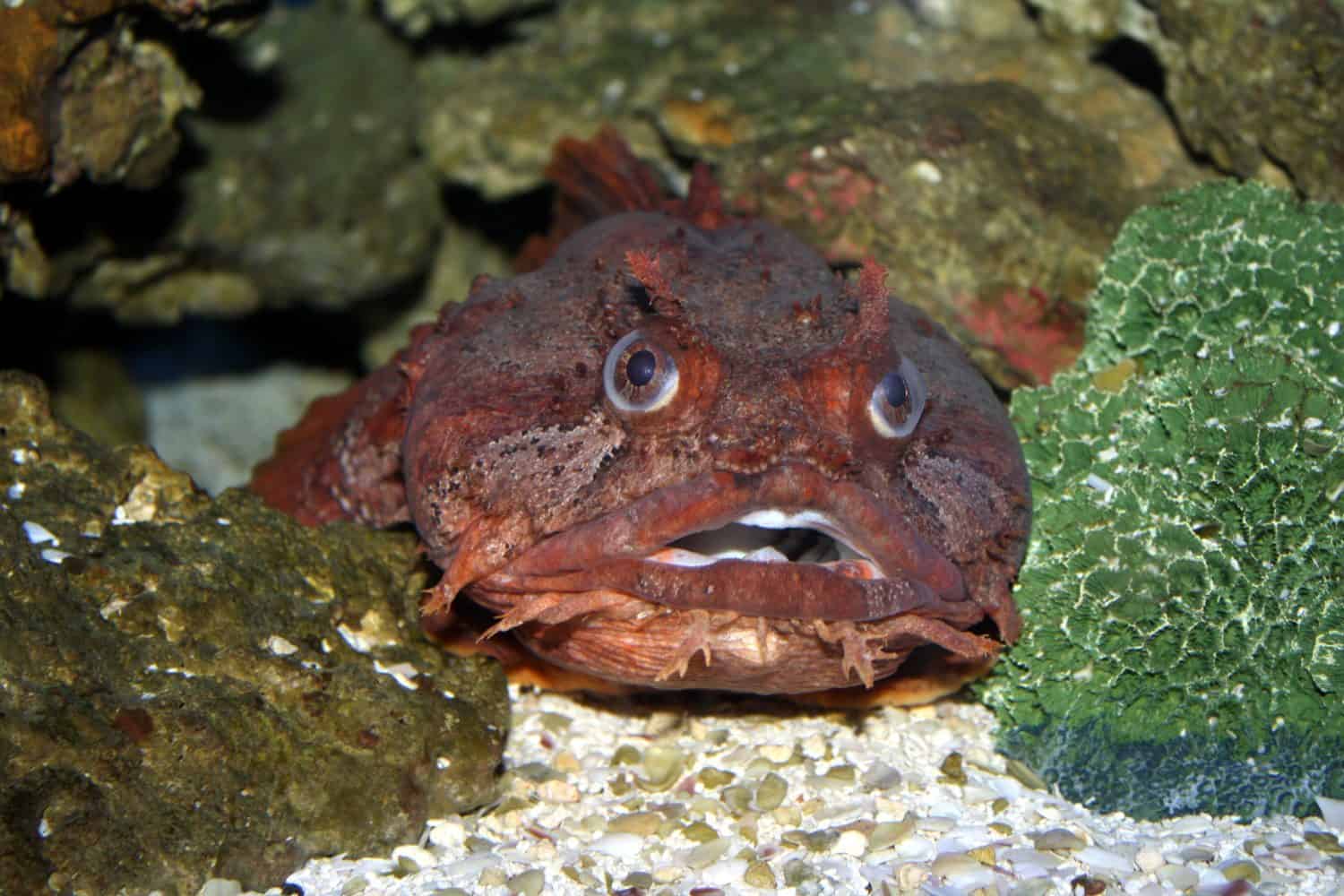
The future of the world’s oceans may depend on one unusual fish that’s often overlooked due to its appearance. The Gulf toadfish might have a face that only its mother could love, but it’s now one of the most important fish in its marine ecosystem.
A new study examined the microscopic organisms living within the Gulf toadfish and made a surprising discovery. Not only are they essential to the fish’s survival, but the same gut bacteria could also be the key to maintaining the ocean’s carbon cycle. But what’s even more interesting is how the intestines of this foot-long fish are improving the health of our oceans.
A Beautifully Symbiotic Relationship
There are rarely coincidences in nature, and that’s especially true of our oceans. Research by former University of Miami graduate student Anthony Bonacolta only confirms this. The study, led by Bonacolta, points to a mutually beneficial relationship between fish gut health and ocean calcium carbonate levels. Or, more specifically, the tiny bacteria that exist within a fish’s gut.
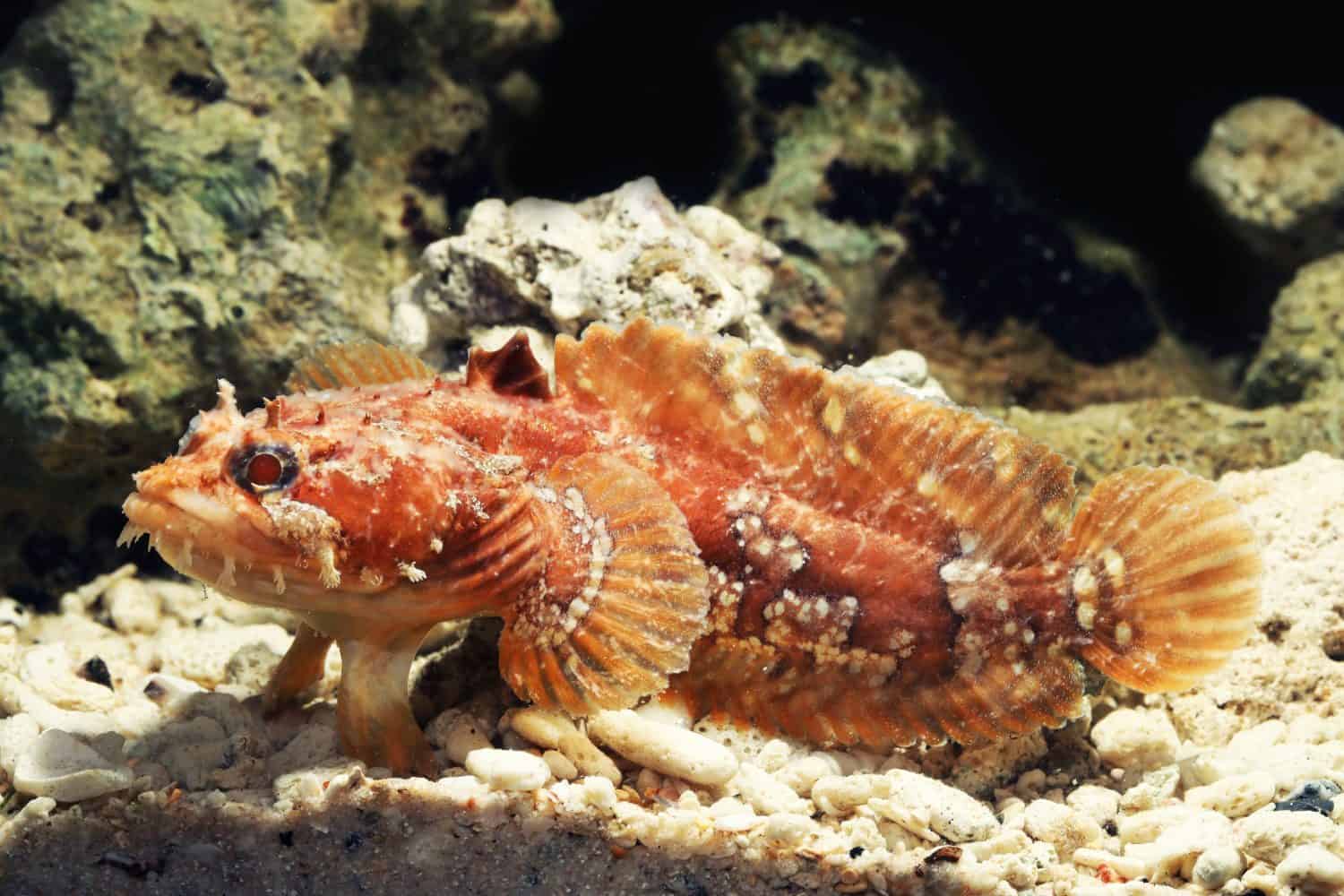
Gulf toadfish are bottom feeders, but their waste might be helping our ocean quality.
©Pavaphon Supanantananont/Shutterstock.com
These bacteria perform essential functions, such as breaking down food and facilitating waste disposal. But somewhere in this process, the ocean found a way to take advantage of a fish’s digestion. This notion challenges what science previously thought about carbon levels in the ocean. Now, it seems that fish and the water they inhabit work together to complete the ocean’s carbon cycle.
Teleosts, or bony fish, consume saltwater to stay hydrated. Their bodies remove excess calcium and carbonate ions with the help of the gut microbiome in the fish’s intestines. When these two byproducts are expelled, they form ichthyocarbonates—essentially carbon pellets. Similar to how nutrients are added to plant soil, these carbon pellets eventually dissolve in the ocean and act as fertilizer.
Testing the Theory
This is where the Gulf toadfish comes in. In the experiments recorded in the study, this species plays the starring role. The fish were kept in three different types of water: brackish, normal, and hypersaline. Each of these tanks mimicked the conditions of real-life biomes. The goal was to determine whether the theory was correct. If it were, the Gulf toadfish would naturally alter the carbon levels in each tank.
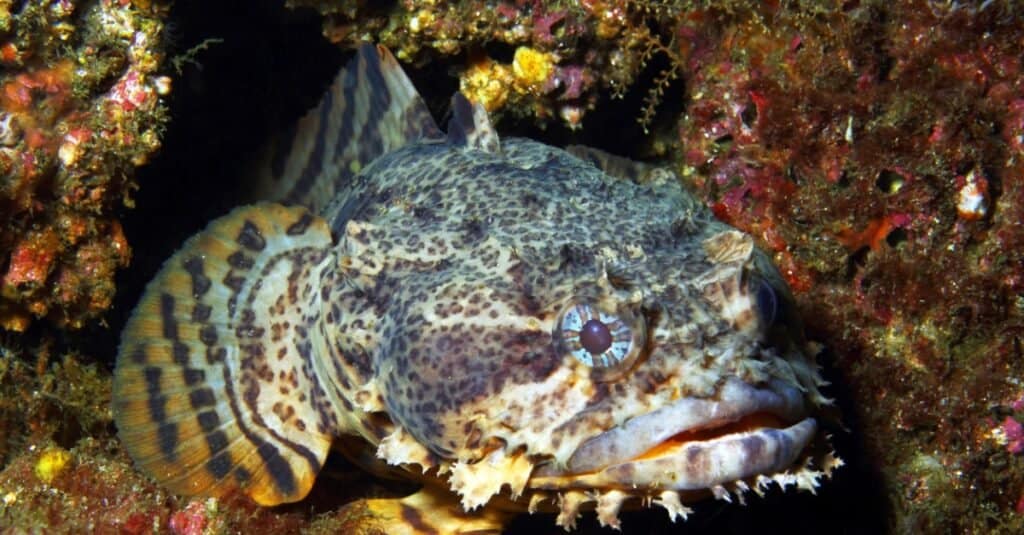
Of all the fish studied, the Gulf toadfish was the best example of symbiotic gut bacteria.
©iStock.com/Swimwitdafishes
By doing this, scientists could also test the conditions under which the Gulf toadfish’s carbon pellets form. They found that salinity significantly affected ichthyocarbonate production; the fish produced none in the low-salinity tank. In the “normal” tank, which had conditions similar to a Gulf toadfish’s natural habitat, the fish produced an average amount of ichthyocarbonate. However, the most ichthyocarbonate was recorded in the tank with the highest salinity.
The Microorganisms at Work
Once researchers confirmed that saltwater has a direct effect on how much carbonate is produced by the Gulf toadfish, it was time to look a little closer. The team analyzed DNA and RNA genetic sequences from within each fish’s gut. What they found was an abundance of the bacteria Photobacterium damselae subsp. damselae.

Gut health in certain fish species is directly connected to the overall health of our marine environments.
©LUNAMARINA/iStock via Getty Images
In many cases, this bacterium is bad news in marine environments. It can sicken some fish species, but it seems to be symbiotic within the Gulf toadfish. Rather than acting solely as a pathogen, the presence of this strain is associated with the formation of carbonate pellets in the Gulf toadfish’s intestines. Researchers believe this is directly related to supporting the formation of mineralized carbon pellets.