
Quick Take
- Polar bears lose sea ice due to climate change, forcing them to fast longer and lose body fat, leading to emaciation.
- The photos sparked debate over narrative and accuracy, with experts urging caution about context and causes.
- Climate change is tied to polar bears’ future, with projections of reproductive failure by 2040 and potential extinction by 2100.
Seeing any living thing suffer is one of the hardest things to watch. Feeling empathy for an animal in pain is intrinsically human, especially when there’s nothing we can do to help. Several images have evoked grief and despair, including one by photographer Cristina Mittermeier of a dying polar bear. Although some AI-generated replicas exist, the original photo was taken in December 2017. Since then, an overwhelming amount of attention has been drawn to issues such as climate change and its impact on wildlife. And Mittermeier’s photo wasn’t the last to depict powerful animals, such as the polar bear, fighting for their lives.
A Polar Bear’s Suffering
The image, which reached 2.5 billion views in 2023, shows an emaciated polar bear barely clinging to life. It was taken in Northern Canada’s Baffin Island. The photo is a stark contrast to the strong, muscular, and commanding presence that an apex predator like this typically has. Instead, the bear is too thin, mangy, and has no life left in its eyes. It’s a shadow of the fierce hunter it once was and appears to be struggling to move, let alone stay alive. When it was published by National Geographic, it was titled, “This is what climate change looks like.”
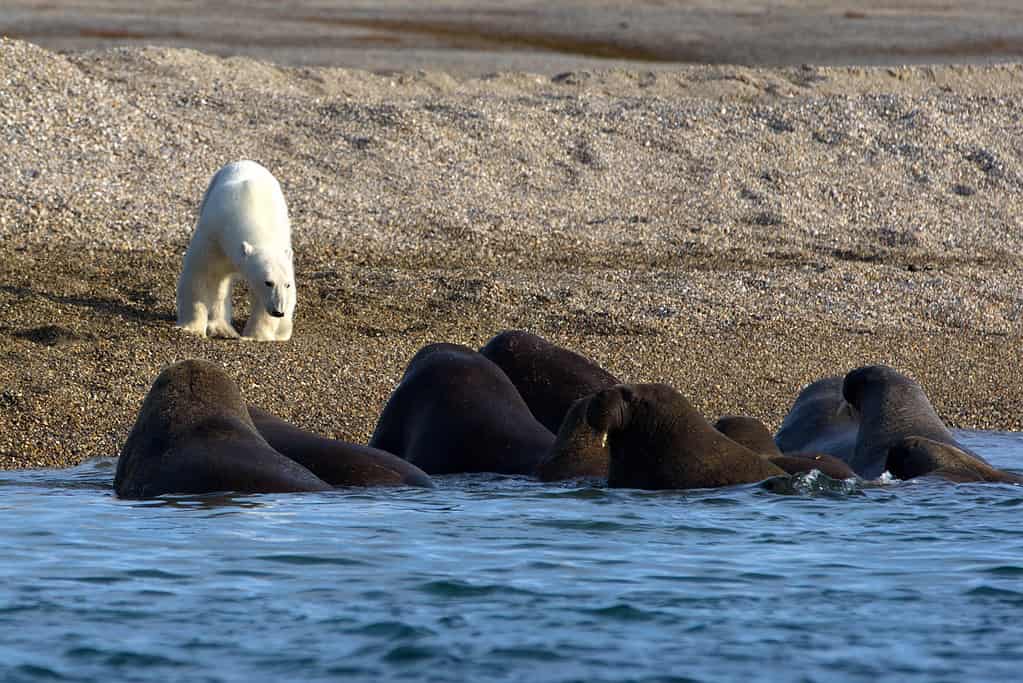
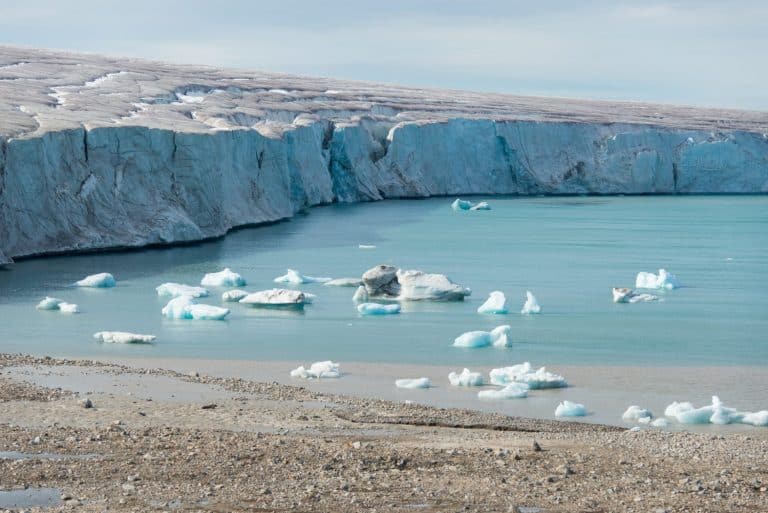
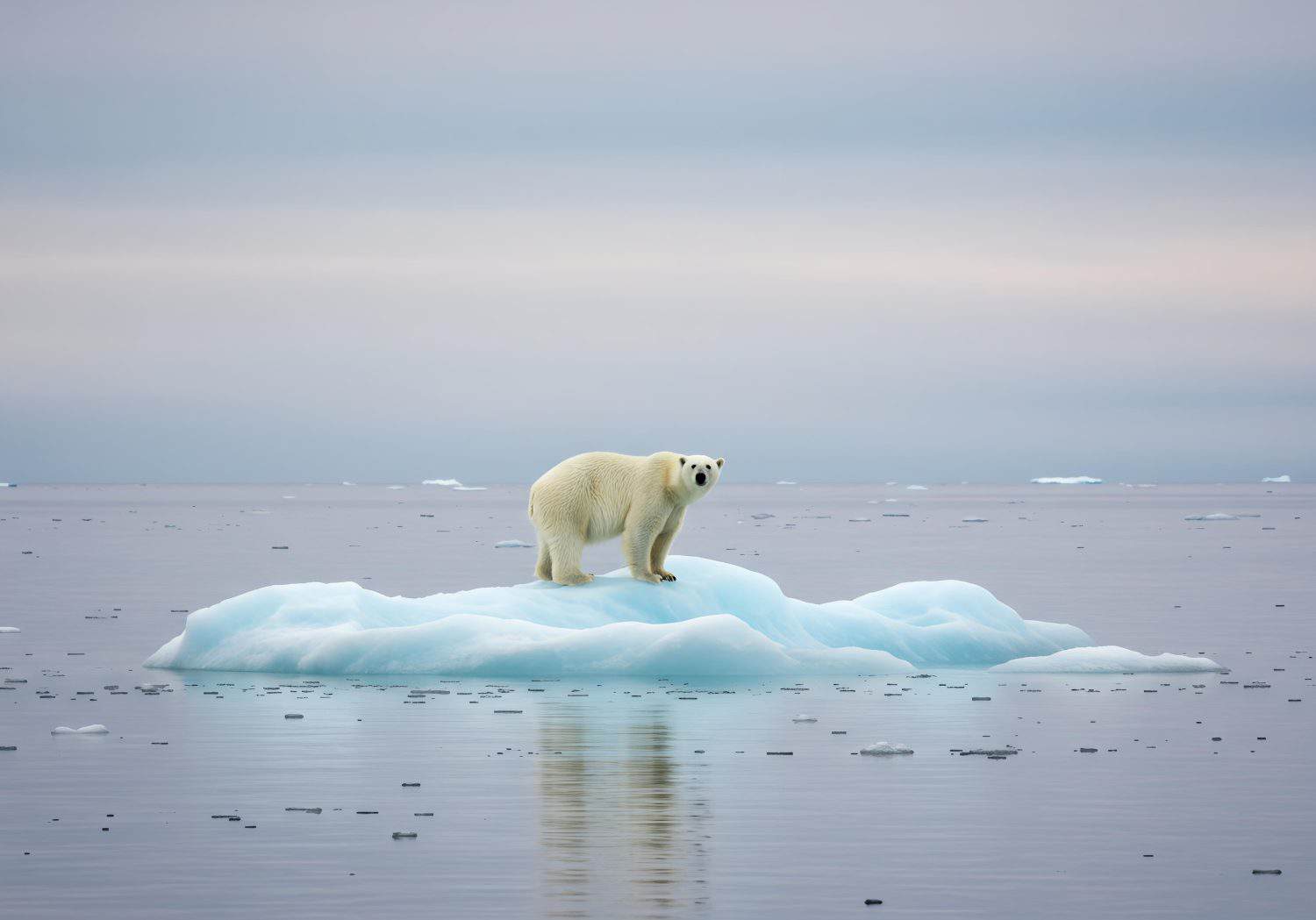
Svalbard’s polar bears are at risk from climate change.
©Wirestock/iStock via Getty Images
The move was highly controversial and sparked not only conversation, but also debate. Activists took the image as a call to action, while members of the scientific community questioned the accuracy of the statement. Even today, some believe this photo foreshadows the devastating effects of climate change. However, some, such as Michael Pritchard, a photo-historian at the Royal Photographic Society, say otherwise. In an interview with the BBC, he warned people to be cautious about taking this photo at face value. “We need to think about the context in which it was taken, how it was taken, and why it was taken. They say the photograph never lies. Well, actually, it can tell a very different story from reality,” he tells the BBC in the interview.
While National Geographic later said that it had taken the narrative too far, experts chimed in with other causes for the bear’s diminished state. One theory is that the bear had cancer, and others feel the bear may have just been old and in the final stages of its life. No definitive cause was ever determined, and the photo remains a tragic reminder of the bear who once lived. Even conservation efforts have differing theories, with some believing the image is paradoxical and misrepresented. Others believe the photo draws the world’s attention to climate change, hitting that intrinsic empathy close to home.
This Polar Bear Wasn’t the First
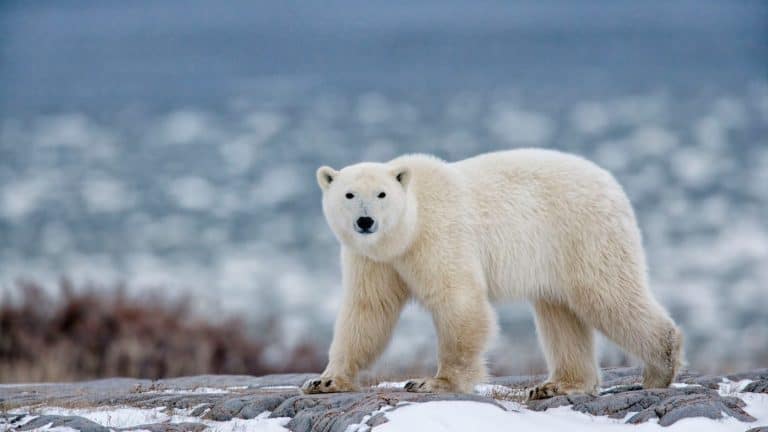
Before Mittermeier’s photo appeared in National Geographic, another similar image had already been published. Kerstin Langenberger, photographer and conservationist, took a photo of a similarly emaciated polar bear. Climate change experts have noted the coincidence that these two emaciated bears were photographed only two years apart. Langenberger posted the photo to her Facebook page, which quickly gained views. She cited climate change as the cause of the bear’s deteriorating condition. This photo was taken in Svalbard, Norway, known for its healthy polar bear population.
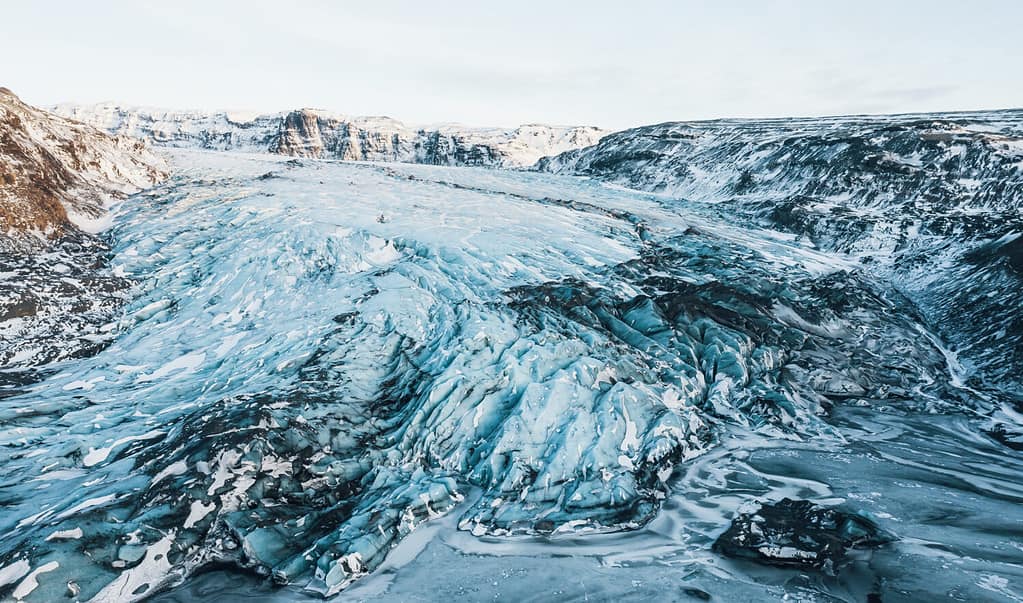
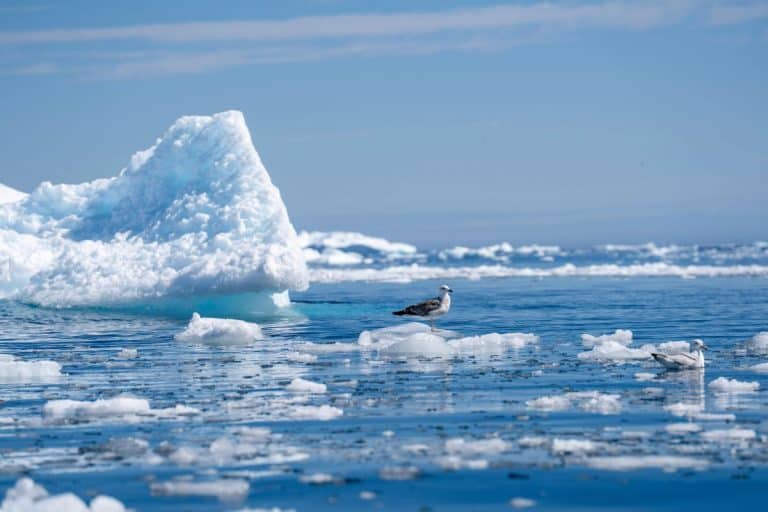
As glaciers melt and sea ice melts, polar bears lose their hunting grounds.
©MT-R/Shutterstock.com
This photo received the same mixed criticism. Some claimed that presuming climate change was the sole cause for the bear’s emaciated state was extreme. Alternatively, some experts agreed that rapidly melting ice caps could cause suffering of this degree. At the very least, the link between the bear’s poor condition and Svalbard’s changing landscape is undeniable. Svalbard has seen shrinking ice caps, melting glaciers, and permafrost thaws in recent years. It has also experienced hotter summers than average, all of which are directly tied to climate change.
How Is Climate Change Really Affecting Polar Bears?
Photos like this have become an international symbol of the effects of climate change on wildlife. Regardless of the accuracy of the claims, polar bears have become the face of the devastating effects. The tragedy is that, as of 2025, climate change is blamed for the species’ status. One of the most significant effects of global temperature rise is the loss of sea ice. These platforms are essential for polar bears, as they use them to hunt. Without access to the sea, their fasting time increases, leading to lower fat reserves. This could potentially emaciate a polar bear, especially during a hotter-than-usual season.
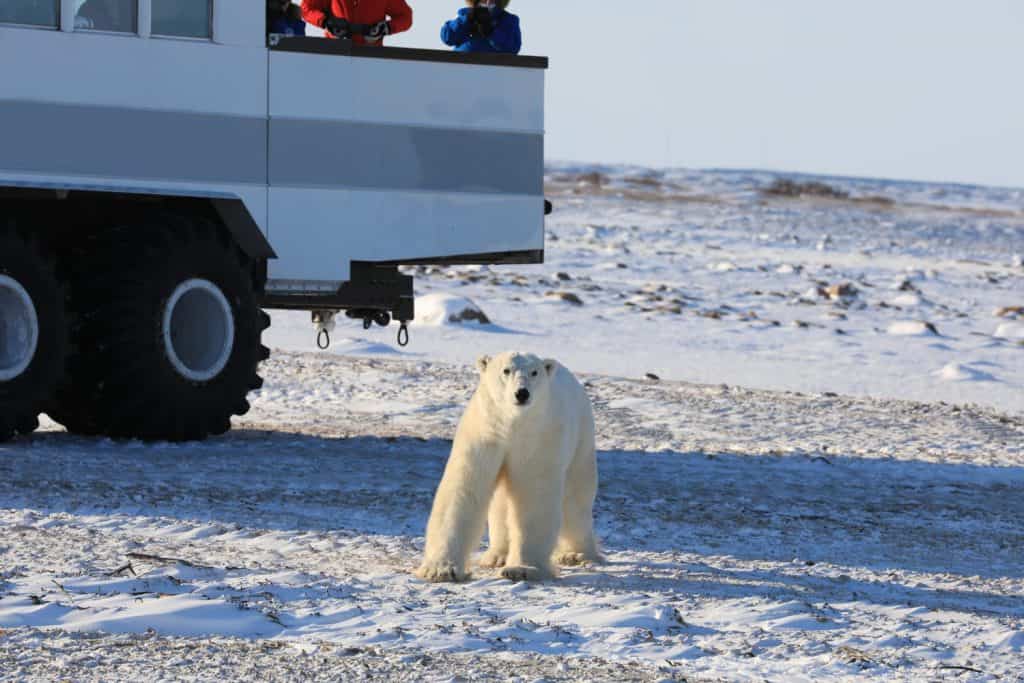
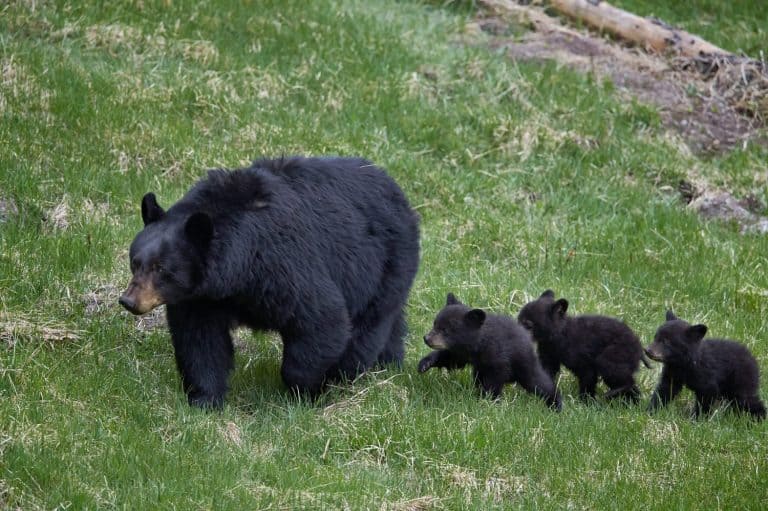
Human-bear conflicts become more prevalent as polar bears run out of food.
©aceshot1/Shutterstock.com
If a bear is malnourished, it is less likely to find a mate or reproduce. In the event that they do, food is scarce, meaning their cubs may not survive. If a polar bear becomes desperate enough, it may venture into human territory, leading to a host of new problems, including increased human-bear conflicts. As polar bears wander in search of food, they also become more vulnerable to disease and exposure.
Will Climate Change Lead to Polar Bear Extinction?
There is no good news about the future of polar bears. Climate change is causing Earth’s temperatures to rise at an uncontrollable rate. For some experts, it’s not a matter of “if,” but a matter of “when.” According to EARTH.org, polar bears are likely to see reproductive failure by 2040. In the same study cited, polar bears are expected to be extinct by 2100.
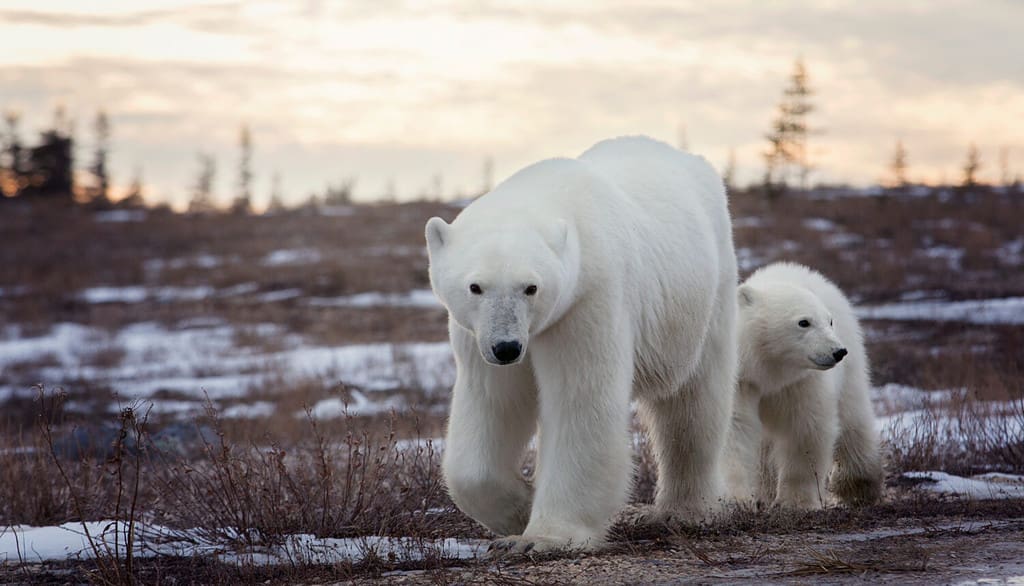
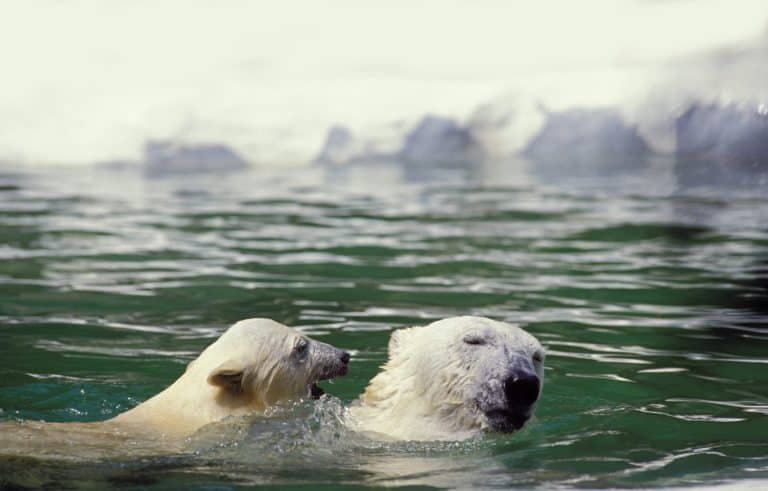
Reproductive failure is a concern for polar bears as climate change reduces the number of healthy offspring.
©critterbiz/Shutterstock.com
The Nature Climate Change study also claims that, in the best-case scenario, reproductive failure could be delayed to 2080. This is only possible with significantly reduced greenhouse emissions. The study went on to explain that even with intervention, extinction will only be delayed. Evidence shows that subspecies remain at risk, with polar bears in some regions at greater risk than others. The U.S. Endangered Species Act currently considers polar bears Threatened in the U.S. However, they’re listed as Vulnerable worldwide by the IUCN, and their populations are decreasing. If Mittermeier’s and Langenberger’s photos teach us anything, it’s that human action is crucial to the survival of polar bears.