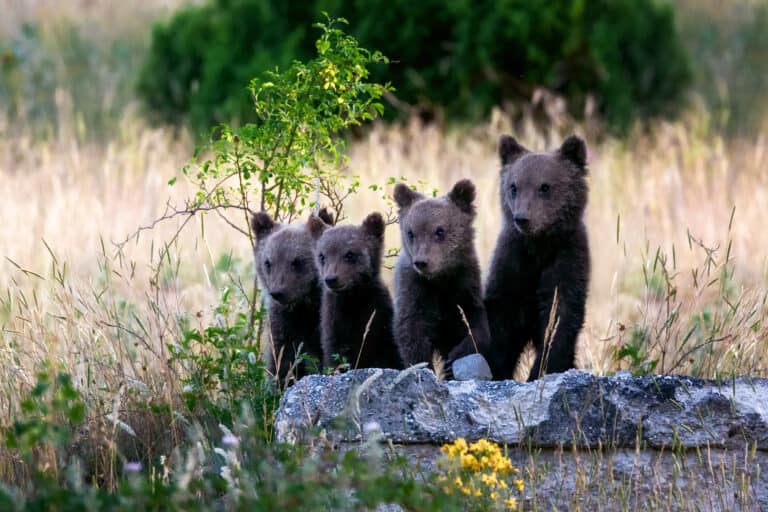

Quick Take
- Approximately 60,000 bears inhabit California, primarily concentrated in the North Coast and Sierra Nevada ranges.
- Bears thrive in oak woodlands and riparian corridors, consuming up to 20,000 calories daily during autumn hyperphagia.
- Prevent bear encounters by securing food and making noise; if spotted, stand your ground and never run from bears.
It’s hard to fully appreciate the breadth of beauty and depth of ecological diversity California has to offer through pictures or a computer screen. The splendor of the Golden State needs to be seen up close and personal. You need to feel its air on your arms and its sunshine on your face. While everyone loves the sun, it’s not the only reason there are so many bear sightings in certain parts of California.
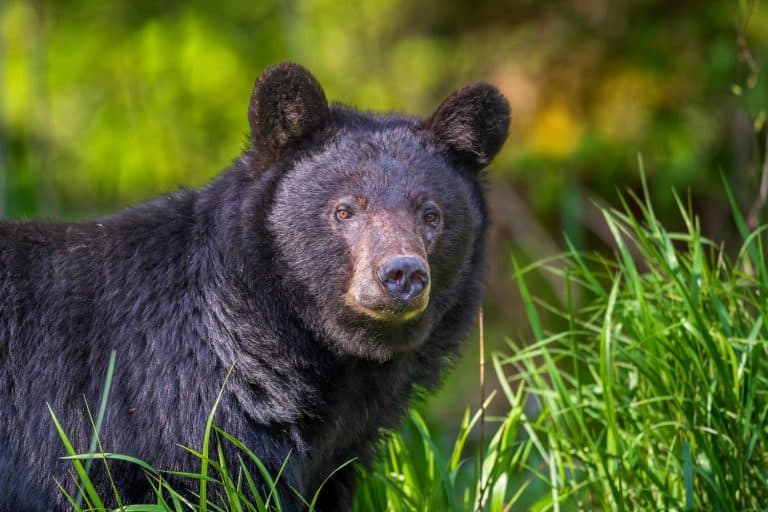
From the hidden redwood groves of the Lost Coast to the tall, arid peaks of the Sierra Nevada, black bears flourish. Indeed, the current California Department of Fish and Wildlife estimates put their statewide population between 65,000 and 80,000 individuals. Thanks to enduring habitats and responsive conservation management strategies, bears are more widespread in California than ever.
This means bears can be found all over the state, including in places where people wouldn’t normally expect them. While core black bear populations are centered around three primary regions—North Coast, Sierra Nevada, and Central/South Coast Ranges—they can be found in other parts of the state, too. That is why we have put together a comprehensive list for your edification and enjoyment. Let’s learn all about California’s bear population and parts of the state where bear sightings are most common.
High-Density Regions
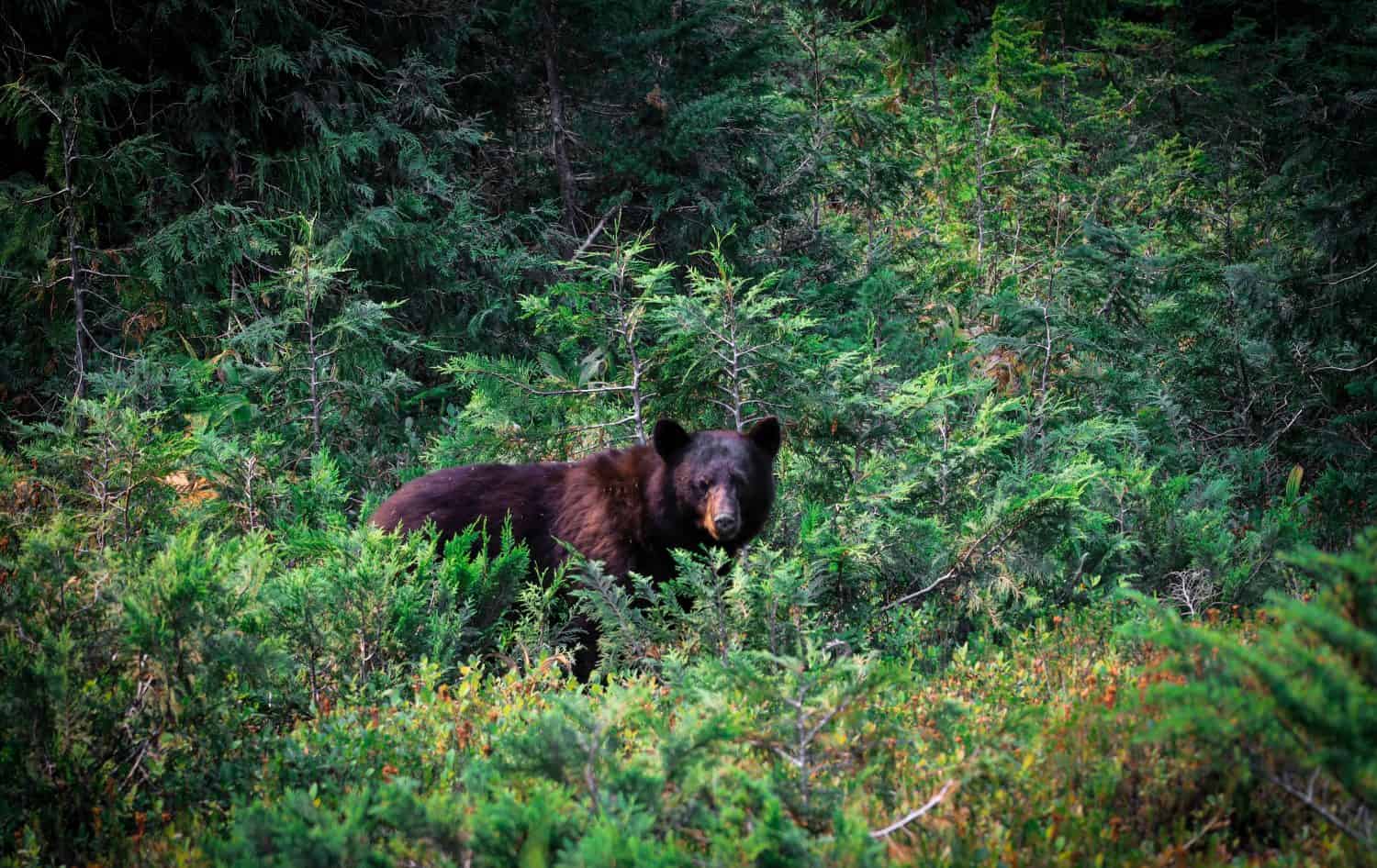
While black bears can be found all over California, their population distribution is heavily weighted toward the northern part of the state and its high-elevation interior.
©Jaromir Vanek/Shutterstock.com
Bears require certain resources to survive, much less thrive. Certain sections of California feature the right combinations of food, water, and cover that bears require to adapt to the changing seasons. It seems that they tend to prefer higher elevations as a rule of thumb. As explained by the 2025 California Black Bear Conservation and Management Plan, black bear distribution in California is heavily weighted toward the northern part of the state. They are also densely distributed in the high-elevation interior via the Sierra Nevada. Let’s break down the key regions that black bears call home.
Central and South Coast
Considering that most bears in California live in more rugged, high-elevation areas, it should come as no surprise that the Central and South Coast regions of California have the least amount of bears. Less than 10% of the total California black bear population lives in the lower-elevation coastal ranges, from Monterey Bay down through the San Bernardino Mountains. Although this area has the fewest bears, these are the ones most likely to make the news. Because they live near major urban centers, bears in the central and south coast regions interact with humans more frequently, for better or worse.
Sierra Nevada
Despite its grand mountain ranges, the Sierra Nevada comes in second place in terms of total bear population. That said, 40% of the state’s bears live in this region, which provides a close-to-ideal habitat that’s away from urban centers and higher in elevation. National Forests in the region, such as Sierra, Sequoia, and Stanislaus, are common areas where bears are spotted. In these forests, bears are most often found in the transition zones between meadows and forests where food is abundant.
The North Coast and Cascades
The undisputed center of black bears in California is the North Coast and Cascades regions. Approximately 50% of the state’s total population lives here, roaming the dense coastal forests of Humboldt County, Siskiyou, and the Trinity Alps. It’s something of a bear sanctuary in these areas, as they provide plenty of rainfall, dense vegetation, and sweeping rivers. With such features, bears in the North Coast and Cascades are never short on fish, berries, or bushes for hiding.
General Zones
While the areas where bears can be found are more vaguely defined at scale, bear activity is hardly ever random. Like all animals, they are constantly on the lookout for food. This can lead them into several types of terrains. California Department of Fish and Wildlife data highlights three main areas that can support the highest density of bears.
Since bears are dependent on the mast of trees for food, they often tend toward montane hardwood and conifer forests. They gravitate towards oak woodlands, in particular. This is because acorns from oak trees offer the high-fat calorie content bears need to survive long, cold winters.
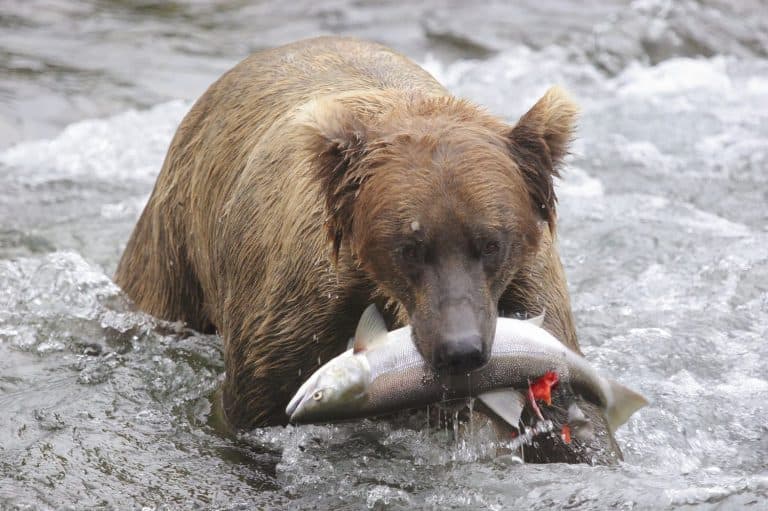
Another area where bears can be found is riparian corridors. These areas, along rivers and streams, are like hardscrabble highways for animals. Additionally, being close to water systems means bears can eat plenty of fish and drink fresh water.
However, edge habitats are undoubtedly the most common places you will find bears in the wild. They prefer spots where two different types of terrain meet. This provides them with accessible foraging and hunting opportunities as well as quick escape routes into more dense vegetation cover.
Seasonal Behavior
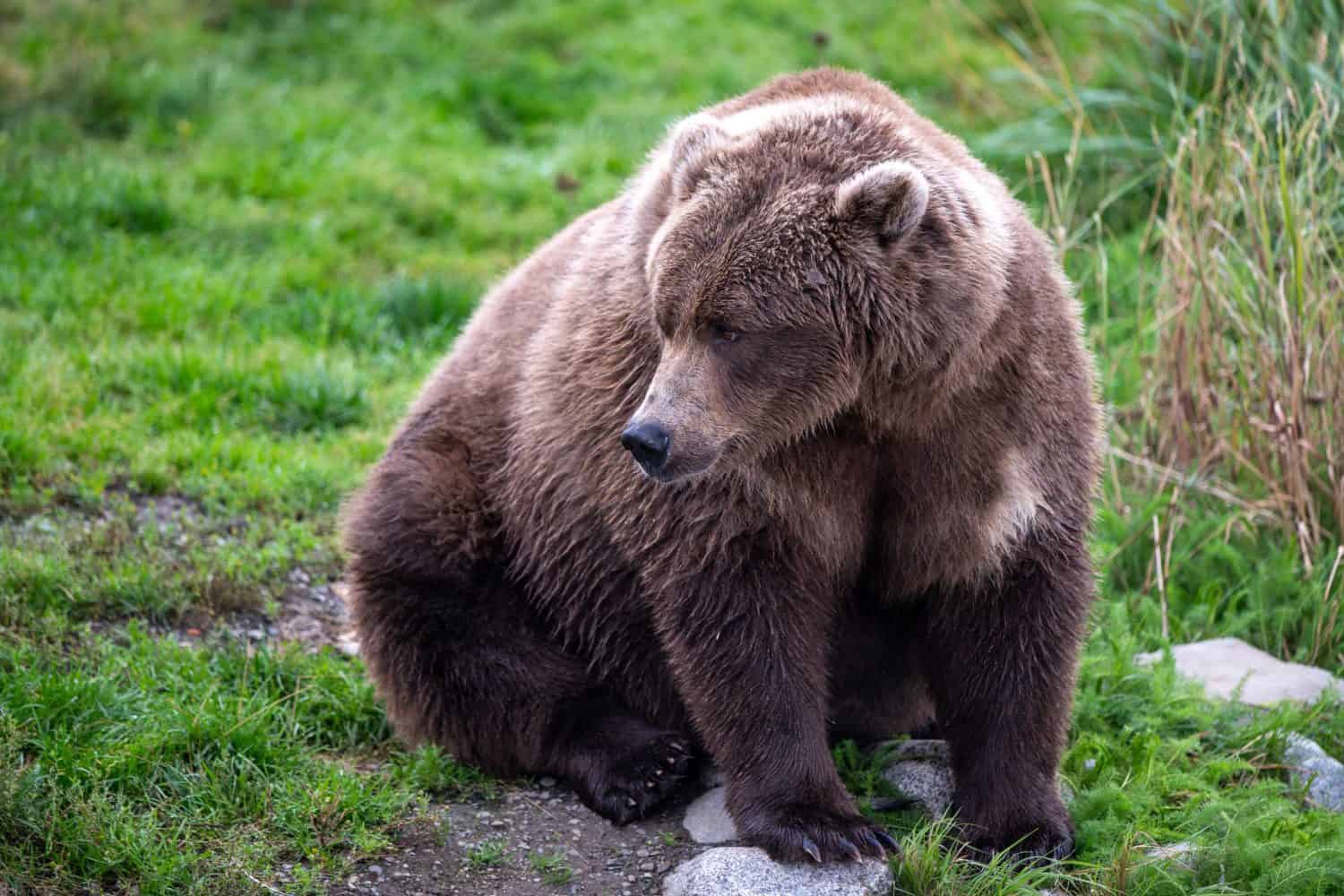
To prepare for a long winter hibernation, black bears will eat up to 20,000 calories a day.
©Tony Campbell/Shutterstock.com
You might see a bear on the news because it was caught digging in someone’s trash can on the edge of a mountainous valley. That’s probably because the bear was desperately trying to get more calories before it had to hibernate for the winter. Bears are routine-driven, and their behavior is dictated by the seasons.
In spring, bears emerge from their dens incredibly hungry and just as drowsy. They are so out of it that this behavioral state is called “walking hibernation.” This time of the year often brings them down to lower elevations. Typically, they gravitate to areas where the snow has begun to melt, and the first green stems appear from the ground. During the summer, bears stay active during the day and expand their normal range to find food.
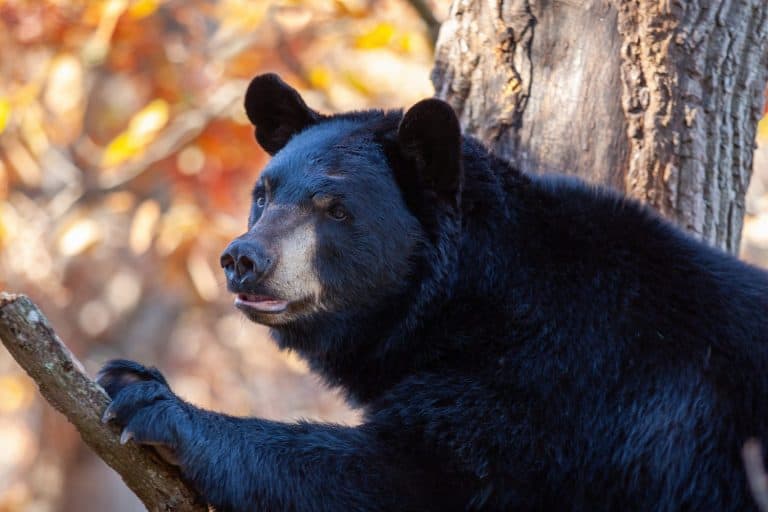
Once fall arrives and the leaves change color, bears become even more active. To prepare for a long winter in hibernation, bears go full bulking mode. Indeed, they enter a state called hyperphagia, which sees them eat up to 20,000 calories a day. This is also the time of year when they run into humans the most. This is because they will stop at nothing to find more food sources. In the winter, bears become scarce as they are usually hibernating. That said, they remain active year-round in parts of Southern California with mild climates.
Dispelling the Myth
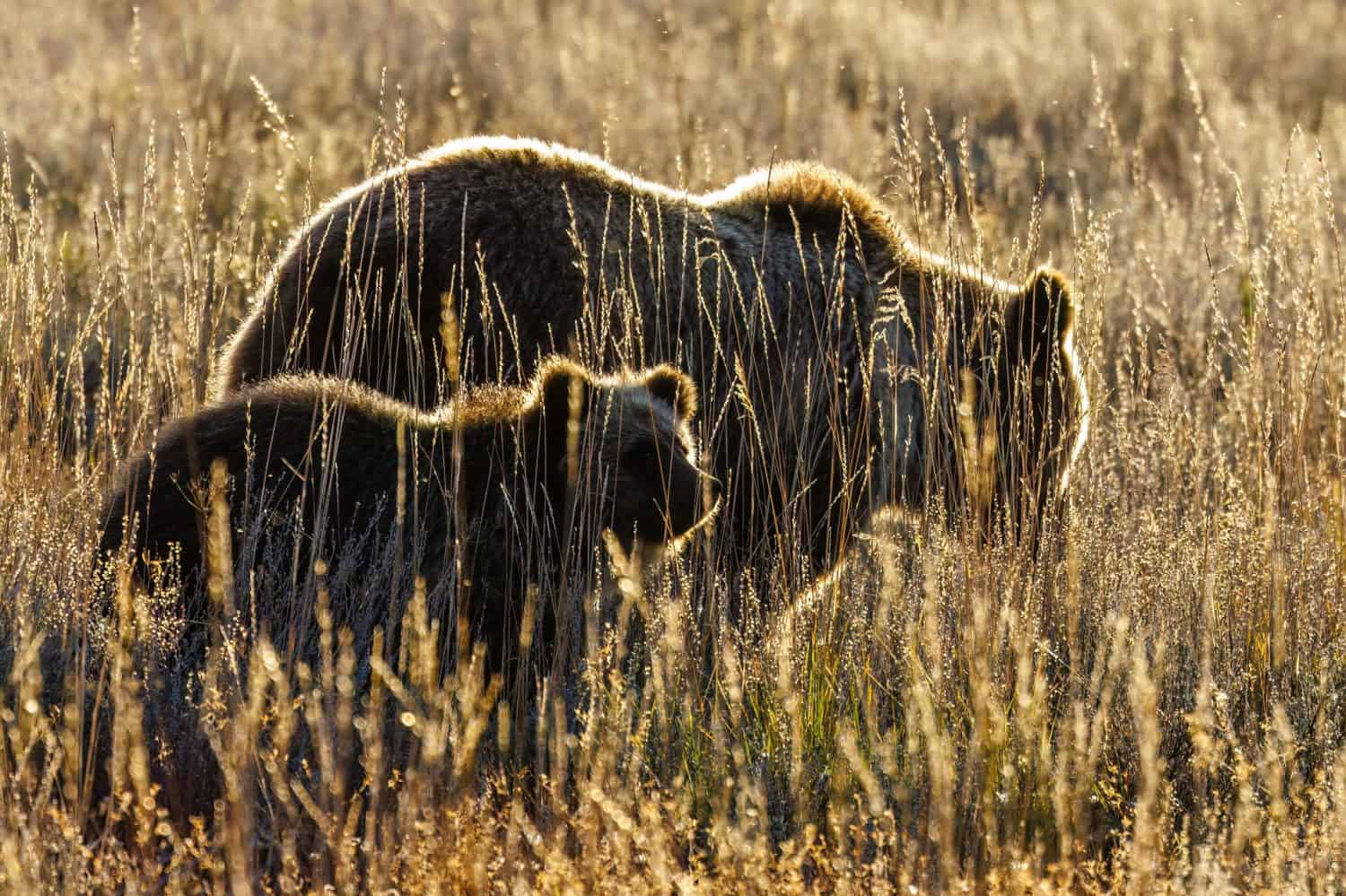
Even though they are still depicted on the state flag, California grizzly bears were hunted to extinction over a century ago.
©Aaron J Hill/Shutterstock.com
Some people mistakenly believe that grizzly bears still live in the California wilderness. It is easy to understand why, considering the fact that the California grizzly bear is still featured on the state flag. Tragically, the California grizzly bear was hunted to extinction in the early 1920s. All that is left in the state is the American black bear.
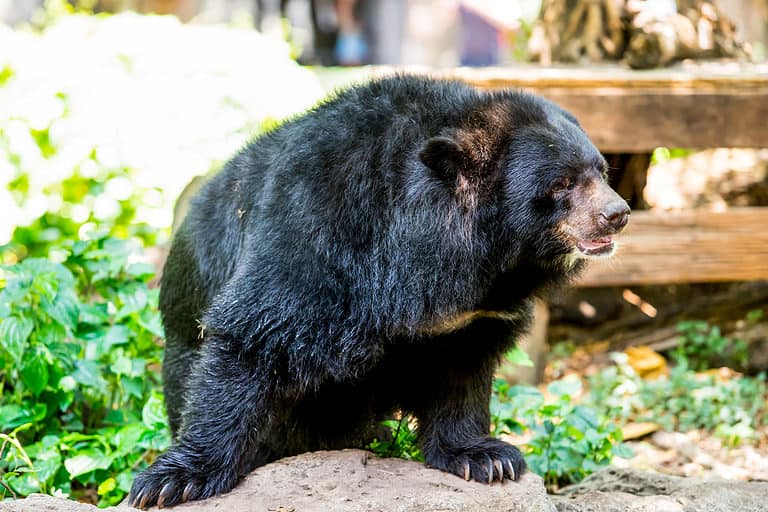
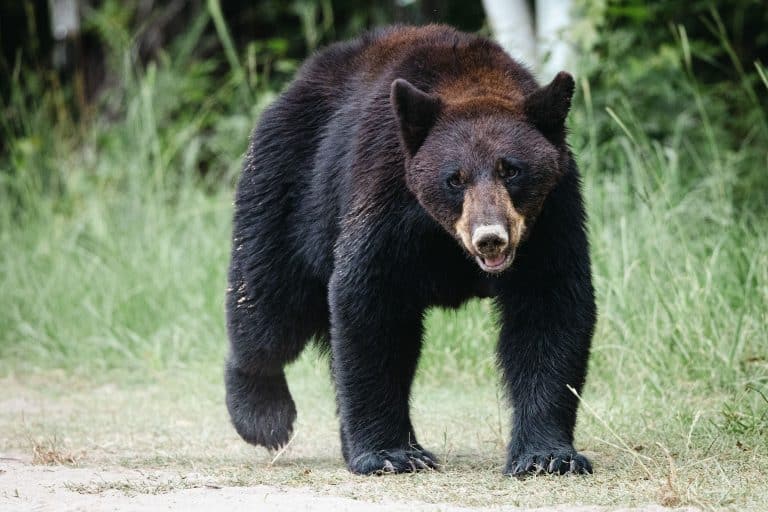
Even that title, however, is a bit of a misnomer. While some black bears are dark in color, black bears in the western United States feature a surprising range of colors. These include brown, blonde, cinnamon, and also dark black. Despite these different colorways, all American black bears are members of the same species. They are linked by their small stature, distinct shoulder humps, and straighter faces.
What to Do if You Run Into a Bear
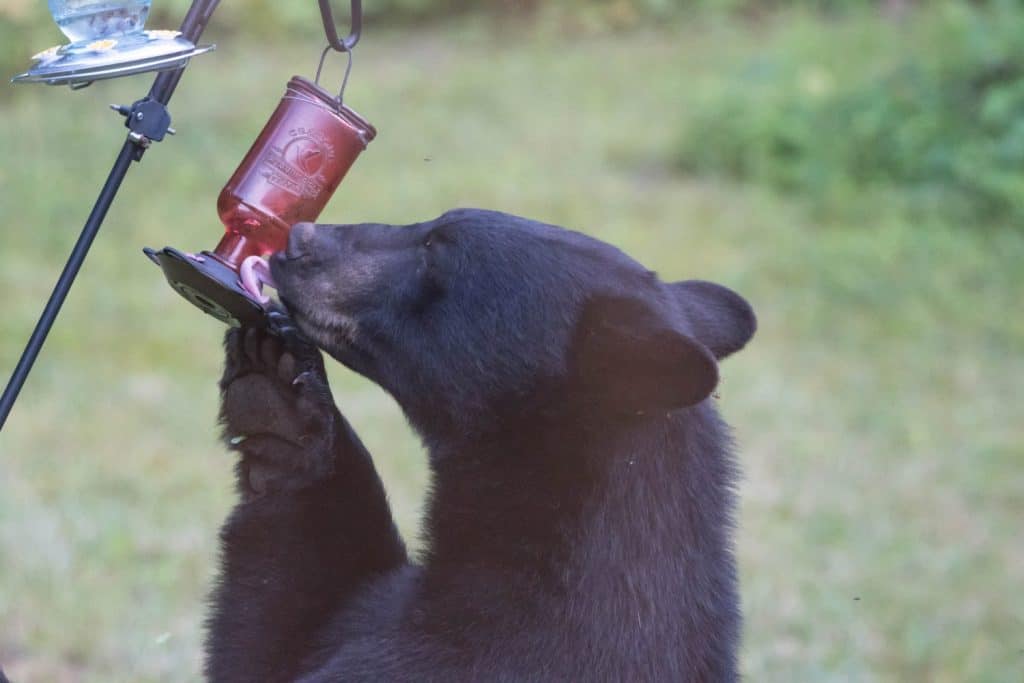
Always keep food and other valuables safely secured while visiting bear country.
©Charles Flachs/Shutterstock.com
Since California’s bear population is stable and people continue to move to the Golden State, the odds of human-bear interactions increase. That is why understanding the proper safety techniques for dealing with bears is important. Maintaining a sense of wildness is also important, as bears become more dangerous when they lose their fear of humans. That’s why the California Department of Fish and Wildlife has enacted its “Keep Me Wild” campaign.
General Guidelines
If you suspect you are in the vicinity of a bear, check for signs. Usually, clues like tracks, fresh droppings, or overturned logs can indicate a bear in the area. If you then see a bear, make noise. Bears are startled easily, especially by loud talking, singing, or clapping. This can deter a bear’s curiosity and keep it out of close range. For more long-term strategies, always store food properly in bear country. Most national parks provide bear-resistant containers and food lockers. Either way, never leave food, trash, or scented items in areas where they can be taken by bears (such as tents or unlocked cars).
Home Strategies
The strategies for keeping your home safe are similar to those used while camping. First and foremost, secure all your belongings well. Use bear-resistant garbage cans and only put them out on the street on trash day. Also, remove bird feeders from your yard during bear season, clean any barbecue grills, and harvest fruit as soon as possible. Also, be sure to secure any access points to your home. Bears looking for winter dens will sometimes crawl under decks or into crawl spaces.
Direct Confrontation
If you find yourself in the rare situation of confrontation with a bear, do not run. Staying calm and not running can save your life, because a bear’s predatory chase instinct is triggered by a creature smaller than it running. When faced with a hulking, panting bear, stand your ground. Make your body look as large and intimidating as possible by raising your arms and yelling or whistling. If the bear hesitates, back away slowly while providing it with a clear exit path. If all else fails and a bear approaches you within approximately 30 feet, use bear pepper spray. Bear attacks are very rare, especially in California, but it’s important to always be prepared.