
Quick Take
- A mother polar bear stunned scientists by swimming 427 miles across open Arctic water in just nine days.
- Her near nonstop journey highlights the extreme physical demands polar bears now face as sea ice continues to disappear.
- What once would have been an unthinkable trek is becoming a necessary survival strategy in a rapidly warming Arctic, but not all bears can endure.
- While adult bears may be able to endure these marathon swims, the growing distance between sea ice is proving deadly for cubs and future populations.
For nine days, a polar bear mother, formally known as Bear #20741, did not stop swimming. In the vast, open water of the Arctic, where solid ice once stretched for miles, the female polar bear pushed forward through freezing currents. She had no ice to climb onto, no food to eat, and nowhere to rest. By the time she finally reached stable ground, she had traveled 427 miles. The distance was so unbelievable that researchers initially thought the data was a technical error.
This mother polar bear’s incredible journey is more than just a record-breaking swim; it is also a warning for the present day. Melting sea ice is forcing polar bears to undertake longer, more dangerous journeys just to survive. The question is no longer how far a polar bear can go, but how far they will be forced to go as their world disappears.
How Do Polar Bears Navigate?
Bear #20741’s epic trek was nothing short of extraordinary, even by polar bear standards. The-seven-year-old mother covered 427 miles (687 kilometers) in just nine days, a feat that required her to be in motion almost constantly. Maintaining a relentless physical output, she swam for 232 hours almost continuously. Typical polar bear movement, across ice or water, ranges from 15 to 30 miles per day. This female bear nearly doubled that pace by averaging 47 miles daily. Her journey included almost no rest; data suggests she was swimming for nearly the entire nine-day period.
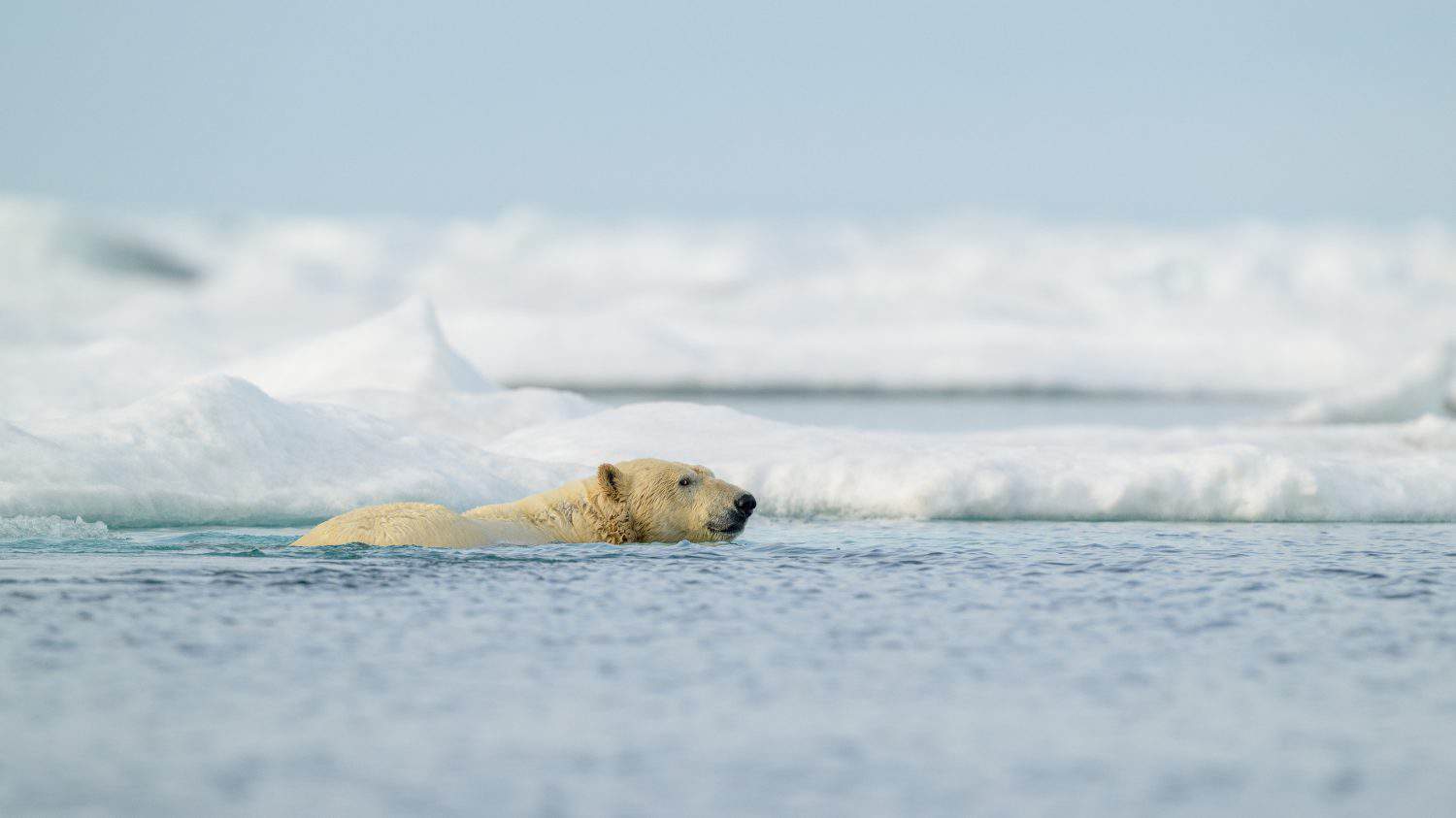
Climate change is the greatest threat to polar bears today.
©Bjorn H Stuedal/Shutterstock.com
Following this initial marathon, she added to the impressive feat by traveling another 1,100 miles (1,800 kilometers) over the next several weeks, alternating between swimming and walking across broken ice. While this mother bear’s endurance was certainly extraordinary, the price of survival was devastatingly high. By the end of her journey, she had lost 22 percent of her body weight and, tragically, her cub did not survive the ordeal.
Navigating an Ever-Shifting Terrain
Even more remarkable than her sheer stamina was her precision. Polar bears do not navigate fixed terrain; instead, they move across always-shifting sea ice that constantly drifts with wind and current.
To navigate this volatile environment, Bear #20741 likely relied on routes she learned while following her mother during her early life. When traveling crosswind, polar bears can intercept scent plumes from over 20 miles away, allowing them to effectively scan large expanses for prey or stable ice. Evidence also suggests a unique sensitivity to Earth’s magnetic field. This biological compass helps polar bears maintain a consistent orientation even in total darkness or open water.
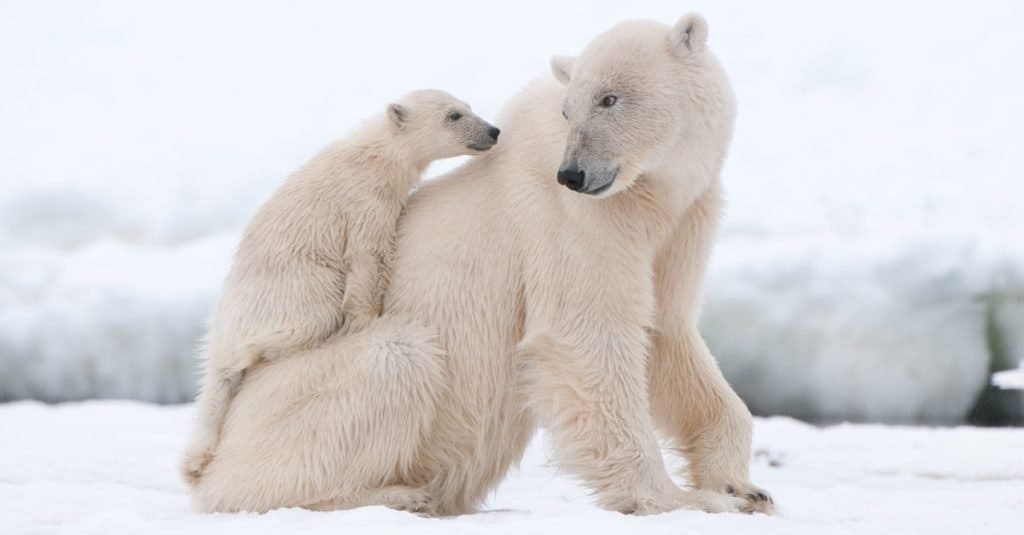
Polar bears spend most of their lives on the sea ice and depend on the ocean for their food and habitat.
©Gecko1968/Shutterstock.com
However, the modern Arctic is increasingly testing these incredible natural systems. As sea ice thins and fragments, it moves faster and more unpredictably. Polar bears are now forced to swim longer and harder just to maintain their position, turning what was once a seasonal migration into a grueling, sustained endurance trial.
The Physical Toll
The shift from ice to open water is more than just an environmental change; it is a profound physiological challenge. Although polar bears are classified as marine mammals, swimming comes at a steep metabolic cost. Their bodies are evolutionarily designed for life on ice, favoring high-efficiency, low-speed, and slow-aerobic movement. Consequently, swimming requires roughly 4.3 times more energy than walking for the same duration on stable ice. When a polar bear enters the water, it consumes oxygen and burns calories at a significantly higher rate than it would on land.
This energy drain is further compounded by cold stress. In water temperatures between 35.6 and 42.8 Fahrenheit (2 and 6 degrees Celsius), even a bear’s thick layer of blubber cannot completely prevent heat loss. To counteract the freezing Arctic water, a bear’s metabolism must work overtime just to maintain its core body temperature. This process demands a massive store of body fat; bears weighing less than 200 pounds, or those with low fat reserves, simply cannot generate internal heat fast enough to combat the cold. For these smaller or malnourished bears, long-distance swims become unsustainable, and they may ultimately succumb to hypothermia.
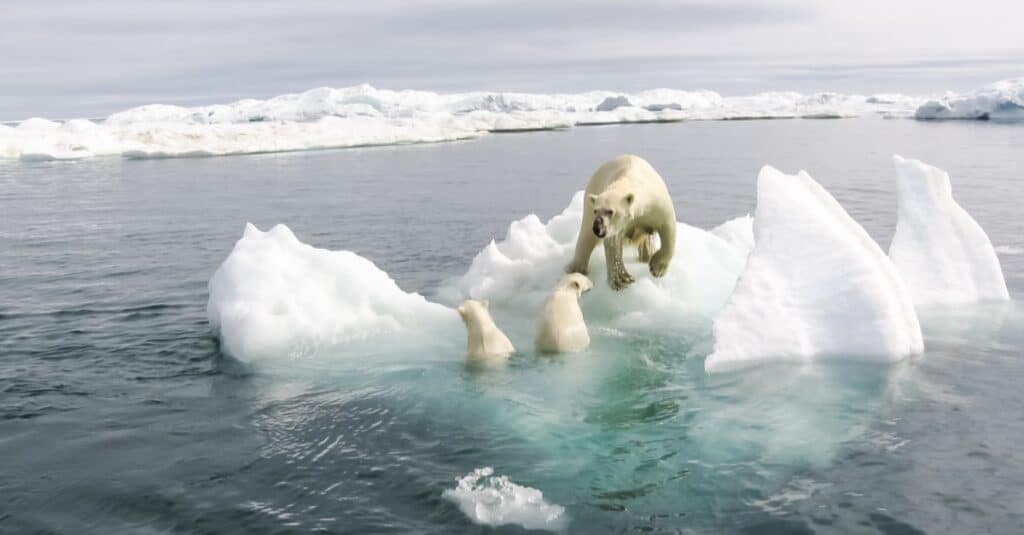
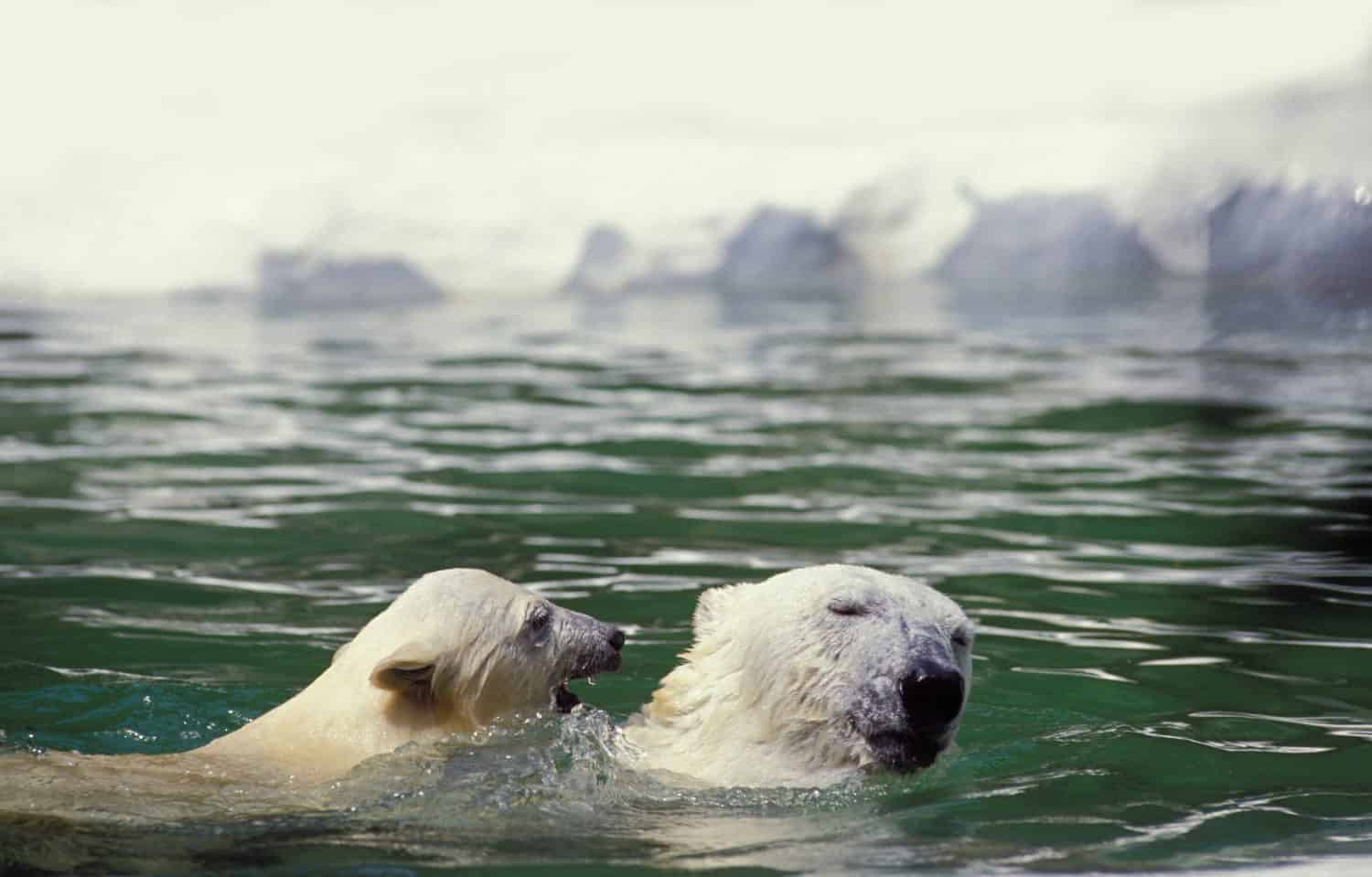
Polar bear cubs stay with their mothers for up to three years.
©iStock.com/avstraliavasin
Warming temperatures and declining ice due to climate change have created a dangerous paradox. As it becomes harder to hunt calorie-rich seals, bears are becoming thinner with less insulation and energy, yet they are simultaneously being forced to swim further to find remaining ice. This is often a fatal combination. For Bear #20741, this grueling reality resulted in the loss of 22 percent of her body fat — roughly 107 pounds — in addition to the tragic loss of her yearling cub.
Crisis or Adaptation?
What those numbers mean, however, remains a debate among researchers. Some experts view such extreme treks as evidence of animals being pushed to their absolute biological limits, forced into desperate survival strategies that could destabilize entire populations over time.
Others argue for a more nuanced interpretation. Comparisons to natural fasting suggest that bears may lose similar, or even greater, body mass while simply resting on land during seasonal food shortages. From this perspective, Bear #20741’s swim is seen less as a physiological breakdown and more as a remarkable expression of extreme evolutionary efficiency.
Regardless of the interpretation, one fact remains unchanged: as the sea ice continues to disappear, these grueling journeys are no longer the rare exception. They are rapidly becoming a necessity for survival.
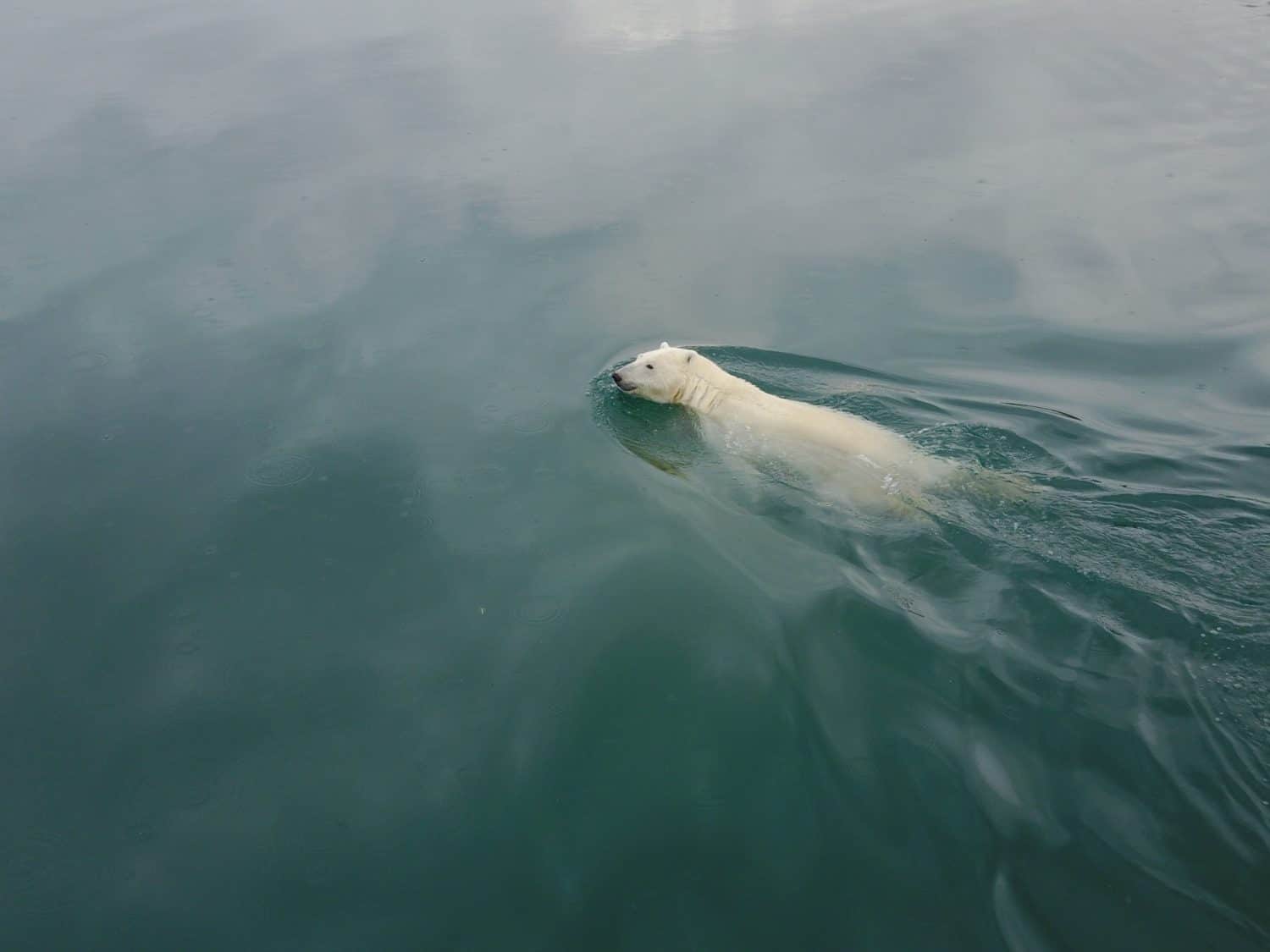
Polar bears use their large front paws to paddle through the water.
©Artemfil/Shutterstock.com
Causes and Environmental Context
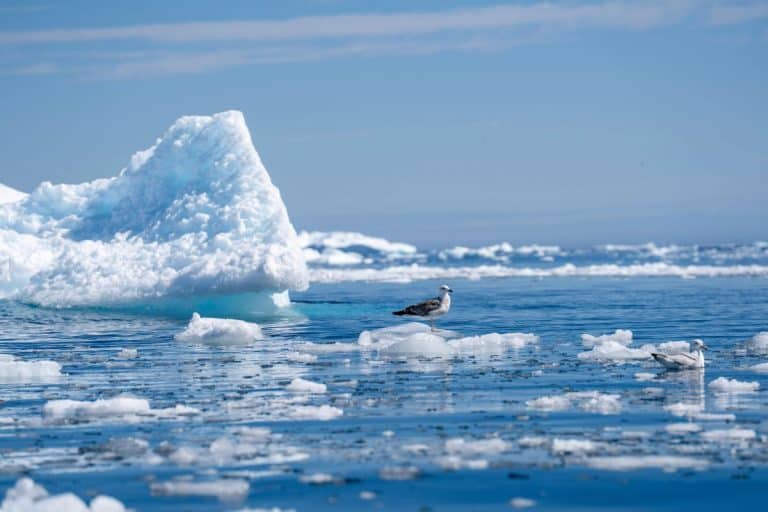
Bear #20741’s 427-mile swim was not the result of wanderlust or a need for adventure; it was a calculated response to a rapidly changing Arctic. The primary trigger for her journey was the premature retreat of sea ice. Historically, ice covered shallow, prey-rich waters and provided stable hunting platforms, but this habitat is now fracturing. When her territory broke apart, this mother was faced with just two options: stay and starve, or attempt a desperate swim for distant, stable ice. Her journey was not a reckless undertaking; it was survival.
Arctic sea ice is currently declining by roughly 13 percent per decade. As the ice-free season lengthens, the distance between land and viable hunting grounds grows. Where bears once moved easily between ice floes, they now face open water stretches that can last for days. For example, another female polar bear swam 287 miles (462 kilometers) over 10 days. Sustaining such an arduous journey required nearly five times the energy she would have normally expended traveling across sea ice.
Immune Overdrive and the Stress of Survival
This extreme physical demand is reflected in long-term monitoring data, which reveals growing health concerns within the population. Rising liver enzymes and disrupted water balance suggest that increasing temperatures may be causing direct cellular damage. Moreover, scientists have noted a spike in immune function biomarkers as ice-free days increase. This indicates that bears are in a state of immune overdrive. They are constantly fighting stress or pathogens, diverting critical energy away from growth and reproduction just to survive. Furthermore, as bears are forced to shift their diets away from traditional prey, they are absorbing higher levels of contaminants, such as mercury, within their tissues.
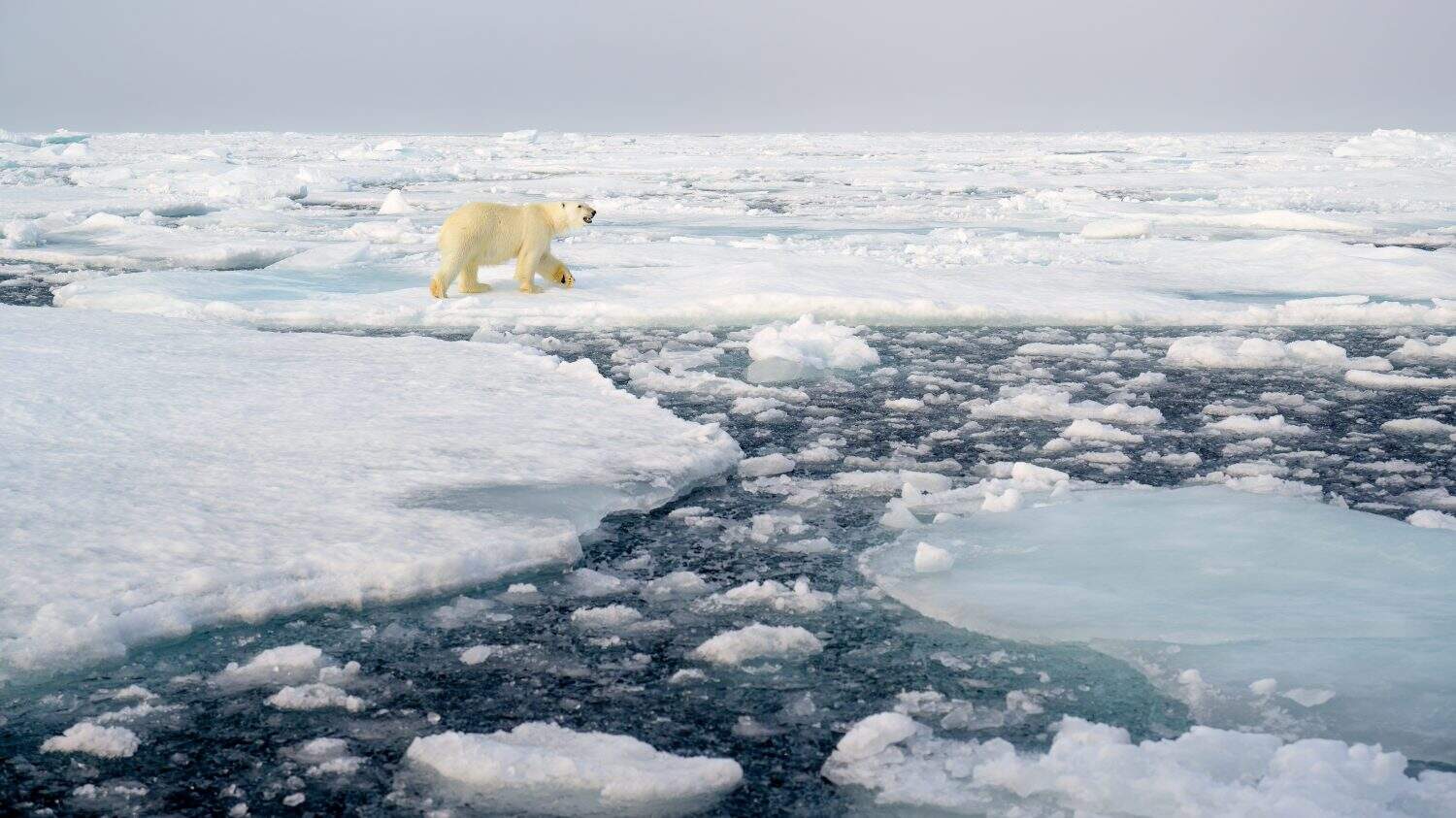
Polar bears have black skin that helps absorb sunlight.
©Bjorn H Stuedal/Shutterstock.com
Adapting to a land-based diet is incredibly difficult for polar bears because of the sheer volume of food they need to find. To get the same amount of energy provided by the blubber of a single adult ringed seal, a polar bear would need to consume:
- 1.5 caribou
- 37 Arctic char
- 74 snow geese
- 216 snow goose eggs (roughly 54 nests)
- 3 million crowberries
For a predator built for the high-calorie efficiency of the ice, these land-based alternatives aren’t just inconvenient, they simply are not a sustainable substitute for their natural diet.
The “Survival Gap”
Many polar bears do not survive these long journeys, and younger bears are particularly vulnerable. Polar bear cubs lack the biological tools adults rely on for survival in the water. They don’t have enough insulating fat, are more susceptible to hypothermia, and possess much lower buoyancy and endurance. In near-freezing water, even relatively short swims can prove fatal. This makes multi-day crossings like the one undertaken by Bear #20741 impossible for many.
Data from long-term studies reveals a stark divide in survival rates based on the distance traveled. For short swims of less than 30 miles, cub loss sits at approximately 18 percent. However, for long swims exceeding 30 miles, the mortality rate jumps to over 50 percent.
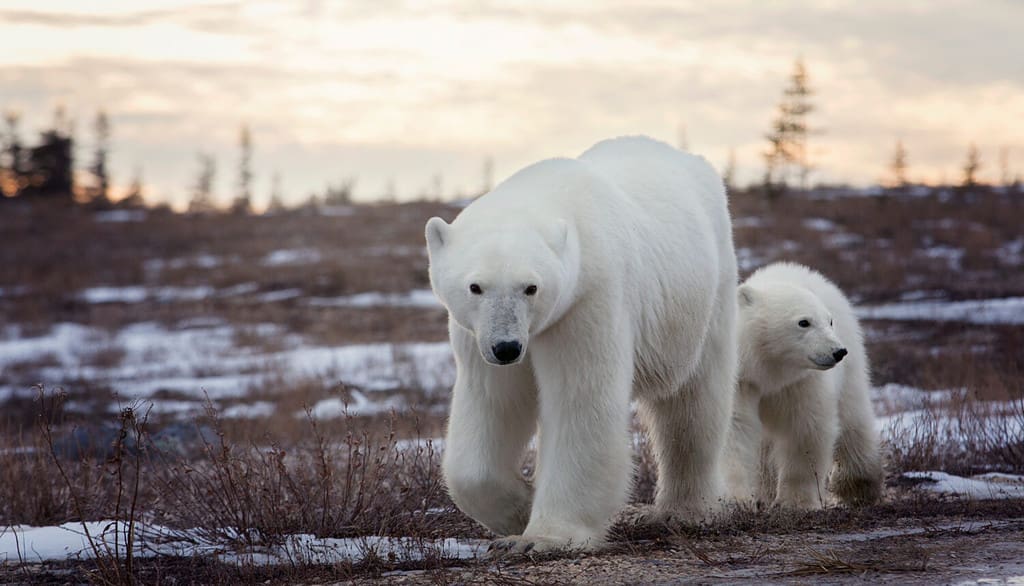
Polar bear cubs learn everything about surviving in the Arctic from their mothers.
©critterbiz/Shutterstock.com
While cubs can attempt to save energy by riding on their mother’s back during long swims, this strategy has its limits, as seen by the tragic loss of Bear #20741’s own cub. Even if a cub manages to survive the water, they still face the threat of starvation if the mother is too exhausted or malnourished to produce milk.
As sea ice continues to retreat further north, mothers are increasingly forced into a lose-lose situation: remain on land and starve or attempt a swim that their cubs likely cannot survive. This creates a critical “survival gap.” While adult bears are often strong enough to endure these extreme conditions, their offspring are not. If cubs cannot survive these forced migrations, the overall population will continue to decline.
Monitoring an Ever-Shifting Arctic
Tracking these changes now requires a level of global coordination that transcends national boundaries. Because polar bears frequently move across international borders, scientists from around the world must work together to monitor their movements and ensure their survival.
Modern GPS collars and ear-tag transmitters allow researchers to see exactly how these animals navigate through broken ice and open water. Satellite imagery, genetic sampling, and Indigenous knowledge help fill in critical gaps.
Despite these advanced tools, scientists are struggling to keep up with the rapid transformation of the North. In many parts of the Arctic, the environment is changing faster than it can be measured. This creates a literal race against time, as the very landscape researchers are trying to study is shifting and disappearing beneath their feet.
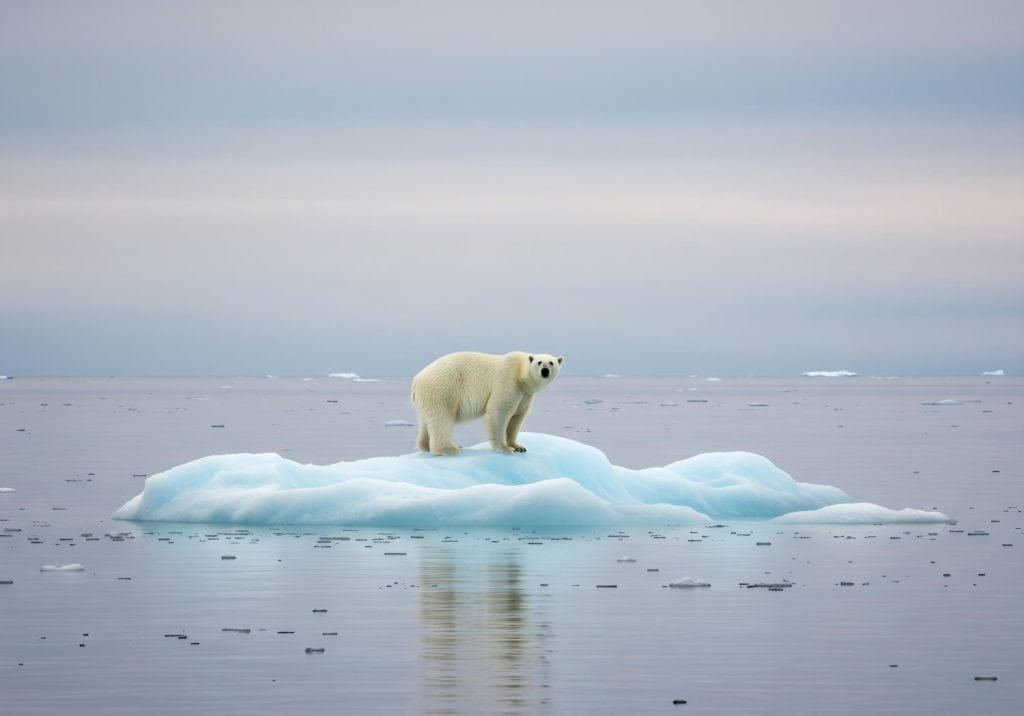
Polar bears have thick blubber and water-repellent fur.
©Andrewfel/Shutterstock.com
The journey of Bear #20741 redefines our understanding of polar bear survival. A mother bear swimming 427 miles in just nine days forces the scientific community to recalibrate what they believed the species was physically capable of enduring.
However, this newfound resilience comes at a steep price. The Arctic has transformed from a stable habitat into an ever-shifting treadmill. Bears must exert more energy, take higher risks, and make more desperate decisions than ever before.
Ultimately, the real story isn’t just about the endurance of a single polar bear; it’s about the future of the entire species. While strong adults may survive these extreme treks, the next generation often cannot. This creates a dangerous gap between temporary survival and long-term sustainability. Polar bears are being pushed to the absolute edge of what they can withstand.