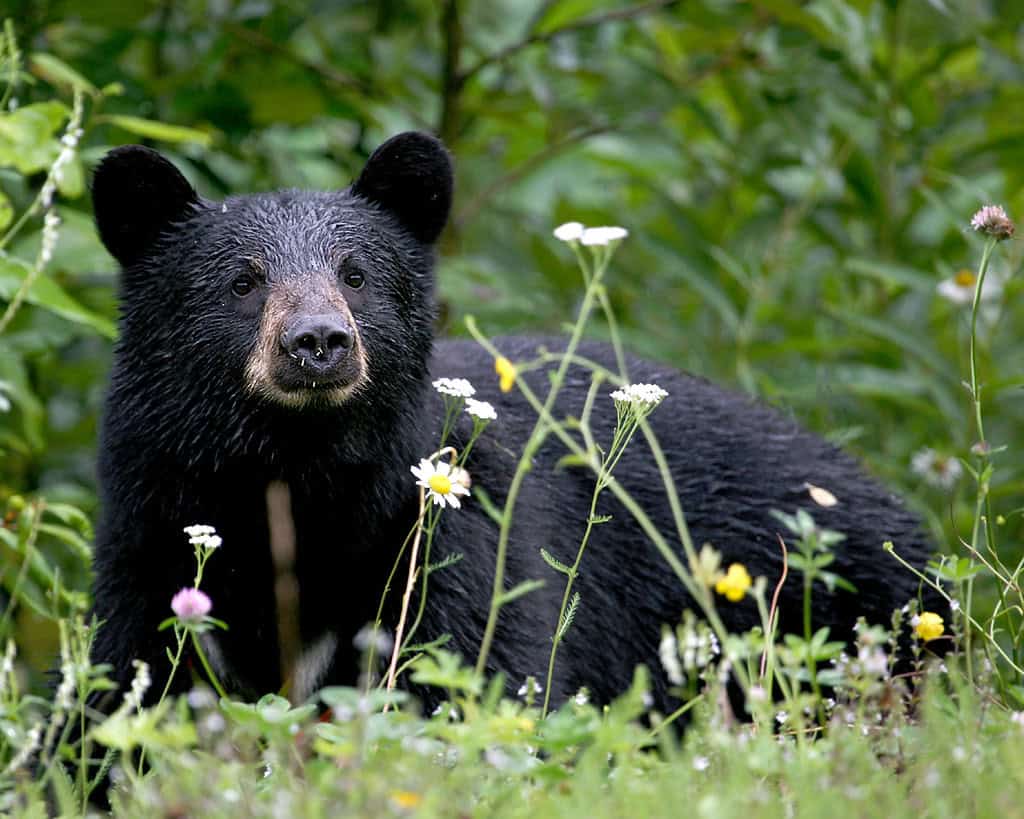

Quick Take
- Virginia has a large and stable population of black bears.
- Mountains and swamps hold the highest populations.
- Seasonal behavior affects encounter likelihood.
- Human food sources drive most conflicts.
Several members of my family, in different parts of Virginia, have seen bears in their back yard. Some years ago, a bear used the automatic doors to wander into a hospital emergency room in Rocky Mount, Virginia—my birthplace—creating a very different kind of emergency. So I can attest that Virginia is definitely bear country. For us “indoor folk,” it’s an exciting thing to share on the family text thread. For others—farmers, hikers, campers—the growing presence of black bears across much of the Commonwealth presents more of a challenge.
Knowing where they live and why they prefer certain landscapes helps hikers, residents, and travelers avoid surprise encounters and reduce risk. From the Blue Ridge to the Great Dismal Swamp, bear activity follows clear geographic and seasonal patterns that anyone spending time outdoors in Virginia should understand.
Virginia’s Only Bear Species
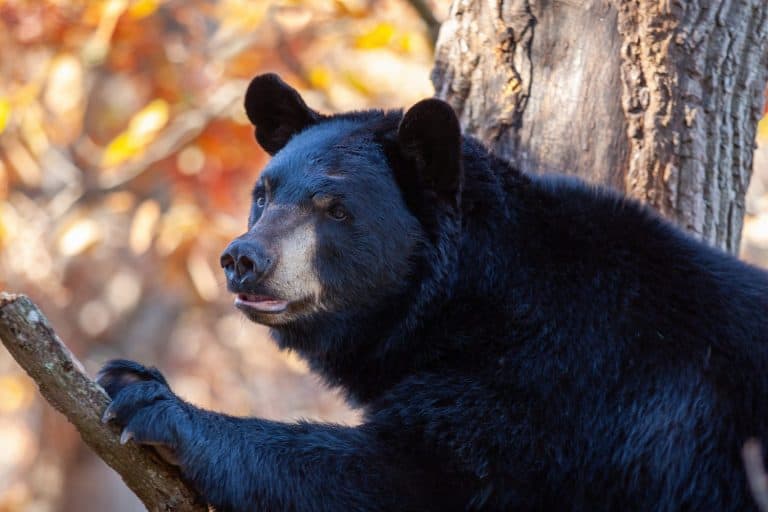
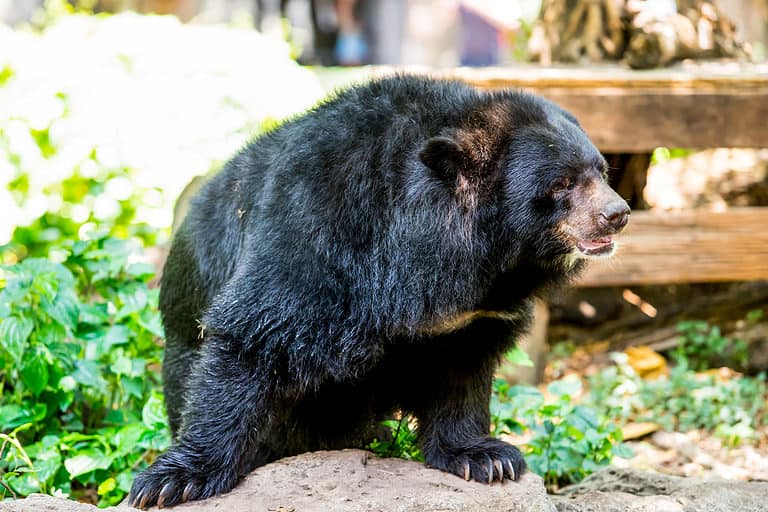
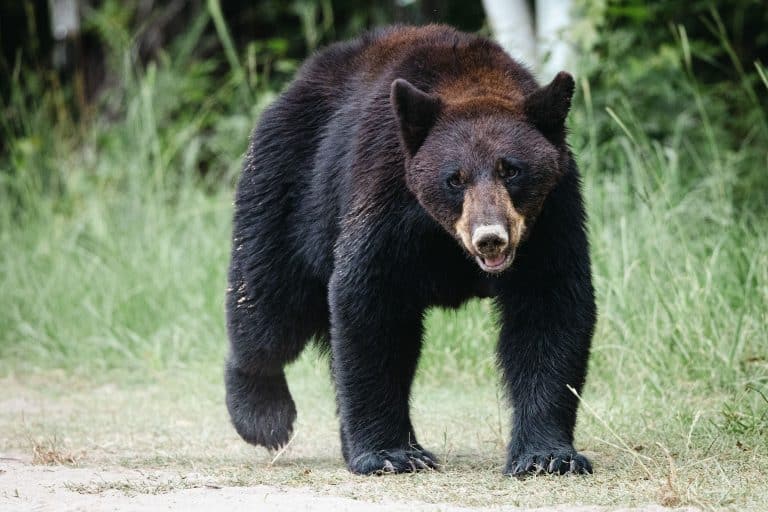
All bear sign found across Virginia, including tracks, claw marks, and overturned logs, comes from a single species: the American black bear, Ursus americanus. Wildlife officials estimate that roughly 18,000 black bears live throughout Virginia, making the population one of the most stable in the eastern United States. This marks a strong recovery from the early 1900s, when hunting pressure and habitat loss pushed bear numbers to very low levels.
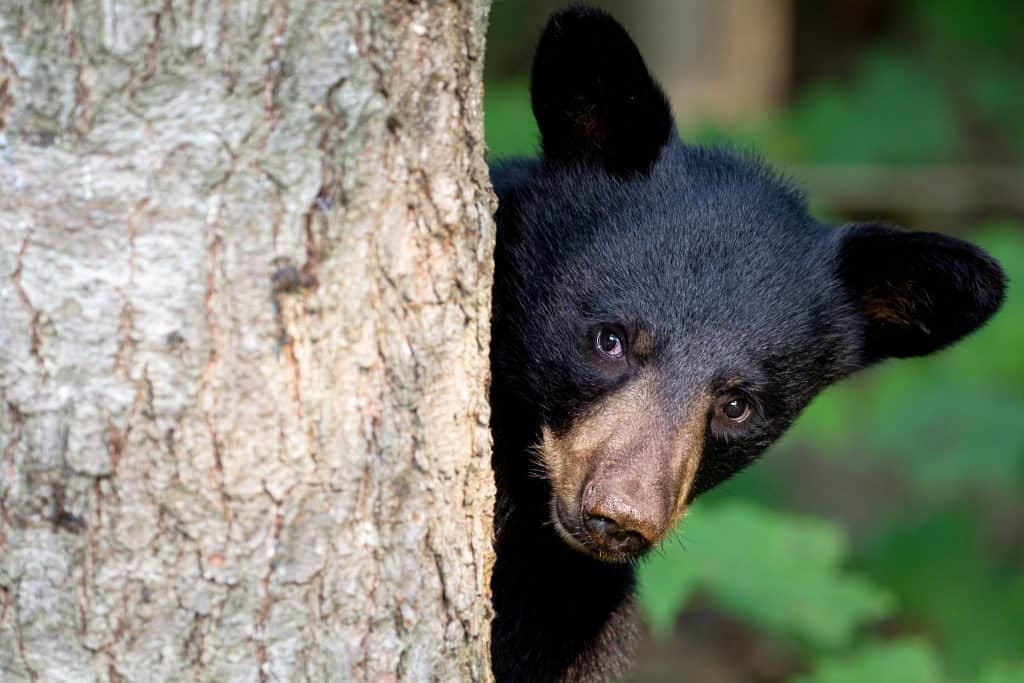
American black bears are found in most counties of Virginia, not just the Appalachian highlands or coastal swamps.
©Christopher MacDonald/Shutterstock.com
Today, black bears are present in most counties, with only a few gaps in highly urbanized regions and parts of the Eastern Shore. Their success comes from their adaptability. These animals can live in dense forests, swamps, the edges of farmland, and even suburban green spaces, as long as food and cover are available. Their flexible diet includes berries, nuts, insects, and occasional animal matter, which allows them to adjust to different environments across the state.
Blue Ridge and Allegheny Mountains
The Appalachian highlands form the core of Virginia’s bear habitat. The Blue Ridge and Allegheny Mountains contain large, continuous stretches of forest that provide food, shelter, and relative isolation from human activity. Oak and hickory forests produce heavy acorn crops, while shrubs and understory plants supply berries throughout the growing season.
These mountains also offer ideal denning sites, including rock crevices, hollow trees, and remote slopes where bears can avoid disturbance. Shenandoah National Park and the surrounding areas consistently report high bear activity. Visitors frequently encounter bears along trails and roadways, particularly during early morning and evening hours.

The Blue Ridge Mountains and Shenandoah National Park are favorite haunts for bears.
©Jon Bilous/Shutterstock.com
The Great Dismal Swamp and Coastal Plain
On the southeastern side of the state, the Great Dismal Swamp and surrounding Coastal Plain forests form another major bear habitat. This region offers dense vegetation, long growing seasons, and a steady supply of natural foods. The Great Dismal Swamp National Wildlife Refuge protects a large portion of this ecosystem, providing a stable environment for bears and other wildlife.
Unlike the mountains, this landscape is flatter and more developed, which means bears often move near human settlements. Sightings frequently occur along the edges of neighborhoods, agricultural land, and forest corridors.
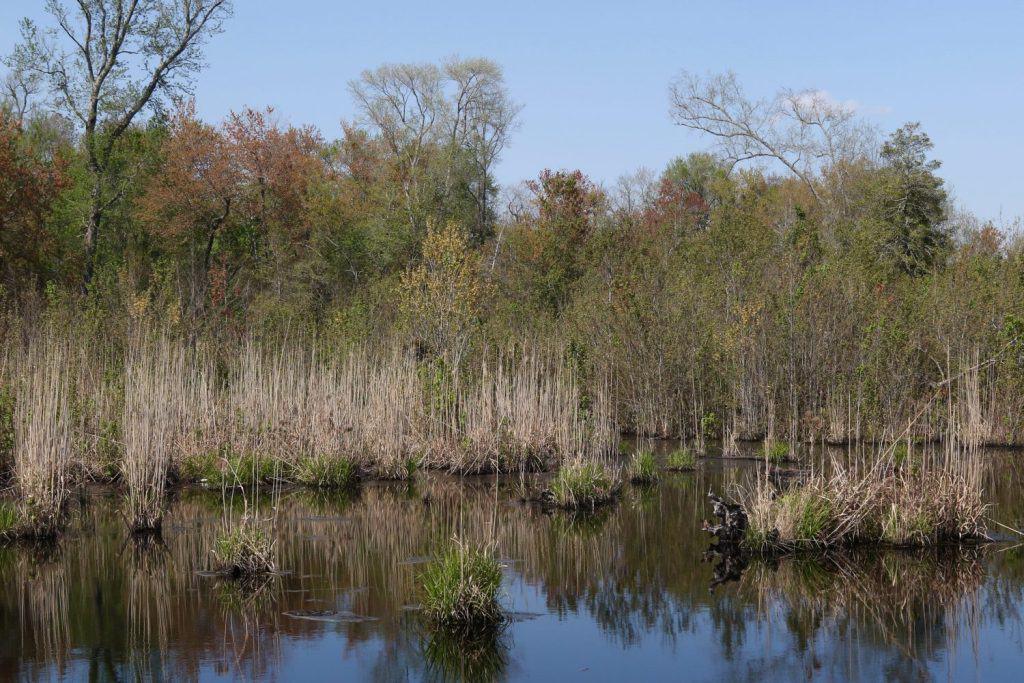
This is a typical landscape in the Great Dismal Swamp National Wildlife Refuge.
©vagabond54/Shutterstock.com
Piedmont and Foothill Expansion
The Piedmont region, located between the mountains and the coastal plain, has seen a steady increase in bear activity. This landscape consists of mixed forests, farmland, and suburban development. Bears use wooded corridors, stream valleys, and small forest patches to move through the region. They may den in wooded areas near neighborhoods and travel between feeding sites at night.
Historically, this area supported a lower population, but reforestation allowed bears to expand eastward. Today, black bears are established in the Piedmont, though recent data suggests the population is stable rather than increasing.
Urban Edges and Unexpected Sightings
As bear populations grow, sightings in suburban and urban areas have become more common. Bears have been observed in cities such as Richmond and Virginia Beach, often traveling through green corridors like riverbanks and wooded utility paths. In Charlottesville, facilities staff at the University of Virginia have had to deal with bear sightings on the grounds. These sightings usually involve young males dispersing from established habitats.
Seasonal Activity Patterns
Black bear behavior changes throughout the year, which affects when and where encounters are most likely.
Spring
In spring, bears emerge from dens after months without food and begin moving widely to rebuild lost weight. They search for fresh plant growth, insects, carrion, and any easy calories they can find, which is why they sometimes appear in lower elevations and residential areas. Their hunger makes them more willing to investigate garbage, bird feeders, and other human-related food sources.
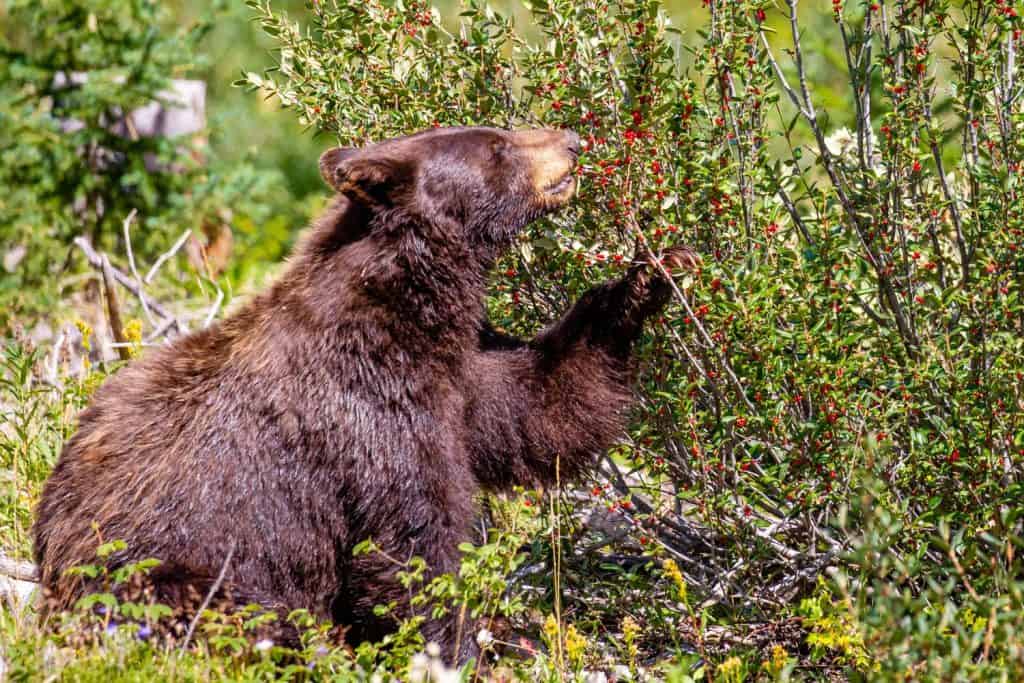
Berries are a favorite food of black bears.
©Michael Tatman/Shutterstock.com
Summer
During summer, bears settle into more stable patterns as natural foods become more abundant. They focus on berries, fruits, and other soft foods, often feeding during the cooler evening and nighttime hours. Movement becomes more localized around reliable food sources. They tend to avoid unnecessary travel when food is plentiful.
Fall
Fall is the most intense feeding period of the year. Bears enter a phase called hyperphagia, where they eat almost constantly to build fat reserves for winter. Acorns and other hard mast become the primary food source, and they may travel long distances between productive feeding areas. This increased movement often leads to more sightings, especially in forested regions.
Winter
In winter, black bears enter a period of dormancy rather than true hibernation. They retreat to dens in hollow trees, rock crevices, or thick vegetation and significantly reduce their activity. Their body temperature drops slightly, and they rely on stored fat to survive without eating, drinking, or leaving the den for extended periods. While they can wake if disturbed, most remain inactive until late winter or early spring, when the cycle begins again.
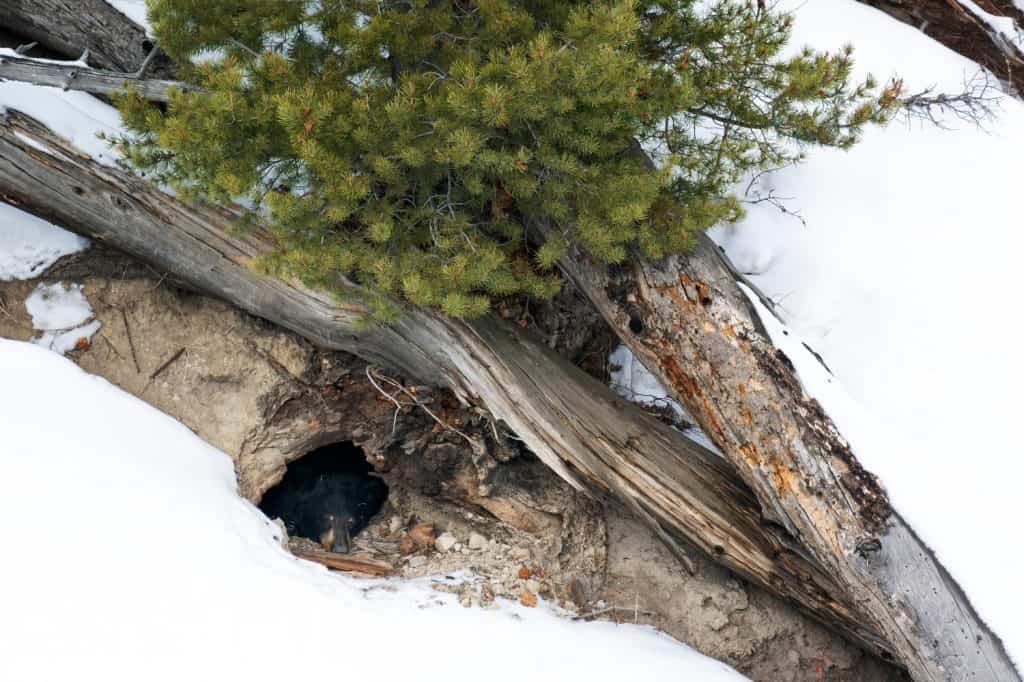
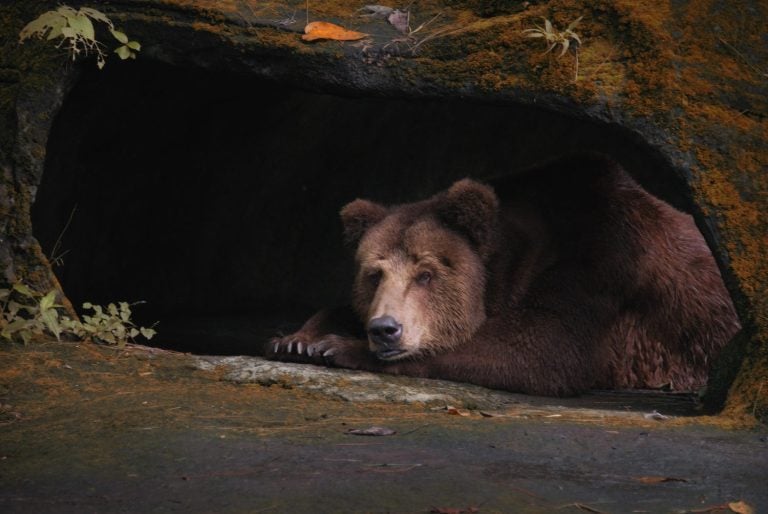
Bears hibernate only partially during the winter, which makes disturbing them dangerous.
©Susan Rogers/Shutterstock.com
Factors That Shape Bear Distribution
Bear distribution in Virginia depends on a combination of habitat quality, food availability, and human land use. Regions with large, connected forests and abundant natural food support higher densities. In contrast, heavily developed areas tend to have fewer bears unless suitable corridors are present.
Human activity also plays a role. Land use changes such as logging, development, and conservation efforts can either reduce or improve habitat. Wildlife managers monitor bear populations through harvest data, reports, and field studies to track these changes and adjust management strategies.
Disease and environmental conditions can also influence local populations. In some areas, health issues have led to adjustments in hunting regulations to maintain stable numbers. In Virginia, wildlife managers regularly adjust bear seasons, harvest limits, and regional quotas based on population data, hunter harvest reports, and field observations. In areas where bear numbers are lower or affected by disease, seasons may be shortened or harvest reduced, while regions with stable or growing populations may allow more opportunity. These factors contribute to the uneven distribution of bears across the state.
Staying Safe Around Black Bears
For most people, the greatest risk from black bears comes from attracting them with food. Those who learn to associate humans with easy meals are more likely to return and may become increasingly bold. Preventing this behavior means storing garbage securely, feeding pets indoors, and removing bird feeders during active months. Cleaning grills and managing food waste also reduces attractive smells. In outdoor settings, proper food storage and maintaining distance from wildlife are essential.

Bird feeders and unsecured garbage are two of the most common ways suburbanites unintentionally attract bears to their yards.
©Barbara MacDonald/Shutterstock.com
If you encounter a bear at close range, the recommended response is to remain calm, speak in a steady voice, and slowly back away. Running can trigger a chase response, while standing ground and appearing larger can help discourage the animal. Also, remember that these animals are excellent climbers, so climbing a tree will not keep you safe. Most encounters end without incident if people avoid sudden movements and give the animal a clear path to leave.
If a bear does become aggressive and tries to make physical contact, again, don’t run. In the case of a black bear, fight back by striking the animal’s nose and eyes.
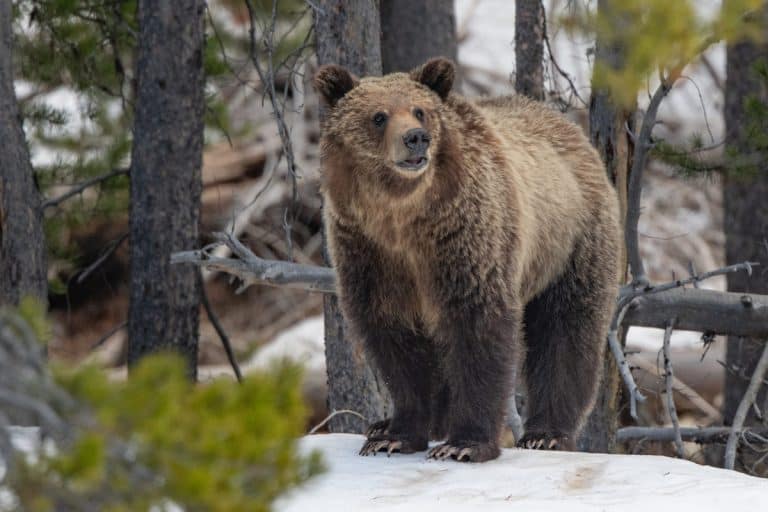
Though there are no brown bears in Virginia, if you travel out west and have an encounter, experts advise not fighting back, but instead playing dead. In the moment, it might be hard to remember which to do, so just remember: you fight the smaller species (black bears) but play dead for the bigger species (brown bears).
Where to See Bears in Virginia
For those interested in observing bears in the wild, certain areas offer better opportunities than others. Shenandoah National Park and the Blue Ridge Parkway are among the most reliable locations, particularly during early morning and evening hours. Trails that pass through oak forests or berry-producing areas often show signs of activity.
In the southeastern part of the state, the Great Dismal Swamp National Wildlife Refuge provides another chance to see bears, though sightings may be less predictable due to dense vegetation. Visitors should remain cautious and follow all wildlife guidelines to ensure a safe experience. Observing bears from a distance allows people to appreciate their behavior without disrupting it. Using binoculars or viewing from a vehicle increases safety while still providing a memorable encounter.
A Shared Landscape
Virginia’s black bears are a sign of ecological recovery and resilience. Their presence across mountains, swamps, and expanding suburban edges reflects the state’s changing landscape. With awareness, preparation, and simple precautions, people can continue to explore these environments safely while allowing bears to thrive.