
Quick Take
- Some animals that successfully flee the flames still don't survive, and the reason why is more surprising than the fire itself. See the hidden dangers →
- "Zombie fires" are partly to blame for the crisis, and they are stranger than they sound. Discover zombie fires →
- Certain wildlife species may actually come out better off after the fires burn through, not worse. See which species benefit →
- When wildfires displace wild animals, your neighborhood could become their next destination, and they may not be leaving anytime soon. Learn about urban wildlife encroachment →
Canada has experienced some significant wildfires over the last several years. This year is proving no different, with hundreds of wildfires spreading across multiple provinces.
Wildfires and smoke are displacing residents, while domestic animals are finding refuge in shelters after being separated from their owners. What is less often discussed is what happens to wild animals when their habitats are destroyed. Here is an in-depth look at how Canadian wildfires impact wildlife.
What Sparked the Canadian Wildfires?
Major regions of Canada are currently experiencing wildfires. Over 900 wildfires are burning, 100 of which are categorized as burning “out of control.” As of July 20, 2026, an additional 14 new fires were reported, showing that fire season is not coming to an end any time soon.
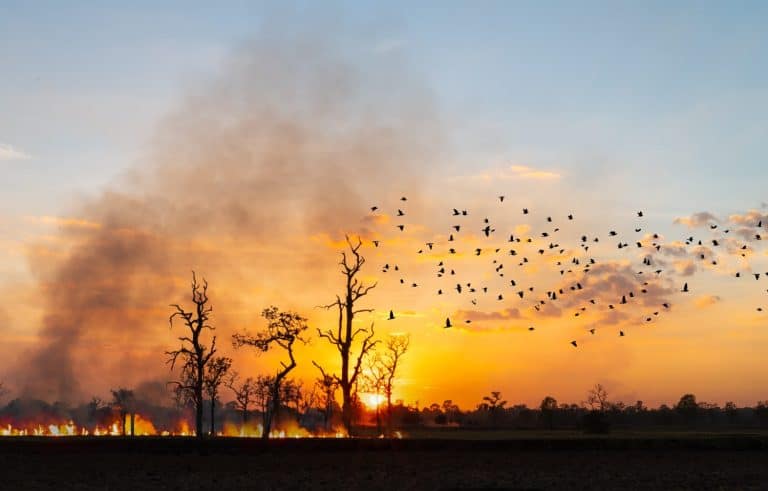
The reasons for the wildfires vary. Most wildfires have resulted from lightning strikes in remote locations. Those closer to populated areas have been caused by campfires, sparks from machinery, and cigarette ignition. There are even reports of “zombie fires,” fires that remained undetected during the cooler months and roared back to life when temperatures soared.
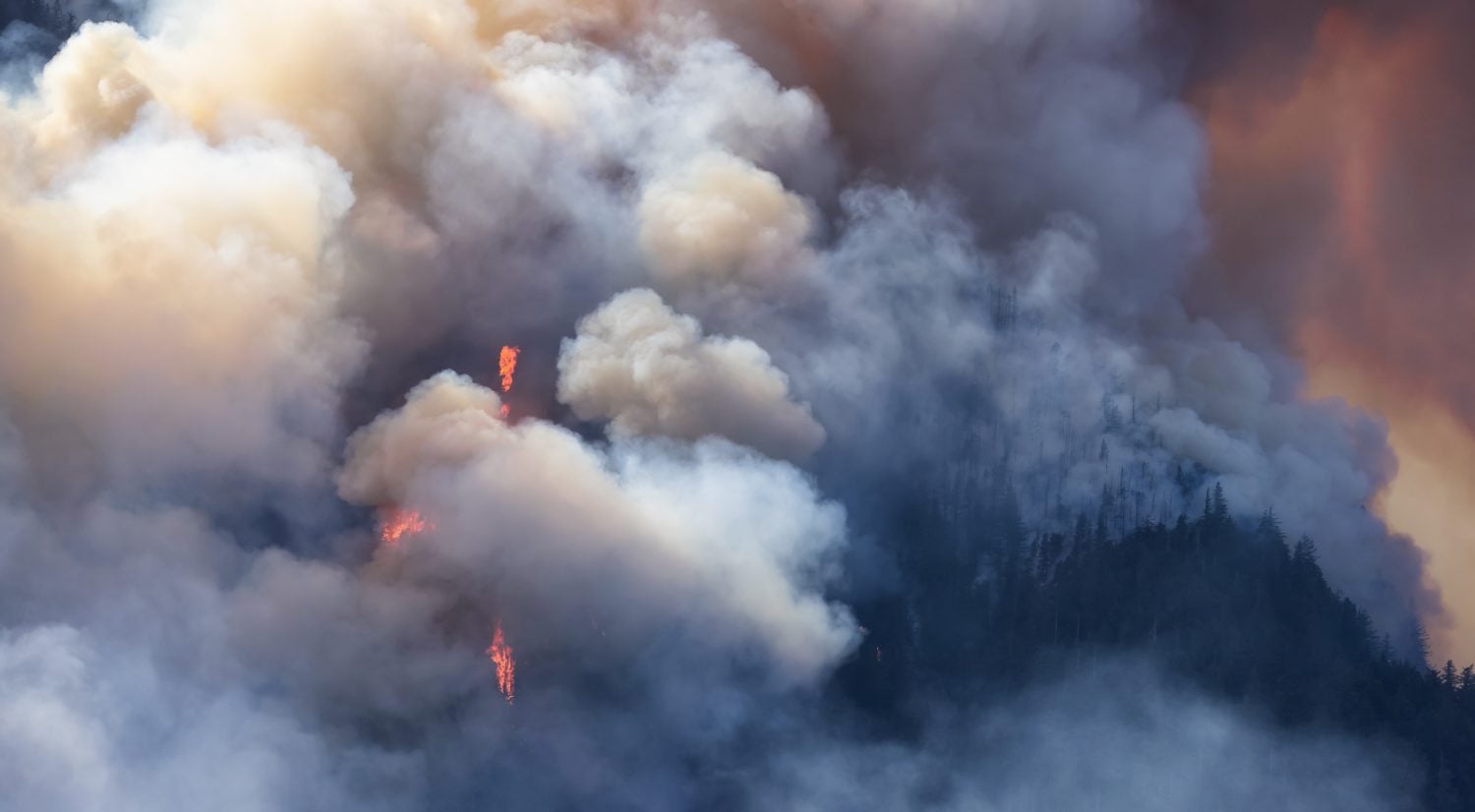
The majority of the Canadian wildfires were sparked by lightning.
©EB Adventure Photography/Shutterstock.com
In total, according to the Canadian Wildland Fire Information System, over three million acres have been burned in 2026.
While firefighters continue to battle blazes everywhere from Ontario, Manitoba, Saskatchewan, British Columbia, Quebec, and more, dry boreal vegetation, combined with high temperatures, makes putting out the fires difficult. This is especially true in more remote locations. Consequently, the National Preparedness Level remains at Level 4, meaning mutual aid is being requested from outside jurisdictions. This is also just one level below asking for international assistance.
Challenges Wildlife is Currently Facing
As wildfires continue to ravage the Canadian landscape, wildlife is having a rough go. From the heat, the flames, and even the smoke, wild animals are struggling to survive.
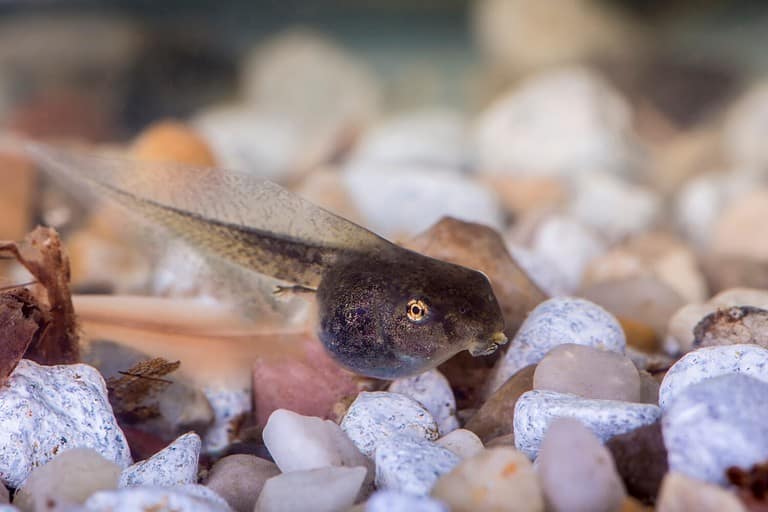
Wildlife is facing both the short-term and long-term effects of the wildfires. Those who are more mobile tend to do better in the short term because they can flee. Animals, such as ground-nesting birds, amphibians, reptiles, and rodents, are among the first to perish in a forest fire, simply because they cannot escape.
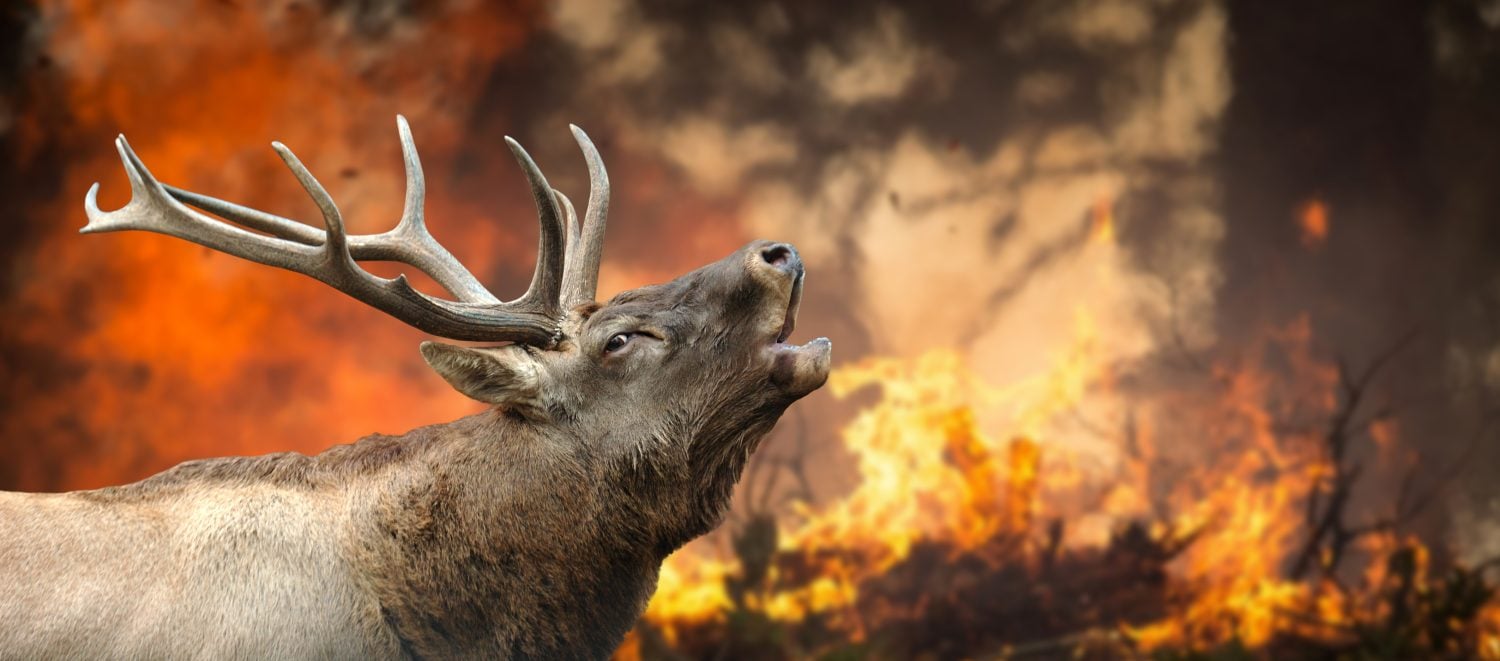
Animals that can flee may still find themselves in danger, according to IERE. This is because the fires change direction quickly, trapping larger animals like elk, bears, and moose. If these animals can escape the fire, it likely comes with injuries, some of which are life-threatening.
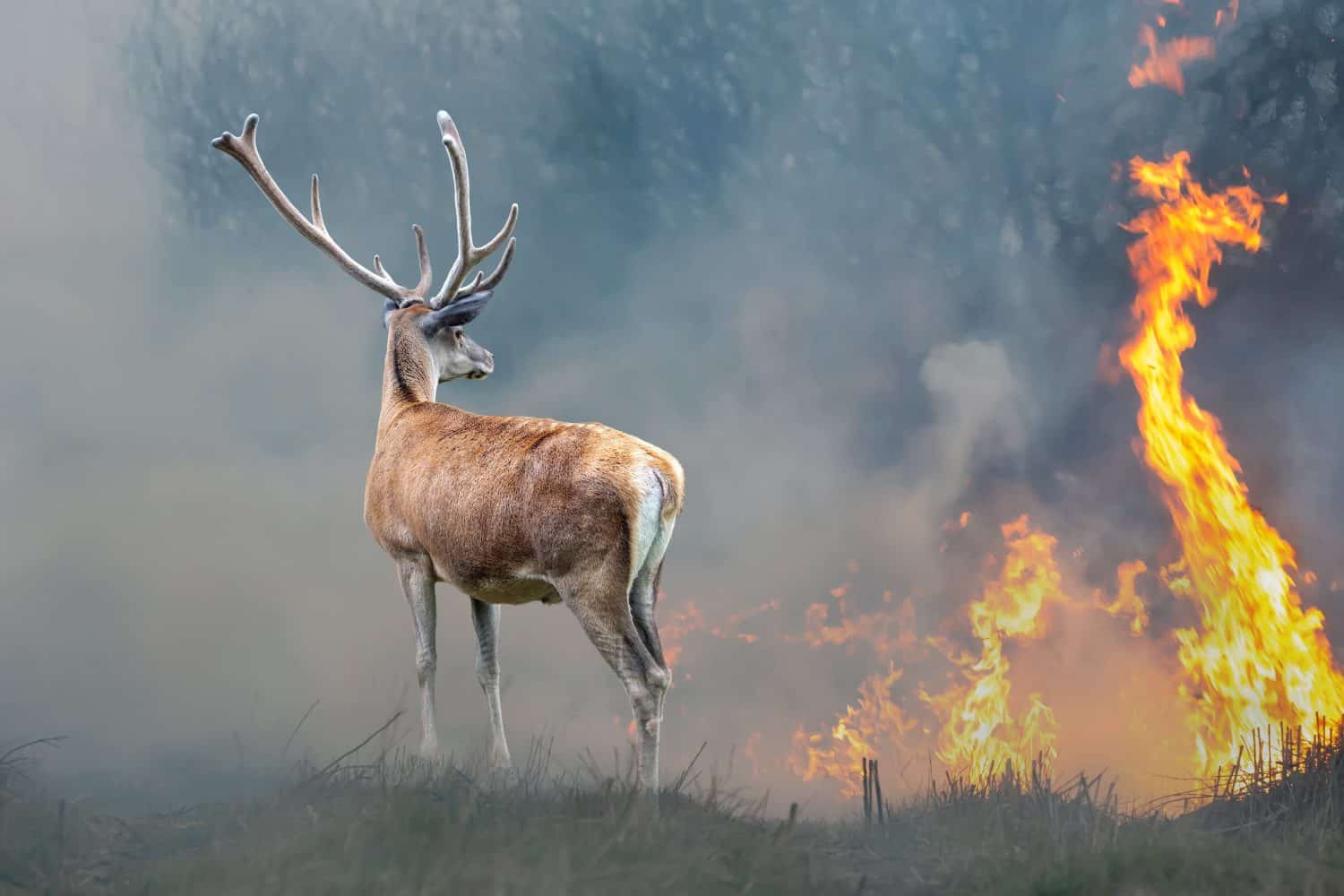
Larger animals, like deer, elk, moose, and more, tend to do better during forest fires because they can flee.
©Volodymyr Burdiak/Shutterstock.com
Even animals not directly affected by fire are experiencing smoke inhalation. The resulting respiratory distress and reduced ability to hunt or forage are just some of the consequences of breathing in the smoke.
Additionally, aquatic animals are not safe either. Ash can accumulate in lakes, rivers, and streams, depleting oxygen levels in these water sources and causing the death of various species.
More long-term consequences come from the fact that it can take decades for areas burned by wildfires to regenerate. This can lead to a decrease in some animal populations. Because wildfires have swept through Canada for several consecutive years, the landscapes have had little time to recover. As a result, the animal populations most affected have also struggled to rebound.
How Wildlife Will Have to Adapt After the Fires
Even if wildlife survives the wildfires, they are not necessarily safe. Animals affected by burn areas as large as those in Canada will need to find new habitats, which is often easier said than done.
Wild animals that have fled their territories due to wildfires may attempt to return. Some may find their trees and grasslands untouched, while others will return to complete devastation. These animals are then forced to search for new areas that provide both shelter and food. It is not as though there is an abundance of unclaimed territory in the forest. Consequently, wild animals, such as wolverines, spotted owls, and woodland caribou, will face competition when seeking out new places to live.
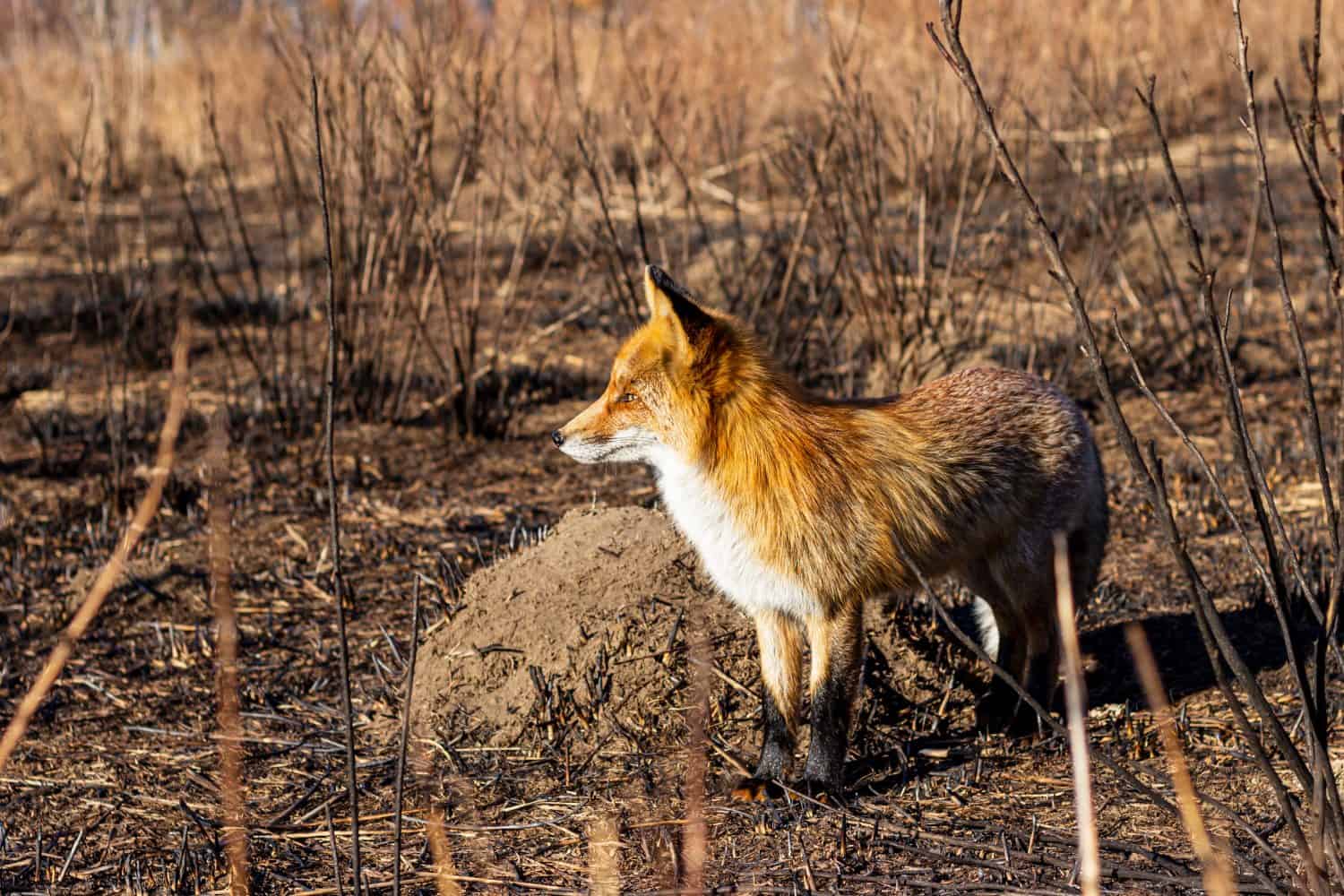
After wildfires, displaced animals will have to establish new territory.
©Urri/Shutterstock.com
After wildfires, wild animals may become more common in urban and suburban areas. As they search for easy sources of food, human-wildlife conflict may increase because their natural habitats can no longer sustain them.
Some of the most common wildlife to see in suburban and urban areas after a wildfire include:
- Coyotes
- Bobcats
- Mountain lions
- White-tailed deer
- Raccoons
- Black bears
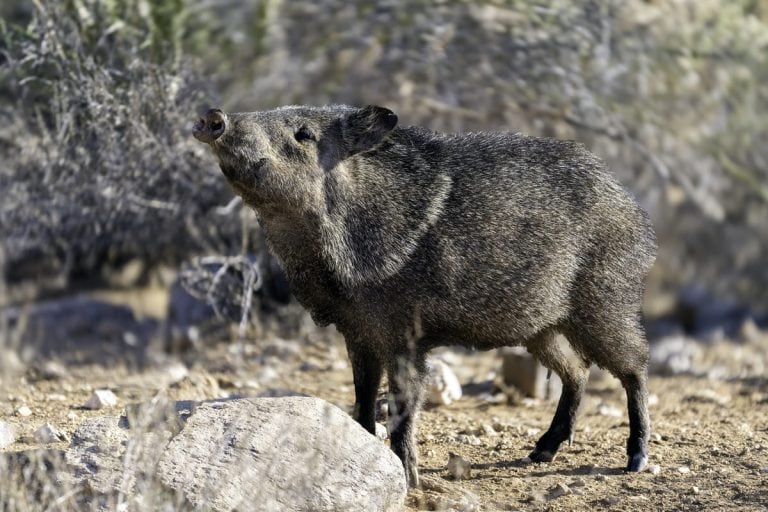
- Wild hogs
Conversely, some wildlife species actually benefit from the ecological changes wildfires create. Grasses and certain tree species have evolved to benefit from forest fires, allowing them to grow back quickly due to nutrient cycling. As a result, elk, deer, moose, and some bird populations may find it easier to adapt after wildfires than other species.
What Is Being Done to Save Wild Animals Impacted by the Wildfires
As wildfires burn, saving human lives and structures is the top priority. Unfortunately, despite being the most affected, there are no plans in place to save wildlife from the devastation. This means, according to Parks Canada, wildlife is on its own to reach safety and get away from the flames.
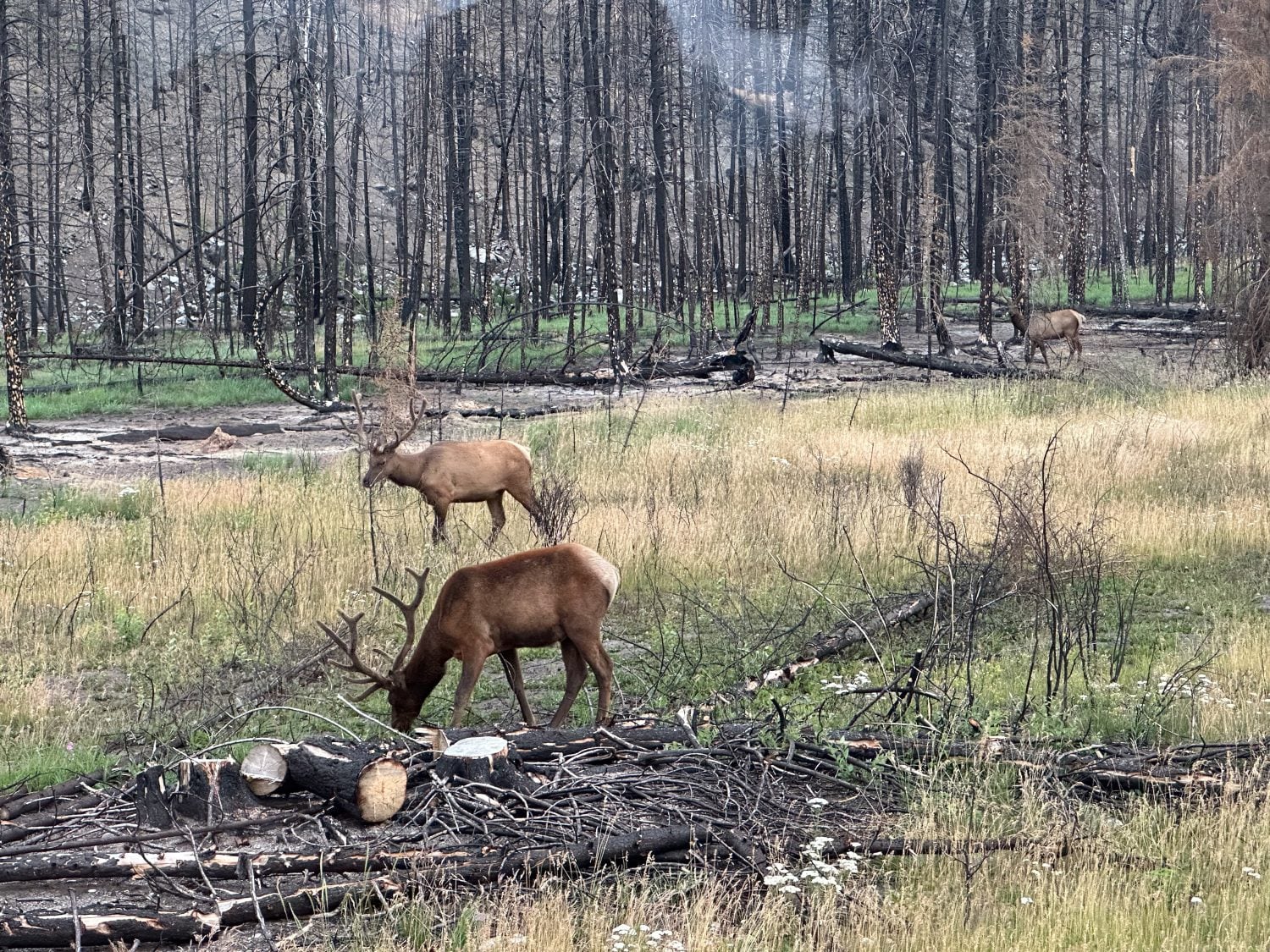
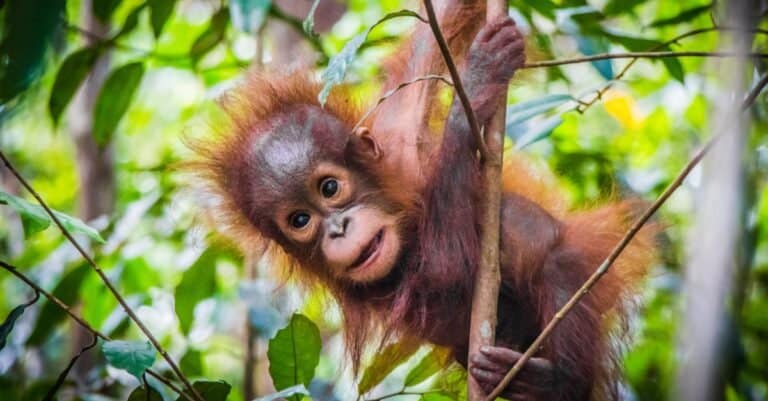
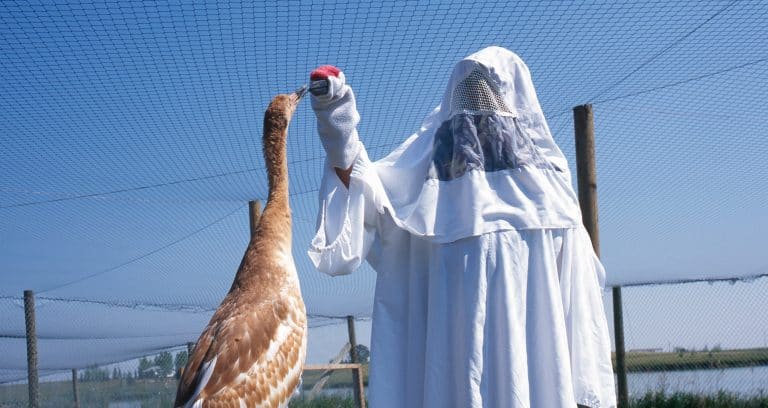
Animals injured or displaced from their parents are being housed in wildlife rescues across Canada.
©jhunter22/Shutterstock.com
A variety of species have been affected by the Canadian wildfires. Some can run or fly away at the first sign of fire, while others can burrow underground to escape. Many, however, are unable to do either and perish. The exact number of wild animal deaths resulting from the flames or smoke inhalation cannot be calculated. Therefore, how many will be lost this year will never be known.
Injured and displaced wildlife does have some resources available, thanks to wildlife rescues scattered throughout Canada. However, with these fires burning for months on end, rescues have limited resources. It is important to donate, volunteer, or do whatever you can to help ease the burden on these organizations so they can continue to help those who have no voice and are typically an afterthought in these massive wildfires, which are becoming the norm rather than the exception.