
Quick Take
- Caracals can locate prey they can't even see. Find out what makes their ears capable of something most predators can't pull off. Discover how they detect prey →
- Those iconic ear tufts look decorative, but scientists think they serve a purpose that has nothing to do with hearing. Explore the tuft theories →
- Most cats use their ears the same way, but caracals don't, and the difference changes everything about how they hunt. See how caracals differ →
- It takes far more biological machinery to move a caracal's ear than you'd ever expect for something so small. Count the ear muscles →
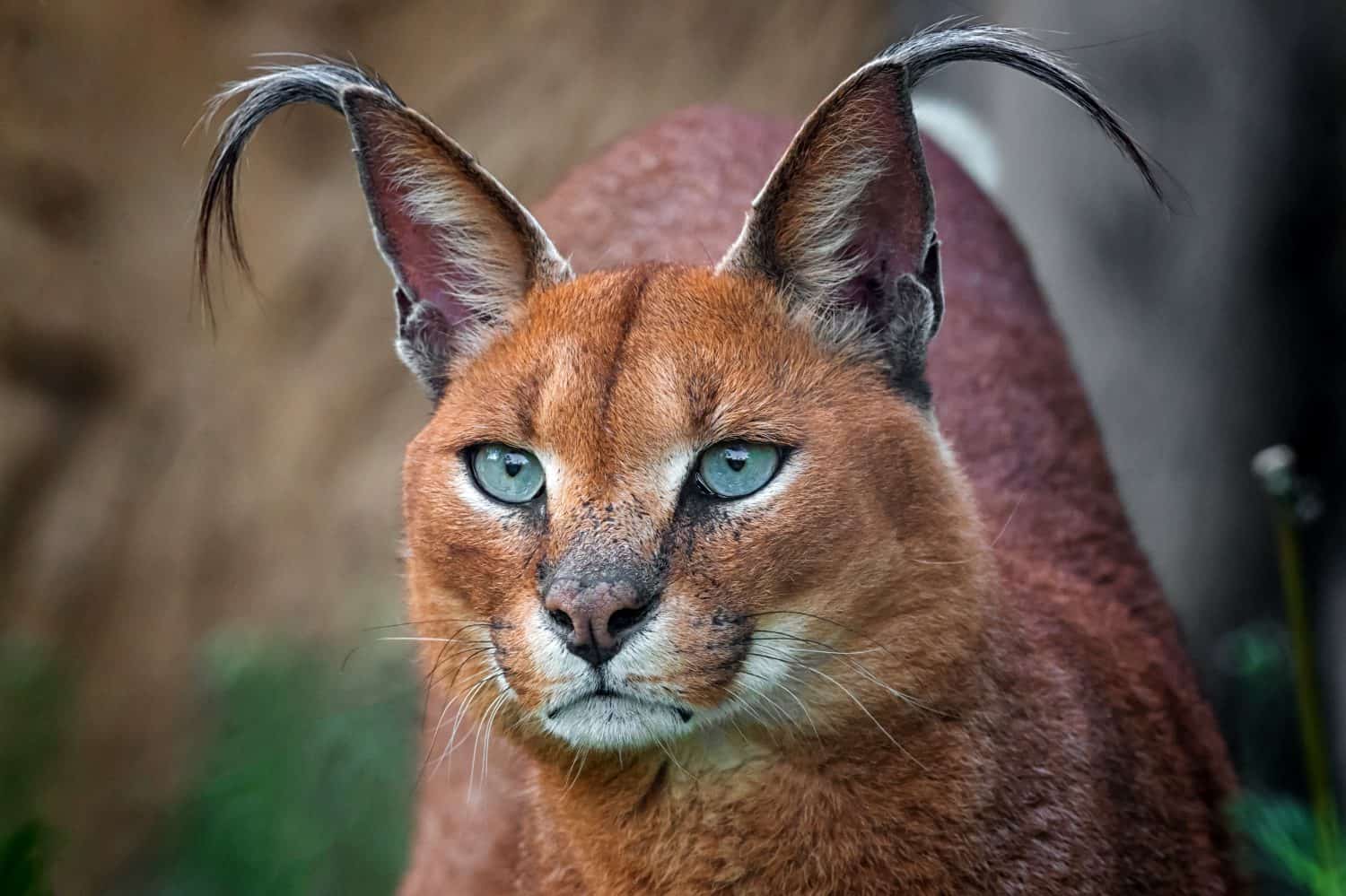
Caracals have some of the most fascinating ears in the animal kingdom. They are pointed, with small tufts of hair on top that give these wildcats a distinctive, endearing appearance. These ears aren’t just adorable; they are also amazing at detecting sounds. This Instagram reel by @explainingnature shows a video of a caracal’s ears and all the remarkable ways they move them to hear within their environment.

The exact purpose of the tufts on a caracal’s ears is unknown, but some scientists theorize that twitching them acts as a form of communication.
©AnastasiaPe4enya/Shutterstock.com
About Caracal Hearing
Caracals are intriguing and beautiful wildcat species. They inhabit most of Africa, and their population stretches into parts of the Middle East and Central Asia. They live in some notably harsh environments like deserts, savannas, and dry grasslands. Because they live in regions with high temperatures, caracals are most active at dawn and dusk. During this time, they hunt for rodents, birds, rabbits, reptiles, and even antelope.
Caracals grow to around three to four feet long and weigh about 20 to 40 pounds. They survive for around 10 to 12 years in the wild, with captive caracals in zoos often living a few years longer. Besides their unusual ears, they are known for their ability to leap over 10 feet into the air, which helps them catch birds. However, it’s their ears that prove the most significant for these wildcats.
Caracal Ears
Caracal ears are extremely complex and designed to pick up even the faintest of noises. They are controlled by about 20 different muscles, which allow them to swivel, tilt, rotate, and point in all different directions. Like most cats, they can move each ear individually, making them act as individual radars for noise. As human ears are unable to move, it’s almost impossible to imagine what it might be like to listen in multiple directions. Caracals use this superpower to the best of their advantage.
These wild cats can detect prey in the grass or even underground. The tufts on top of their ears may serve as a form of communication, improve hearing, or provide camouflage. Scientists believe caracals wiggle their eartufts to visually signal to other cats, but this has not yet been proven. Their ears are both adorable and practical, making these cats some of the best listeners in nature.