
Quick Take
- Barn owls' ears are deliberately mismatched, and removing that asymmetry would cripple their ability to hunt entirely. See why symmetry would be a problem →
- A barn owl's brain does something remarkable with incoming sound that no visual sense could replicate in darkness. Explore the 3D sound map →
- Two obscure auditory phenomena work together to tell a barn owl exactly where its prey is hiding, and they can do so even in total silence. Discover ITD and ILD in action →
- The feathers on a barn owl's face aren't decorative. They're doing a job most people never suspect. See what the feathers really do →
Nocturnal animals use a variety of senses as they hunt at night. For many, hearing has become the dominant sense. In the case of barn owls, their hearing has been enhanced thanks to the asymmetrical placement of their ear opening. This evolutionary trait translates nighttime sounds into neural maps in the brain, making barn owls among the most precise hunters of nocturnal predatory birds.
Barn Owls Have Asymmetrical Ear Placement
The majority of animals have symmetrical placement of ears or ear openings on their heads. However, barn owls have ear openings that are asymmetrical. This is not a biological mistake, but instead an advantage.
Barn owls are nocturnal hunters. Because of this, they have to rely on their hearing to locate prey in the dark. The location of their ear openings helps barn owls to hear even the smallest of sounds from 25 to 50 feet away. More importantly, it creates a 3D map in their brains as to where the prey is located.

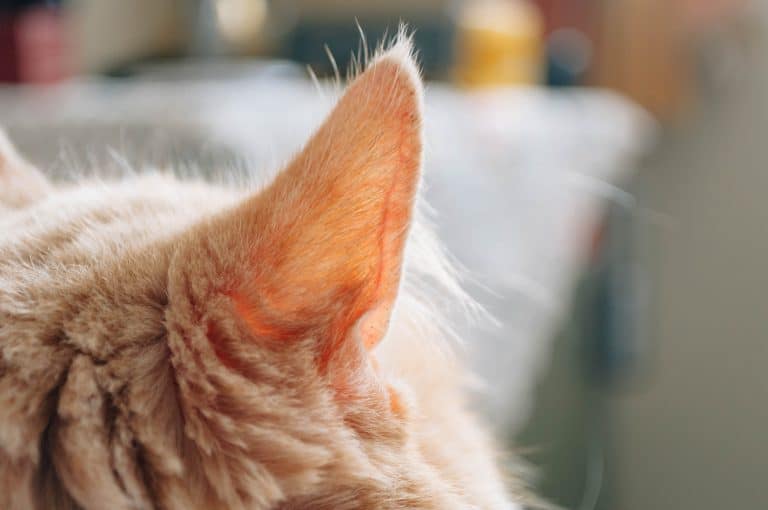
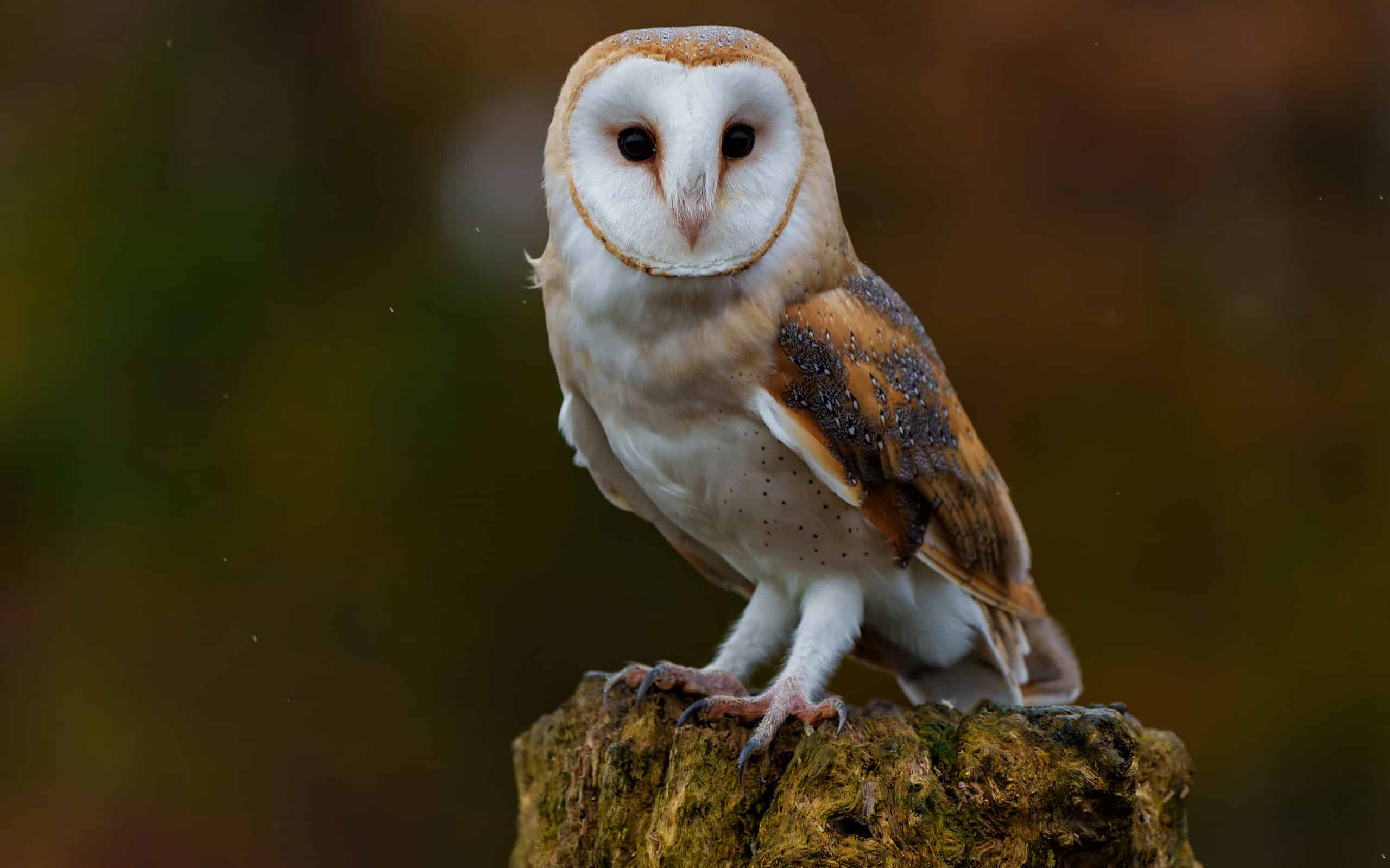
Barn owls’ left ear opening is slightly higher than their right on their heads.
©Kesu01/ via Getty Images – Original
For the majority of barn owls, the left ear opening tends to be higher than the right. Because of this, the ears translate sound waves differently through the tympanic membrane, or the eardrum. The sound waves then go through the middle ear and eventually to the midbrain. It is here that vertical and horizontal imaging of prey is achieved in barn owls by neurons that precisely map space.
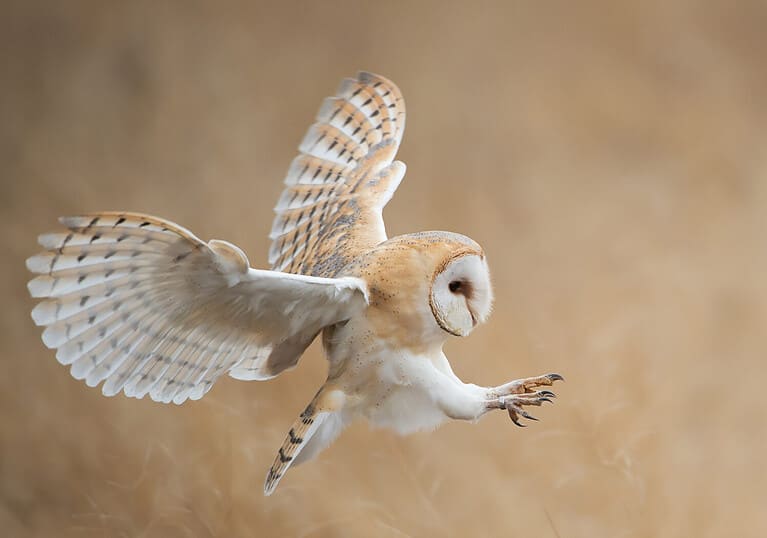
As the sounds are being processed, barn owls turn their heads toward the source of the noise. Once the brain communicates the direction of the prey, all the information collected is used for a silent, calculated strike. Because barn owls are essentially silent, they may hover above their prey to listen for movement, ensuring they have triangulated the animal’s position. Then, the prey is snatched up before even recognizing it was being stalked by the barn owl.
Why is Asymmetrical Ear Placement an Advantage for Barn Owls?
At night, the visual cues that daytime owls use to stalk their prey are unavailable. Highly sensitive vision, motion detection, and the ability to contrast between light and shadow do not play a role in nocturnal owl hunting. The cover of darkness means predators can easily sneak up on their prey, but they must use senses other than sight to do so.
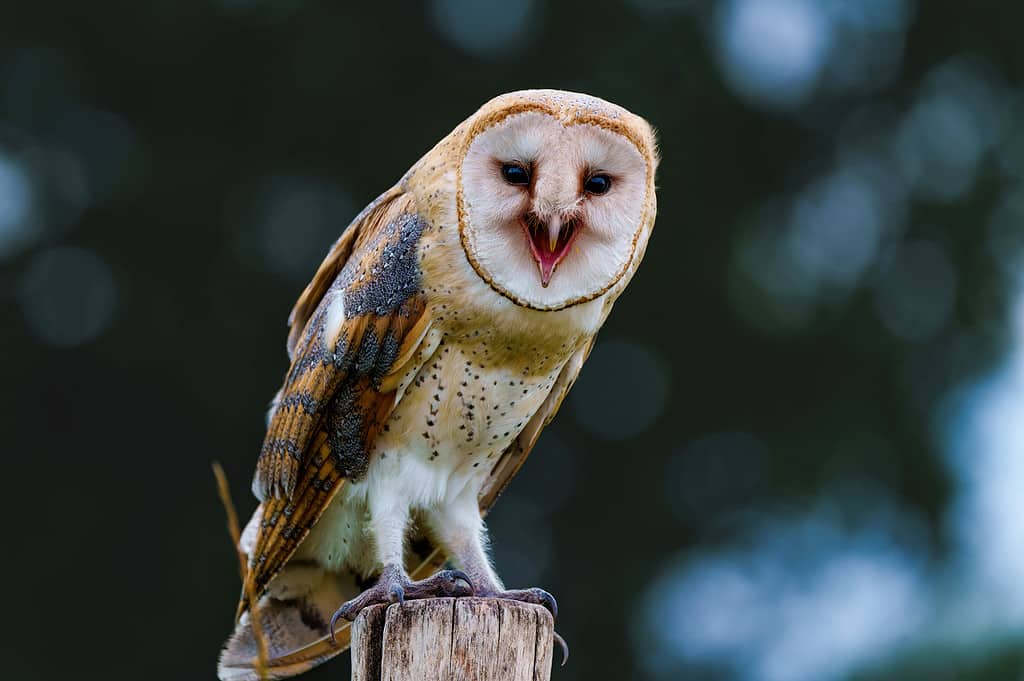
Barn owls would be significantly worse hunters if they could not create a 3D map in their brains of where prey was located in the dark, all thanks to asymmetrical ear placement.
©Henk Bogaard/ via Getty Images
The accuracy of barn owls’ hearing is due mainly to their asymmetrical ear placement. If barn owls’ ears were symmetrical, they would lose their sense of vertical hearing and their ability to create 3D images in their brain. With depth perception gone, the accuracy of barn owls’ hunting skills would be greatly diminished.
If they no longer had the capacity to visualize prey’s exact location, using the right ear to capture sounds from above and the left to capture sounds from below, they would not be dynamic hunters.
Information Transmitted to Barn Owls Via Asymmetrical Ear Placement
As the sound reaches the ears at different times, barn owls can use that information to create a map in their brains of where their prey is hiding. This information is derived from the Interaural Time Difference and the Interaural Level Difference.
Interaural Time Difference refers to the timing of when the sound waves hit each ear. The sound waves reach one ear slightly faster than the other.
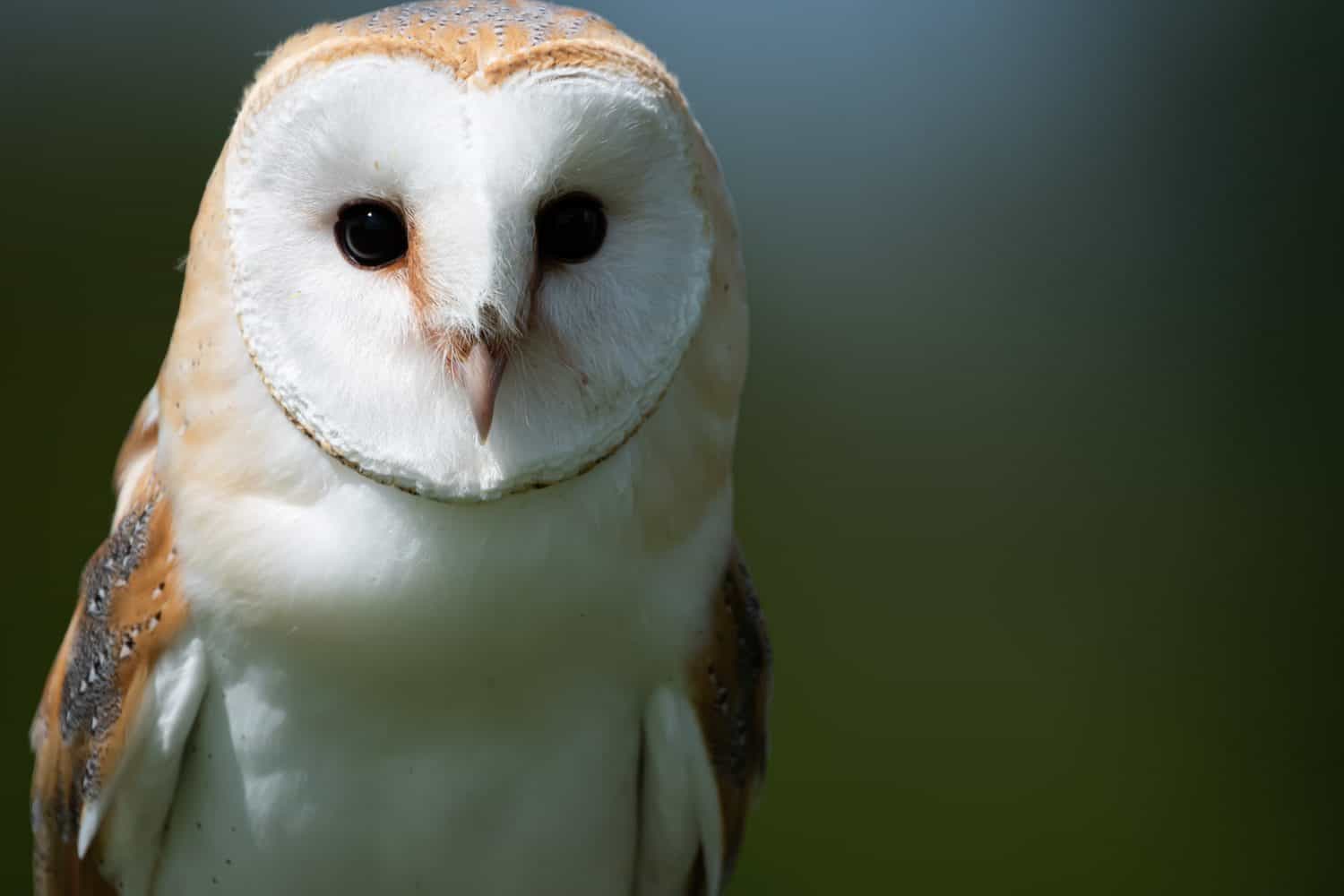
Barn owls use Interaural Level Difference and Interaural Time Difference to determine where prey is both vertically and horizontally in space.
©jo_s_kleine_ fotowelt/Shutterstock.com
Interaural Level Difference speaks to the volume of the received sound wave. The ears hear the sound wave at different volumes.
When the two are put together, a 3D map of sorts is created in the owl’s brain. The Interaural Time Difference helps clarify the horizontal positioning of prey, while the Interaural Level Difference points to the vertical positioning.
How the Facial Disk Works in Unison with Asymmetrical Ear Placement
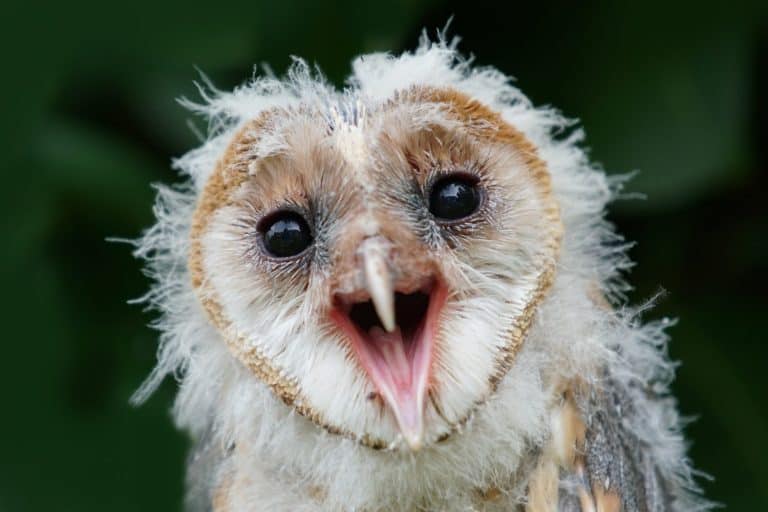
Their incredible hearing is further amplified by their facial disk, or the grouping of feathers that surrounds the beak and eyes.

The facial disk further helps pinpoint prey by funneling sound waves into each ear opening.
©Zaruba Ondrej/Shutterstock.com
The facial disk works in conjunction with the asymmetrical placement of ear openings to channel sound waves toward the ear openings. This helps provide more specific auditory information to the barn owl, helping them pinpoint their prey in complete darkness.
Interestingly, the facial disk structure varies among owl species. They may be larger, smaller, or heart shaped. They help owls to be highly effective hunters across a multitude of environments. Consequently, even the quietest of prey is not safe when nocturnal owls are on the prowl.