
Quick Take
- Baby gators communicate before they crack their shells, and this triggers an immediate, counter-intuitive behavioral shift in their mother. How chirping triggers mom →
- The alligator nest generates heat with zero body contact, and the real mechanism behind it is the same one you'd find in a backyard compost pile. See how the nest heats up →
- Every hatchling is born with a built-in escape tool that vanishes almost immediately. Without it, leaving the shell would be impossible. About the egg tooth →
- The temperature an egg incubates at doesn't just affect development speed. It decides something far more fundamental about the hatchling. Temperature and sex determination →
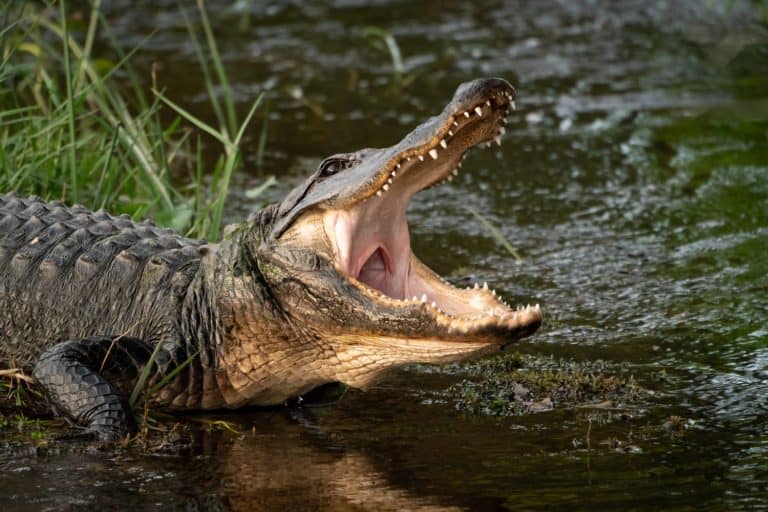
Alligators have a surprisingly interesting egg hatching process. Even before hatching, babies are already communicating with their mothers. When inside their eggs, they chirp and peep, indicating that they are getting ready to hatch. This Instagram reel by @gatoramafun shows a baby gator hatching and chirping to the other eggs around it.
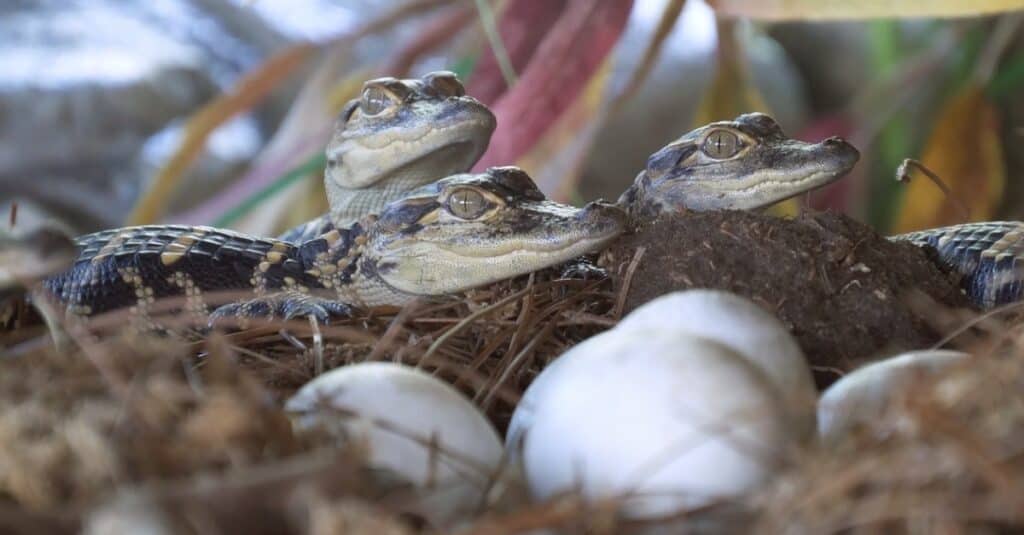
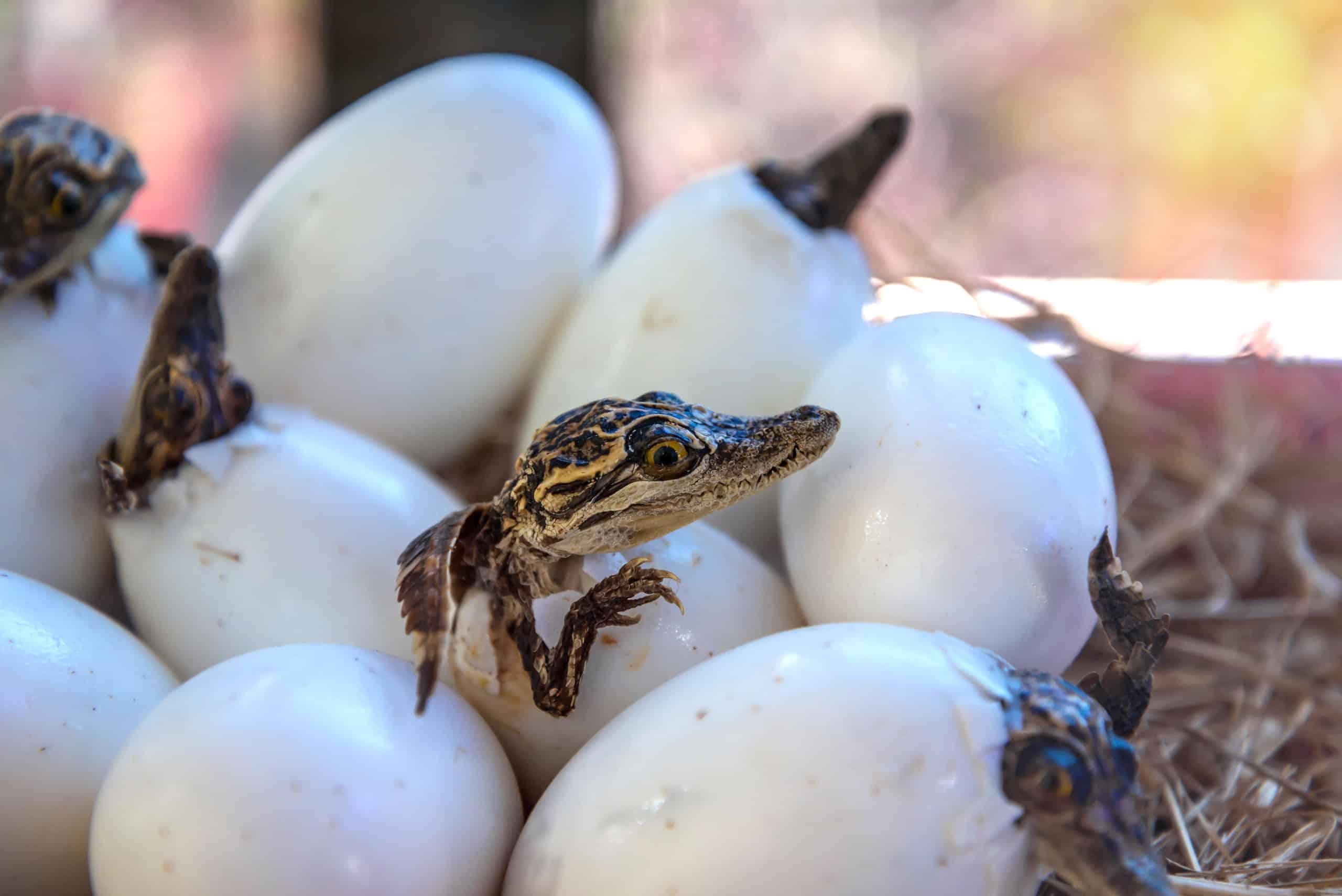
Alligator babies chirp while hatching as a way to hatch as a group together.
©DimaSid/Shutterstock.com
Why Alligator Hatchlings Chirp
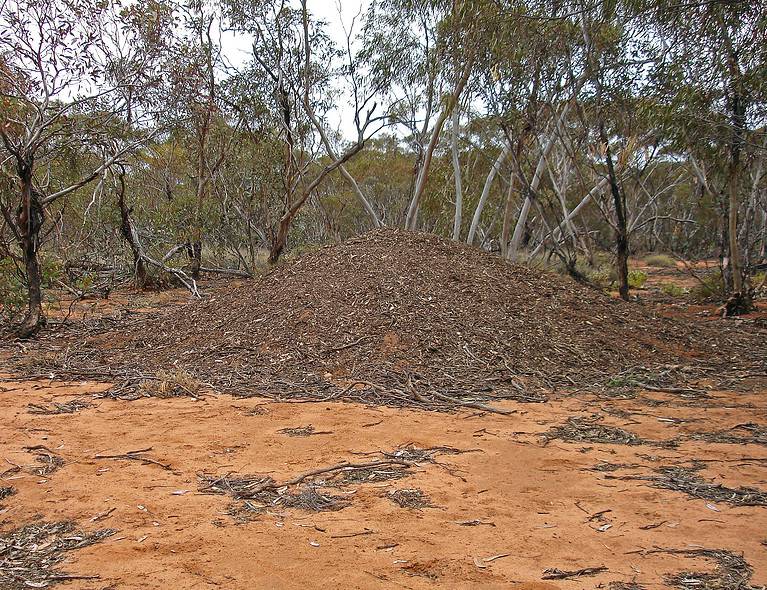
The Instagram reel above shows the amazing way that alligator babies chirp when hatching, but they must go through several steps before they are ready to hatch. Female alligators typically lay around 15 to 60 eggs in a single clutch. Instead of incubating the eggs the way birds do, females build their nests like giant compost piles. As the organic plant matter decomposes, heat is released from the bacteria and fungi, warming the eggs for proper development and allowing the mother to freely move around.
Over the span of around 65 days, the embryos develop. The temperature at which the eggs incubate actually influences the sex of the hatchlings. Temperatures around 86 degrees Fahrenheit produce mostly females, while temperatures around 91 degrees produce mostly males. On hatching day, the mother digs through the nest to allow the babies to emerge, but how does she know they are ready to hatch?
Hatching Day
To know when her babies are hatching, alligator mothers listen for a few key noises. As the baby alligators finish developing, they begin to make chirps or squeaks while inside their shells. This noise alerts the mother that they are ready to break free. The mother then removes all the compost from above the eggs, giving the babies space. The chirps also signal to other hatchlings that it’s time to emerge, synchronizing the hatching process. This is why it’s common for clutches to hatch at roughly the same time. The babies are able to crack out of their shells, thanks to a temporary structure on their bodies known as an egg tooth. This sharp bump on the tip of their snout is used to crack through the shell. The tooth falls off after they emerge into the world. After this, the mother sticks with her babies for around one to two years, protecting them from predators. Once old enough, the little ones venture out on their own to eventually raise their own hatchlings.