
When life feels overwhelming for our four-legged friends, scents that calm dogs can provide surprising relief. Anxiety may be triggered by loud noises, unfamiliar environments, illness, or simply being left alone. While treats and toys can help, more pet parents are turning to aromatherapy—using calming aromas to ease stress and promote relaxation. To understand why this works, it helps to first appreciate just how incredibly sensitive a dog’s nose really is.
Dogs’ Sense of Smell
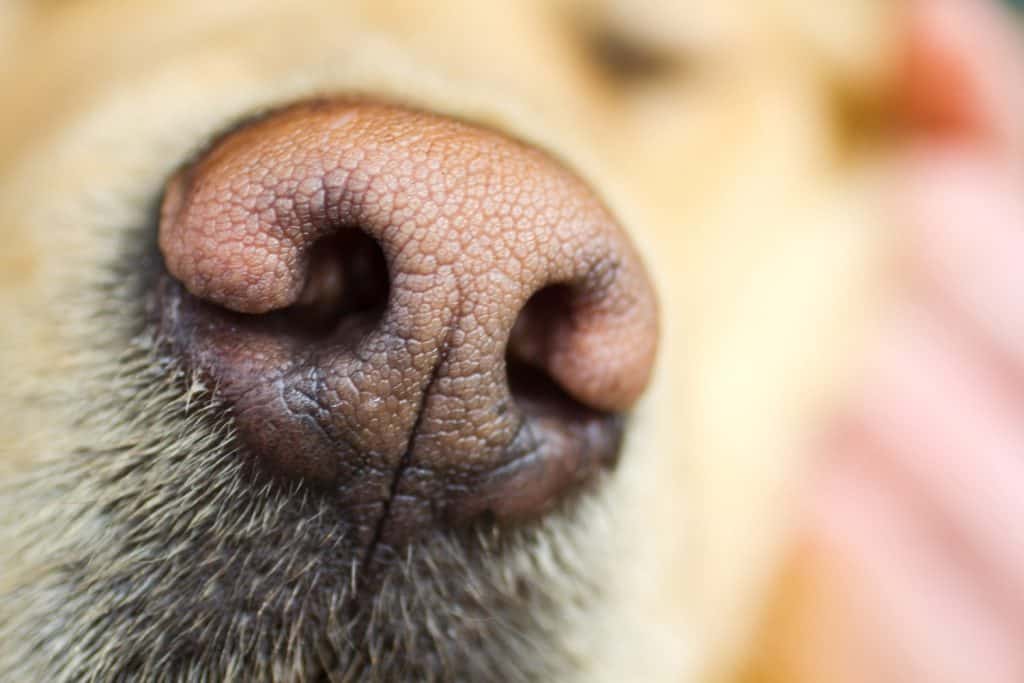
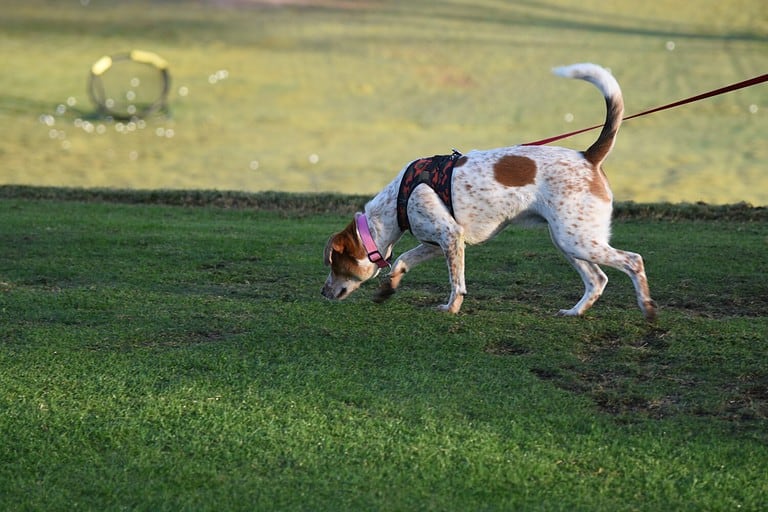
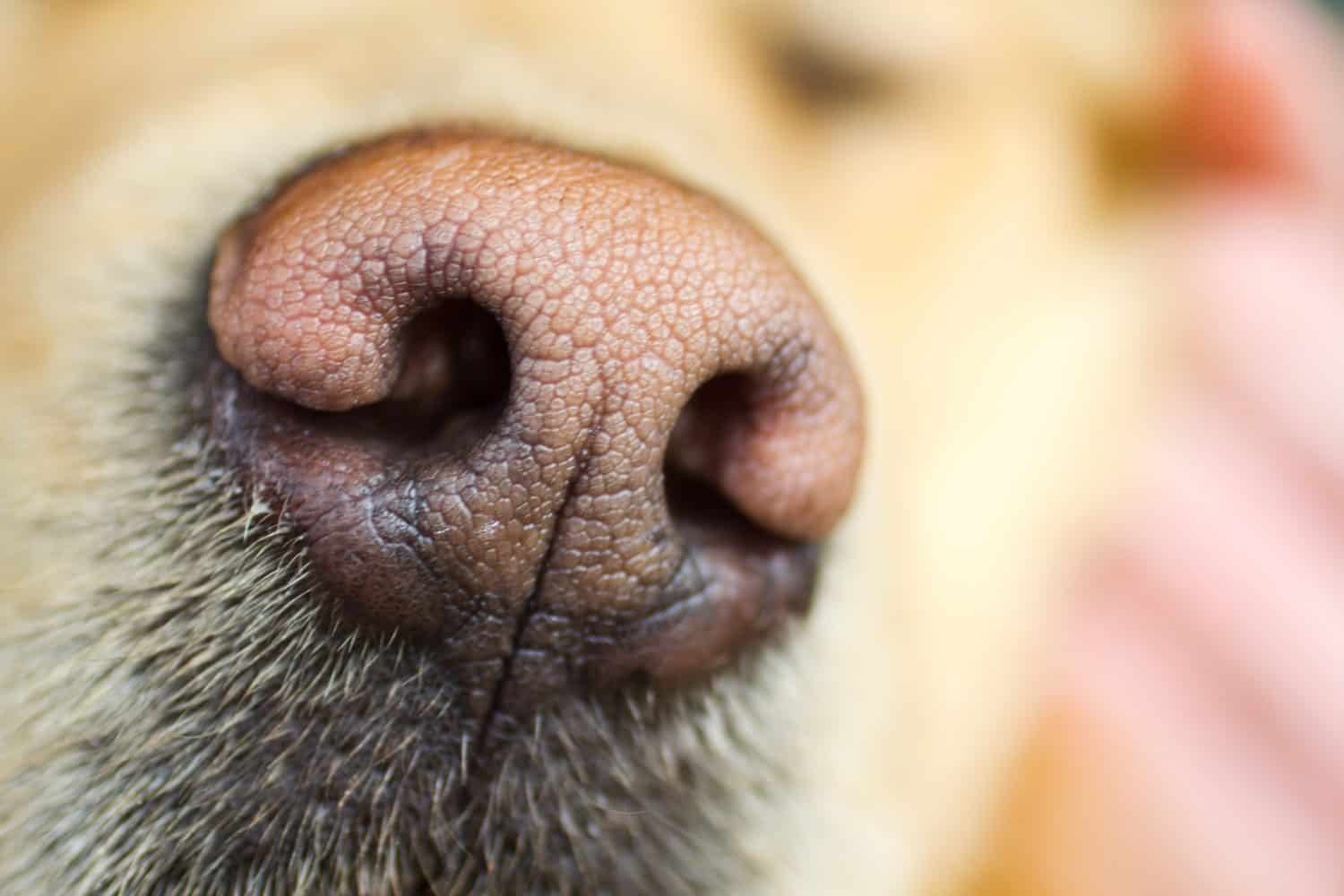
A third of a dog’s brainpower is used to process scents.
©Nicholas J Klein/Shutterstock.com
A dog’s nose isn’t just good—it’s extraordinary. Humans manage with about six million scent receptors, but dogs have up to 300 million, especially in breeds like Bloodhounds and Beagles. Their noses are so specialized that they can separate normal breathing from sniffing, giving them the ability to analyze odors in incredible detail. Some can even detect the equivalent of a single drop of liquid in an Olympic-sized swimming pool. A significantly larger portion of a dog’s brain is dedicated to processing scent compared to humans, with the olfactory bulb being about 40 times larger relative to brain size.
This super-sense guides everything from navigation and recognizing friends to detecting changes in human hormones that reveal illness, fear, or stress. Because scent is so central to a dog’s perception of the world, it’s no surprise that scents that calm dogs can be so effective. Pleasant aromas can tap into the emotional centers of the canine brain, easing anxiety and promoting relaxation in a way that feels natural and almost instinctive.
How Do Scents That Calm Dogs Work?

Some breeds can detect a scent several miles away.
©savitskaya iryna/Shutterstock.com
When dogs inhale calming aromas, the molecules travel through their nasal passages to the olfactory bulb, which connects directly to the limbic system—the brain’s emotional hub. This area regulates mood, memory, and behavior, and when pleasant scents are detected, it triggers neurotransmitters like serotonin and dopamine while lowering stress hormones. In other words, the right scent can flip a dog’s emotional switch from frantic to peaceful. Because canines process smell so powerfully, scents that calm dogs can take effect more quickly than treats, toys, or other comfort methods.
How to Use Aromatherapy with Dogs
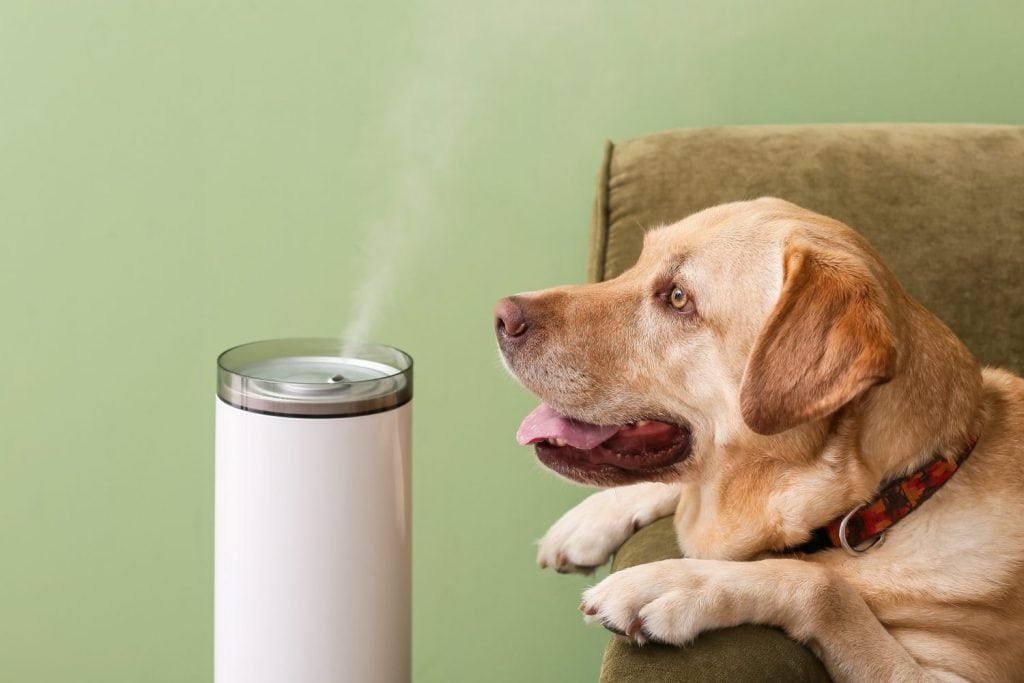
Scents should be diluted so they are not too overwhelming for dogs.
©Pixel-Shot/Shutterstock.com
Dogs have incredibly sensitive noses, so aromatherapy should always be gentle, diluted, and on their terms. The easiest and safest method is diffusion—run an ultrasonic diffuser in a well-ventilated room for 10–15 minutes, and always let your dog leave if they want. For something lighter, you can try passive diffusion by placing a few drops on a cotton ball nearby. Oils that are considered safe for dogs can also be diluted in a carrier oil (about one drop per 1–4 teaspoons) and rubbed sparingly on spots they can’t lick, like the back of the neck. A light spray for bedding or a diluted drop on a cloth during cuddle time works too.
Of course, not every oil is dog-friendly. Stay away from tea tree, eucalyptus, citrus, pine, wintergreen, clove, and pennyroyal. Instead, focus on scents that calm dogs, which can make a big difference during stressful times like thunderstorms, fireworks, travel, vet visits, or even when they’re left home alone. Shelter pups, seniors with memory decline, and social breeds that hate being by themselves may also benefit. The golden rule? Keep things light, use products made for pets, and don’t force them to stick around a scent they don’t like. If your dog has allergies or breathing issues, check with your vet first. Even natural aromas can backfire if overdone, so it’s all about balance and paying attention to how your dog responds.
1. Lavender

This is one lavender-lovin’ pup.
©ZaitsevMaksym/Shutterstock.com
If there’s one aroma most famous for soothing skittish pups, it’s lavender. Research shows its gentle floral fragrance can slow heart rate and reduce nervous activity in dogs. Many owners diffuse lavender or spray it on bedding during fireworks or storms. Shelter studies have even shown less barking and pacing when lavender was in the air, suggesting it helps stressed dogs feel calmer. Some trainers also use lavender during desensitization exercises, pairing the scent with positive reinforcement so dogs begin to associate it with safety. Always introduce it gradually, though, since a dog’s nose is sensitive and too much can be overwhelming.
2. Chamomile
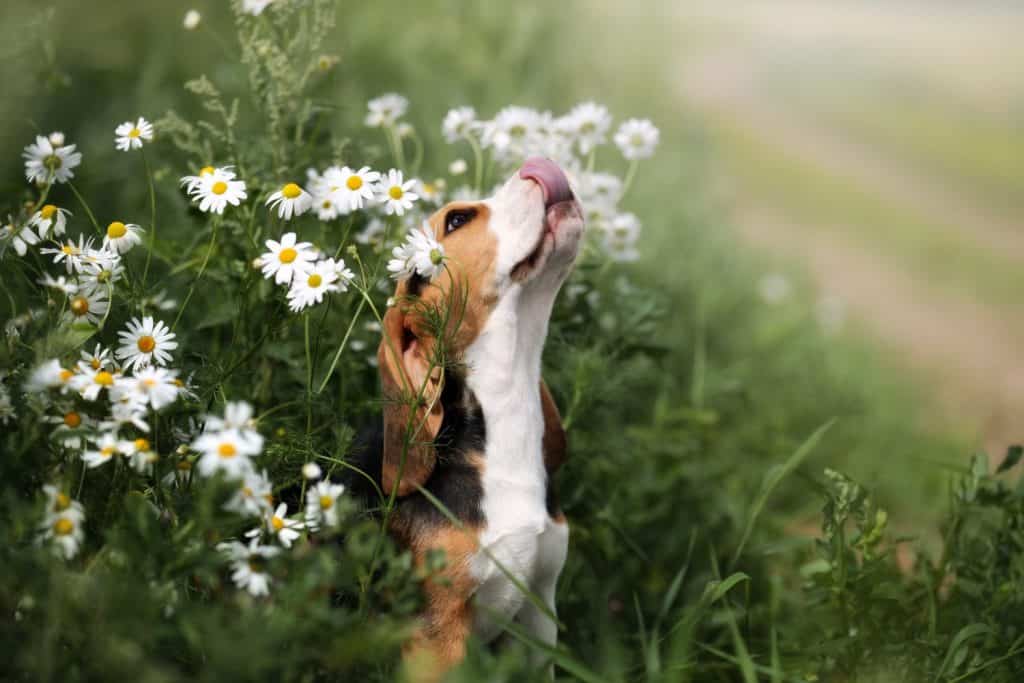
A beagle sniffin’ the daisies.
©Ivanova N/Shutterstock.com
Chamomile isn’t just for bedtime tea lovers. Its light, apple-like scent has mild sedative effects that help dogs relax during travel, vet visits, or separation. Nervous pups exposed to chamomile often rest more easily and show fewer signs of stress. Pet-safe sprays or bedding with chamomile can encourage deeper, more restful sleep. Some owners even brew a weak chamomile tea and let it cool before lightly misting their dog’s blanket, creating a gentle calming effect without overwhelming their senses. Chamomile is also known to support digestion, so the scent may provide both emotional and physical comfort when dogs are unsettled.
3. Valerian
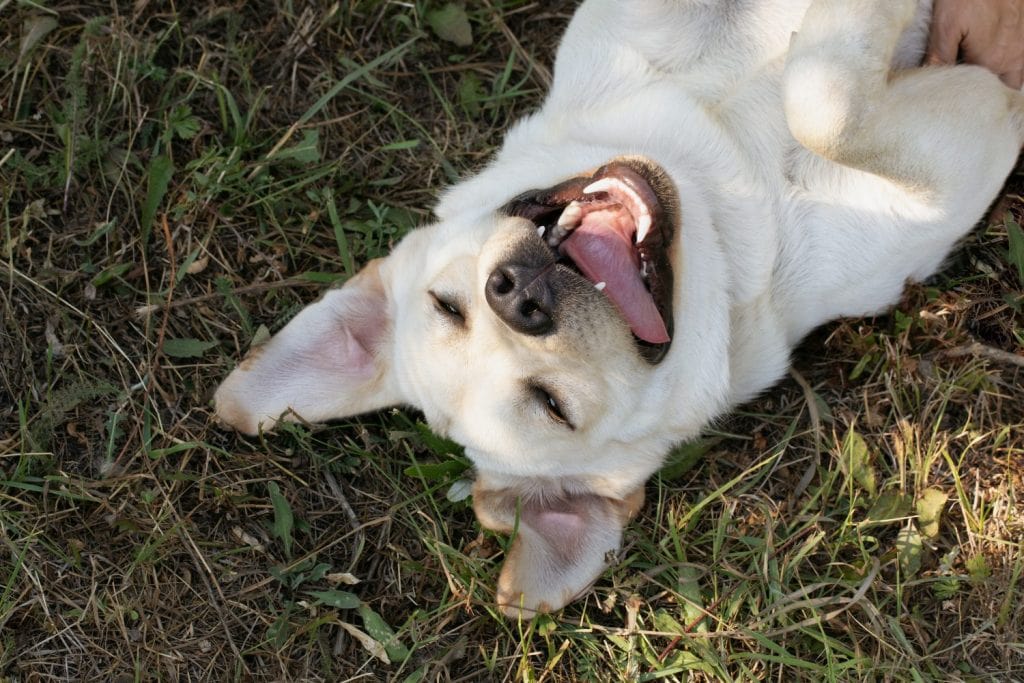
Chill out your tense dog with valerian root.
©Olya Maximenko/Shutterstock.com
Valerian root has long been known for its calming qualities, and dogs can benefit too. Its earthy smell interacts with neurotransmitters like GABA, reducing hyperactivity and tension. Research suggests valerian supports deeper rest, making it a good choice for pups that struggle to settle during storms, grooming, or car rides. Some owners use valerian alongside other relaxation strategies, such as soft music or a weighted blanket, to create a layered calming effect. Because valerian can be potent, it’s best to start with brief, lightly diffused sessions and watch your dog’s response, ensuring the scent soothes rather than overwhelms.
4. Ginger

Aromatherapy doesn’t make your dog quite as happy as stealing a ginger cookie. But almost.
©Viktoriia Shylling/Shutterstock.com
Ginger’s warm, spicy scent is best known for easing nausea, but it also steadies anxious dogs. It doesn’t sedate; instead, it distracts and grounds, helping reduce barking and restlessness. That makes it especially helpful for car travel or new social settings. Some calming collars and sprays even include ginger for this reason, offering both physical and emotional relief. A light ginger aroma can also boost focus, which may help high-energy dogs redirect their nerves into calmer behaviors. Because ginger is safe in small amounts as food, some owners pair the scent with a tiny taste, reinforcing its soothing effect.
5. Coconut

Dog grooming products are often coconut-scented.
©Anna Pasichnyk/Shutterstock.com
Coconut’s subtle, familiar aroma can make dogs feel safe in new environments. Shelters sometimes use it to help nervous animals adjust. Because many dogs already associate coconut with grooming or food, the smell often triggers comfort and calm. It’s especially useful during life transitions like moving to a new home. Some owners also notice that coconut’s scent pairs well with bedtime routines, creating a sense of stability that helps anxious pups settle down. Since coconut oil and unsweetened coconut are safe in small amounts as food, the scent can be reinforced with a treat, deepening the association with comfort.
Can Dogs Eat Any Of These?

After a stressful, people-filled day, your dog might enjoy a little chamomile tea to relax.
©Aleksey Boyko/Shutterstock.com
Most scents are meant to be enjoyed through smell, not taste. Dogs have different metabolisms from humans. Many essential oils or plants that smell relaxing to humans can make dogs sick. Lavender contains compounds that can be mildly toxic to dogs if ingested in significant amounts, so it should not be given as food. It works best as an aroma only, sprayed in the air or on bedding.
Valerian root may be used in small, controlled amounts as a calming supplement under veterinary supervision. Unsweetened coconut or a bit of fresh ginger can be a healthy treat. Mild chamomile tea may ease an upset stomach or help a nervous pup unwind. But any edible version should be introduced carefully and with your vet’s guidance. What soothes one dog may not agree with another.
Creating a Calm, Happy Household

A calm household helps you and your dog bond and have a happier life together.
©Stock Holm/Shutterstock.com
Dogs experience the world through scent, which makes calming aromas a natural way to ease anxiety. Aromatherapy works best when paired with supportive practices—daily walks, cozy rest areas, predictable routines, and plenty of affection. Music, puzzle toys, or professional guidance can add more support for dogs with chronic anxiety. When used thoughtfully, scents that calm dogs can transform tense moments into peaceful ones, creating a household where both you and your pup feel safe, relaxed, and at home.