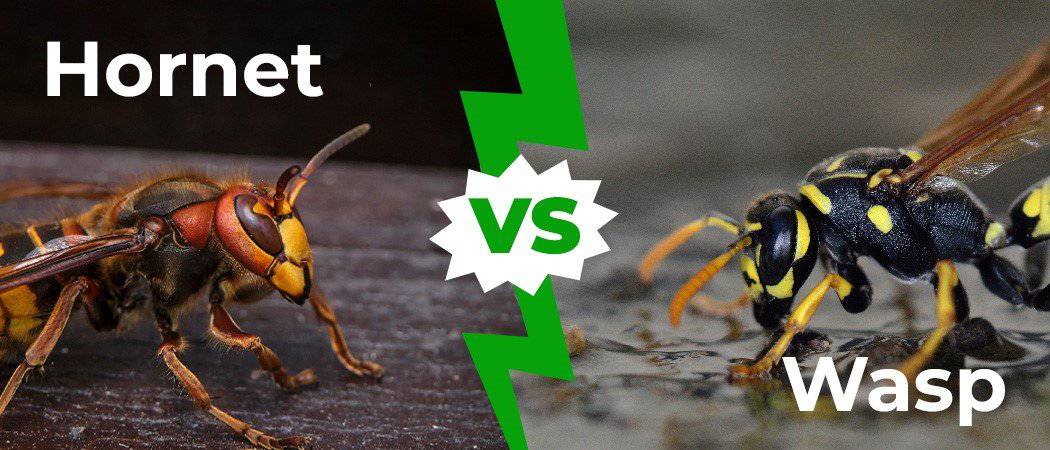

Step outside on a sunny day and you’re bound to catch a glimpse of something buzzing past—maybe a wasp, maybe a hornet. Both have a reputation for instilling fear, thanks to their infamous stingers and bold behavior. But are they really just two names for the same insect? Not at all. Wasps and hornets differ in important ways, from their size and appearance to their stinger’s strength, their nesting habits, and even the way they interact with each other and the world. If you’ve ever wondered what makes a hornet a hornet and a wasp a wasp, read on.
Family Ties: What’s in a Name?
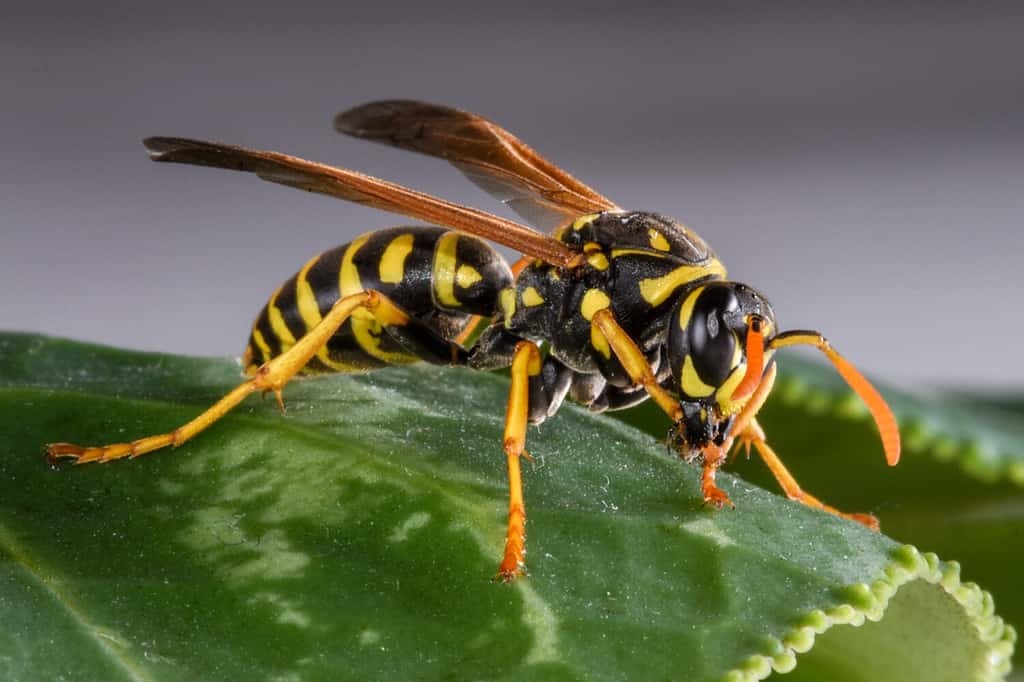
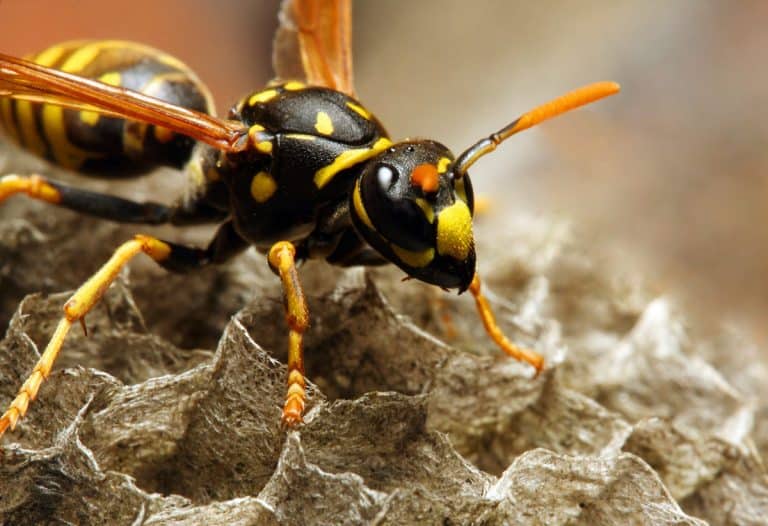
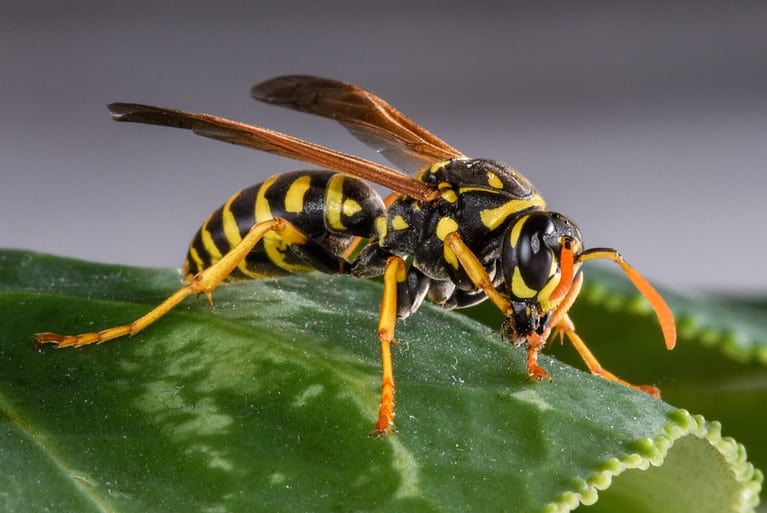
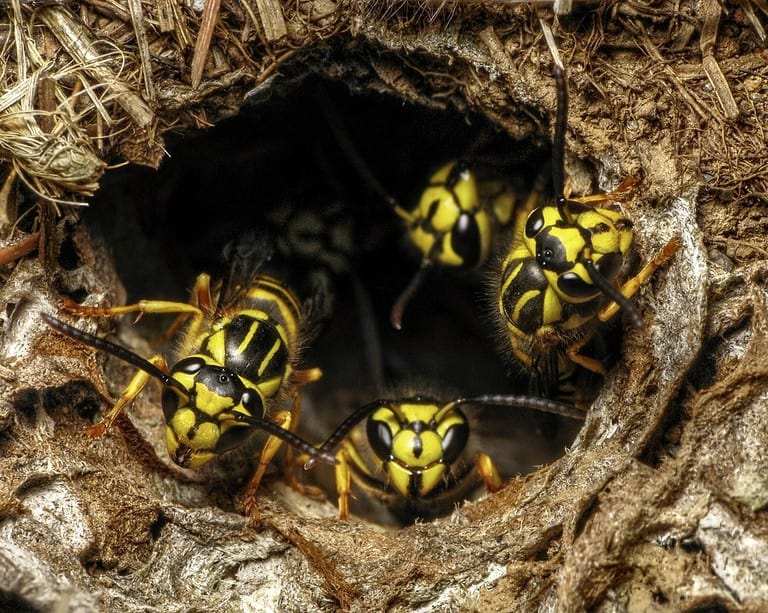
Yellowjackets are a type of wasp, as are hornets.
©Randy Runtsch/Shutterstock.com
All hornets are wasps, but not all wasps are hornets. Confused yet? Okay, let’s start again: wasps are a big group that includes thousands of different kinds of flying, stinging insects. For example, yellowjackets are a kind of wasp. Hornets are also in the wasp family, in the genus Vespa. They are classified as social wasps because of their behavior.
Now, when a black and yellow thing is buzzing around a panicked person, they don’t always care about the distinctions. And in common speech, a lot of people just refer to them all as “bees.” But even though bees are closely related to wasps, they are not part of the same classification of insect. Of the two, wasps are often considered more versatile than bees, with a wider range of nesting styles, diets, and lifestyles.
Wasp vs. Hornet: Physical Differences
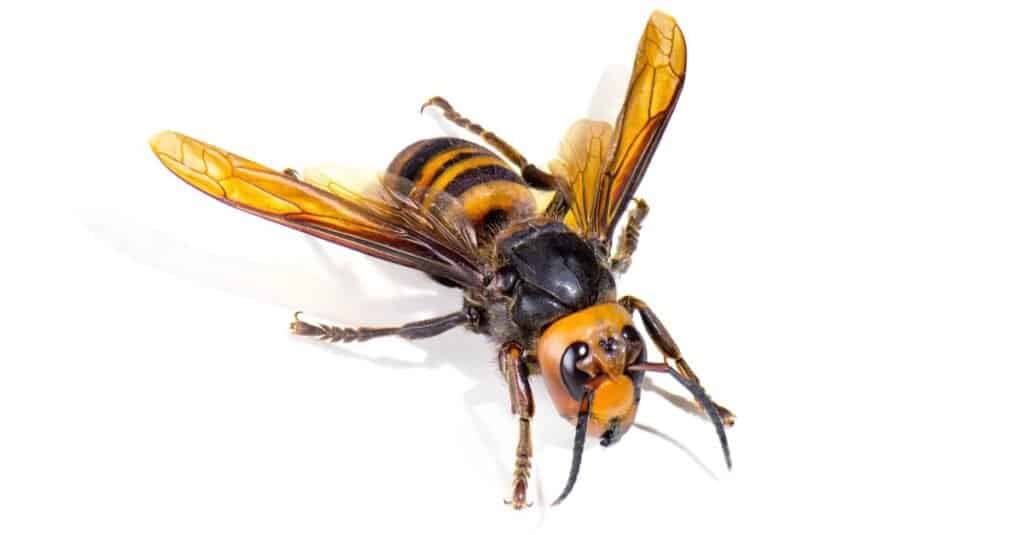
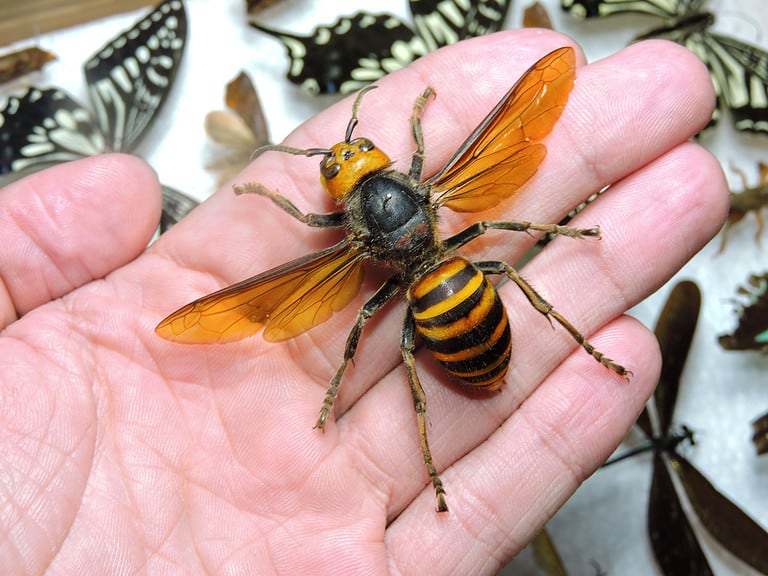
The Asian Giant Hornet, at 2 inches long, is the world’s biggest hornet.
©iStock.com/kojihirano
Hornets are famous for being the largest of the social wasps. The Asian giant hornet (Vespa mandarinia), also known as the northern giant hornet, can reach up to about 2 inches (5 cm) in length, making it the largest hornet species. Their bodies are large and appear heavy. Their colors are often muted shades of brown, orange, or yellow, with less prominent stripes than those of some wasps.
In comparison, wasps are usually smaller, typically ranging from about ⅓ inch to 1 inch long. Their bodies are long and thin compared to hornets, with extremely narrow waists. Wasps tend to have brighter colors and flashy patterns—not only black and yellow, but shades of orange and metallic red as well. The wasps most commonly encountered in North American suburbs are paper wasps and yellowjackets.
Social vs. Solitary Behavior
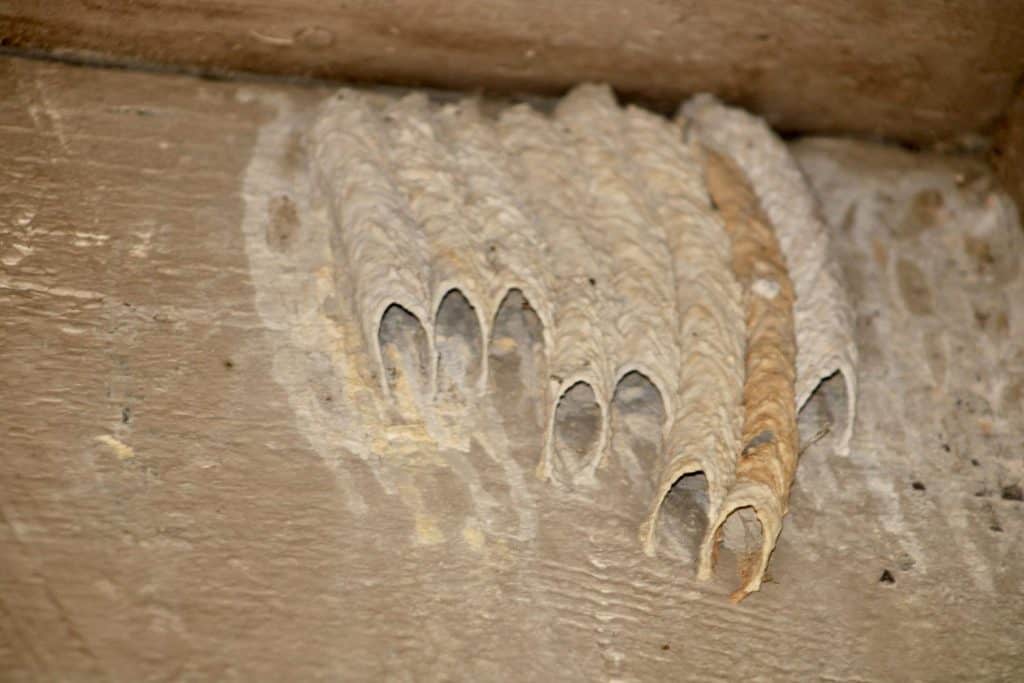
Mud daubers build pipe-like nests out of soil, often in a sheltered area on the side of a building or in the supporting beams of a deck.
©Jaclyn Vernace/Shutterstock.com
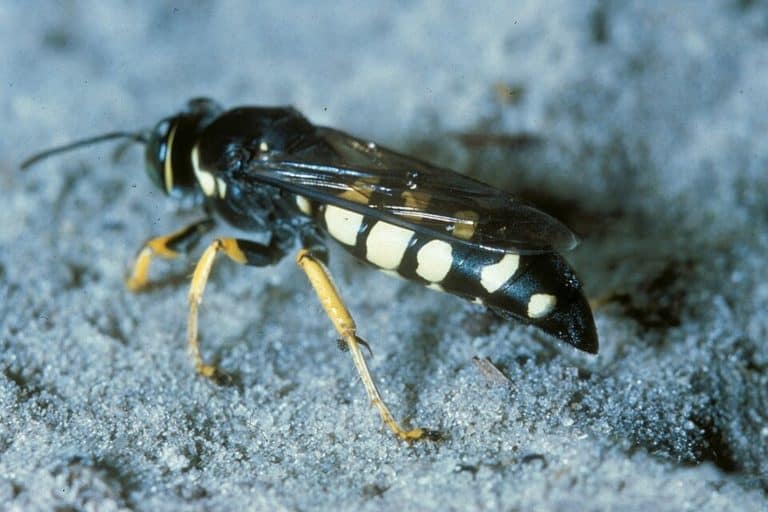
Social wasps and hornets build colonies just like bees do, with queens, workers, and drones handling specialized jobs. Hornet colonies can contain hundreds of individuals working together to build, maintain, and defend their communal nest. Some wasp species, such as mud daubers and digger wasps, are solitary. These independent insects construct their nests alone, gather food for their own young, and generally ignore others of their kind. Solitary wasps play a huge role in controlling pest populations, but rarely bother humans.
Nesting Habits: Where Do They Live?
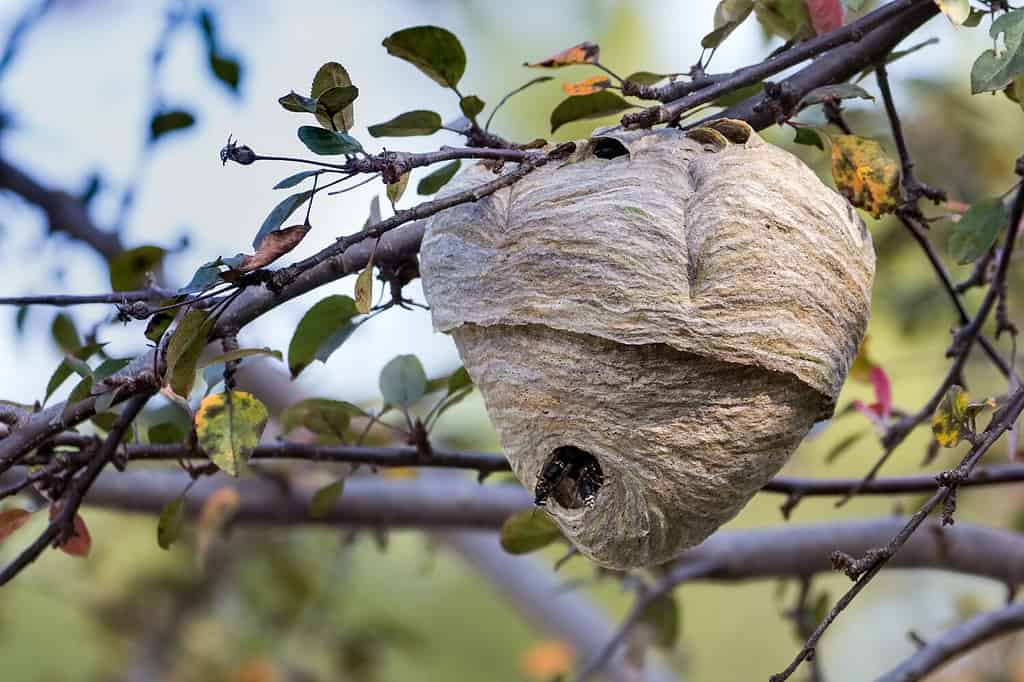
Some wasps create paper-like material to use to build very large nests.
©Manu M Nair/Shutterstock.com
Both hornets and wasps are skilled nest-builders. Both use chewed wood fibers mixed with saliva—a kind of natural papier-mâché—to construct their homes. These nests expand over the season, starting from a queen’s single cell in spring and ballooning into sprawling colonies by late summer. As winter arrives, most of the colony dies, leaving only new queens to hibernate and restart the cycle the next year.
Hornet nests are usually large and roughly round. Hornets prefer to nest high up in trees, shrubs, under eaves, or in attics. The nest’s protective, enclosed design helps shield the colony from predators and the elements. Some hornets, like the Asian giant hornet, even excavate underground burrows for their nests. The most common wasps often nest underground or in wall cavities, attics, and sheltered spots near buildings. Paper wasps make umbrella-shaped nests under roof ledges, in mailboxes, or attached to branches, often exposed. Yellowjackets sometimes nest underground, which can make them a significant hazard for suburbanites mowing their lawns.
Comparing Wasp vs. Hornet Stings
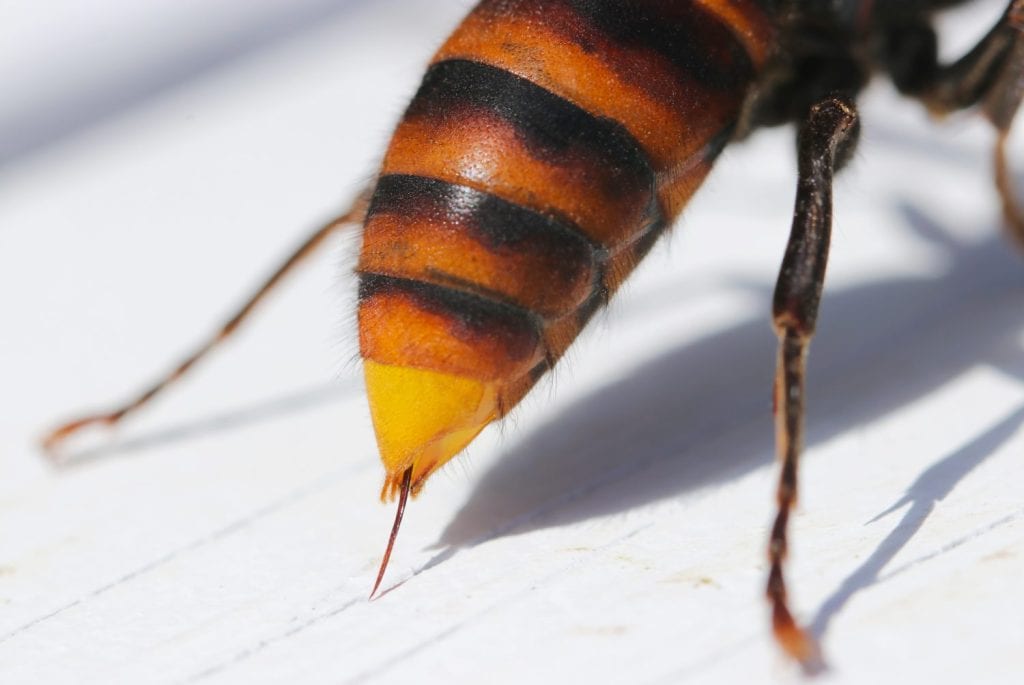
Unlike honeybees, wasps do not die after stinging. They can continue stinging the same target repeatedly.
©SAI A.D.A/Shutterstock.com
If you ask anyone what they fear most about these insects, it’s the sting. Here’s how they compare:
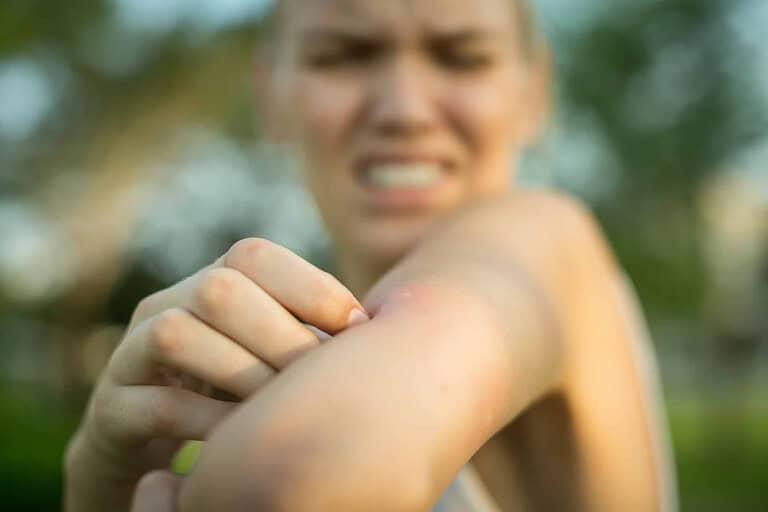
Hornets: Their sting is typically more painful than that of most wasps. Their larger size means a longer stinger, and the venom carries more acetylcholine, a chemical that intensifies pain. Hornets can sting repeatedly, and their venom is more potent, potentially leading to severe reactions in those who are allergic or get multiple stings.
Wasps: Stings vary by species. Yellowjackets have a nasty habit of biting to hold on, as if riding a bucking horse, then stinging repeatedly in that area. Although an individual sting from a yellowjacket is not as painful as a hornet’s, this method of attack can feel worse due to the number of localized stings. Paper wasps are less aggressive unless their nest is threatened, but their sting still delivers localized pain, swelling, and itching. Like hornets, wasps have barbless stingers and can sting multiple times.
Both hornets and wasps can cause serious and even life-threatening allergic responses (anaphylaxis) in rare cases, so medical attention is always recommended for anyone with allergy symptoms. Don’t take chances—if you feel faint, have trouble breathing, or develop serious swelling after a sting, get help immediately.
Aggression: Who’s More Dangerous?
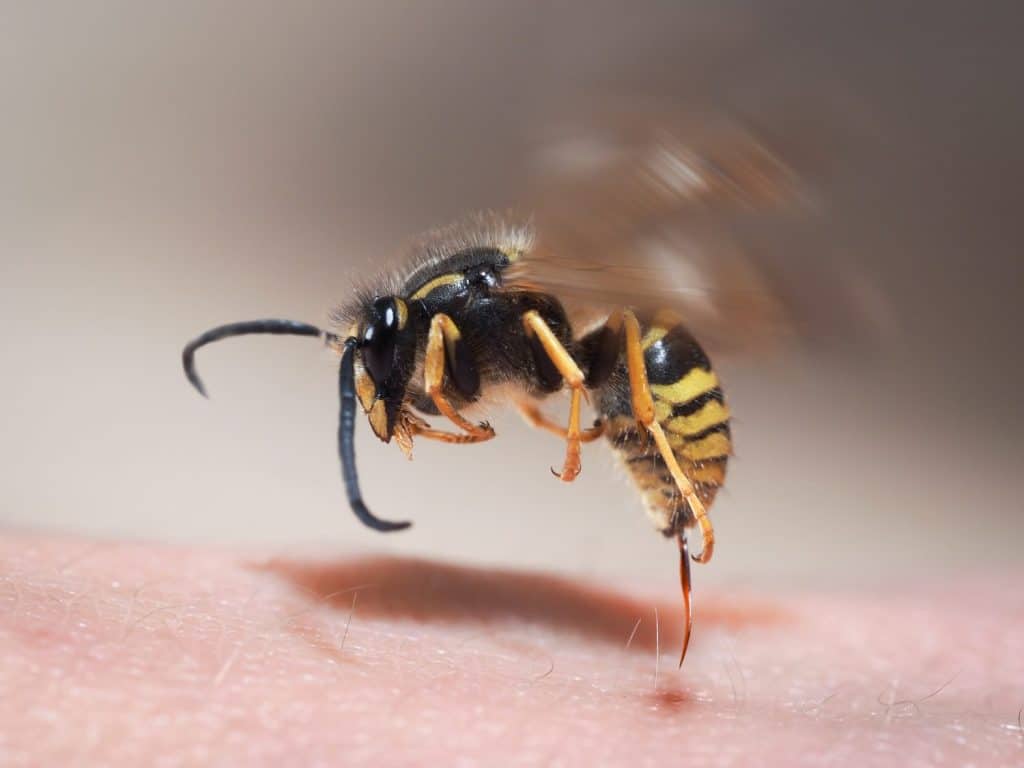
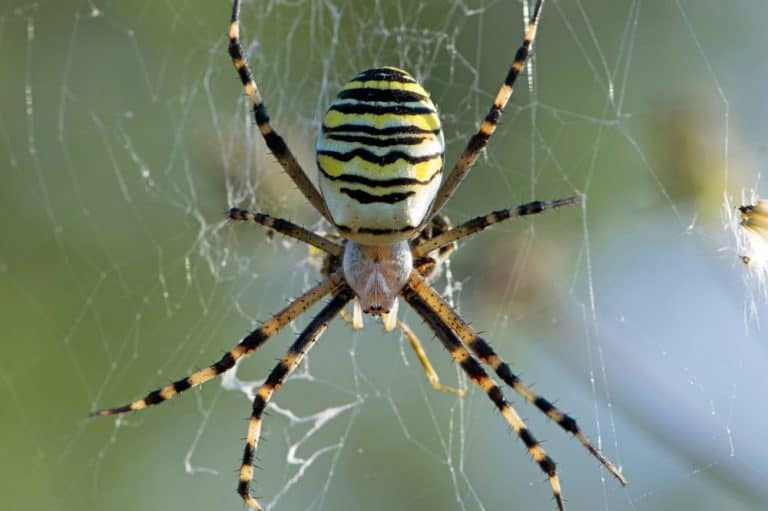
Some wasps are more territorial and aggressive than others.
©Irina Kozorog/Shutterstock.com
Hornets typically have a bad reputation for aggression, but they’re actually less likely to attack unprovoked than some wasps. However, if their nest is threatened, hornets become fiercely defensive. When one hornet is killed or senses danger, it can release alarm pheromones that rally the entire colony to defend their home.
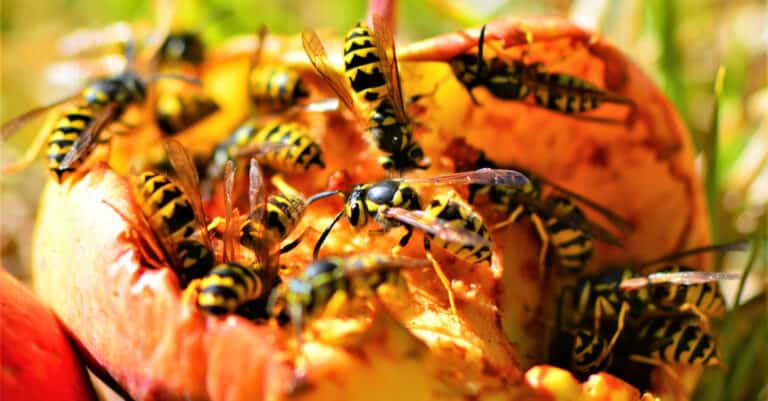
Wasps such as yellowjackets are more likely to sting with little provocation, especially during late summer and fall when food sources dwindle and colonies become more territorial. Solitary wasps, on the other hand, rarely attack and are vital natural pest controllers. So, who’s more dangerous? It depends. A hornet colony, when provoked, can deliver more painful, coordinated stings. However, yellowjackets may be the more unpredictable neighbor, often buzzing aggressively around food and picnic tables with little warning.
Food: What Do They Eat?
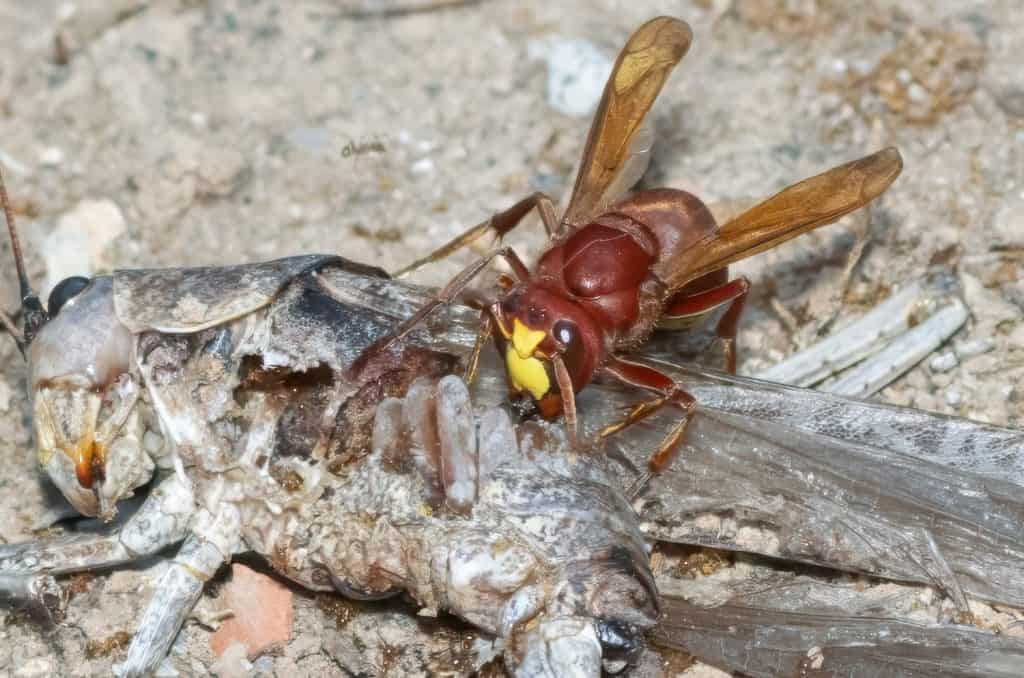
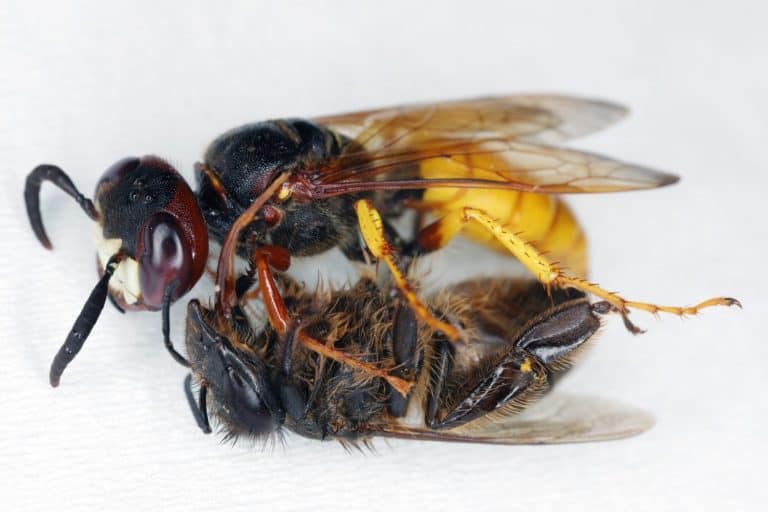
This is an oriental hornet feeding on a dead grasshopper.
©Bill Anastasiou/Shutterstock.com
Both hornets and wasps help keep insect populations in check. Hornets often prey on other insects (including bees and grasshoppers) to feed their young, but they’ll also enjoy sugary substances like nectar, fruit, and tree sap.
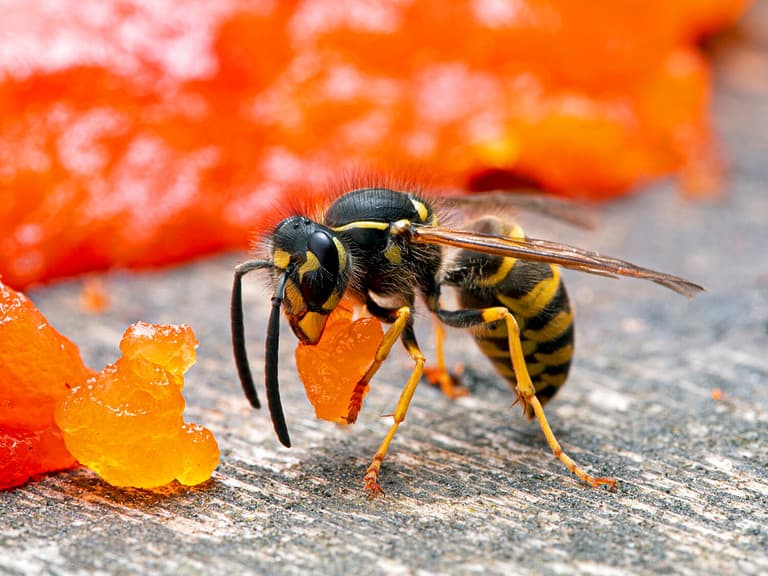
Wasps are diverse eaters—some are predators, others clean up rotting fruit or pollinate flowers. Yellowjackets scavenge meats and sweets at picnics, while paper wasps hunt caterpillars and other prey for their offspring. Solitary wasps specialize as parasite controllers, preying on spiders, beetles, and other pests. This dietary flexibility helps explain why wasps are found in such a wide range of habitats. They’re opportunistic and will adapt to what’s available, whether that means nectar in a meadow, ripe fruit in an orchard, or sugary soda at a barbecue.
Ecological Importance
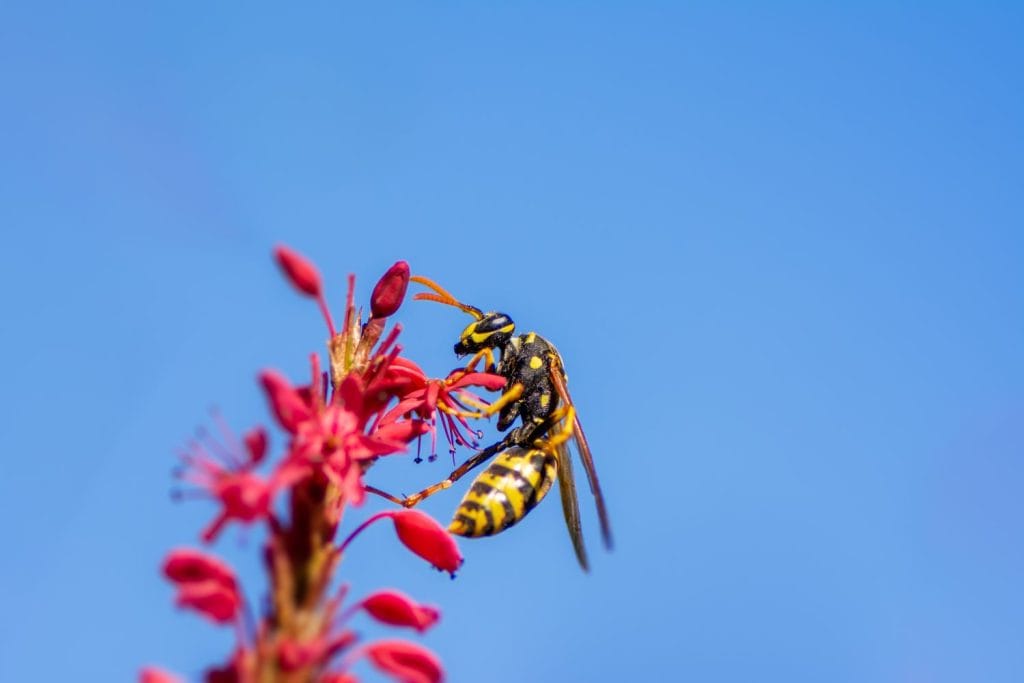
Some wasps pollinate plants and flowers.
©manfredxy/Shutterstock.com
Despite their bad reputation, both wasps and hornets play crucial roles in ecosystems. Predatory groups keep agricultural pests under control, reducing the need for chemical pesticides. Some species also pollinate flowers as they move from plant to plant for nectar. Even their scavenging helps recycle nutrients, cleaning up organic debris that would otherwise linger. Research shows that landscapes rich in wasp diversity often enjoy better natural pest control and healthier ecosystems overall.
Safe Ways to Remove Wasps and Hornets
In this video, a professional pest control technician walks the viewer through the process of ridding a home of wasp nests. You’ll find videos online of people using gasoline fumes to kill wasps or setting the nests on fire. Wasp and hornet nests are highly flammable, and fire can spread quickly through trees and to property. And dousing them with gasoline creates toxic fumes, carries the risk of explosion, and contaminates soil and water. On top of that, these methods rarely eliminate the entire colony and often provoke aggressive behavior from the surviving insects, raising the likelihood of painful stings and even medical emergencies.
A more responsible approach starts with prevention. Keep wasps and hornets away by sealing trash cans, cleaning up outdoor food sources, and maintaining tidy outdoor spaces. Natural deterrents such as peppermint oil, cinnamon, or mint plants can also help repel them. For smaller problems, traps filled with sweet liquid or false nests can take advantage of their territorial instincts to trap them safely. If a nest must be removed, it should be done at night while wearing protective gear, and ideally, the task should be handled by professionals for maximum safety. When using any products, avoid harsh chemicals whenever possible and always follow label directions closely.
The Bottom Line
Hornets and wasps are close cousins, but they’re easier to tell apart once you know what to look for. The distinction matters because they vary widely in aggression. Knowing what you’re dealing with can help you decide whether to leave a nest in a distant part of your property alone, so it can serve its environmental purpose, or remove it before it grows into a serious hazard.