
Quick Take
- Your pets may be detecting your mouse problem before you are, so ignoring their behavior is a mistake. See the pet behavior signs →
- DIY snap traps can catch mice, but there's a reason pest professionals say they almost never solve the actual problem. Find out why traps fall short →
- Catch-and-release sounds like the kindest option, yet a mouse's biology makes it far less humane than most people assume. Understand catch-and-release limits →
- There's a specific window each year when sealing your home is most effective, but most homeowners miss it entirely. Learn the best prevention timing →
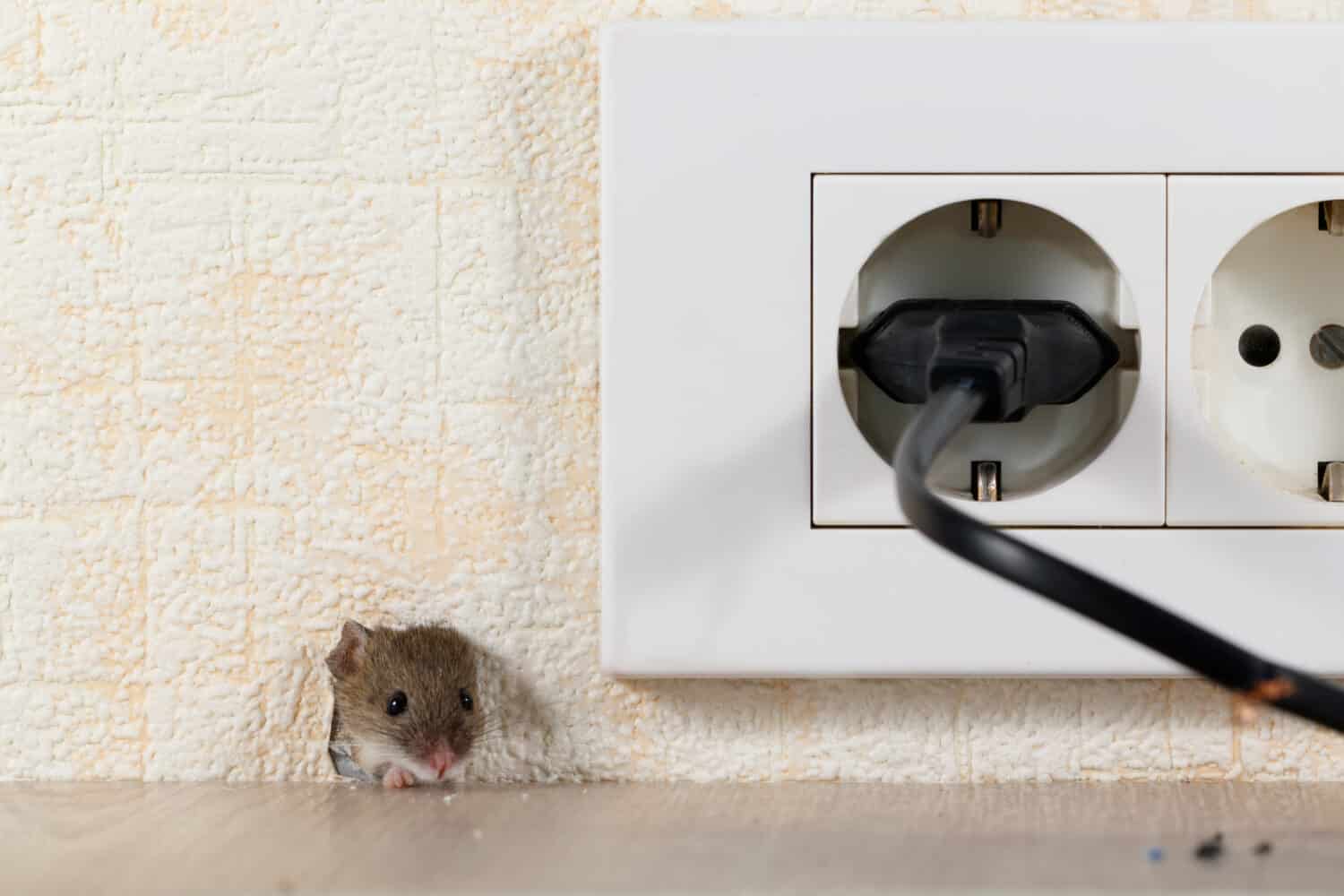
After a busy day of work and errands, you finally relax at night, and the house feels calm and quiet. Then you hear scratching in the wall beside you. That small sound can signal a hidden mouse problem. And it’s a problem that can grow exponentially, as mice reproduce at an extraordinary pace. Learning how to notice an infestation early and knowing who to call helps protect your health, your home, and your budget.
Asking a Professional
We reached out for expert advice on this topic to Joel Miller, owner of Miller Pest Solutions, a company that serves Nebraska, Kansas, and Missouri. He has personally handled thousands of rodent jobs over his 19 years in the industry.

Joel Miller, Owner of Miller Pest Solutions.
How to Tell If You Have Mice in Your Walls
Miller tells us that, “usually, the first thing people notice is the scratching. You’ll hear it at night because mice are nocturnal. It sounds like something scrambling around inside the wall, and it’s louder than you’d expect from something that small. After that, start looking for droppings. Mouse droppings are small, dark, about the size of a grain of rice. Check along your baseboards, under sinks, and in the back of cabinets. If there’s a decent population going, you’ll also start to smell it. Mouse urine has this strong musky ammonia smell, especially in tight spaces like pantries and closets. And pay attention to your dogs and cats. I can’t tell you how many calls I’ve gotten where the homeowner says, ‘my dog won’t stop staring at this one spot on the wall.’ Nine times out of ten, there are mice back there.”
Dangers of Ignoring Mice in Your Walls
It can be easy to ignore a bit of scratching and postpone dealing with it. That choice can bring serious health risks into your home. Mouse droppings, urine, and saliva can carry harmful bacteria and viruses that can contaminate food, counters, and dishes. Dust from dried droppings can spread disease when disturbed. Mice can also trigger asthma and allergies, especially in kids and people with breathing issues.

They’re cute, but mice carry disease that can affect you and your family.
©Billion Photos/Shutterstock.com
Mice cause hidden damage to your home as well. They chew on electrical wires to wear down their teeth, raising the risk of shorts and house fires. They shred insulation for nesting, which can create drafts and raise your power bills. And they also chew wood, drywall, and stored belongings, ruining boxes, clothing, and keepsakes.
Why Not Just Set Your Own Mouse Traps?
A lot of people respond to this problem by setting their own mouse traps. Miller explains why this may or may not work:
“If you catch one mouse in the garage with a snap trap, you’re probably fine. But here’s what I tell people. By the time you’re hearing them in multiple rooms or finding droppings in your kitchen regularly, you’re not dealing with one mouse. A single female can have up to 60 babies a year, and those babies can start breeding at six weeks old. It happens fast. The traps you buy at the hardware store will catch a few, but they’re not going to solve the problem if mice keep coming in through the same holes. That’s where we come in. We find every gap they’re using to get inside, and we seal it up with materials they can’t chew through. That’s really the difference.”
Professionals understand mouse behavior and common hiding spots, and their knowledge and experience helps them assess just how bad your infestation is. Professional services also bring tools and training that most homeowners lack. They know how to place traps safely around kids and pets. They also know how to tell mice from rats or squirrels. This matters because different pests require different strategies.
Honestly the most humane option is a snap trap. It’s instant. The mouse doesn’t suffer. Glue traps on the other hand… I’m not a fan of those. The mouse is stuck there panicking for hours.
Joel Miller, owner of Miller Pest Solutions
What the Pros Do During an Inspection
We asked Miller to walk us through exactly what happens when an exterminator comes to a home. “When we show up,” he says, “the first thing we do is a full inspection of the property, inside and out. We’re looking at the foundation, the roofline, utility penetrations, etc. We want to figure out where they’re getting in, and how bad it is. After that we set up snap traps and bait stations along the paths the mice are actually using. We don’t just throw traps in random spots. Every placement is based on what we found during the inspection. Then comes the most important part, which is exclusion. We go around and seal every single gap and opening the mice are using to get into the house. We use copper mesh and commercial-grade sealants. Stuff they absolutely cannot chew through. Then we come back for follow-up visits to check the traps, make sure the population is gone, and make sure our seal work is holding up. The whole point is to fix the problem for good, not just kill a few mice and hope for the best.”
But Do You Have to Kill It…?

This is an example of a “humane” mouse trap.
©PhotoDictionary/Shutterstock.com
Miller says he gets asked a lot about humane ways to remove mice without killing them. He explains, “The problem with catch and release is it doesn’t really work. Mice have a strong homing instinct so if you release them within a mile or so, they’ll find their way back. And if you take them far enough away, they usually don’t survive. They don’t know where to find food or shelter, and they get picked off by predators pretty quick. So, it’s not as humane as people think.”
“Honestly, the most humane option is a snap trap. It’s instant. The mouse doesn’t suffer. Glue traps, on the other hand,… I’m not a fan of those. The mouse is stuck there panicking for hours. And poison takes days to work. So, if someone asks me what’s the most humane approach, I say snap traps for the ones that are already in your house, and seal up your entry points so no more get in.”
Keeping Mice Out for Good
Of course, wouldn’t it be great never to have mice in your home in the first place? Miller gives this guidance for homeowners to prevent initial infestations or repeat infestations after paying for an exterminator:
“Seal your house up. That’s the big one. People don’t realize a mouse can fit through a gap the size of a dime. Go around your foundation, check where your pipes and wires come through the walls, look at your dryer vent, your garage door seal, and anywhere the roofline meets the soffit. Stuff those gaps with copper mesh or steel wool and then caulk over it. Mice can’t chew through that. Inside, keep your food in sealed containers, don’t leave pet food sitting out overnight, and make sure your trash cans have tight lids. Outside, move your woodpile away from the house, trim back any bushes or branches touching the foundation, and honestly, I’d get rid of the bird feeder if you can. Those are mouse magnets. The best time to button everything up is September, early October, before it gets cold. That’s when they start looking for a warm place to spend the winter.”
Prevention and Action
The bottom line is basic prevention, and if this doesn’t work, decisive action. Sealing up entry points and establishing good habits like proper food storage will make your home less welcoming to mice. And if they do get in, deal with the problem decisively before the situation gets out of hand.