
Quick Take
- The official record measurement may actually understate her true length, and there is a scientifically documented reason why this is the case. See the measurement details →
- The previous wild record was broken by a snake whose last meal revealed something bizarre about what these pythons actually eat. Explore the previous record →
- Experts believe Ibu Baron isn't close to the largest python alive, and their reasoning will genuinely surprise you. What experts actually think →
- The people who first found her almost guaranteed she'd never make it into the record books, and only a fast-moving rescue was able to change that outcome. Meet the rescue team →
A Staggering Find Emerges From Sulawesi
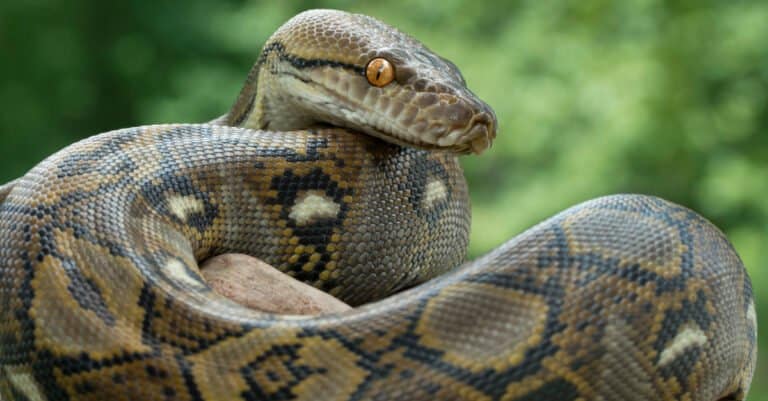
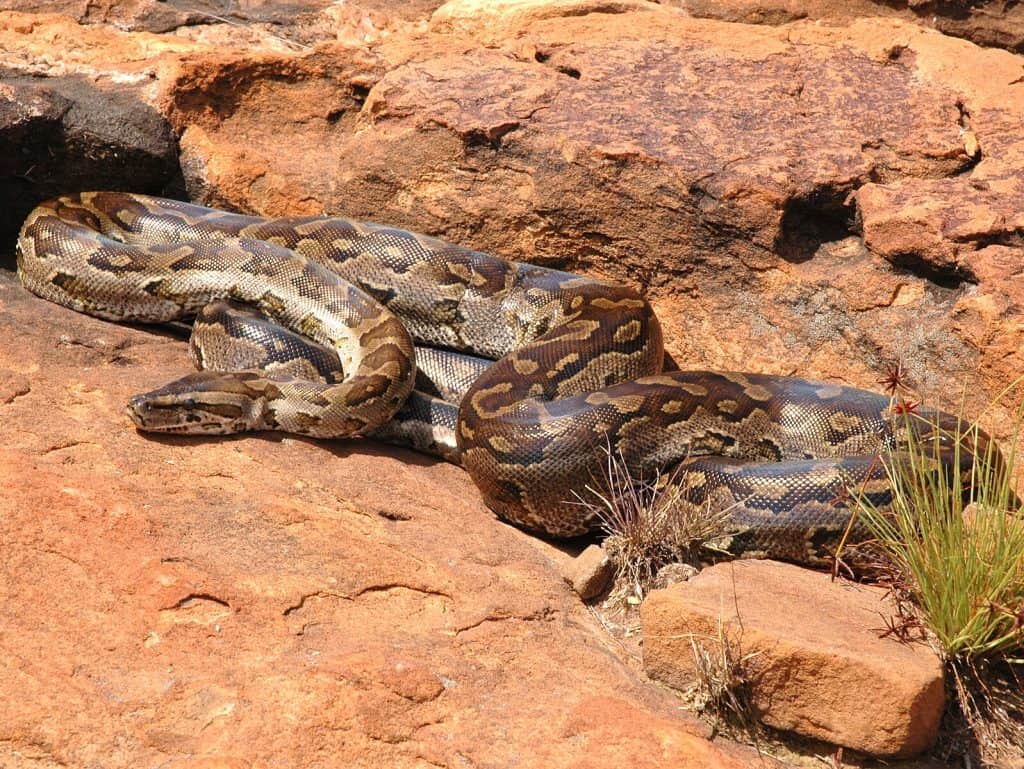
Late in 2025, deep in Indonesia’s Maros region of Sulawesi, a discovery stunned wildlife experts and conservationists. A female reticulated python was formally measured at 7.22 meters, 23 feet 8 inches, making her the longest wild snake ever authenticated. Stretch her length across a soccer goal, and she’d virtually cover it from post to post. Lay shopping carts end to end, and she’d account for six and a half in a row.
But there’s a twist: experts know that, under anesthesia, a snake’s fully relaxed body can extend at least 10% farther. For this python, that means she could truly approach 7.9 meters, around 26 feet, from head to tail. Yet, to avoid the risks and ethical questions around “putting under” a healthy animal, this wasn’t tested. Guinness World Records, which reviewed rock-solid evidence from the measurement, stands by her recorded size, regardless.
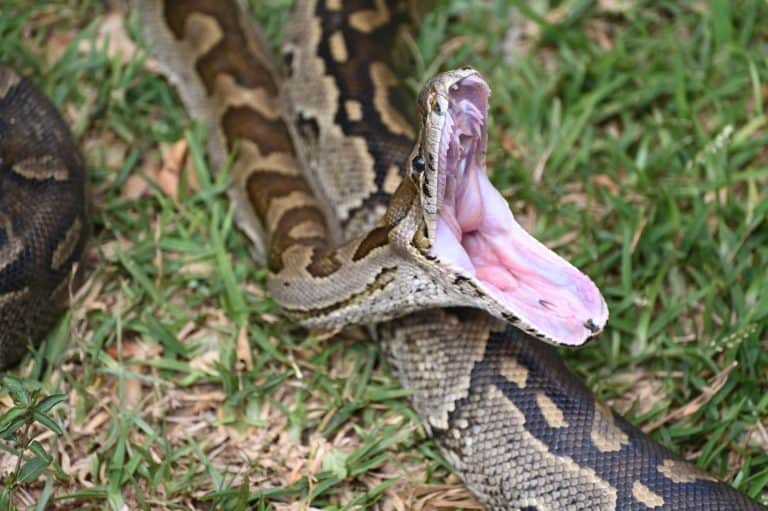
©Graham J. Alexander, University of the Witwatersrand, Public domain, via Wikimedia Commons – Original / License
The Human Hands Behind the Record
This extraordinary snake, now known as “Ibu Baron” (“The Baroness”), was placed into the care of local conservationist Budi Purwanto. When news surfaced in December 2025, Purwanto acted quickly, rescuing the snake from the people who first encountered her. He, along with wildlife guide and snake handler Diaz Nugraha and nature photographer Radu Frentiu, ensured Ibu Baron survived her celebrity status and that her size was carefully documented for science.
Nugraha and Frentiu traveled to Sulawesi, eager to see the supersized serpent and safeguard her documentation. Nugraha, a respected rescuer from Borneo, and Frentiu, a Bali-based explorer, recorded meticulous details. The python’s weight was just as jaw-dropping as her length: 96.5 kilograms (213 pounds), roughly as heavy as a full-grown giant panda, and measured using rice sack scales. Conservationists confirmed she hadn’t recently eaten, meaning her weight could easily surpass 100 kilograms after a large meal.
Purwanto has created a modest sanctuary for large snakes at his estate, offering refuge for pythons at risk of human conflict, and reducing danger both for villagers and the snakes themselves.
The Conflict Between People and Pythons
Life for giant snakes in Sulawesi is fraught. Large pythons like Ibu Baron are often feared as threats to livestock and humans, particularly children. There have even been fatalities attributed to such snakes. Residents typically kill large snakes on sight, and hunting them for bushmeat is common. The python’s lack of venom doesn’t make it less deadly, its immense strength enables it to asphyxiate prey, and occasionally livestock, with ease.
Wildlife rescuer Nugraha believes the increase in snake sightings is tied to shrinking forests and falling populations of the python’s wild prey (such as babirusa pigs and anoa cattle), often the result of poaching. “Appearances of these giant snakes are increasing because their habitats are reducing and availability of the snake’s natural food is decreasing, meaning pythons are coming into contact with people more often than in the past,” Nugraha explained. The illegal exotic pet trade provides another worrying threat for these record-breakers.
The Giants Among Snakes
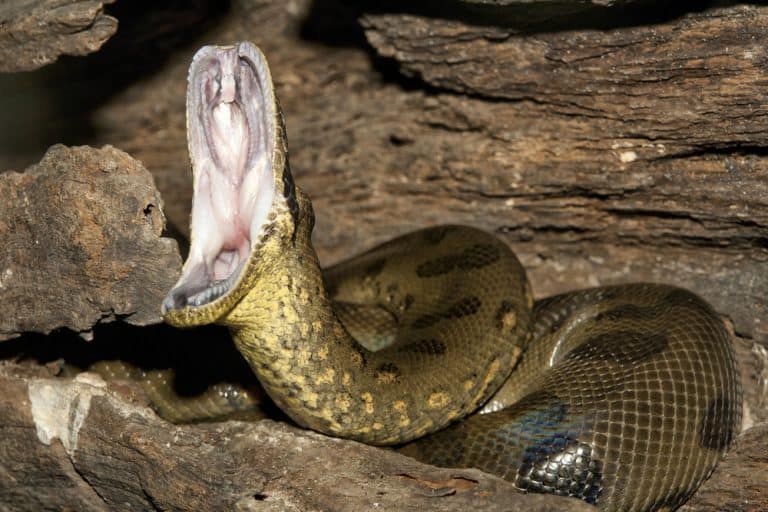
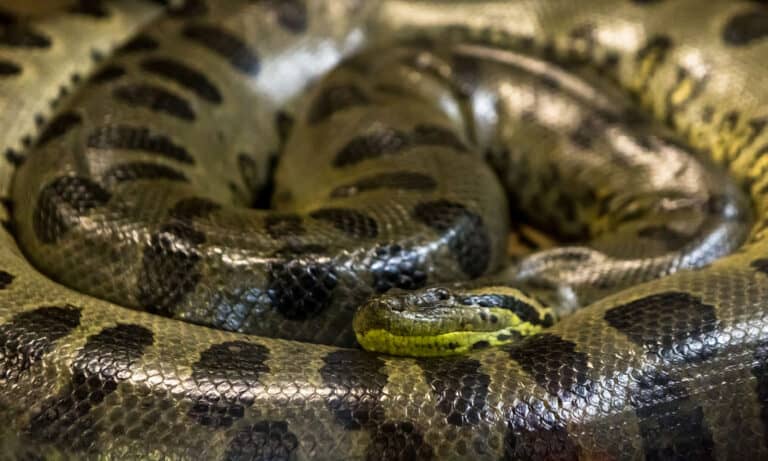
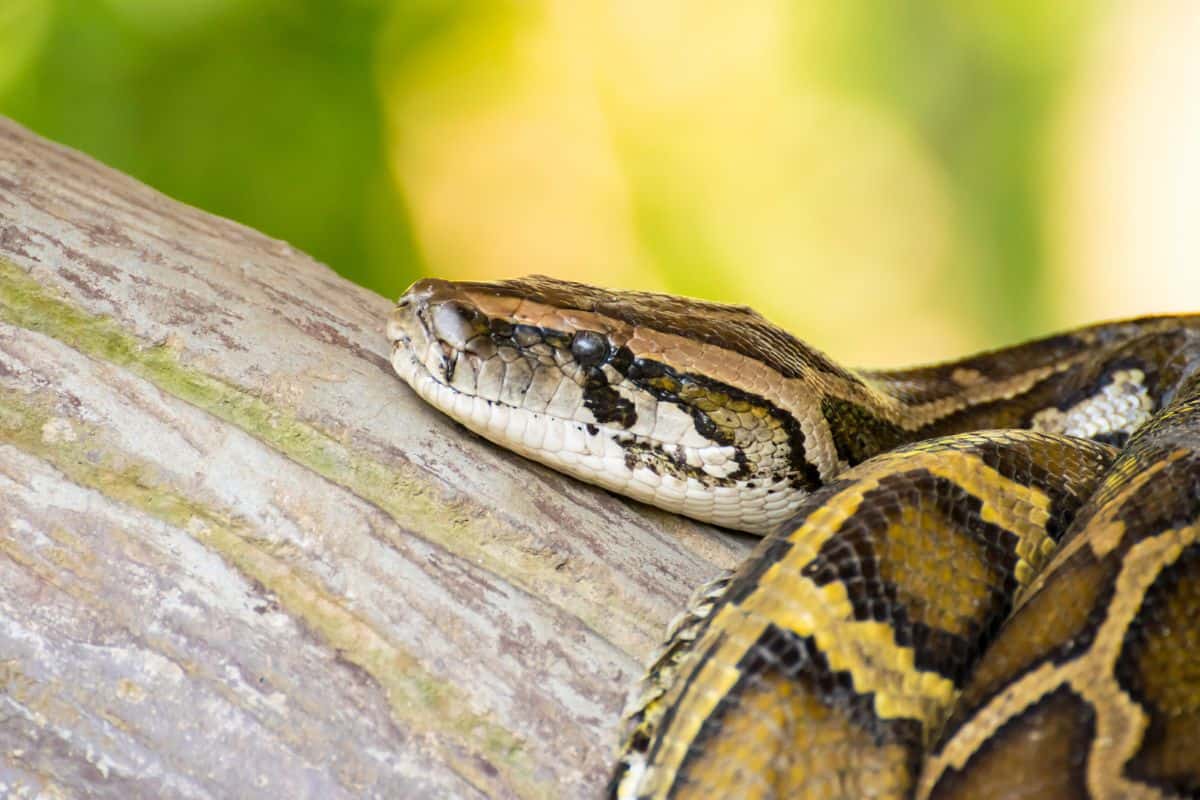
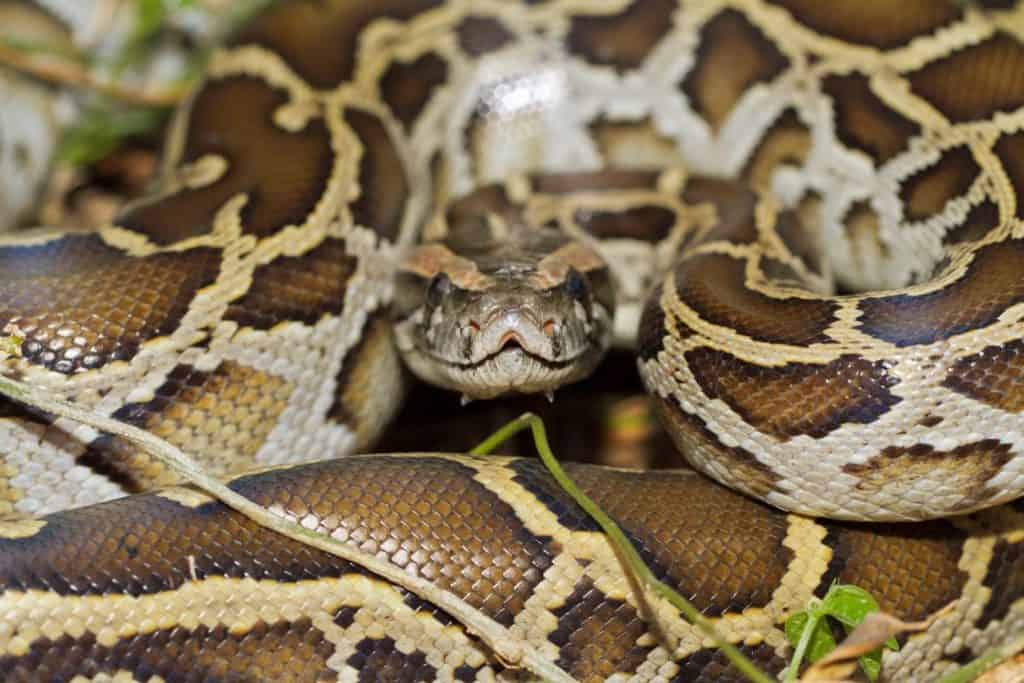
The reticulated python dominates the record books as the longest living snake species. Most adults grow between 3 and 6 meters long (10 to 19 feet), with the largest generally being females. Only the South American green anaconda can outdo it in body mass. Female anacondas can tip the scales anywhere from 30 to 70 kilograms (65-155 pounds), but rare giants, particularly after feasting or while pregnant, might weigh as much as 300 kilograms (660 pounds). For this reason, Guinness recognizes the green anaconda as the heaviest snake, though it’s rarely as long as the reticulated python.
Prior to Ibu Baron’s documentation, the record for the longest scientifically measured wild reticulated python belonged to a female found in East Kalimantan, Borneo, in August 1999. She measured 6.95 meters (22 feet 10 inches) and had devoured a sun bear with a tracking collar, a find subsequently documented in scientific journals.
Historical reports abound of even longer snakes, but physical evidence has always been elusive. One 1912 account from Sulawesi described a reticulated python allegedly 10 meters long, about the length of a modern school bus. Reptile reference books sometimes mention 8-meter-plus snakes, but these are usually drawn from anecdote, not measured proof. A 2016 sighting in Penang, Malaysia, made the news at an estimated 7.5 to 7.9 meters (24 to 26 feet), yet a formal measurement was never recorded before the snake’s death days later.
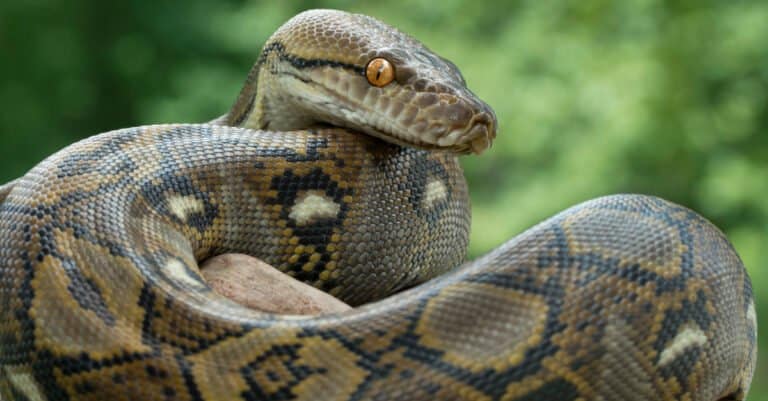
©dwi putra stock/Shutterstock.com
What the Future Might Hold
Veteran snake experts believe the colossal snakes found so far may only be the beginning. “I think so, yes,” Nugraha said when asked if specimens larger than Ibu Baron might exist. “It is quite realistic to expect snakes of 9 meters [almost 30 feet] or even larger exist somewhere, quite possibly again in Indonesia, if not [anacondas] in the Amazon Basin.”
For those involved in documenting and rescuing Ibu Baron, the moment is a catalyst. Nugraha, Frentiu, and Purwanto hope the story will boost public awareness of the threats giant snakes face and drive improvements in legal protections, habitat preservation, and education. “Our hope is for pythons and other giant snakes to no longer be seen as vermin, but rather as a symbol of the islands and necessary animals to the ecosystem,” Frentiu said. He envisions these magnificent reptiles becoming part of a wildlife tourism draw, spurring pride and understanding while providing local economic benefits.
For conservationists, the priority is clear: stop killing snakes in protected areas, prevent poaching, repair food chains, and ensure humans and snakes encounter one another far less often. Nugraha’s stance is unequivocal, stricter laws and forest protection are urgently needed.
A Legacy That Stretches From Past to Future
Captive snakes also compete for the record books, though with advantages their wild cousins lack. Medusa, a reticulated python from Missouri, reached 7.67 meters (25 feet 2 inches) in 2011. Fluffy, from the Columbus Zoo, measured at least 7.3 meters (24 feet) in 2009. Predictably, regular meals and veterinary care give these snakes opportunities to reach their extreme potential.
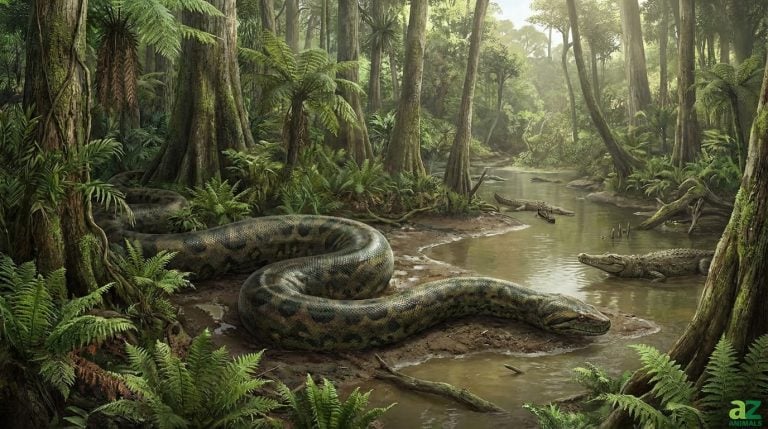
But even these living legends pale beside their prehistoric ancestors. Titanoboa, a giant boa from 58–60 million years ago, dwarfed modern species at an estimated 15 meters (49 feet) long, one meter across, and weighing a staggering 2,500 pounds. Recent fossil finds suggest another ancient snake, Vasuki indicus from India, could have stretched between roughly 36 and 50 feet.
The appearance of Ibu Baron is a powerful reminder of just how much remains unknown in the world’s forests and swamps. Each new find reveals not just new records, but a more complex and precarious relationship between people and some of Earth’s most awe-inspiring predators, creatures whose survival now depends on what humans do next.