
Quick Take
- Scientists didn't just hunt pythons. They used the snakes themselves as unwitting informants to find the ones that matter most. See the scout snake strategy →
- The real removal count is not 177 snakes. The true number is far larger, and it never touched the ground. Count the prevented hatchlings →
- A quarter of the captured females had something inside them that signals trouble far beyond the python problem. Explore what the data shows →
- The Everglades python population has a floor estimate that should alarm anyone who thinks this fight is close to won. See the population estimates →
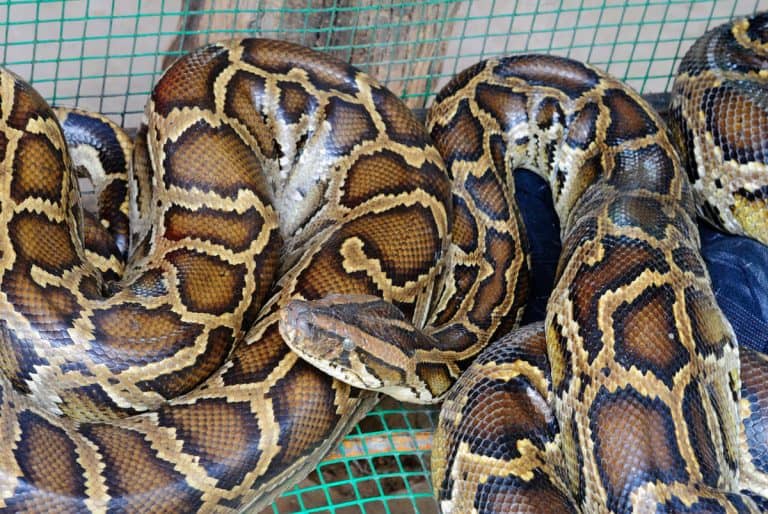
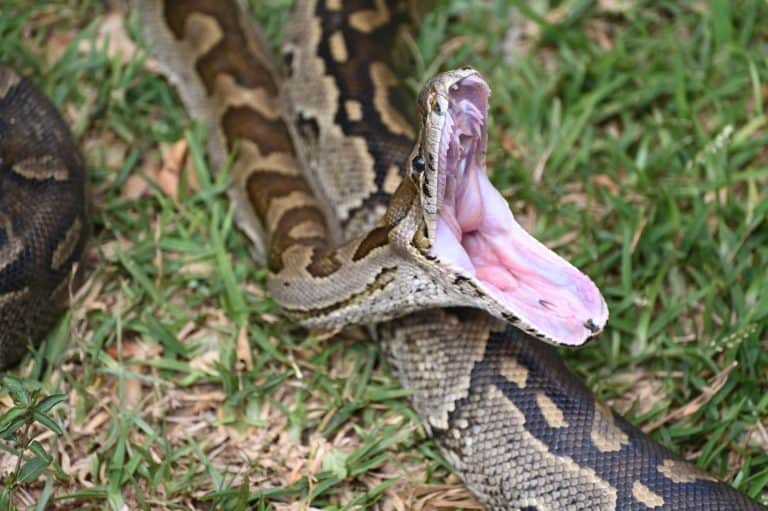
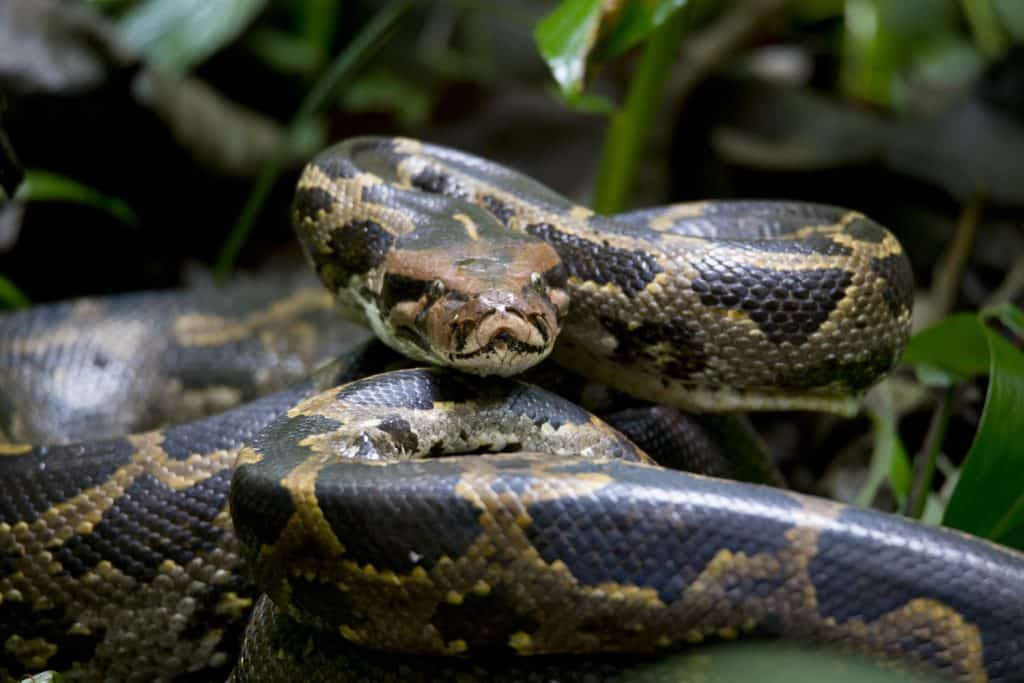
In one sweeping operation this spring, more than four tons of Burmese pythons were hauled out of a stretch of South Florida wilderness. For researchers and conservationists, the tally, 8,080 pounds, collected across 177 massive constrictors, sets a new benchmark for removing invasive giants from the Everglades. The work unfolded over just a few months, from November through April, inside a 200-square-mile expanse of Collier County, about 90 miles west of Miami.
The announcement came from the Conservancy of Southwest Florida, who celebrated their most significant python removal season yet. It’s the first time their efforts have topped four tons in a single season. But behind the weight is another story: a rigorous strategy aimed squarely at the species’ reproductive core.
©Girish HC/Shutterstock.com
How Scientists Are Targeting the Source
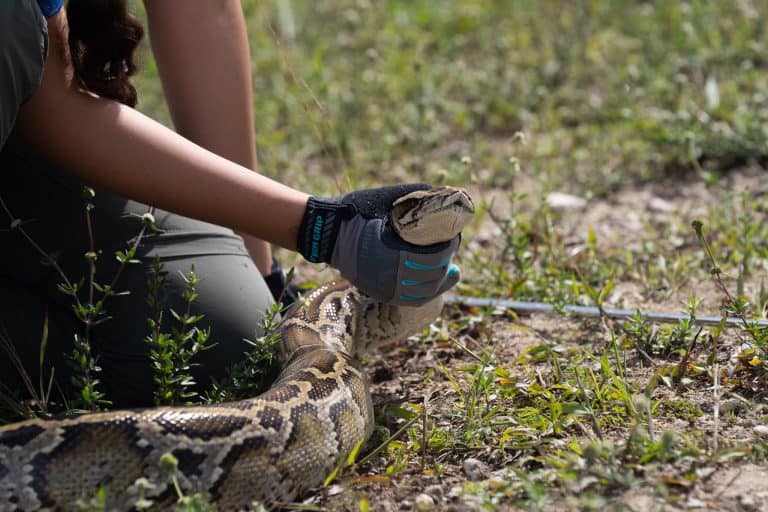
Conservation teams, including wildlife biologist Ian Bartoszek and his colleagues, took an innovative approach. They used radio telemetry, attaching tiny transmitters to 40 male “scout snakes” released back into the wild, to trace their movements during the crucial mating months. The goal was precise: follow the males to the largest, most fertile female pythons.
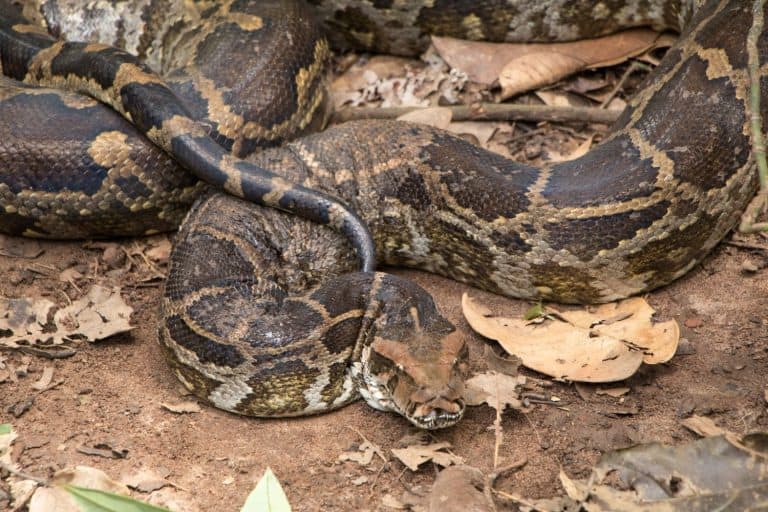
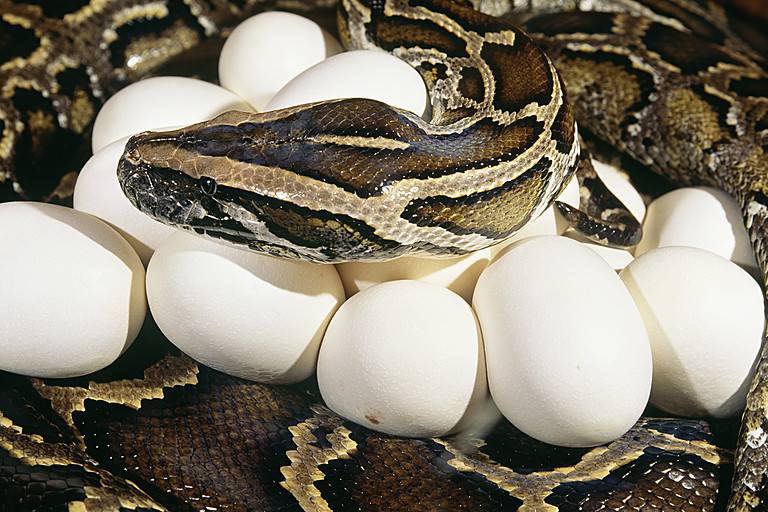
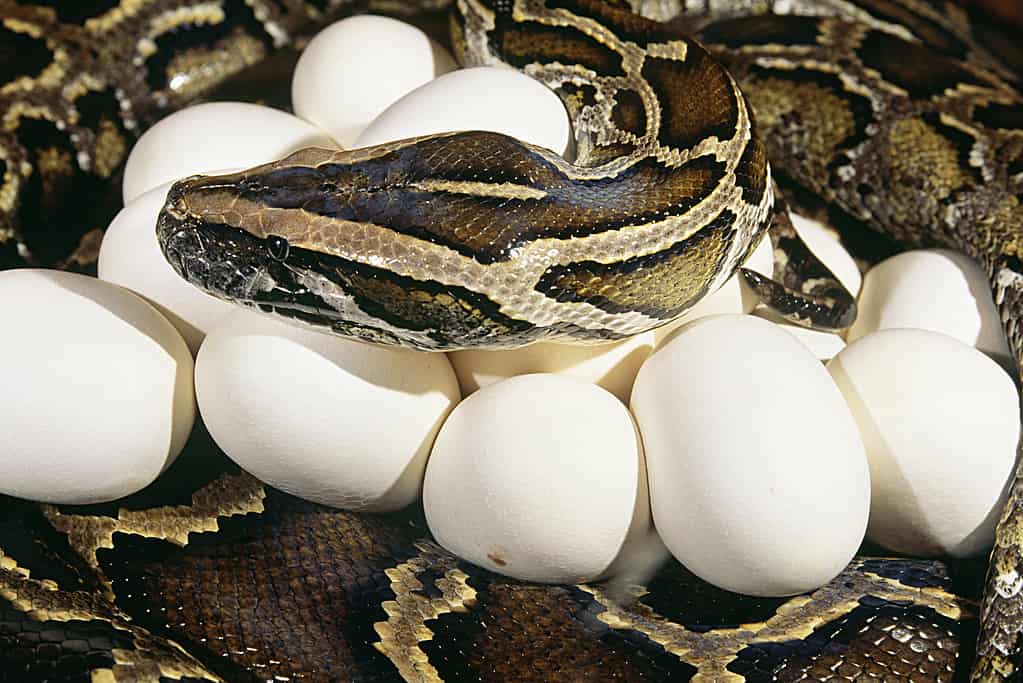
This tactic worked. Researchers concentrated their efforts on pregnant females, which can each harbor around 70 eggs. With these females averaging 95 pounds each and the season’s largest coming in at 153 pounds and an astounding 17 feet long, every capture carried a disproportionate impact on future python generations.
The Real Cost: Thousands of Hidden Eggs
Beyond the physical removal of snakes, the team’s lalaser focusn pregnant females had a multiplying effect. By their estimates, they extracted the potential for roughly 4,100 python hatchlings from the tangled Everglades. In terms of conservation, removing these unhatched eggs has immediate and long-term ripples.
©Paul Tessier/Shutterstock.com
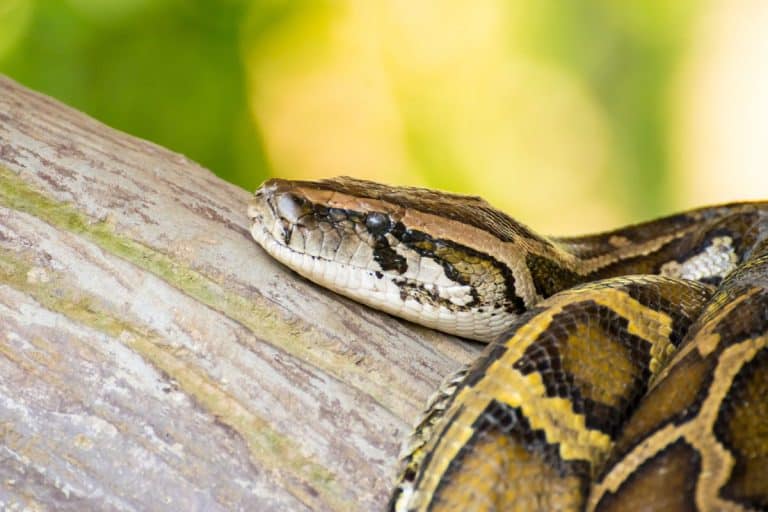
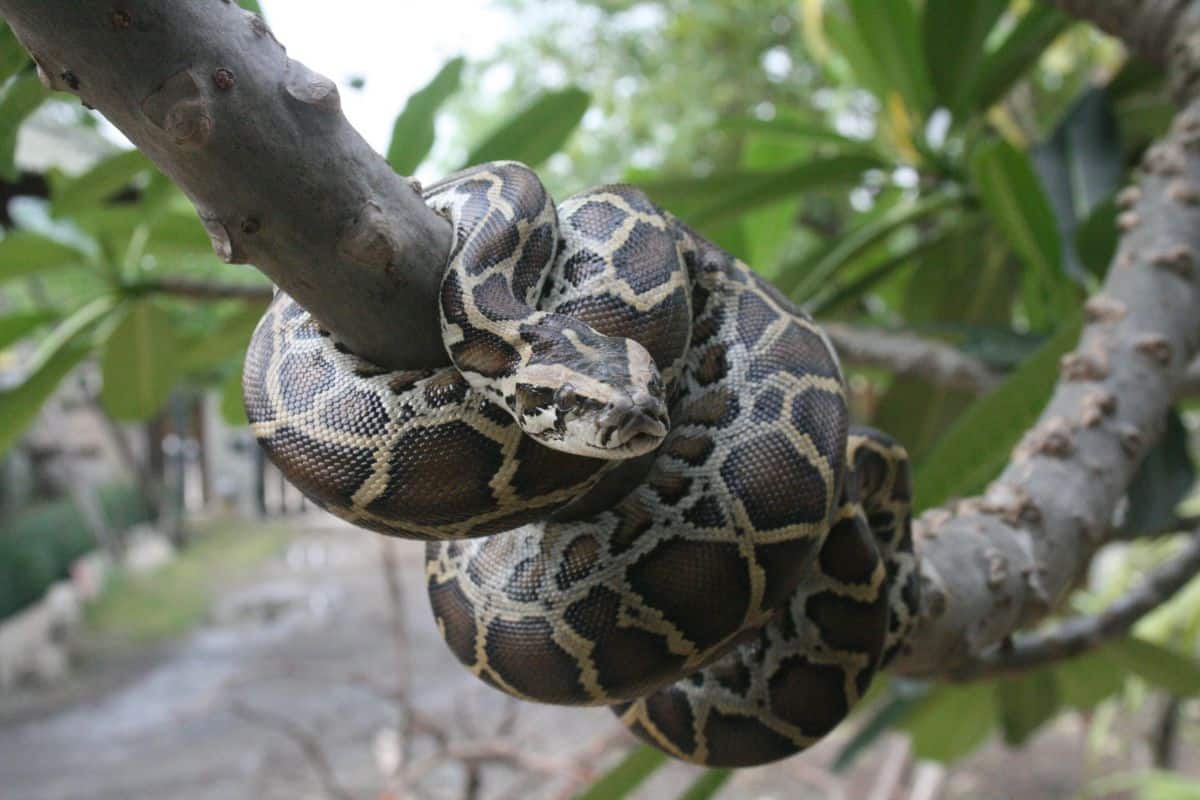
Every python in the Everglades is one too many for local wildlife. Burmese pythons, which first arrived in Florida in the 1970s, most likely after being released by exotic pet owners, have left a trail of devastation in their wake. The climate, so similar to their native home in Southeast Asia, offered the snakes an ideal new home, except in Florida they had nowhere near the same number of natural predators.
What the Numbers Reveal About a Spreading Threat
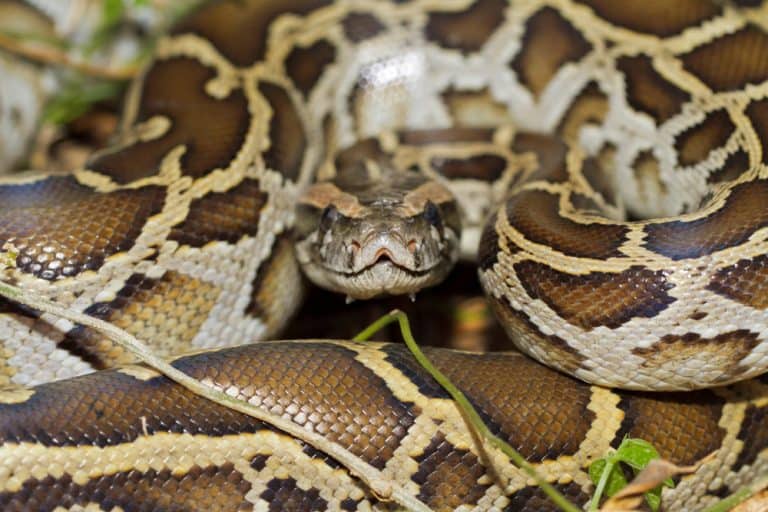
The current population is staggering. By most estimates, between 100,000 and 300,000 Burmese pythons now prowl southern Florida’s wildlands, forming a shadow over the region’s native species. Scientists describe the pressure as immense; the pythons have firmly secured their place at the top of the food chain.
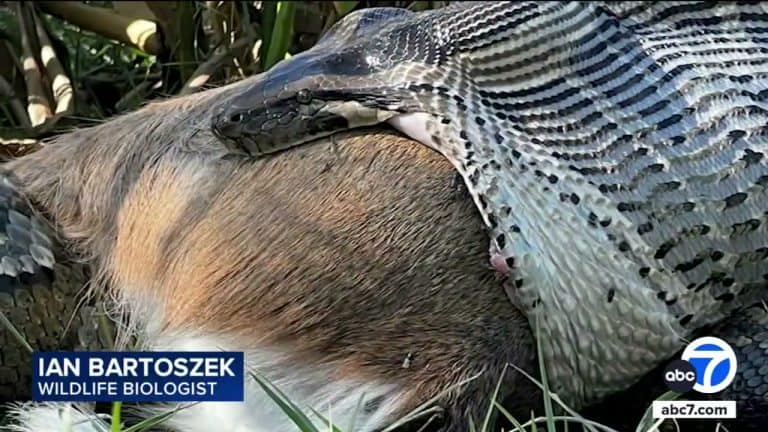
Evidence of their impact can be found inside the snakes themselves. Around a quarter of the female pythons collected in this latest push carried the remains of white-tailed deer, the same deer Florida panthers depend upon. The ripple effects, still being studied, reverberate throughout the Everglades ecosystem.
Looking Ahead: The Challenge Grows
The annual Florida Python Challenge, a statewide hunt drawing volunteers and enthusiasts, is just weeks away. This year’s participants will be hard pressed to match the sheer volume and strategy behind the Conservancy’s recent success. For anyone watching the Everglades, the question now isn’t just how many pythons remain, but what their continued presence means for one of America’s wildest places.
In the battle against this invasive giant, every season is a test. And each removed python is a glimpse of how restoring balance to the Everglades is both daunting and urgent.