
Quick Take
- One of the most popular breeds alive today carries an average lifespan that would stun most of the people who own one, and it isn't a giant breed. See the lifespan data →
- For large dogs, the biology of aging works in reverse, and the reason why begins before the puppy even stops growing. Explore the biology →
- Flat-faced breeds face a hidden threat that has nothing to do with their airways, and most owners walk straight into it every summer without realizing it. Discover the hidden heat risk →
- The physical traits people find most irresistible in certain breeds are exactly what cuts their lives shortest, which raises a question every future owner should sit with. Consider the ethical question →
When families welcome a dog into their lives, many imagine years of companionship ahead. Yet, for some popular breeds, those years are surprisingly few. Genetics and selective breeding have shaped eye-catching features and massive proportions but often at the cost of longevity.
Why Large Breeds Age Faster
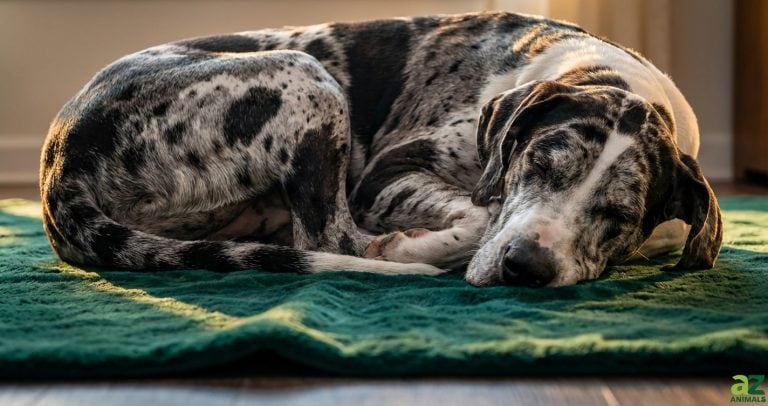
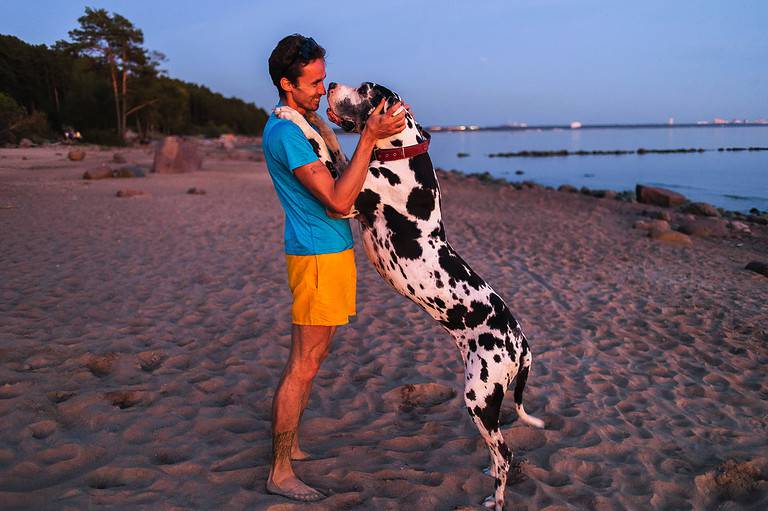
Among dogs, the usual rules of mammalian aging don’t apply. The bigger the breed, the shorter the time together. Great Danes, Saint Bernards, Mastiffs, and Dogues de Bordeaux rarely see their tenth birthday. Some struggle to reach six or eight years.
The challenge begins early. These dogs experience rapid growth and possess a heart taxed with supplying blood to an outsized body. Their joints bear tremendous pressure right from puppyhood. It’s a combination that often results in early-onset joint problems, heart disease, stomach torsions, and an increased risk of cancer.
Veterinarians recommend that owners of these giants provide specialized diets starting in puppyhood to support slow, steady growth. Careful weight management and moderate exercise always gentle on developing bones can make a vital difference.
The High Price of Breathing Issues in Flat-Faced Breeds
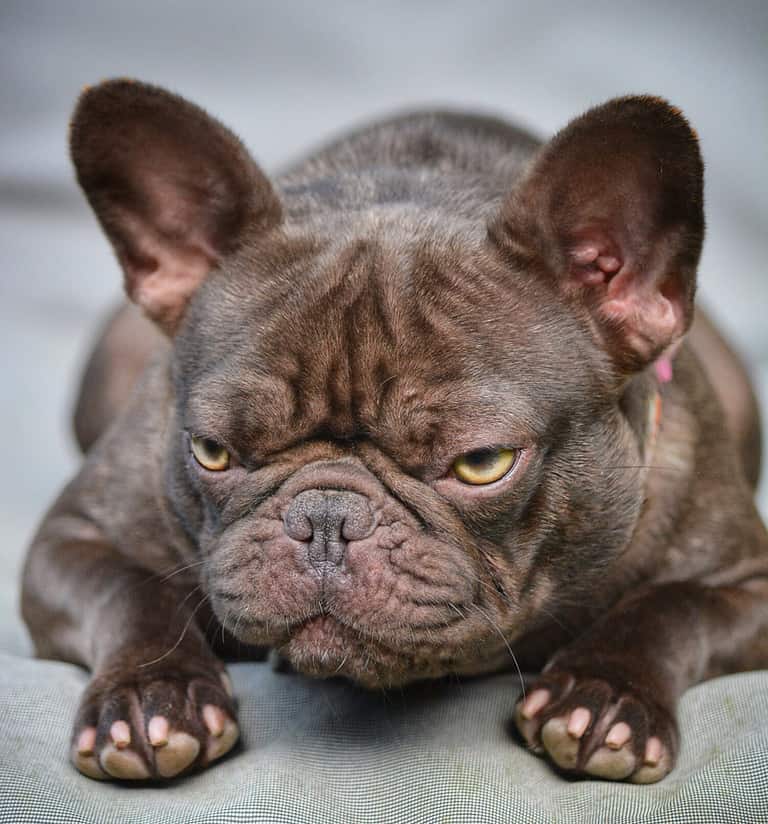
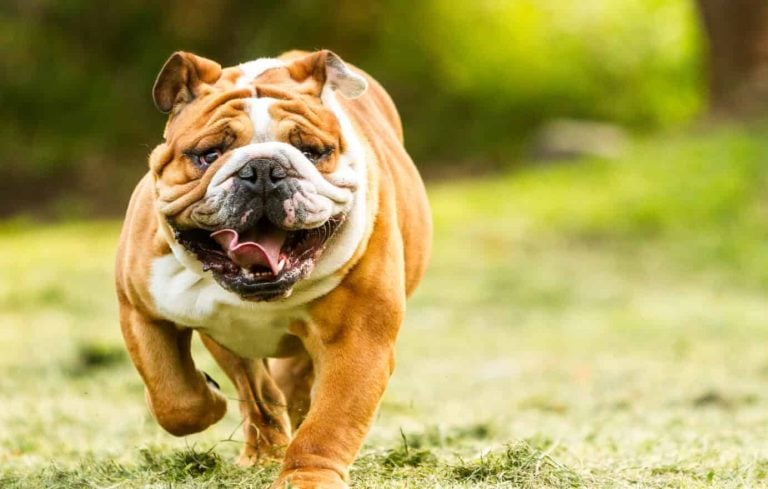
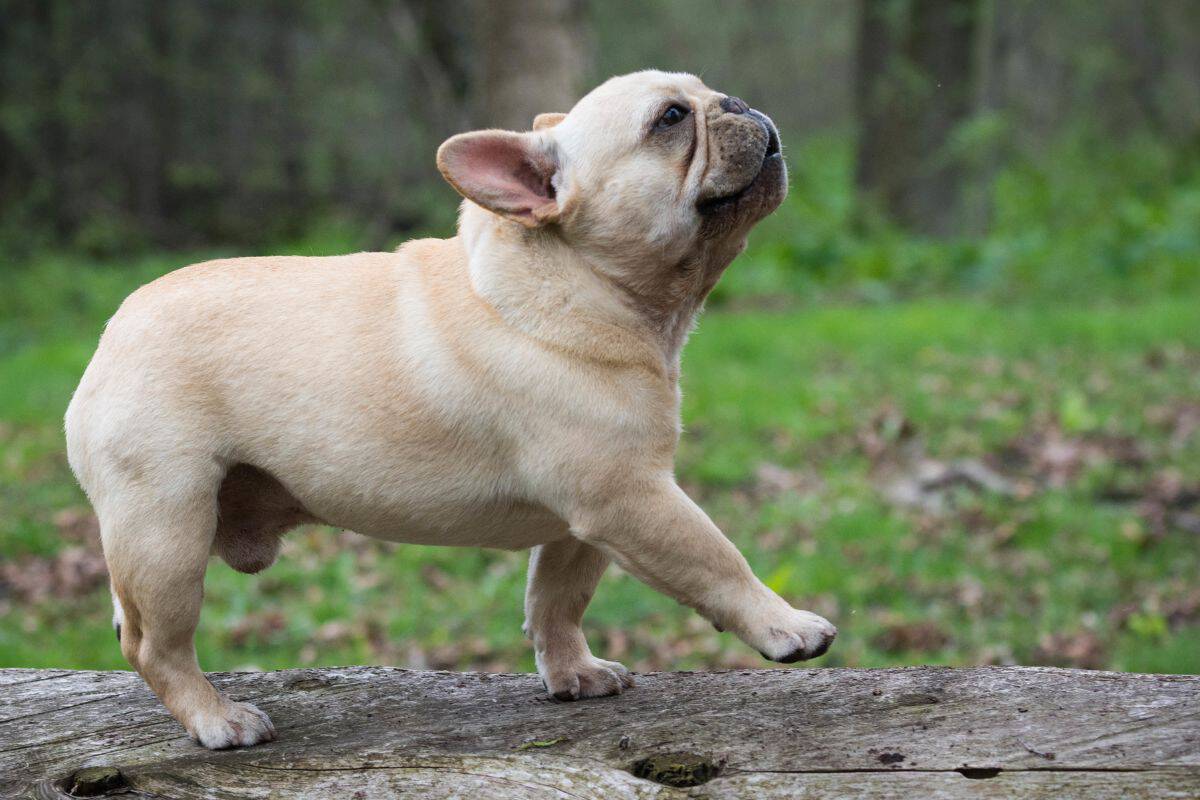
Another vulnerable group includes the brachycephalic breeds: French Bulldogs, English Bulldogs, Pugs, Boxers, and Cavalier King Charles Spaniels. Their distinctively short muzzles might win hearts on social media, but they carry hidden hardships. Narrowed airways, elongated soft palates, and pinched nostrils mean that every breath is more laborious than it should be.
Their struggle becomes life-threatening during heat waves. Poor temperature regulation makes them especially at risk in summer. But compromised breathing isn’t the only problem, these dogs are prone to eye issues such as corneal ulcers, as well as skin infections in their folds and frequent heart trouble.
Experts urge owners to avoid walking these breeds during hot hours. Early morning or late evening outings are safest, and dogs must always have fresh water and access to cool, well-ventilated spaces.
Numbers Tell the Story
The difference in life spans can be striking. A typical dog lives just over 11 years. In contrast, research places the average for French Bulldogs barely higher than four years. Giant breeds like Dogue de Bordeaux, Mastiff, and Saint Bernard tend to live between five and eight years. What they share is an “extreme morphology” physical features created through human selection, which come with a stark cost in years lived.
A Silent Responsibility for Every Owner
Loving a Bulldog, a Pug, or a giant breed means embracing an intense, often brief partnership. Behind every unique silhouette stands a choice: Should we continue to favor the boldest shapes and faces, or reconsider the standards that place them at risk?
The answer is personal, confronted again each time someone chooses their next four-legged friend. For many, it is a question of balancing affection for a breed against concern for its well-being and pondering what our preferences say about the way we welcome animals into our world.