
Quick Take
- Most colorful frogs rely on poison to survive, but this one doesn't. Its actual defense mechanism is stranger than you'd expect. Discover its real defense →
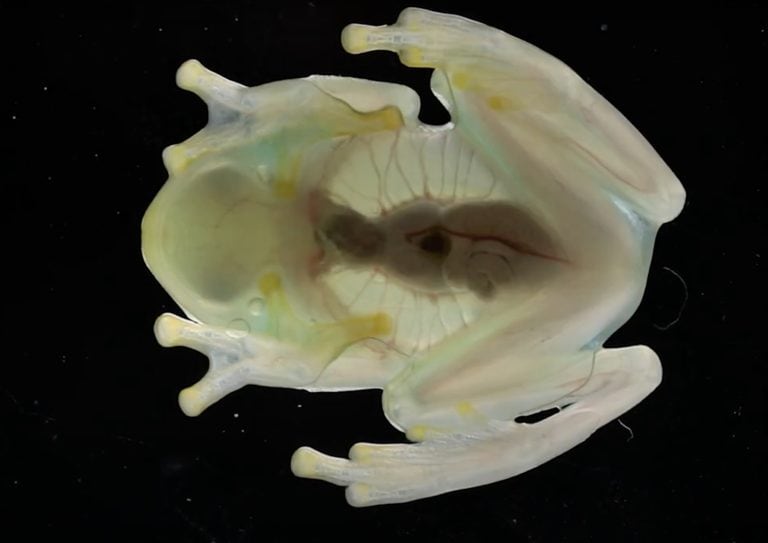
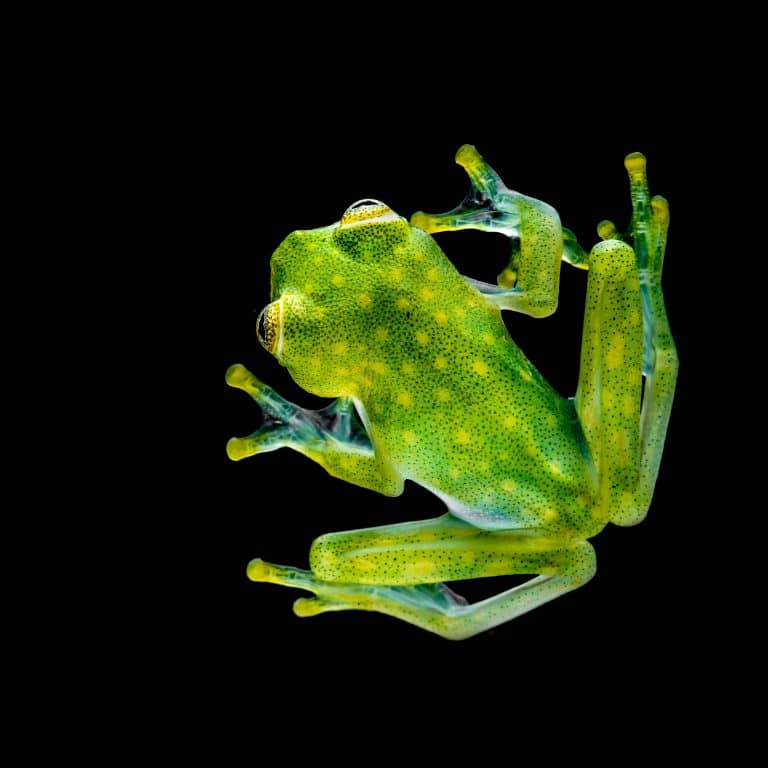
- This frog's underside hides something you'd never expect to see through skin. See the translucent underside →
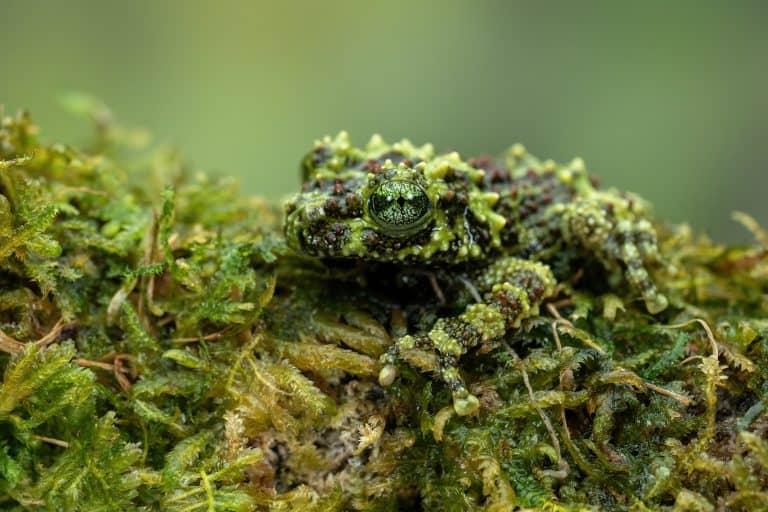
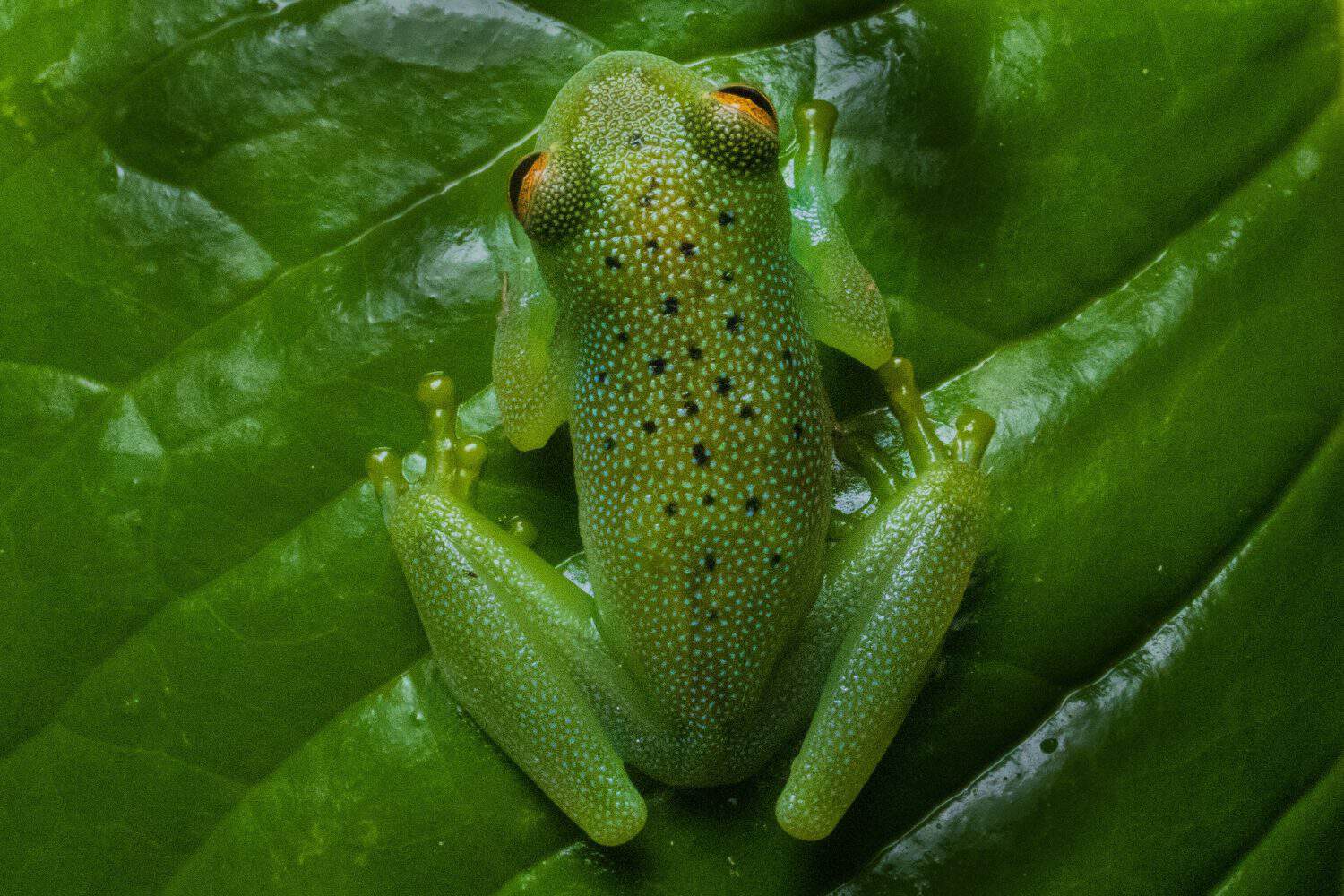
- Its rough, granular skin breaks every rule about what a frog is supposed to look like. That is exactly the point. Explore its granular skin →
- A frog barely an inch long has figured out how to vanish in plain sight, relying on neither venom nor speed. See how it hides →
Glass frogs are among the most fascinating animals on the planet. With see-through bodies, they use their translucence to their advantage. Of the many species, the granular glass frog stands out for its unusual frosted glass appearance. This Instagram post by @w.of.wonders shows this frog and its amazing skin.
Continue reading
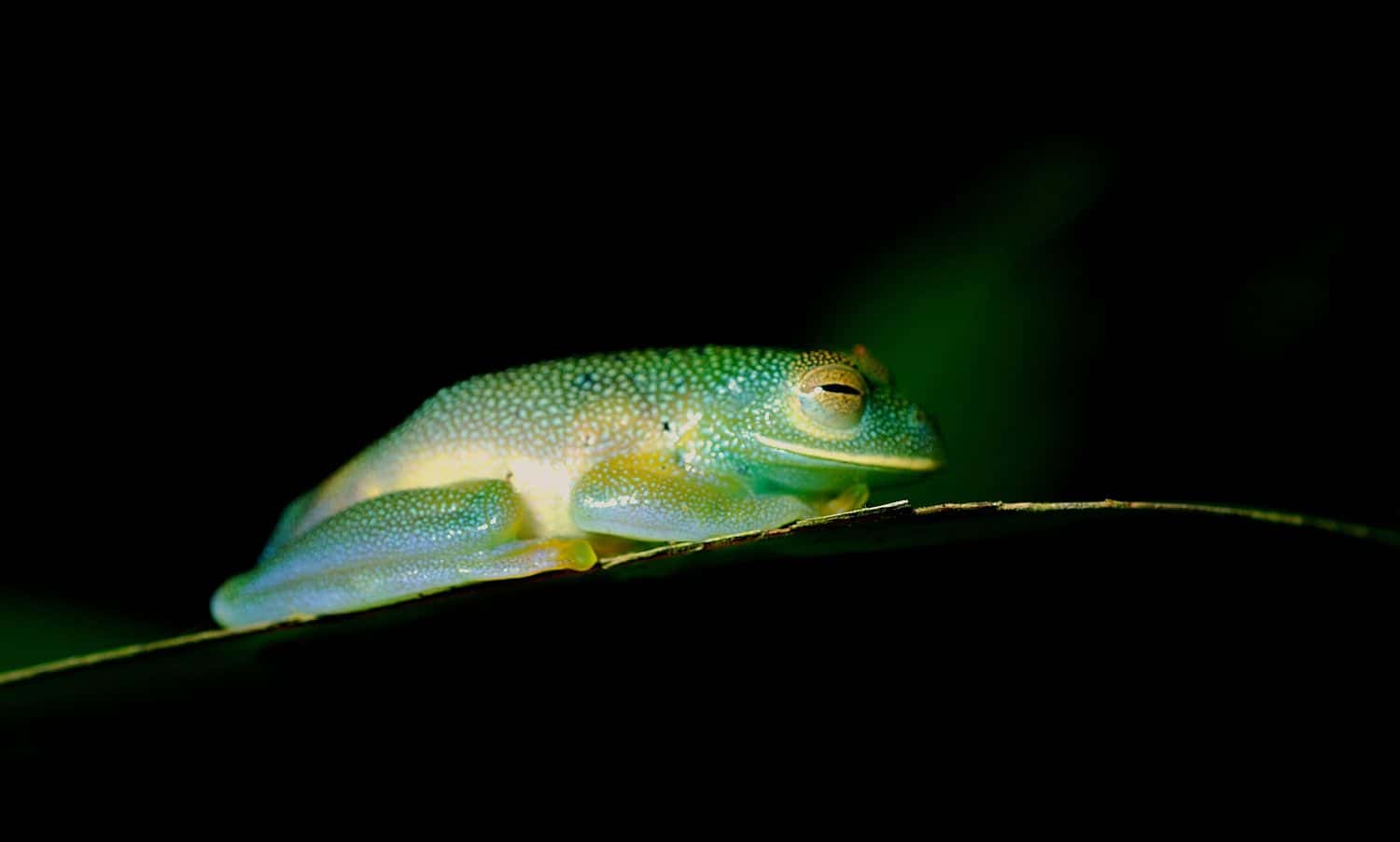
The granular glass frog uses its green back to blend in with leaves when you look from above.
©Sapodorado26/Shutterstock.com
About the Granular Glass Frog
Like many other frogs in the glass frog family, the granular glass frog is native to Central and South America. This species’ confirmed range includes Honduras, Nicaragua, Costa Rica, and Panama, with some sources also documenting its presence in Colombia and Ecuador. Inhabiting forests, they prefer to live around streams in humid areas. Granular glass frogs are difficult to see during the day as they are nocturnal and arboreal. They spend most of their time perched on vegetation at night. These frogs are very tiny. Most grow to only about an inch long, with females being slightly larger than males. Although most colorful frogs are poisonous, the granular glass frog is not. Instead of using poison to defend themselves from predators, these frogs use amazing camouflage to hide from predators.
The granular glass frog gets its name directly from its appearance. They are dark blue-green frogs with very granular skin and scattered yellow or black spots on their back. The granules give their skin a rough appearance, unlike the typically smooth and shiny skin of most frogs. This is all part of their amazing camouflage. When these frogs sit on leaves and other vegetation in the dark, their green bodies blend into the background extremely well. While the top of their bodies is opaque, their underside is translucent, which is why they belong to the glass frog family. Looking underneath at these frogs reveals translucent skin. You can see the frog’s digestive tract and bones—a sight rarely observed in nature. Although they may not be as well-known as other glass frog species, granular glass frogs are still remarkable in their own right.