
Quick Take
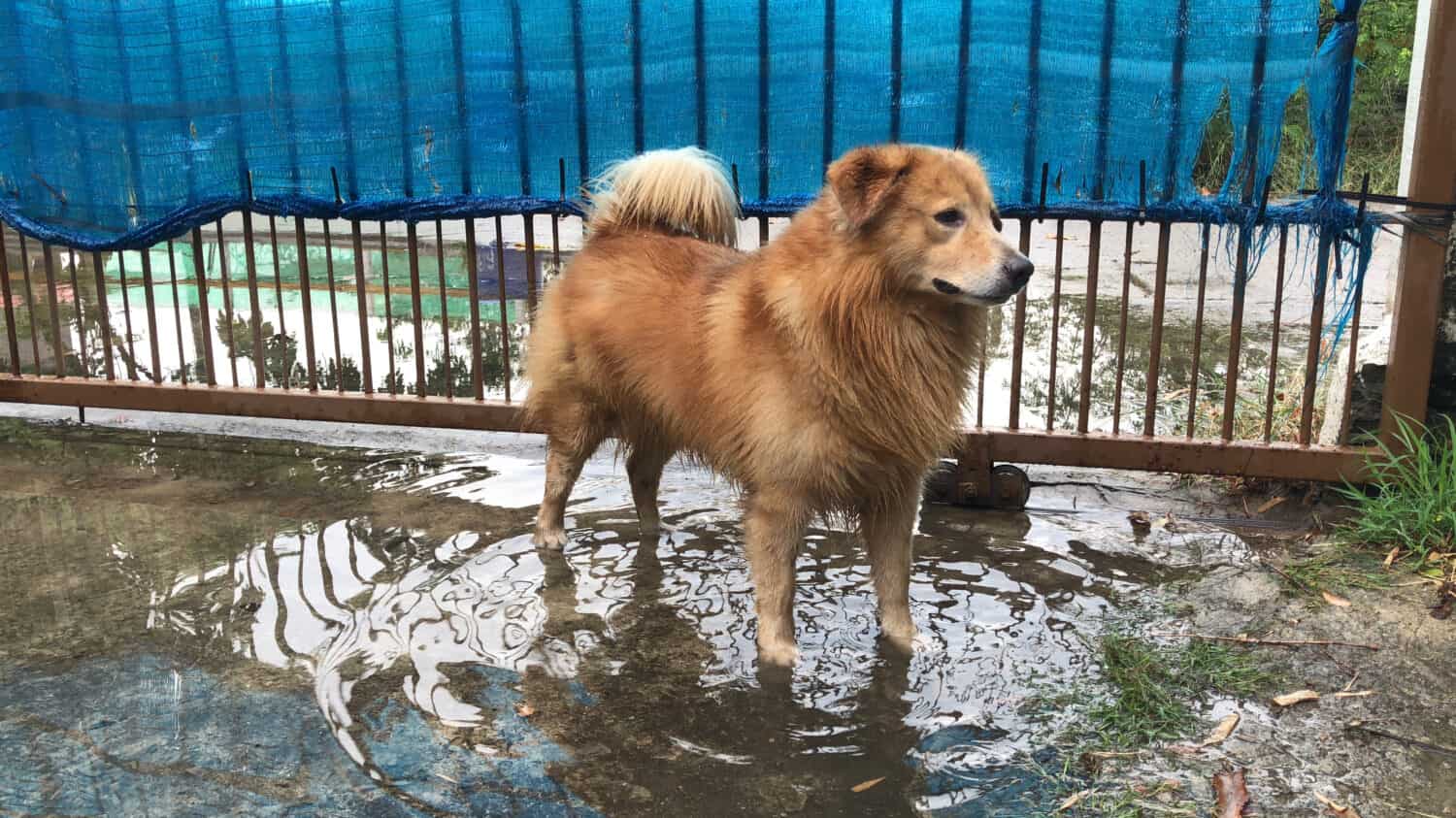
- That innocent puddle your dog loves to splash in could trigger organ failure, and most owners don't realize how quickly exposure can lead to serious damage. See how exposure works →
- The dogs most likely to be infected aren't who you'd expect, and one high-risk group might surprise even seasoned dog owners. See the high-risk groups →
- Your dog could pass this infection to you, and most pet owners have no idea that is even possible. Understand the transmission risks →
- There's a way to dramatically reduce your dog's risk before summer ends, but it takes more than a single vaccine dose. Explore vaccination timing →
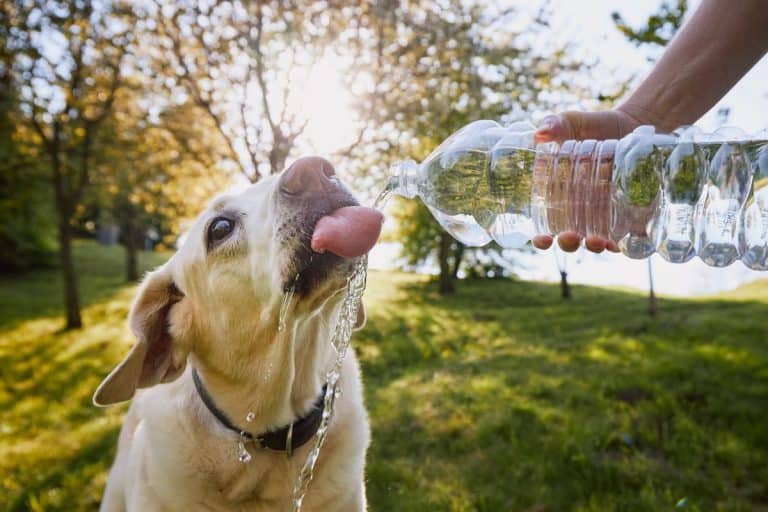
Dogs have the youthful energy of kids, and they love jumping around in puddles or splashing in any body of water to cool off. And who can blame them? With the summer heat, water is so refreshing. But when playing outside with your dog this summer, you should actually avoid any tempting puddles or stagnant water areas, despite how fun it might be. Allowing your dog to enter standing or slow-moving water could expose them to a dangerous bacterial infection called leptospirosis, which could have lasting impacts and even spread to humans.
What Is Leptospirosis?
Leptospirosis is caused by the Leptospira bacteria, which can be found in soil and water and even transmitted through infected bedding. Although it more commonly thrives in warmer climates and in the summertime, it can occur anywhere at any time, and all dogs are at risk of infection, according to the American Veterinary Medical Association (AVMA). Learn more about leptospirosis so you can watch for symptoms in your dog.
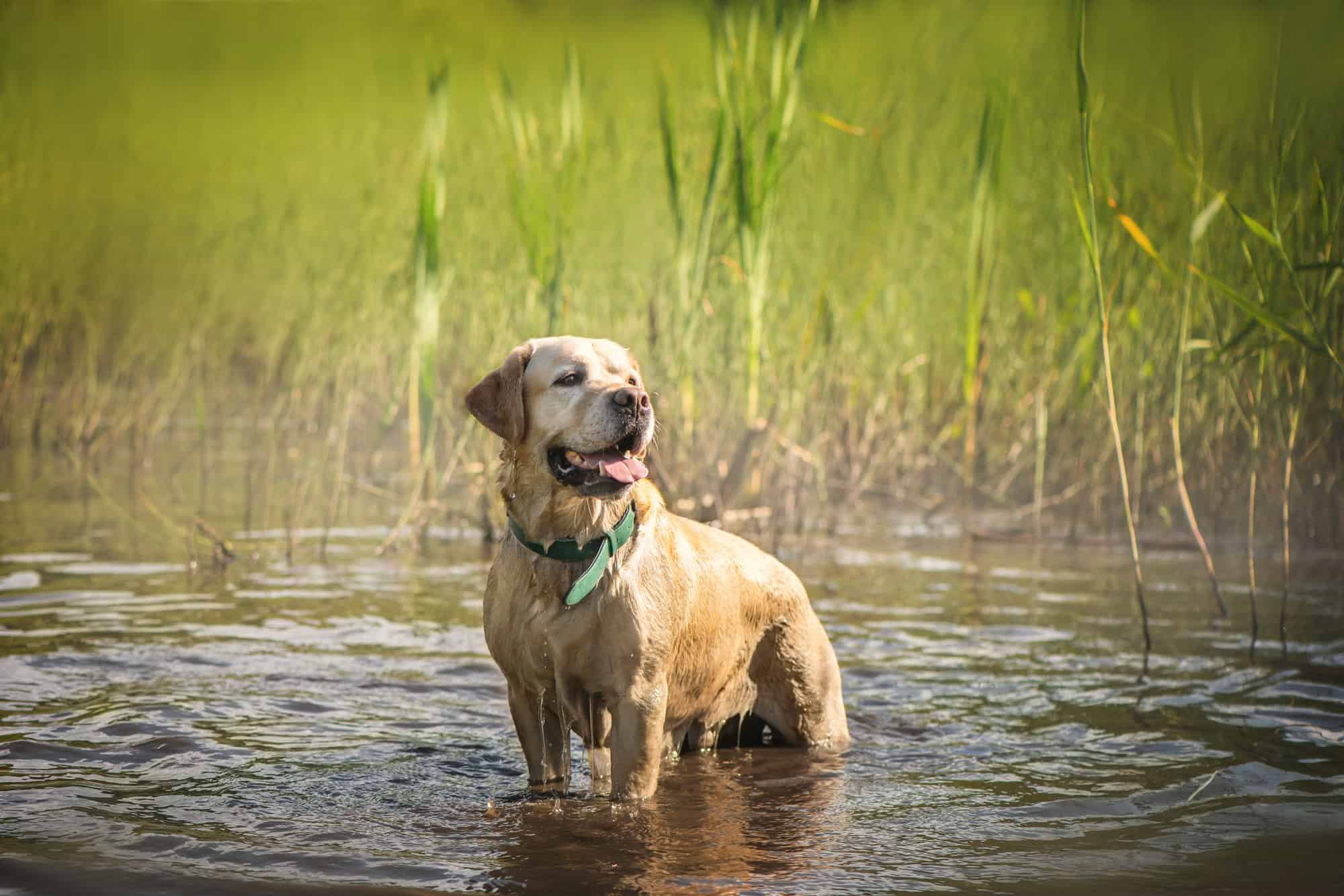
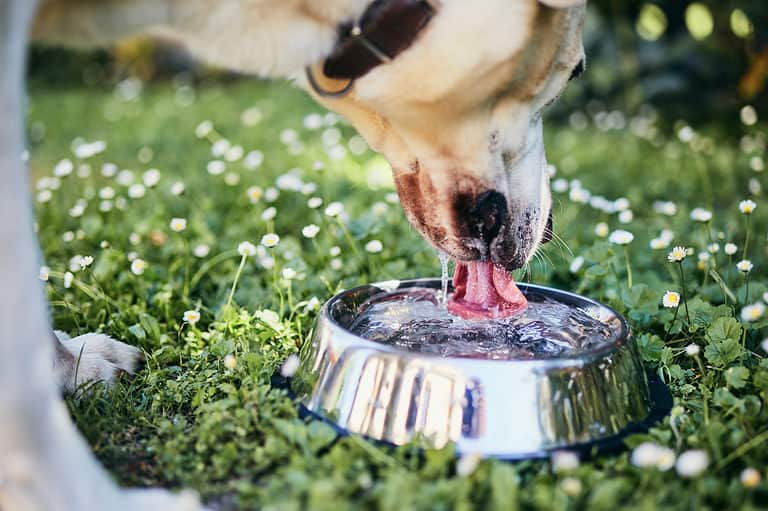
Limit your dog’s access to standing or slow-moving water to keep their exposure to leptospirosis at a minimum.
©iloliloli/Shutterstock.com
There are many ways a dog can become infected with leptospirosis. The AVMA warns pet owners about the following hotspots for exposure:
- Standing or slow-moving water, such as ponds, marshes, puddles, and slow-moving sections of rivers or streams.
- Rural properties, where dogs could be exposed to infected wildlife, farm animals, or water contaminated by urine.
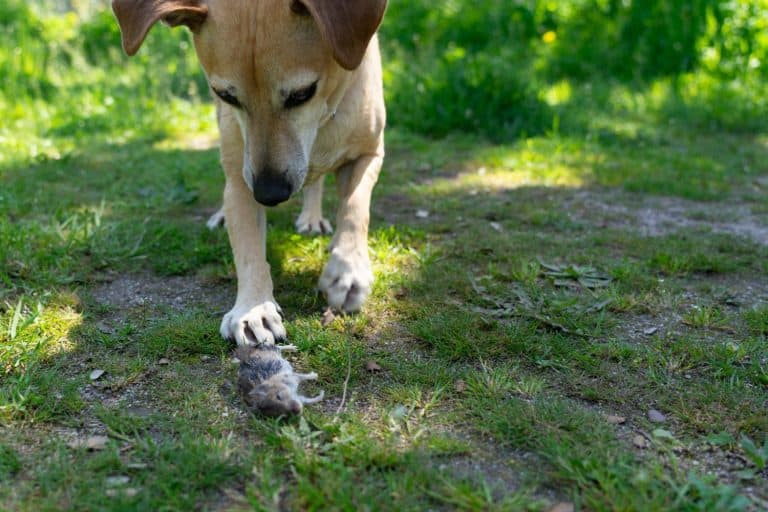
- Wild animals, including farm animals and rodents.
- Other dogs, especially in urban areas, dog parks, and boarding or training facilities.
According to the Cornell Richard P. Riney Canine Health Center, dogs can become infected with Leptospira if they ingest the bacteria or if it enters their body through broken skin, eyes, nose, or mouth. From there, Leptospira attaches to cells that line blood vessels and spreads throughout the body and organs.
The AVMA also warns that leptospirosis can lead to kidney failure, liver failure, lung disease, damage to the heart muscle, bleeding disorders, fluid buildup in the body, and other conditions, which could be long-lasting even after treatment. You shouldn’t be scared of letting your dog go outside, but you should be aware of the risks of this bacterial infection and do your best to prevent your dog from getting infected.
Who Is More Likely to Be Infected with Leptospirosis?
A 2023 article in the Journal of Veterinary Internal Medicine found that leptospirosis continues to be prevalent among dogs, and all dogs are at risk of infection regardless of where you live, what breed you have, or your dog’s age. However, there are a few types of dogs that are more likely to suffer complications from leptospirosis. Certain groups appear to have a higher risk of infection or severe disease: small-breed dogs from urban areas, puppies as young as 11 weeks old, geriatric dogs, dogs in rural areas, and dogs that haven’t been vaccinated for leptospirosis.
What Are the Symptoms of Leptospirosis in Dogs?
Common signs of leptospirosis in dogs, according to Cornell, include:
- Fever
- Decreased appetite
- Diarrhea
- Increased thirst and urination
- Lethargy or weakness
- Stiffness and soreness
- Dehydration
- Yellowing of the eyes or gums
- Small bleeding under the skin
- Eye redness
- Rapid or difficult breathing
If your dog has some of these symptoms and you suspect it might be leptospirosis, it’s important to take them to the vet. The veterinarian may order blood work and urine tests to diagnose the condition, as well as additional testing and/or X-rays if necessary, as these symptoms could indicate a number of other issues as well.
Treatment and Prevention
If your dog has leptospirosis, treatment may include antibiotics, fluid therapy, oxygen therapy, and other treatments depending on the severity of their symptoms.
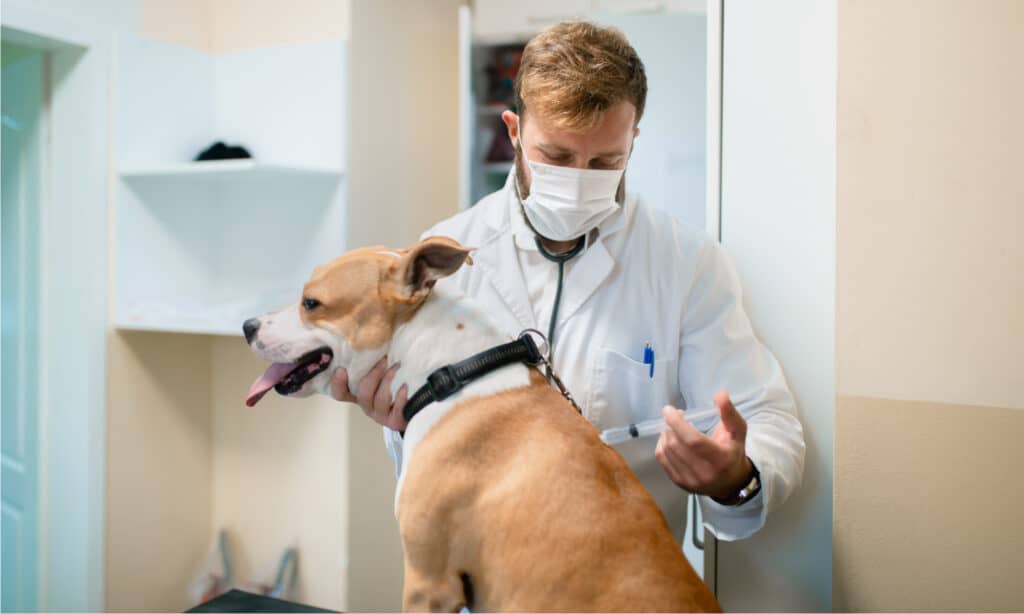
Annual vaccines can help prevent your pup from getting leptospirosis.
©StrDr stock/Shutterstock.com
The best thing you can do is vaccinate your dog to protect them against leptospirosis. The AVMA recommends that all dogs be vaccinated for this disease. Vaccinating your dog reduces their risk of infection and also lowers the risk of them spreading leptospirosis to people (because, yes, humans can catch this from their dogs, as it’s considered a zoonotic disease).
Typically, a vet will initially give your dog two vaccinations, spaced four weeks apart, starting at 12 weeks of age, followed by annual boosters. In addition to vaccines, you can also keep your dog away from wildlife and rodents, and limit their access to rivers, lakes, ponds, marshy areas, and stagnant water to prevent exposure.
Instead of taking your dog to swamps or lakes this summer, encourage them to cool down with a refreshing dip in the pool or a spray from a sprinkler in the backyard. These are cleaner, safer ways to enjoy the water. With that being said, it’s also important not to let your dog urinate near other bodies of water while out on a walk to help prevent the infection from spreading to others. And, of course, make sure they are up-to-date on their vaccinations to give them the best chance of recovery if they are exposed to the infection.