
Quick Take
- What looks like a snake vomiting is actually something far more calculated, and the distinction matters more than you would think. See what's really happening →
- A snake's stomach dissolves bones, scales, and teeth whole, and it happens faster than seems possible. How digestion dissolves prey →
- Bigger prey isn't always better for a snake. Swallowing the wrong meal can turn into a serious liability. When prey size becomes a problem →
When it comes to food consumption, snakes skip the whole chewing bit and swallow their meals whole. But sometimes their eyes are bigger than their stomachs, and the prey comes right back up. This startling Instagram video shows what appears to be a python regurgitating a full-sized bird. It shakes, shudders, and rolls as it slowly coughs up a bird.
This may seem like a case of food poisoning, but it is actually a specialized survival tactic employed by snakes. For one reason or another, the python in this video realized the extra weight was a liability and, therefore, not worth the time or effort to digest. Let’s learn more about this grisly process and why snakes do it.
Swallowed Whole
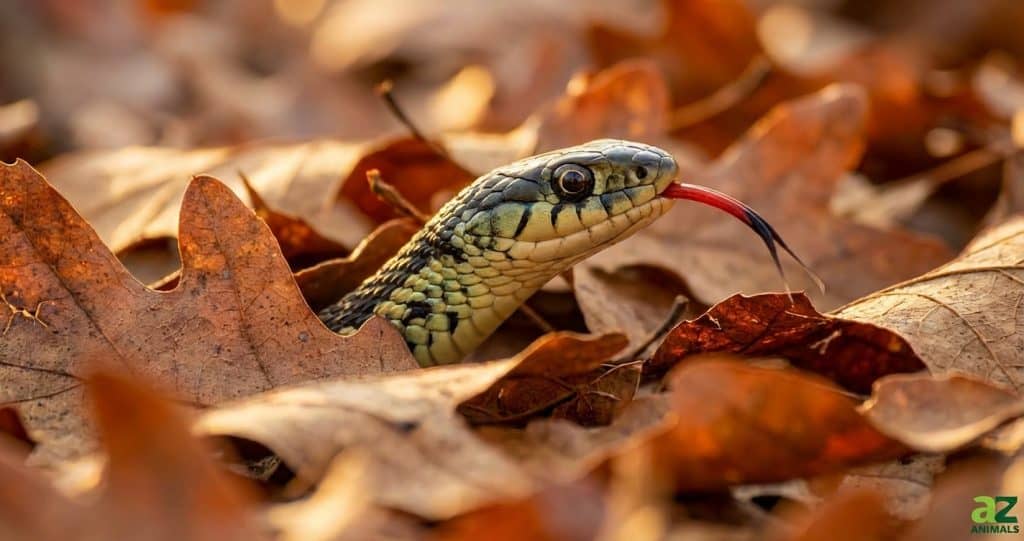
Snakes don’t chew their meals, so they can ditch them just as easily.
©A-Z Animals
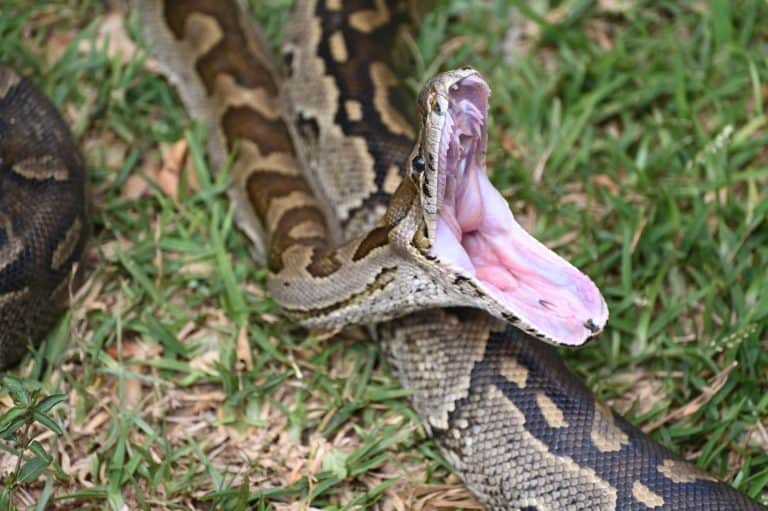
In this Instagram video, a python seems to be struggling. It writhes around on the grass and gravel before an object emerges from its mouth. In a series of cough-like motions, the snake upchucks a full-sized bird. Amazingly, the bird is still completely intact. How do snakes accomplish this feat and why do they do it?
It’s not uncommon for snakes to regurgitate their meals in certain situations. What looks like vomiting to us, is actually more specifically considered regurgitation. This specialized tactic is used by snakes to expel a meal, lighten their load, and escape. When snakes swallow prey whole, it creates a large lump or “bolus” in their midsection. If their meal is big enough, it poses serious risks. In response, snakes will regurgitate an undigested meal to regain agility, escape the scene, or even defend themselves against potential predators. They are essentially ditching a heavy meal for the sake of safety and survival. While it can’t be said definitively why the python in this Instagram video is regurgitating, it probably has to do with a human standing right over it, shining a light in its face.
Good Eatin’
Though the snake in this Instagram video didn’t get to digest that particular meal, most of the time, the digestion process happens smoothly. When food reaches the stomach, the stomach’s pH levels drop from 7.5 to 1.5. This allows snakes to fully dissolve scales, bones, and even teeth with ease. To compensate for the cargo, a snake’s organs can double or triple in size within a day to increase blood flow and enzyme production. From there, the dissolved remains enter the small intestine. Eventually, snakes excrete a pellet consisting mostly of keratin.
Reasons for Regurgitation

Snakes regurgitate their meals due to temperature, size, and nearby threats.
©Craig Cordier/Shutterstock.com
Aside from agility, another reason snakes regurgitate an undigested meal is temperature. Because snakes are cold-blooded, their digestive enzymes won’t function properly if it’s too cold outside. If they didn’t regurgitate their meal, the bolus could begin to rot, leading to sepsis.
A snake may also regurgitate oversized prey. When an animal is too big or awkwardly shaped, it can cause discomfort, obstruction, or even damage to a snake’s insides. Snakes would rather hunt again than become vulnerable due to an obstruction in their midsections.