
Quick Take
- Francis, a cat with dwarfism rescued in 2010, far outlived his six-year prognosis and lived to be 14 years old.
- Cats with dwarfism typically weigh just three to six pounds and have shortened legs with relatively larger heads due to abnormal bone growth.
- Feline dwarfism, most commonly caused by genetic skeletal mutations, can lead to mobility challenges, joint pain, arthritis, and shorter life expectancies.
Dwarfism is a genetic mutation that affects bone and cartilage growth, often stunting them. The mutation occurs across many mammal species, including cats. Since cats are already relatively small animals, how does dwarfism further affect their size and appearance? This Instagram post by @babyanmlpics talks about Francis, a cat with dwarfism. The adorable photos compare him to household objects, highlighting just how tiny he is. Read on to learn more about Francis.
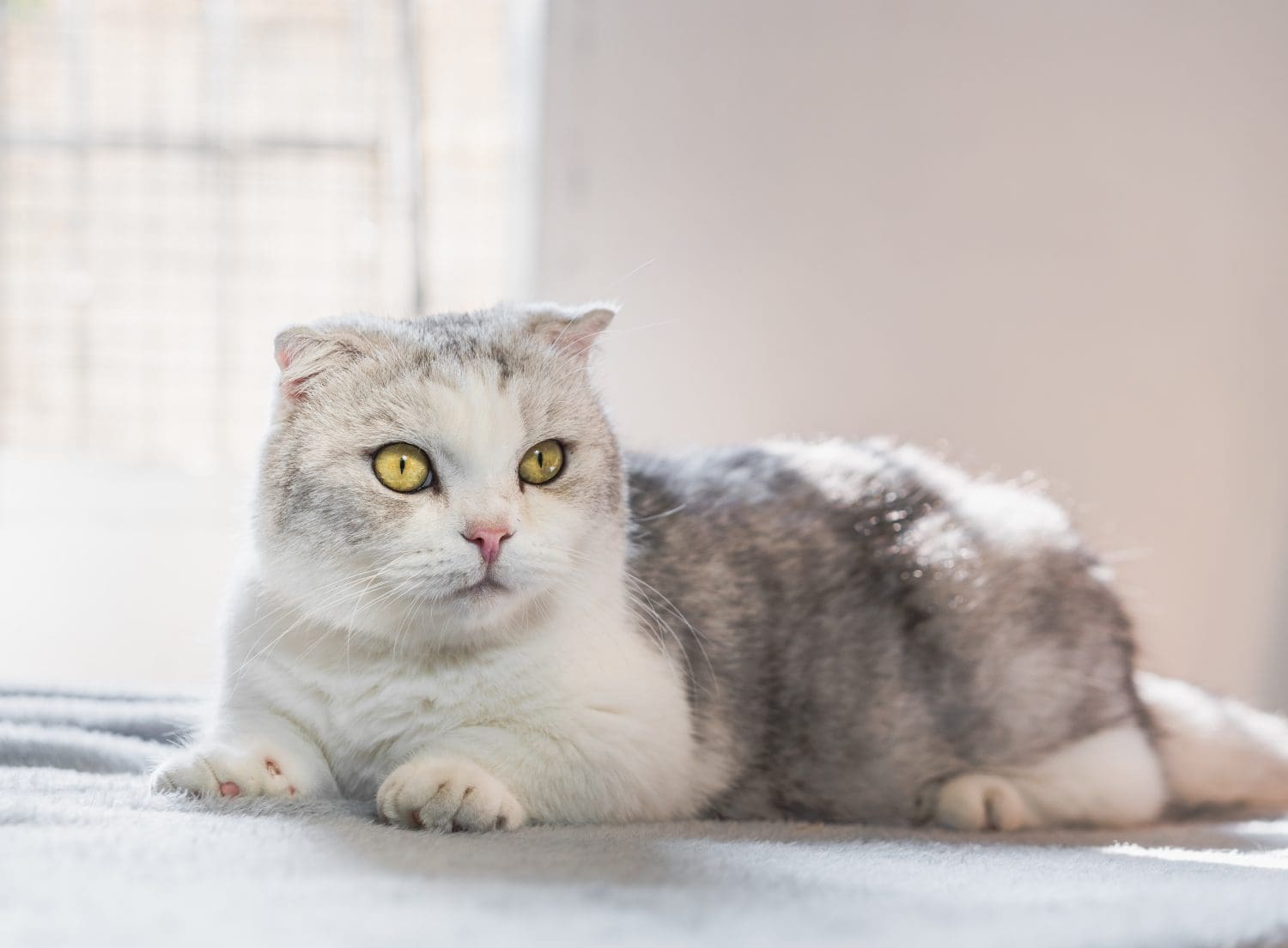
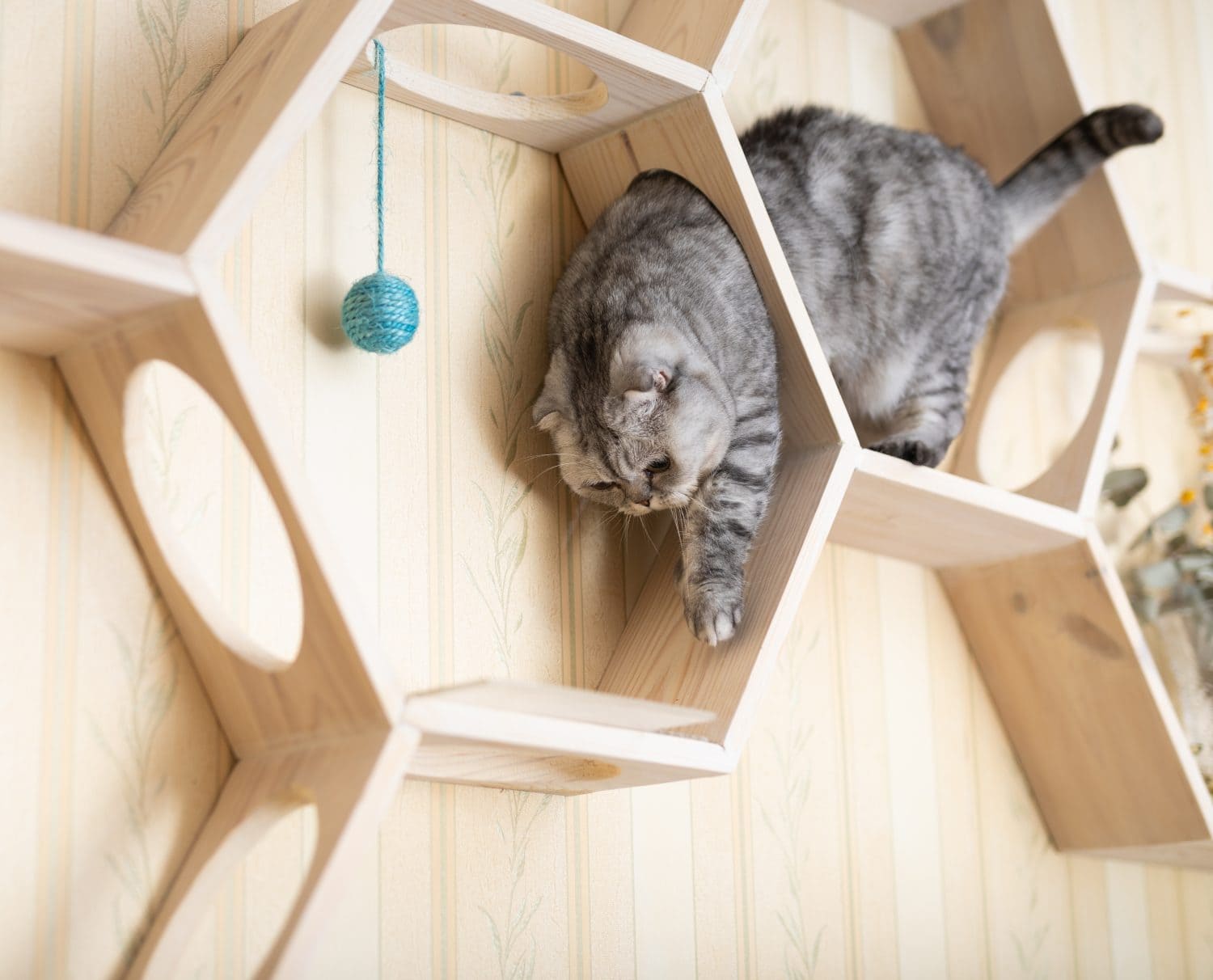
Some cat breeds have features of dwarfism that were purposely selected by breeders.
©Anciens Huang/Shutterstock.com
Francis the Cat
Francis was an adorable cat with dwarfism who died in 2024 at 14 years old. Because of his condition, veterinarians originally gave him a six-year life expectancy, which he greatly exceeded. Francis was originally discovered by construction workers in 2010 and was rescued by @francisandmaggie.
Thankfully, he got to live a very full and happy life before passing away. Most cats with dwarfism only grow to around three to six pounds, which is extremely small compared to the average domestic cat that weighs eight to twelve pounds. Their legs are typically shorter, and their heads are relatively larger, as was the case with Francis.
Dwarfism in Cats
Dwarfism affects a cat’s mobility. Due to their short limbs, these cats often struggle with jumping and climbing. Dwarfism also often comes with skeletal issues that can be painful. Reduced mobility can lead to obesity, which increases joint strain. Arthritis is also a common issue. This is why most cats with dwarfism have shorter life expectancies than average. Thankfully for Francis, he got to live a nice, full life.
Dwarfism is caused by a genetic mutation. While some cats are naturally small and some breeds are selectively bred for smaller size, dwarfism is not the result of intentional breeding. The most common form is genetic skeletal dwarfism. This type causes abnormal bone growth, which shortens the limbs.
Hormonal dwarfism is another form. For this type, the pituitary gland may not produce enough growth hormones, leading to a lack of growth throughout the body. Other rare genetic conditions can also cause stunted growth, but genetic skeletal dwarfism is the most common form.