
Quick Take
- A specific color of light can trap a plant in permanent youth, which turns out to be the key to keeping an entire marine species ready for revival. See the red-light technique →
- One of Australia's most critical ocean ecosystems is already on the endangered list, yet most people have no idea it even exists. Discover the hidden ecosystem →
- Australia isn't working alone, with many countries building living genetic archives. See the global partners →
Genetic “libraries” that deal in living organisms sounds like something out of a science fiction movie. In Australia, these genetic biobanks exist and could save many vulnerable species from extinction. Inside them, you’ll find a collection of seeds, plant tissues, and cells from living organisms. The goal? To repopulate and regrow anything that falls due to climate change, pollution, or human activity.
Among these bubbling beakers and gurgling aquarium tanks is the foundation for new life. The project taken on by a team at Australia’s Deakin University is no small feat. Within the university’s lab, there are more samples than you can count, each serving as a backup to prevent the total extinction of a species.
What Lives in Deakin University’s Biobanks
One of the most striking displays in this biobank is the one belonging to golden kelp. In an interview with The Guardian, Professor Prue Francis explained how a red light illuminates the room to keep the plants in their early algal life stage. Red light stunts their growth but keeps the plants alive, almost as if they were stuck in suspended animation. In this way, the golden kelp remains perpetually immature and capable of reproducing whenever it’s introduced to the right conditions. And this is only one way that Australia’s biobanks are backing up genetic codes.
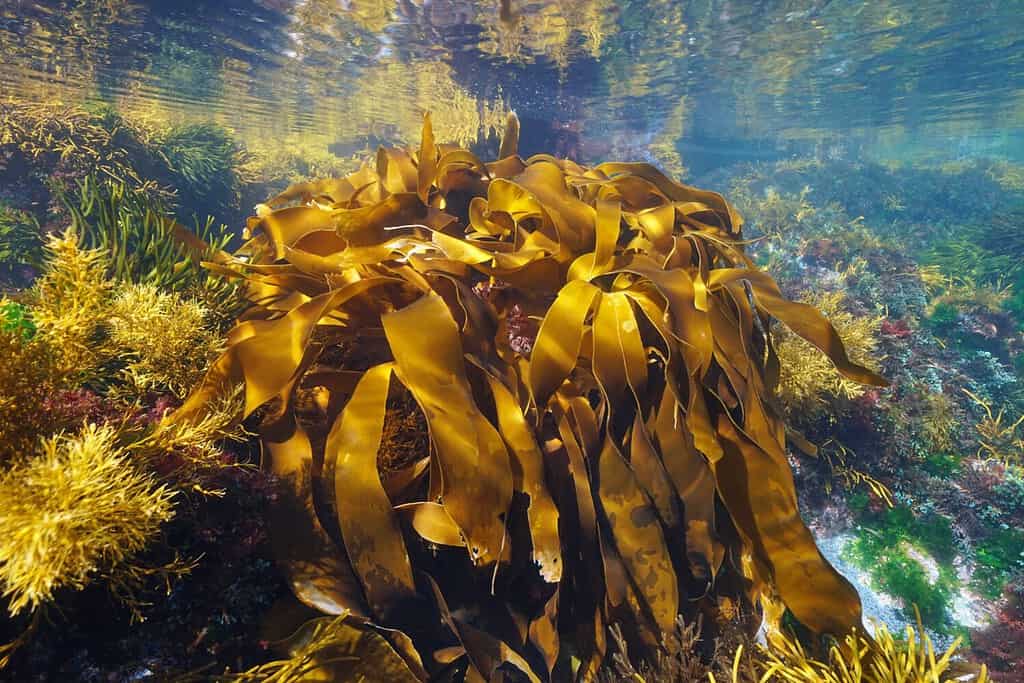
Golden kelp is highly sensitive to temperature changes and requires cold water to survive.
©Damsea/Shutterstock.com
Another resident of this biobank is Australia’s native seagrass. While golden kelp requires a holdfast, such as a rock or other hard surface, seagrass can grow entirely underwater. When mature, it must anchor its roots into soft sediment. Until that point, it can remain unattached. Deakin University already has evidence that this method works for aquatic plant life.
In 2023, the team successfully placed golden kelp in Port Phillip Bay marine sanctuaries. The goal was to replace dead kelp that was killed by overgrazing and Australia’s most recent heatwave. As a result, these transplants have thrived at their restoration sites. But plants aren’t the only living organisms awaiting their turn at the biobanks.
Living Tissue and Backup Marine Life
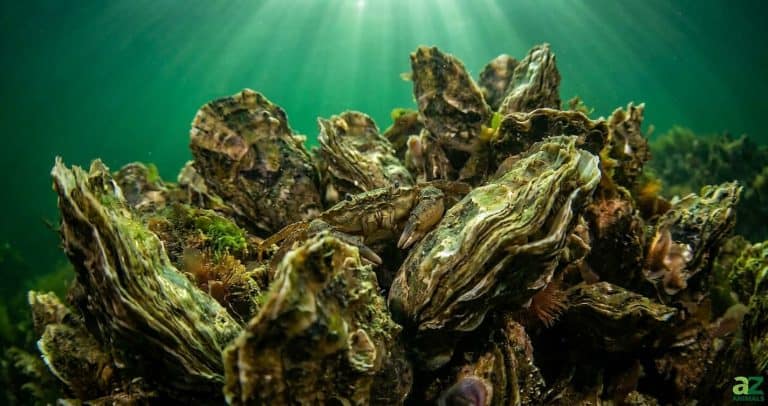
In another room, full-sized aquarium tanks house many native flat oysters. Many of Australia’s coral reefs are home to its most essential ecosystems, including flat oyster species. Rising temperatures have destroyed many of these habitats, triggering a domino effect for their inhabitants. As a result, Australian shellfish reef ecosystems have been assessed as Critically Endangered under the IUCN Red List, with less than 1% of flat oyster reefs remaining today. Deakin University’s biobanks are just one way Australia is helping to “reboot” the species. The flat oysters kept in these tanks can be transplanted to any healthy environment, with the hope that they’ll continue to grow and thrive. If they do, there is hope for the species.
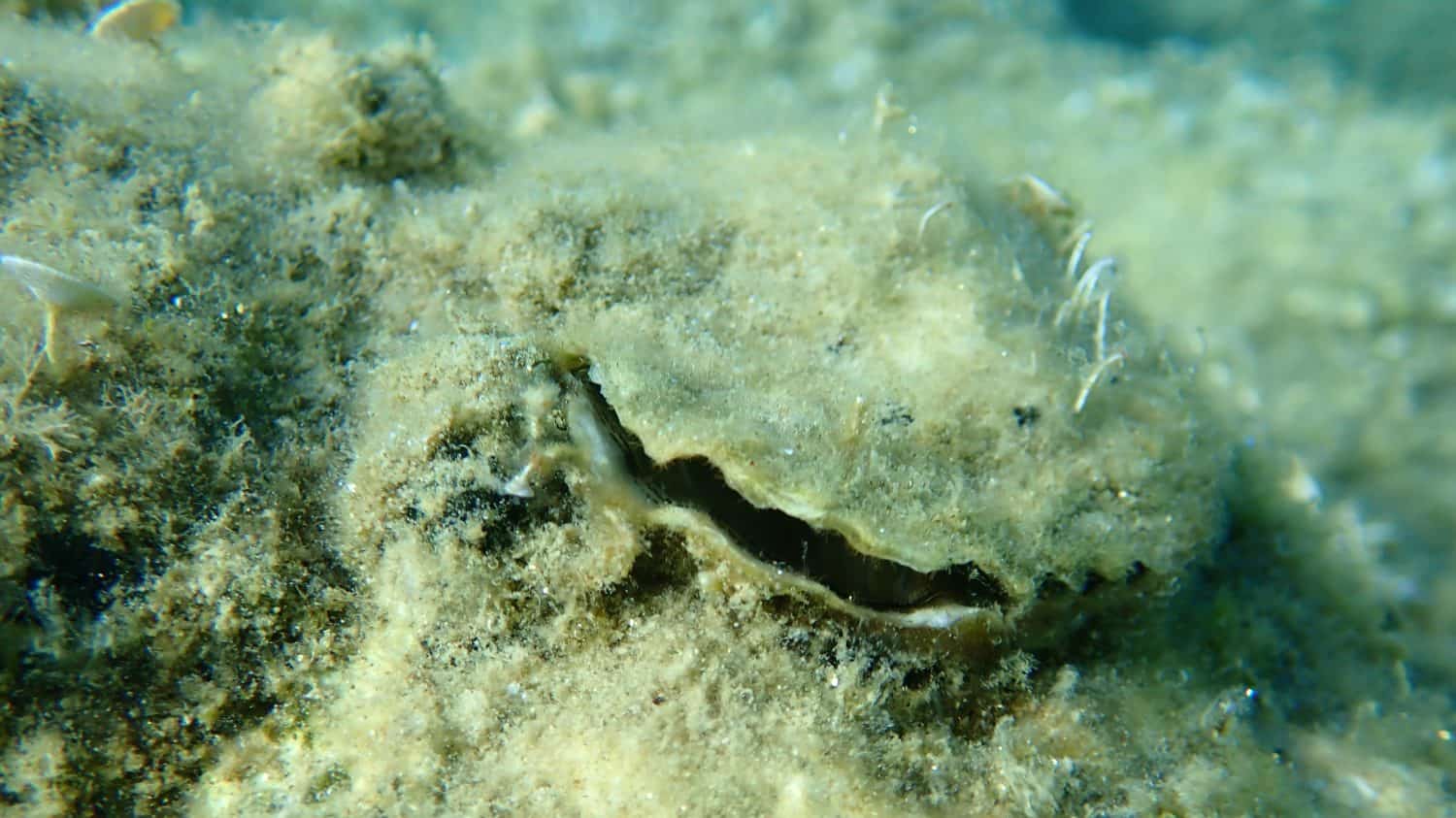
Australia’s native flat oysters are part of an ecosystem that has already been declared endangered.
©Alexey Masliy/Shutterstock.com
Mammal tissue samples are also stored in other areas of the lab. This holds the DNA necessary to restart a threatened species. This genetic bank will act as a failsafe in the event of population decline, with the goal to resurrect a dying breed. The work of Deakin University’s “living library” could be a gamechanger for the country’s marine ecosystems. If more transplants prove as successful as golden kelp, they could even become a standard practice.
How Biobanks Can Fight a Changing Climate
The next goal of Deakin University researchers is to restore a dying seagrass population. This is a crucial food source, breeding grounds, and shelter for many of Australia’s estuarine species, including native oysters. However, it remains vulnerable to climate change and dredging. Not only is Deakin University bringing marine life back from the brink, but it’s also creating new homes for the species it breeds.
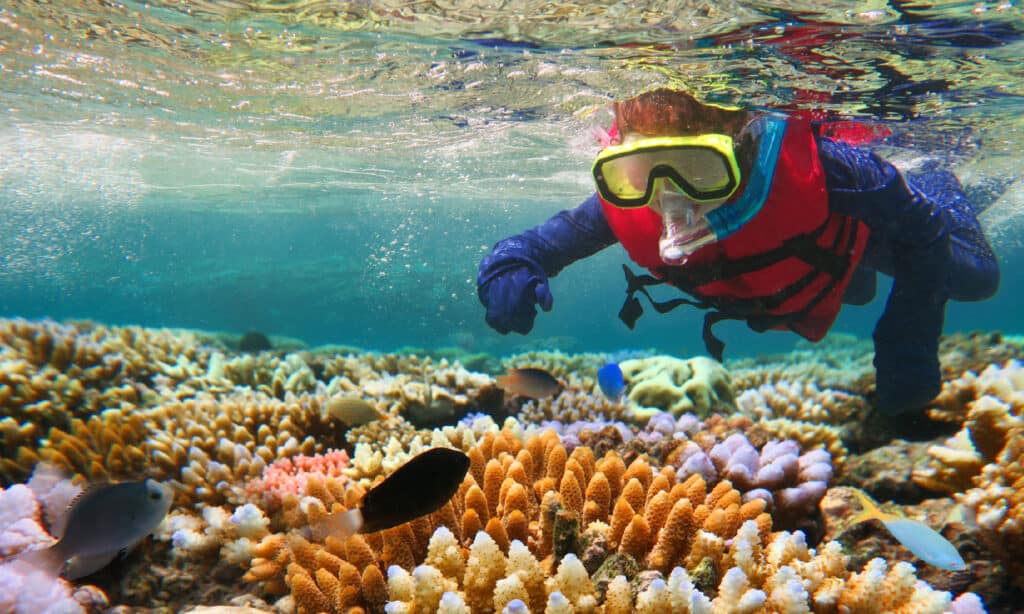
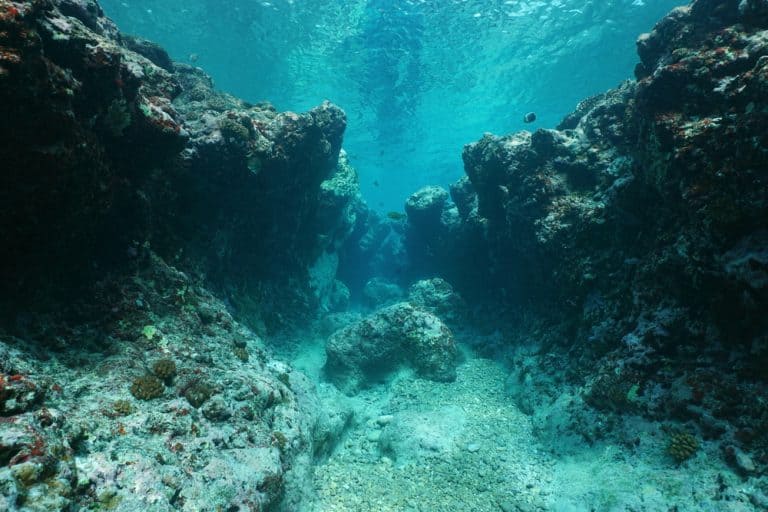
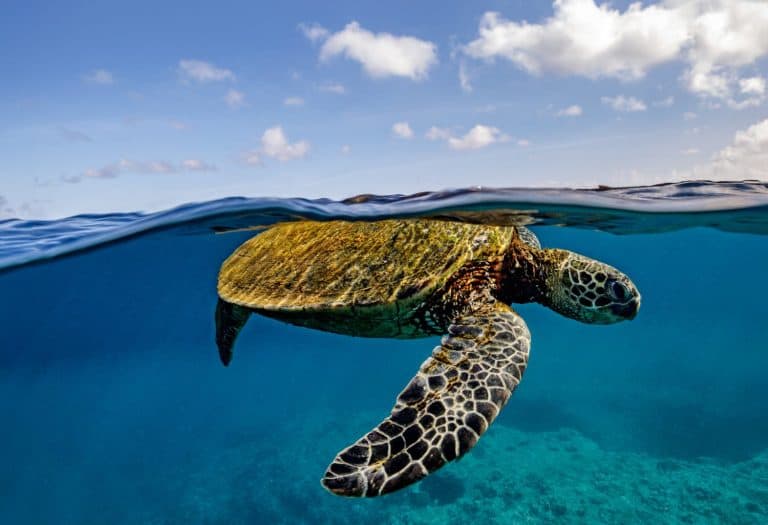
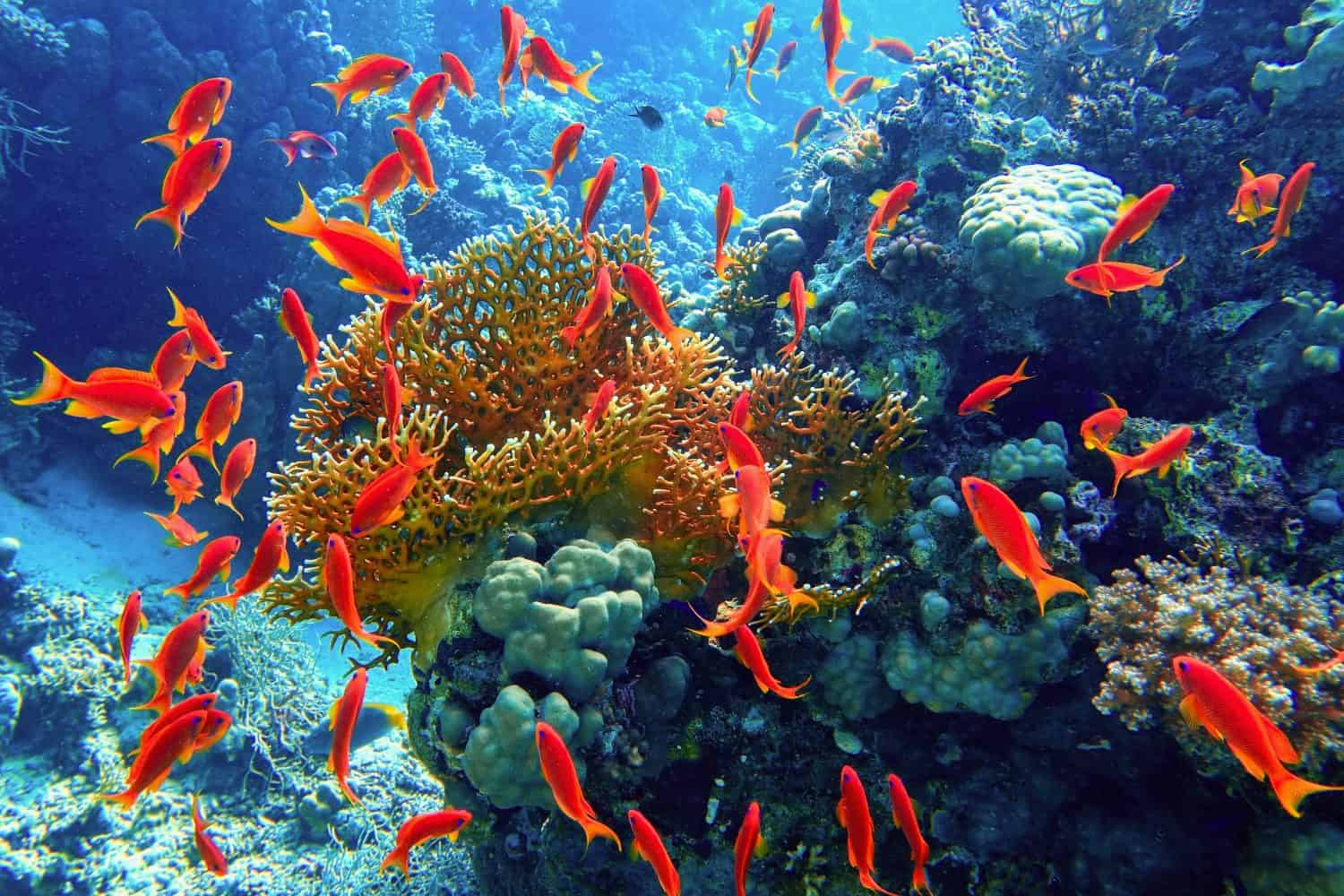
Biobanks worldwide are helping to reestablish plant and marine life that would otherwise have succumbed to climate change.
©iStock.com/chameleonseye
By 2026, researchers hope to establish more than the 984 feet (approximately) of seagrass they’ve already planted. If successful, this could change the survival rate of some of the most vulnerable marine life living in intertidal zones. On a larger scale, Australia is now a trailblazer for biobanks. This work is being shared worldwide so that other countries can have a chance at saving their own biomes. Currently, the U.S. is home to the San Diego Zoo Wildlife Alliance’s Frozen Zoo, which is the largest of any containing living wildlife genetic material. South Africa, Brazil, Australia, Japan, India, China, the UK, and several other European nations have also followed suit.