
Quick Take
- Arctic foxes use a hunting technique that works through several feet of solid snow. See the pouncing technique →
- These foxes deliberately shadow one of the Arctic's most dangerous predators, and this behavior is a calculated strategy rather than a death wish. Explore the polar bear strategy →
- Arctic foxes hold a reproduction record among all wild canids. See the litter size record →
- The Arctic fox's paws have a built-in anti-frostbite mechanism that works on an engineering principle. Discover the heat exchange system →
The Arctic fox (Vulpes lagopus), also known as the white fox or polar fox, is one of the most resilient predators on the planet. Small, hardy, and incredibly well-adapted, these animals have carved out a life in some of the most unforgiving environments on Earth. From the frozen tundras of Alaska to the icy shores of Iceland, the Arctic fox is a symbol of survival against the odds.
Habitat and Distribution
Arctic foxes have a circumpolar range, meaning they are found throughout the northernmost reaches of the globe. You can find them in Northern Europe, Asia, and North America. Interestingly, they are the only land mammal native to Iceland, having arrived during the last ice age by crossing frozen sea. While they primarily stick to the mainland, they are also known to travel hundreds of miles across sea ice in search of food.
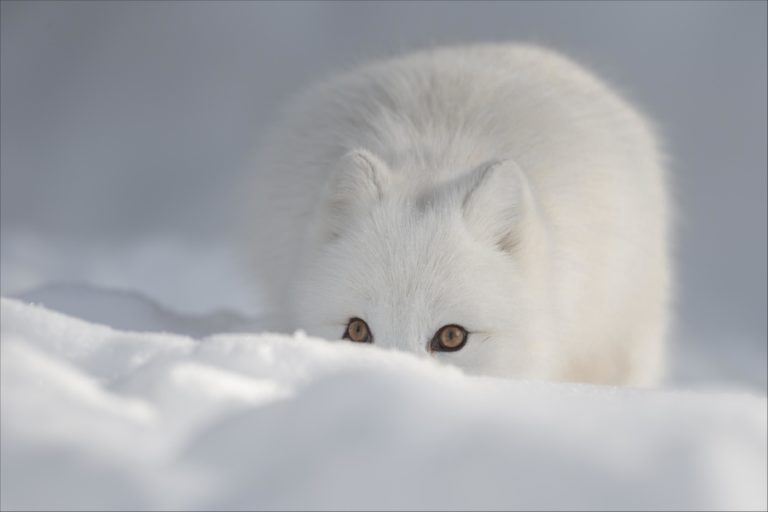
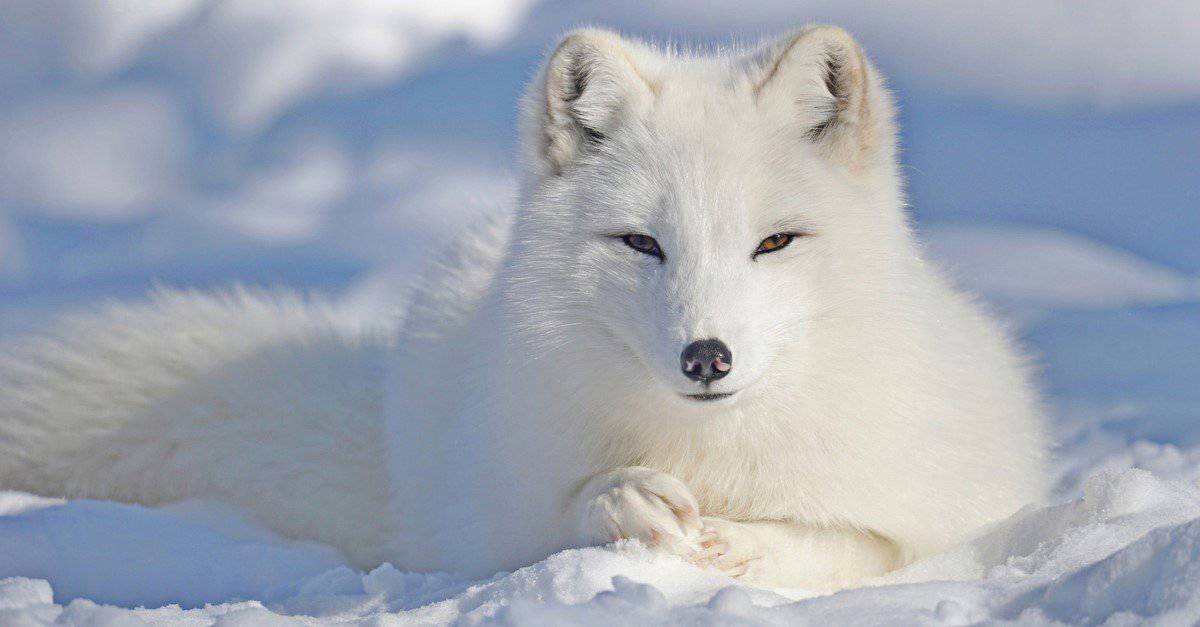
These foxes are built for the cold. Their thick, multilayered fur provides remarkable insulation, keeping them comfortable at temperatures as low as -58°F and allowing them to withstand temperatures as low as -94°F before they even begin to shiver. In the winter, their coat is a striking snowy white, which helps them blend into the snow. As the seasons change, they shed this fur for a brown or grayish coat to match the rocky tundra. This color-changing ability is a key adaptation for avoiding predators like wolves and golden eagles.
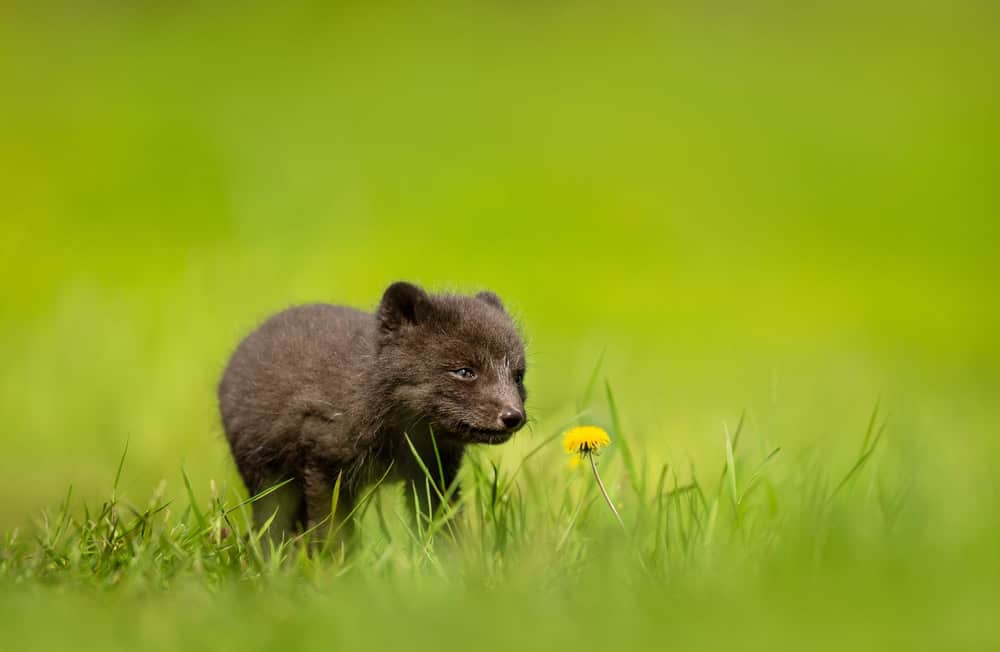
Arctic foxes sometimes hide food in their dens during the summer to prepare for winter.
©Giedriius/Shutterstock.com
Diet and Hunting Behavior
Despite their cute appearance, Arctic foxes are highly efficient hunters. They are primary carnivores, though they are also opportunistic scavengers. Their main food source is the lemming, a small rodent species. A single fox family can consume dozens of lemmings in a single day. When lemmings are scarce, they will eat voles, ground squirrels, and even birds.
One of the most fascinating behaviors to watch is their “mousing” technique. When a fox detects prey beneath the snow using its keen sense of hearing, it leaps high into the air and dives headfirst into the drift. This pouncing maneuver is effective even when the snow is several feet deep. During the summer months, Arctic foxes also broaden their diet considerably, supplementing meat with Arctic willow, berries, seaweed, and eggs when small mammals are harder to find.
Reproduction and Life Cycle
The breeding season for Arctic foxes usually begins in early spring, typically around March or April. These animals are generally monogamous meaning they will stay with the same mate for a breeding season, often pairing again year after year. They live in large, complex underground dens that have been passed down through generations. Some of these “fox mansions” are over 100 years old and have dozens of entrances.
A litter of kits (baby foxes) usually consists of 5 to 9 kits, though litters of a dozen or more are not unusual. Arctic foxes have one of the largest average litter sizes of any wild canid, and the species currently holds the record for the largest litter of any wild mammal (with litters of up to 22 being reported). Kits are born blind and helpless, requiring constant care from both parents. By around 16 weeks of age, they are ready to begin hunting on their own. In the wild, Arctic foxes usually live only 3 to 6 years, though individuals occasionally reach 10 years or more despite the harsh conditions they face.
Behavior and Social Structure
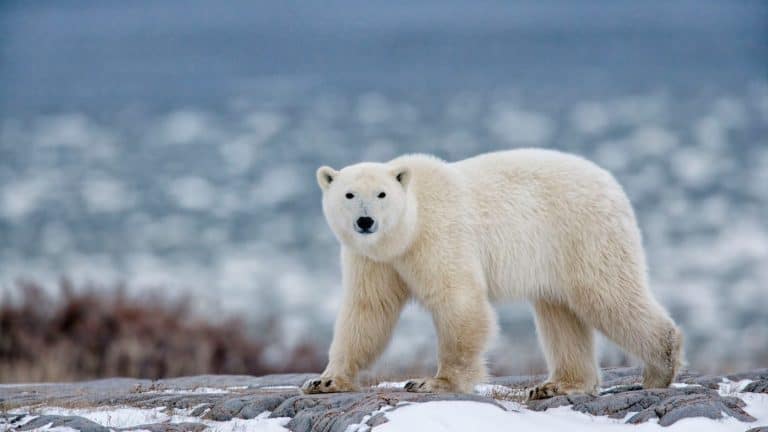
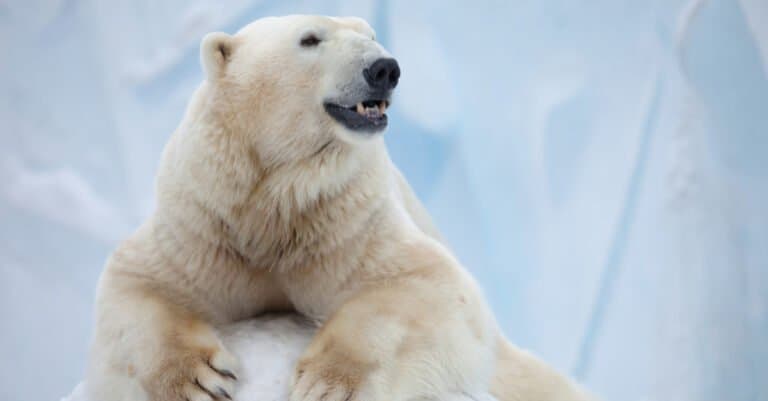
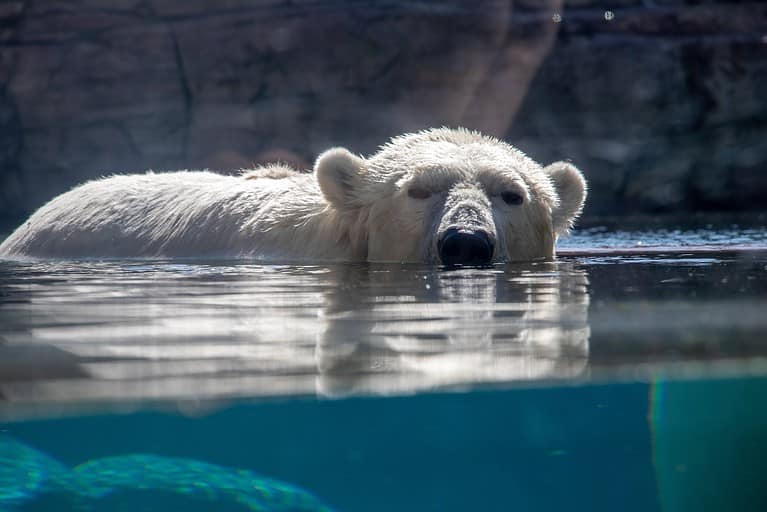
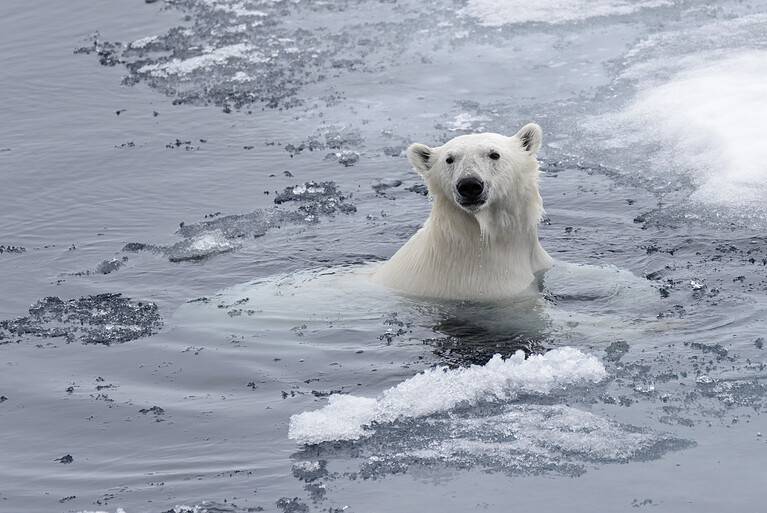
While they are often solitary hunters, Arctic foxes are not entirely antisocial. They are known to follow polar bears across the ice. This clever survival strategy is why Arctic foxes are called “facultative scavengers”: instead of always relying on the hunt, the fox waits for the bear to finish its meal—usually a seal—and then moves in to scavenge the remains. This relationship is a classic example of commensalism, where one species benefits (the fox) while the other (the bear) remains unaffected.
The foxes are also quite vocal, using a range of barks, shrieks, and howls to communicate with their mates or defend their territory. Because they are so small—weighing roughly the same as a large house cat—they must be wary of larger predators. Their primary defense is their speed and their ability to disappear into the landscape.
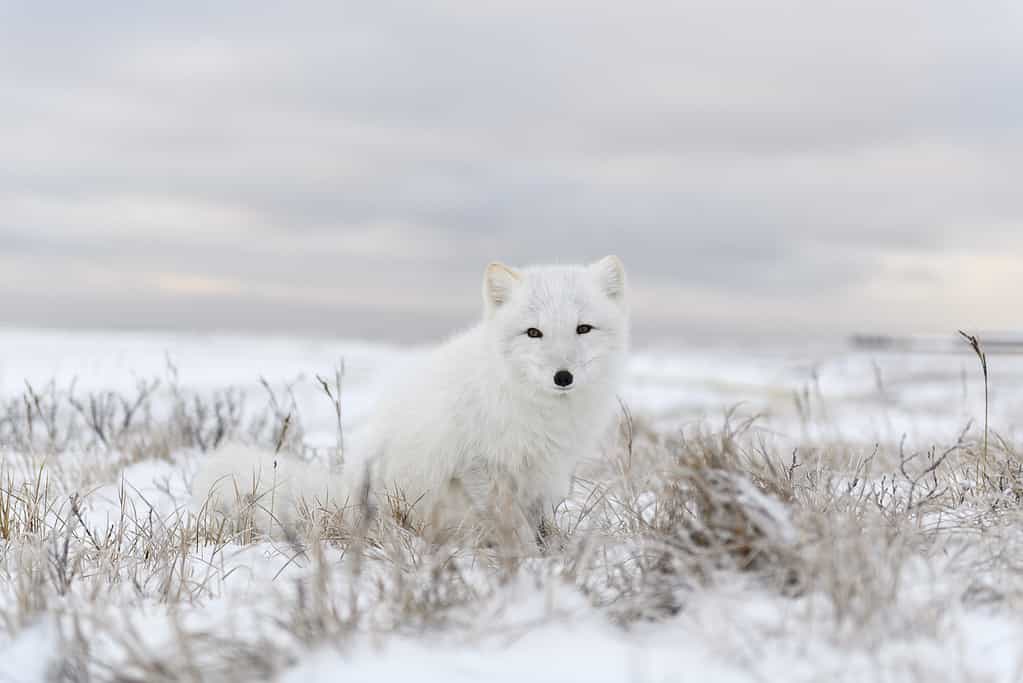
Arctic foxes can hold their core body temperature at about 100 degrees in freezing temperatures.
©iStock.com/Alexey_Seafarer
A Few Interesting Facts
- Heat Exchange: Arctic foxes have a specialized countercurrent heat exchange system in their paws, which prevents them from getting frostbite while standing on ice.
- Population Flux: Their population numbers are closely tied to lemming cycles. When lemming populations crash, fox numbers often fall the following year.
- The Blue Fox: Not all Arctic foxes turn white. Some have a “blue” gene, which results in a dark charcoal or bluish coat that remains dark year-round.
The Arctic fox is a testament to the beauty and toughness of nature. As the climate continues to change, their habitat is shifting, and they are increasingly finding themselves in competition with the larger red fox, which is moving further north. Protecting these incredible animals and the tundra they call home is essential for maintaining the balance of the Arctic ecosystem. With growing attention from conservationists, the hope is that these white wanderers will continue to thrive for centuries to come.