Quick Take
- Porcupines defend themselves with quills that detach on contact.
- Porcupines should never be handled, as quill injuries, bites, and infections can occur.
- Distance is the best defense. Observe from afar and let them move on.
I love a good viral video of a wild animal encounter—providing nobody gets hurt. Well, okay, full disclosure, I don’t mind so much if the human gets a little hurt, particularly as comeuppance for doing something ill-advised. Which is exactly what happens in THIS VIDEO. If you play dumb games, you win dumb prizes, right? But in all honesty, I’m glad the guy wasn’t seriously hurt (even though he kind of deserves it…).
Videos like this one are often funny, surprising, or sometimes shocking, but they can also teach us serious lessons about animal behavior, safety, and how to coexist responsibly with the natural world. This video of a run-in with a porcupine is a perfect example. The animal might seem quirky or even “cute,” but the science behind its defenses—and the real dangers of mishandling wild animals—is anything but silly.
Let’s not allow the bite this brazen man sustained to be in vain. Let’s use it as an opportunity to explore the biology and behavior of porcupines, explain why they shouldn’t be handled (lest we have to learn the lesson the way the man in the video did), and break down the potential risks for both humans and animals.
What Happened in the Video
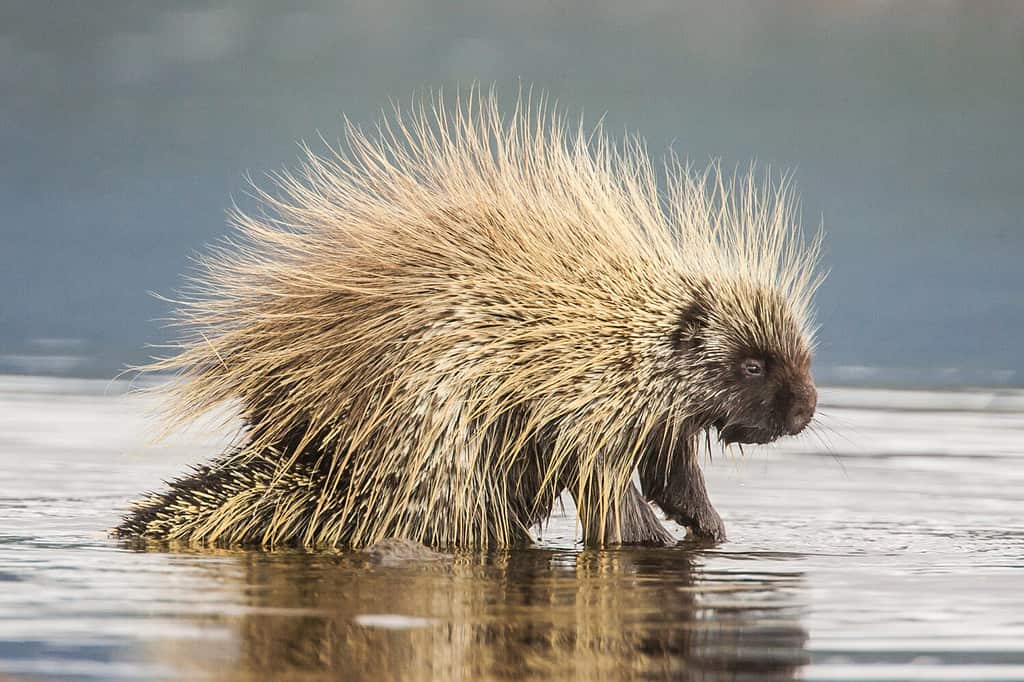
Porcupines are not naturally aggressive, but they will attack if provoked.
©Jukka Jantunen/Shutterstock.com
In case you were unable to watch the video, here’s a quick recap: A man comes into close contact with a porcupine, apparently without realizing how dangerous proximity to these animals can be. In an attempt to impress a group of mostly off-camera onlookers, he picks up the porcupine by the tail. The animal appears relatively docile at first; an off-screen child even gushes about how cute it is. Almost as if on cue, the porcupine stops being cute and springs into defense mode, resulting in the man screaming in horror—attacked either by quills, a bite, or both (the title of the video calls it a bite, but it looks more like a good old-fashioned quilling).
This response is neither unusual nor uncharacteristically aggressive. Porcupines do not chase, hunt, or seek out conflict. When they feel cornered, threatened, or handled—like, for example, if a giant man picks them up by the tail—they rely on their natural defense. And what a defense that is (as my childhood dog Moxie could tell you, who came home with a snout full of porcupine quills at least twice a year). In this case, the animal likely perceived the man as a predator and responded the way anyone would if they were lifted off the ground without their consent: by defending itself.
Meet the North American Porcupine
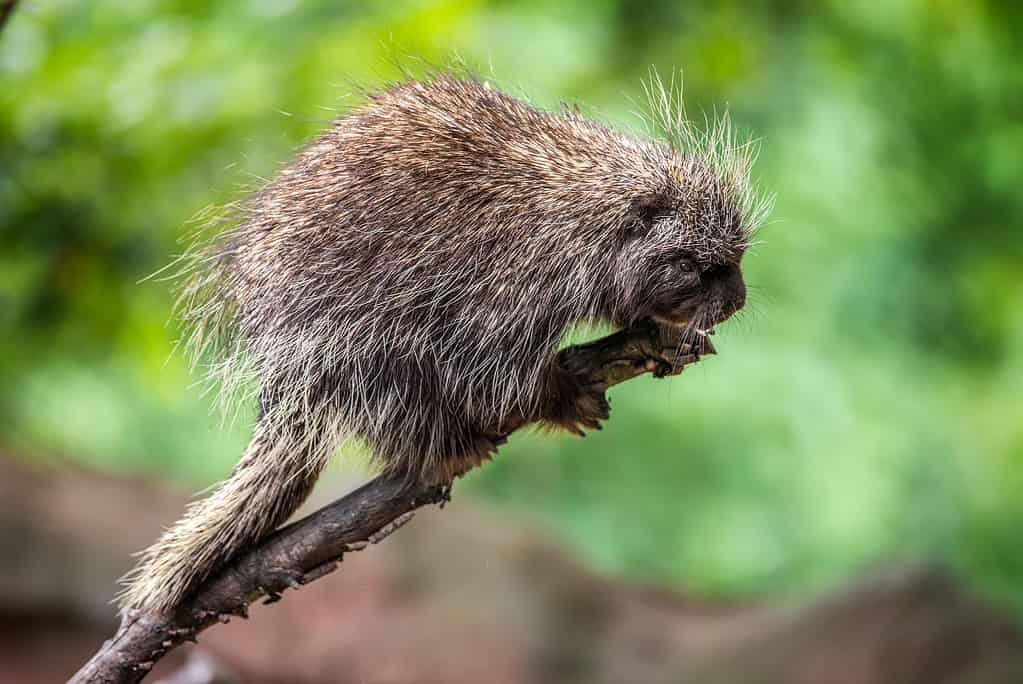
Porcupines spend a lot of their time in trees nibbling on bark and leaves.
©miroslav_1/iStock via Getty Images
The animal involved is almost certainly a North American porcupine, one of the largest rodents found on the continent. Despite their prickly appearance, porcupines are generally quiet, slow-moving, and—if left alone—non-confrontational animals.
Adult porcupines typically measure about 2 to 3 feet long, with an additional 8 to 10 inches of tail. They usually weigh between 12 and 35 pounds. As for their most interesting feature, a single porcupine can carry tens of thousands of quills across its back, sides, and tail. So it can afford to lose a few on foolish individuals who try to pick them up.
Porcupines are herbivores. They eat leaves, twigs, bark, roots, and berries, and they spend much of their time climbing trees or foraging on the ground. They are most active at night and tend to avoid humans whenever possible. And if one were to judge by the behavior of the man in the video, it’s hard to blame them.
How Porcupine Quills Actually Work
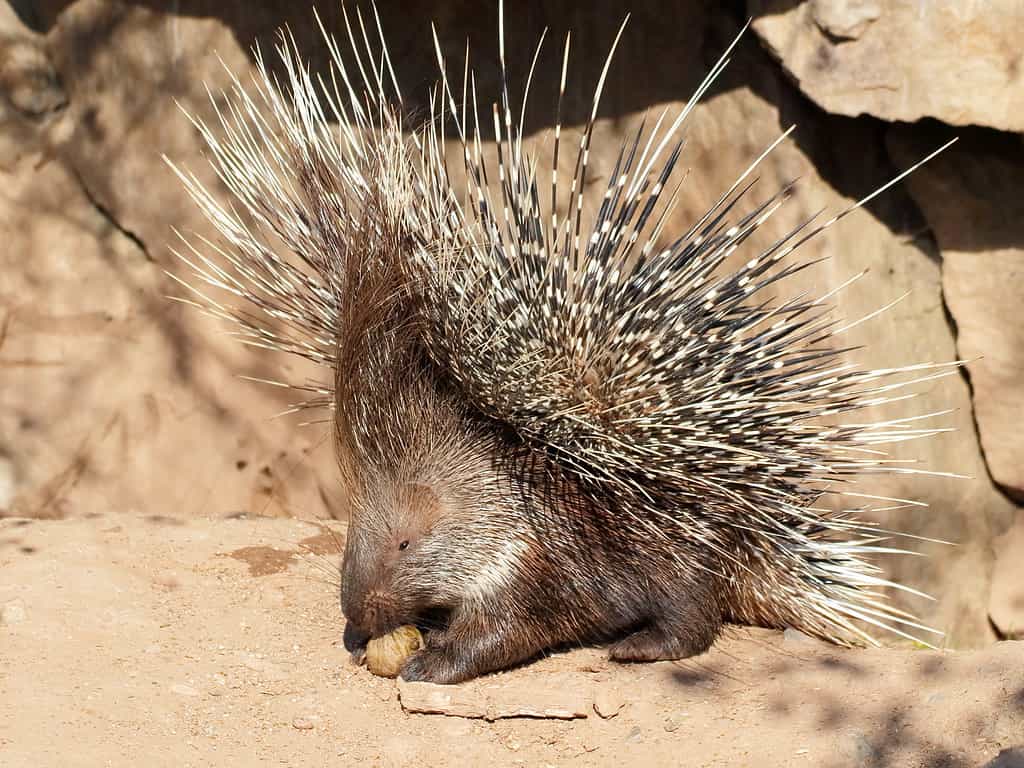
Contrary to popular belief, porcupines do not “shoot” their quills.
©Pavel Kovacs/Shutterstock.com
While the image of a porcupine shooting quills at predators like blow darts is super cool, the notion that porcupines can shoot their quills is actually a myth—quite a persistent one. They can’t do this. Quills are released only through direct contact.
Each quill is a modified hair made of keratin (the same material as fingernails). What makes them especially effective is their structure:
- The tips are sharp.
- Tiny backward-facing barbs allow the quills to slide easily into skin.
- Once embedded, those barbs make the quills difficult and painful to remove.
When a porcupine feels threatened, it raises its quills and may turn its back toward the danger. If contact occurs—whether from a hand, a leg, or my childhood dog Moxie’s curious face—the quills detach and remain in the attacker’s skin.
This defense works just as well on humans as it does on natural predators.
Why You Should Never Handle a Porcupine
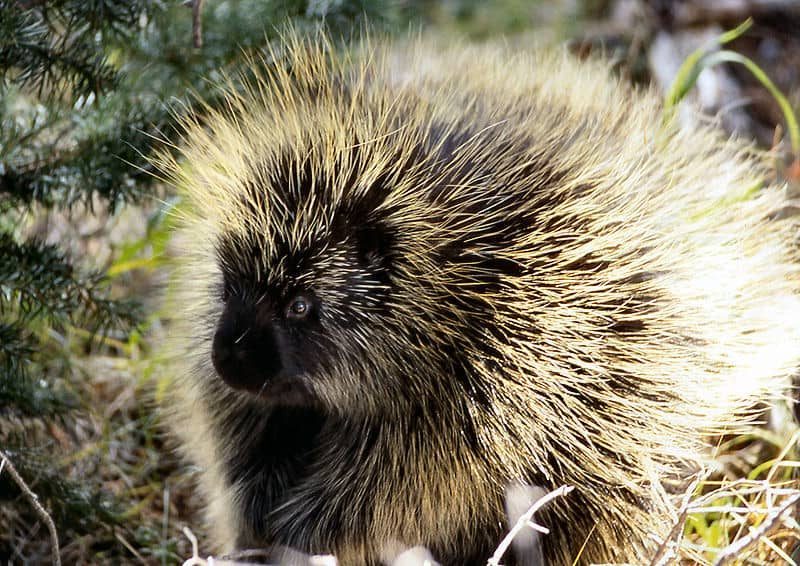
It may seem obvious but it bears reminding: do not EVER handle a porcupine.
©National Park Service – Public Domain
It seems crazy that I should have to write a PSA telling people why they should never handle a porcupine, but as we’ve just seen, never underestimate the craziness of humans. The video illustrates a mistake many people make: assuming that a calm or slow-moving animal is safe to touch. That assumption can lead to serious injury. Risks specific to porcupines include:
1. Quill Injuries Are Worse Than They Look
A quill wound isn’t just a surface poke. Quills can:
- Embed deeply in muscle tissue
- Break under the skin
- Continue moving inward as muscles contract
If quills aren’t removed promptly and properly, they can cause infections, abscesses, and long-term complications.
2. Bites Are Rare but Dangerous
Porcupines don’t bite often, but they can if restrained or handled. Like all rodents, they have strong, sharp incisors designed for gnawing wood. A bite can cause:
- Deep puncture wounds
- Significant tissue damage
- High risk of bacterial infection
3. Disease Risks
Porcupines are not among the animals most commonly associated with rabies, but any bite from a wild mammal should be taken seriously. Rabies exposure is rare but severe, and medical professionals generally recommend evaluation after any wildlife bite.
Aside from rabies, bacteria introduced by teeth or quills can cause serious infections if left untreated.
4. Stress and Harm to the Animal
Handling or cornering a porcupine is stressful for the animal and can lead to unnecessary injury on both sides. It’s important to remember: wild animals are not equipped to understand human intentions. It doesn’t know you are harmless; it will perceive you as a threat.
What Have We Learned?
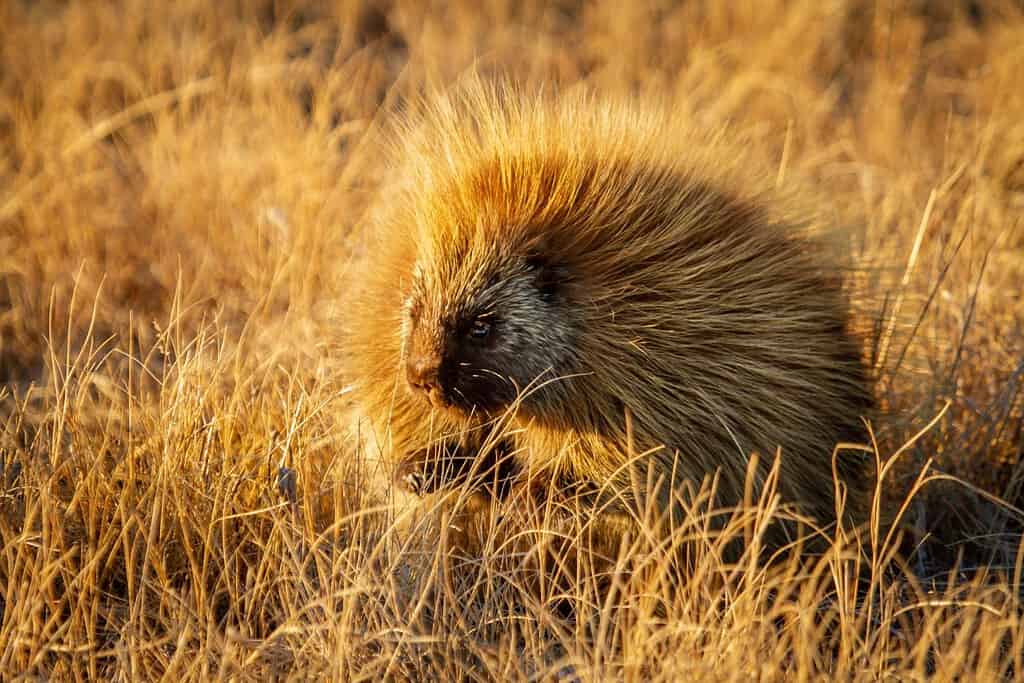
As with most wildlife, the safest way to observe a porcupine is from a distance.
©Dennis Laughlin/Shutterstock.com
I’ve been giving the guy in the video a hard time, but he didn’t set out to be reckless. Regardless, the outcome shows how quickly things can go wrong.
Lesson 1: Wild Animals Don’t Need to Be “Aggressive” to Be Dangerous
Porcupines defend themselves passively. They don’t chase or attack—but their defenses are extremely effective when contact occurs.
Lesson 2: Curiosity Is Not a Safety Plan
Getting closer “just to look” or “just to help” can escalate a situation. Wildlife professionals train extensively and use protective equipment for a reason.
Lesson 3: Distance Is the Best Defense
The safest way to interact with porcupines—and most wildlife—is to observe them from afar and let them move on at their own pace.
Lesson 4: Accidents Are Preventable
Many wildlife injuries happen simply because people underestimate risk. Education and awareness go a long way toward preventing encounters with bad outcomes.
If You Do Encounter a Porcupine
- Give it space.
- Do not try to touch, move, or “help” it unless you are trained and authorized.
- Keep pets away—dogs are especially vulnerable to quill injuries.
- If you or a pet are injured, seek medical or veterinary care promptly.
A Sharp Reminder from Nature
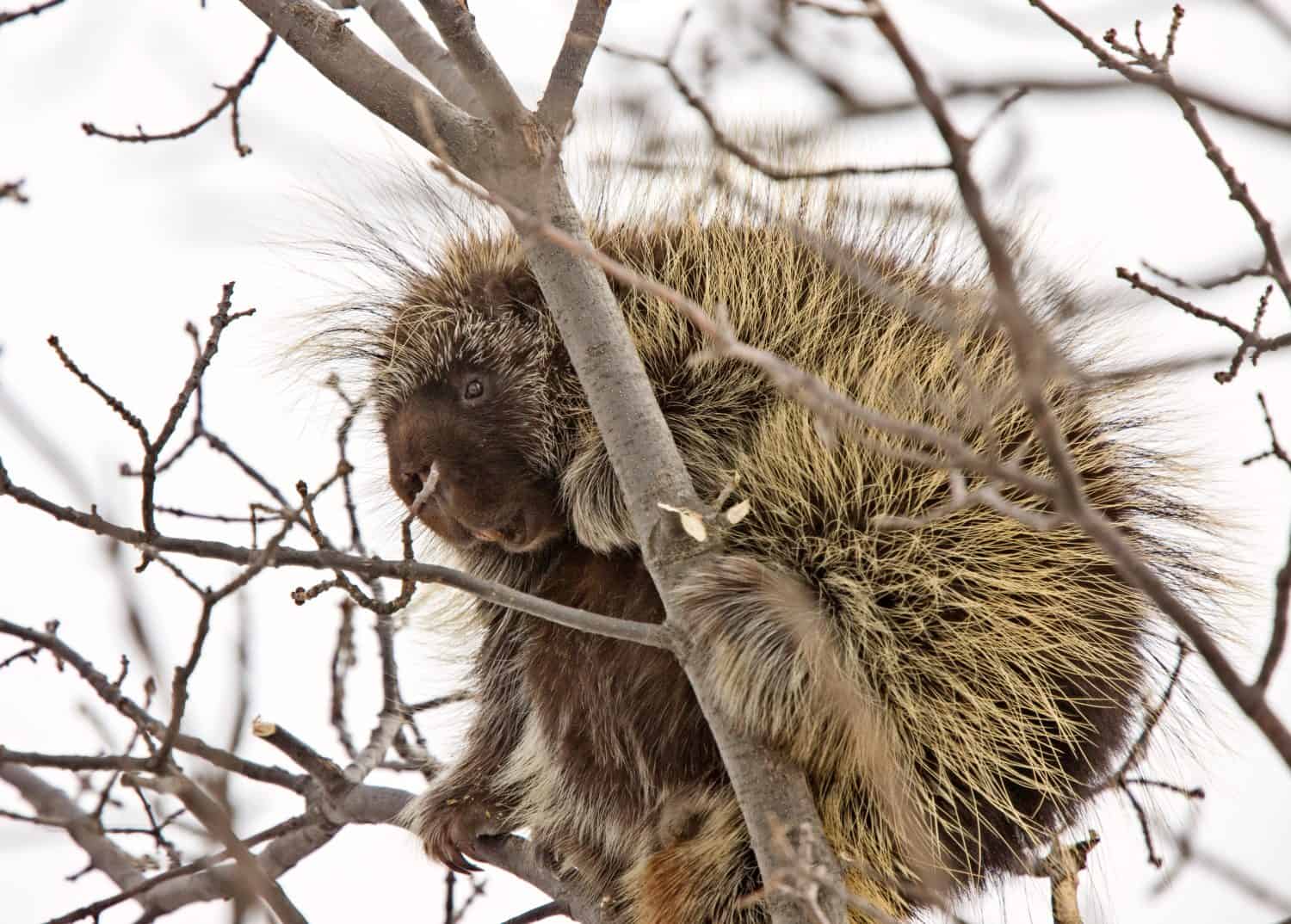
©Pictureguy/Shutterstock.com
The porcupine encounter in this video is amusing, but it wasn’t so amusing to the man when he got attacked, and it certainly wasn’t amusing to the porcupine. Wild animals don’t need to be large, fast, or aggressive to cause harm. Sometimes, all it takes is a misunderstanding. Combine a misunderstanding with a body covered in barbed quills and things are likely to end very poorly.
Porcupines aren’t villains, and the person involved isn’t a cartoon fool. It’s simply a case of humans and wildlife crossing paths without enough distance or understanding. The lesson is clear: respect nature’s boundaries, and you’re far less likely to learn them the hard way. Not only that, you won’t end up looking foolish on a YouTube channel with millions of subscribers…