
Quick Take
- Obligate kleptoparasites achieve survival by meeting a strict 100% dependency requirement on stolen resources.
- The “facultative” label identifies a resource problem that occurs when hunting efforts fail 1 metabolic threshold.
- Kleptoparasitism provides a counterintuitive result where theft outperforms traditional foraging methods.
- Frigatebirds engage in harassment during the foraging phase to explain why theft is a necessity.
To survive in the harsh wild, many animals turn to drastic measures for food. An example of this is a feeding strategy known as kleptoparasitism. While the word contains “parasite,” it actually refers to the stealing of another animal’s food. This YouTube short by @Expeditions shows a frigatebird stealing food out of the mouth of another bird. It is a tense situation in which each bird is fighting for the nutrients it needs. Read here to learn more about kleptoparasitism.

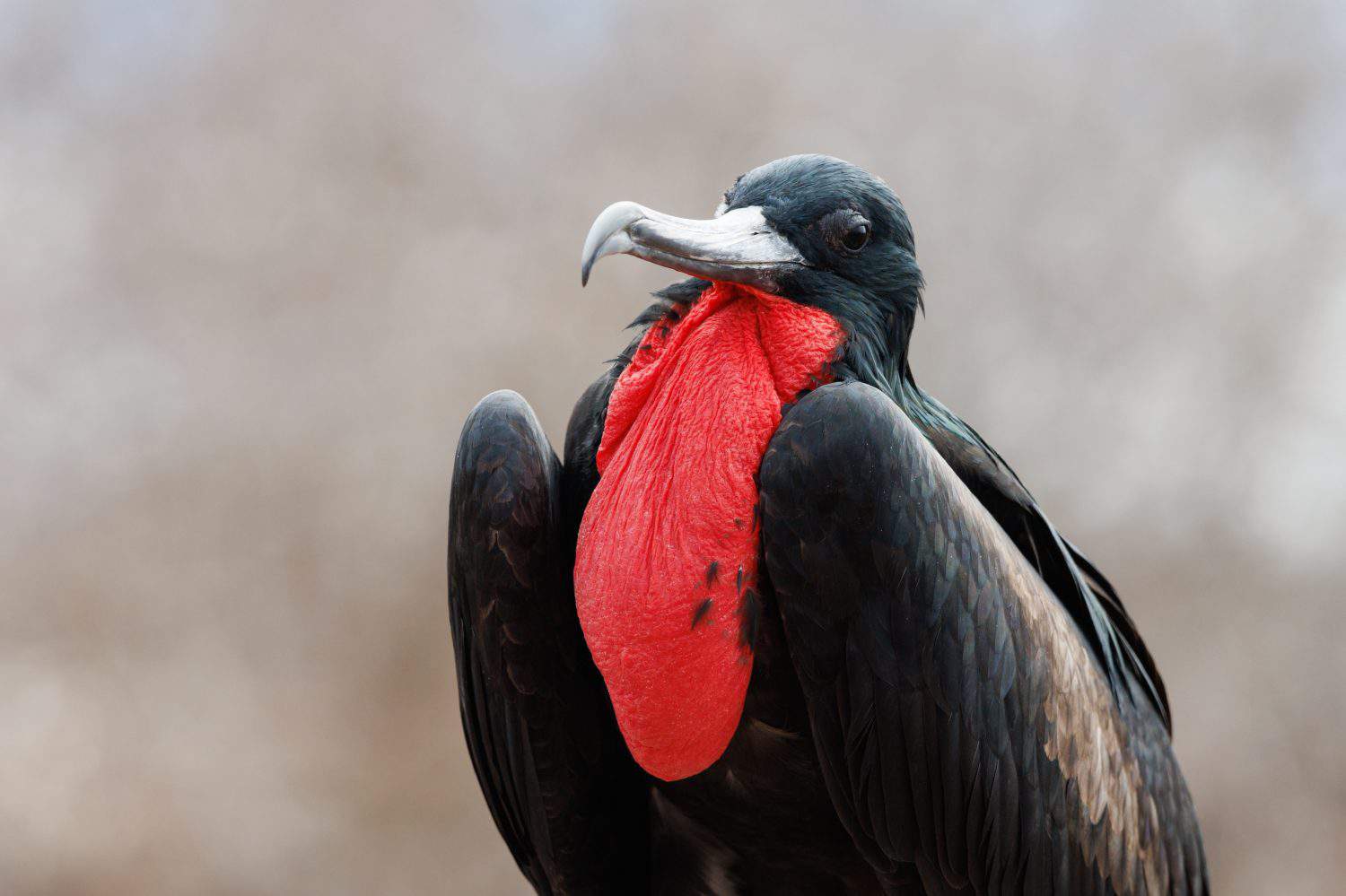
Frigatebirds are a primary example of birds that engage in kleptoparasitism.
©Uwe Bergwitz/Shutterstock.com
What Is Kleptoparasitism?
Kleptoparasitism, when broken down to its roots, is a relatively easy concept to understand. The Greek root ‘klepto,’ meaning “to steal,” and the word “parasite” provide context for what the behavior entails. Kleptoparasitism is a feeding strategy in which one animal steals food or resources from another animal that has already caught or collected them. Instead of collecting their own resources, animals that engage in this behavior take the easier but less considerate route.
There are many reasons why animals may do this. For one thing, it saves energy. Hunting and foraging, especially when chasing prey, take up time and energy. If this energy is used unwisely, it can be detrimental to the animal’s health and safety. So when times are tough, especially in areas where prey and resources are scarce, stealing may be the better option. Kleptoparasites are divided into two types: facultative and obligate. Facultative kleptoparasites are animals that steal when the opportunity arises but can also collect their own resources. Obligate kleptoparasites are animals that depend heavily on stealing for food; however, they are rare.
Animals That Use Kleptoparasitism
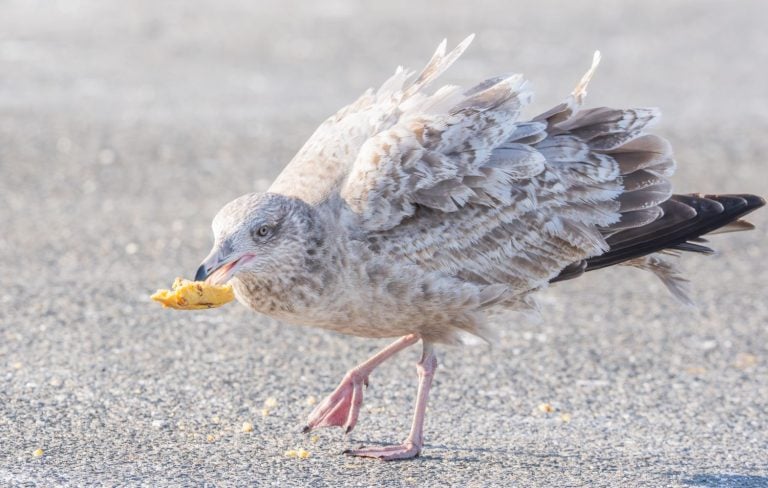
Kleptoparasitism occurs throughout the animal kingdom. As shown in the video above, frigatebirds are common examples. They harass other birds, forcing them to drop or even regurgitate their food. Seagulls, notorious for ruining beach picnics, are technically kleptoparasites as well! Hyenas are well-known mammalian kleptoparasites, frequently stealing food from other predators such as lions. Among insects and arachnids, ants and some spiders also exhibit kleptoparasitic behavior. All in all, a wide variety of animals steal for their own survival, which is another example of the harsh realities of life in the wild.