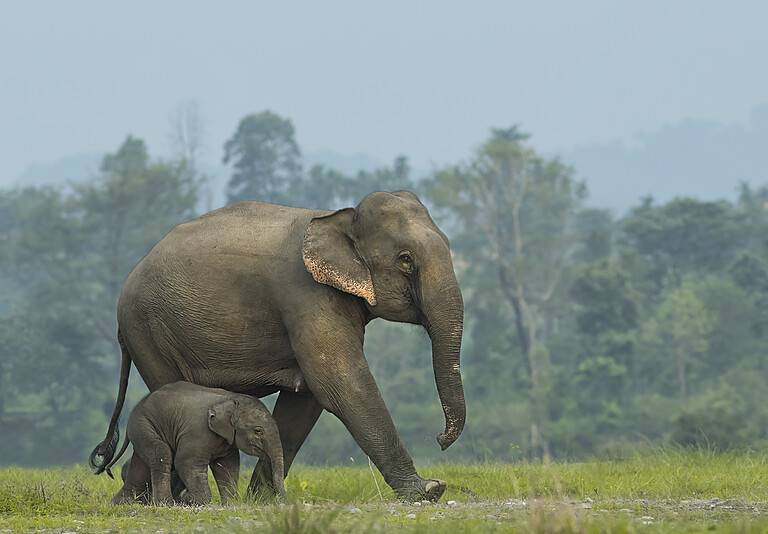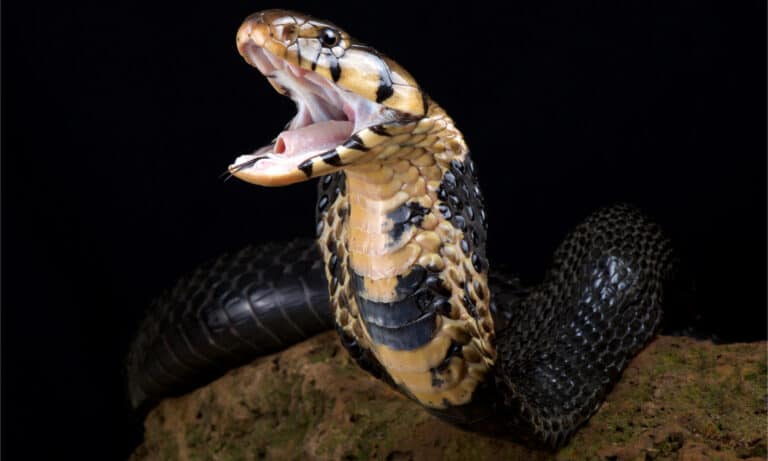

Quick Take
- A meta-analysis combined about 30 years of wildlife studies to examine how animals respond to human activity.
- Animals usually show stronger fear responses in areas with hunting or lethal human activity.
- Animal reactions to non-lethal recreation, such as hiking, are more varied.
- Some wildlife populations gradually habituate to predictable human presence. This can create new dangers for wildlife, including dependency on food.
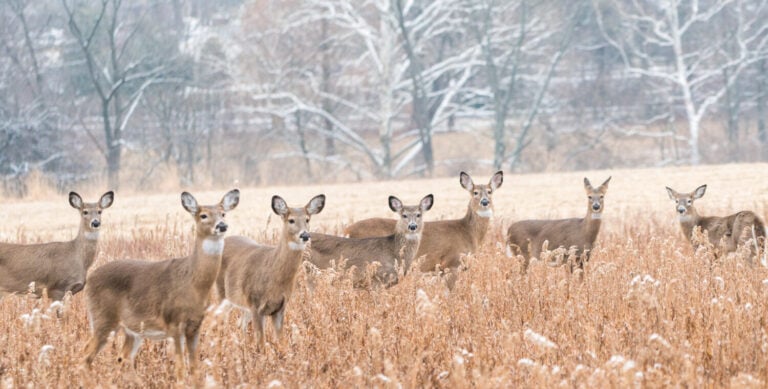
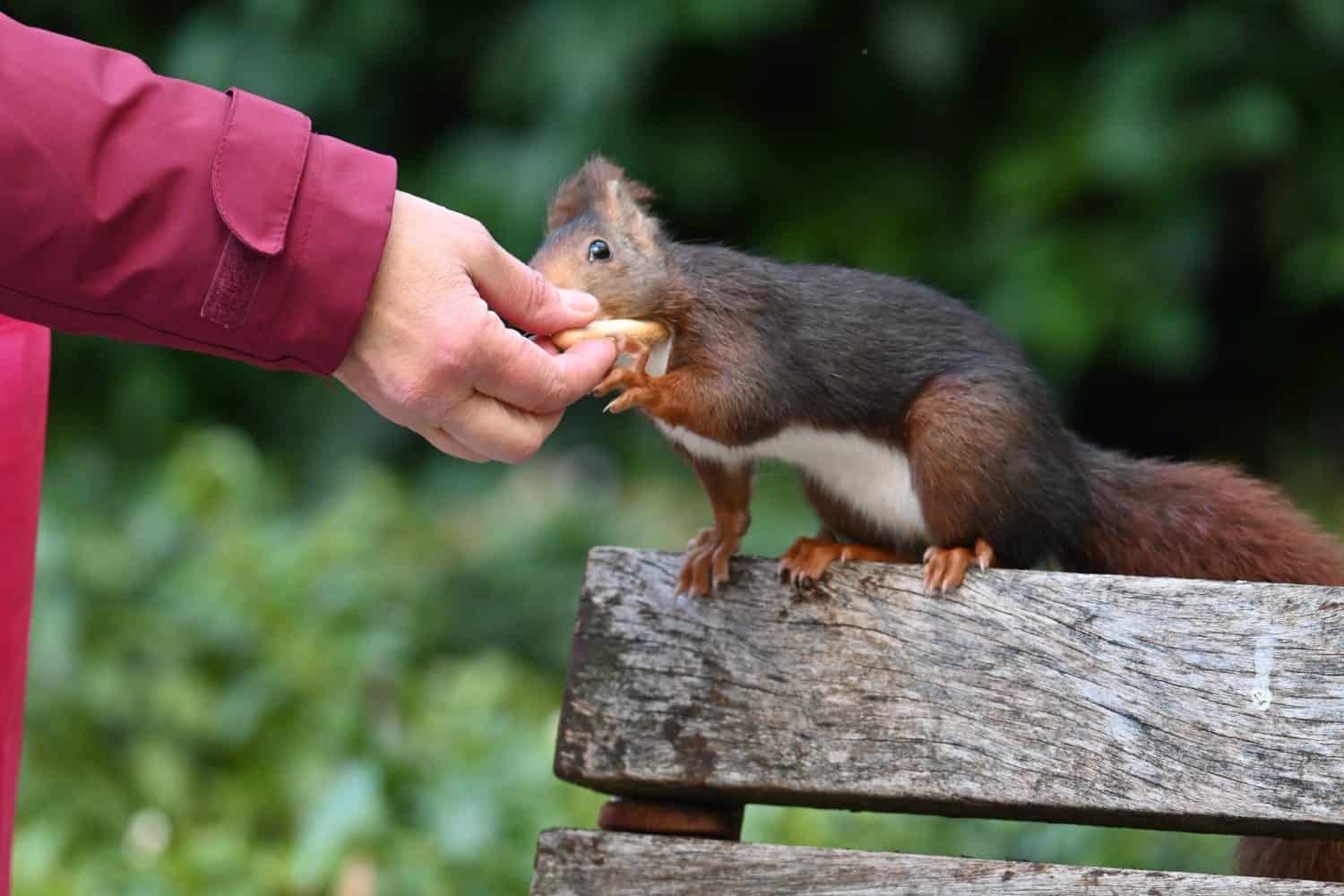
Why is it that a squirrel may calmly take food from a picnic table while a deer runs as if its life depends on it at the snap of a twig? For years, ecologists have asked whether animals always treat humans as dangerous predators or whether their responses change over time. A recent meta-analysis combining nearly 3 decades of research shows that the answer depends on context. By examining feeding behavior, vigilance, and movement, scientists gained insight into when wildlife becomes accustomed to human presence and when fear persists.
The study suggests that animals often judge risk based on human behavior. Activities that harm animals usually trigger stronger avoidance, while predictable and non-harmful human activity can lead some wildlife to relax. These responses reveal how flexible animal behavior can be. They also remind people that everyday outdoor behavior still affects wildlife survival.
Research Approach and Data Sources
A meta-analysis published in Ecology Letters in December 2025 combined the results of about 30 years of wildlife research. Scientists gathered behavioral data from many species across different environments, including forests, grasslands, and coastal ecosystems. The analysis focused on three behaviors that signal how animals perceive risk: feeding activity, vigilance, and movement patterns.
Researchers compared wildlife responses across several types of human influence. These included lethal activities such as hunting or fishing, active but non-lethal activities like hiking or tourism, and passive human presence from roads or buildings. The meta-analysis allowed scientists to combine statistical results from many studies and identify patterns that individual studies might not reveal.
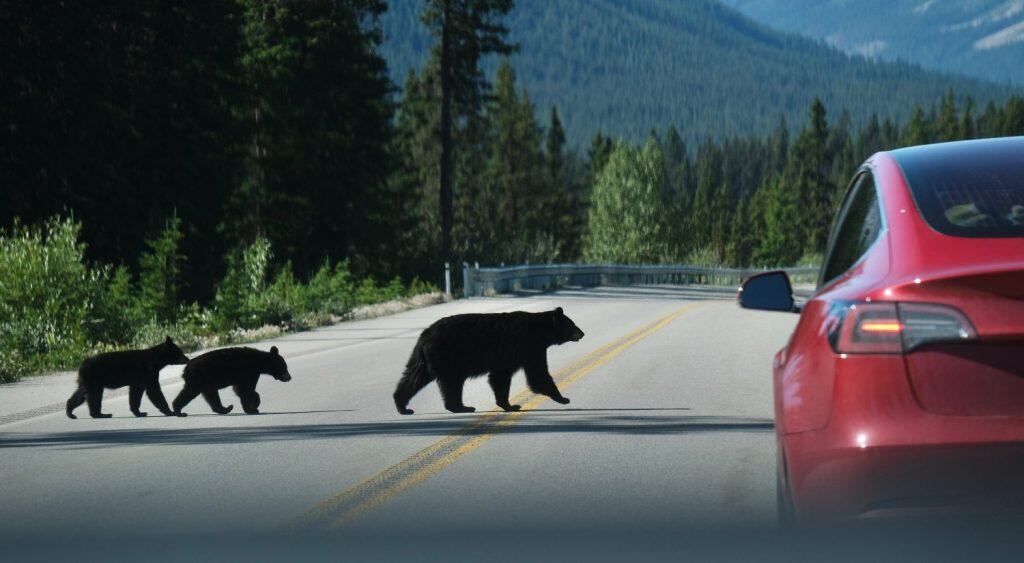
The study looked at the effects of active human presence in the environment as well as the passive effects of infrastructure like roads and buildings.
©Marina Poushkina/Shutterstock.com
By comparing results across species and locations, the researchers could explore how animals adjust their behavior in response to different human actions. The findings show that animals do not respond to humans in one uniform way. Their reactions vary with experience, environmental conditions, and the perceived level of risk.
Feeding Behavior and Vigilance
Wild animals constantly balance feeding with staying alert for danger. Time spent watching for threats reduces time available for eating, so scientists often measure vigilance and feeding to understand how animals respond to risk. The meta-analysis found strong changes in these behaviors when humans pose a lethal threat.
In areas where animals are hunted or culled, wildlife typically spends less time feeding and more time watching for danger. These reactions resemble the way animals behave around natural predators such as wolves or large cats. Heightened vigilance reduces the chance of being caught but can also lower food intake.
Responses to non-lethal human activities are more varied. Some animals remain cautious near hikers or tourists, while others show little change in feeding behavior. In certain human-altered environments, animals may feed more and watch less because food resources increase or natural predators avoid busy areas.
Movement and Habitat Use
Movement patterns provide another window into how animals perceive risk. When humans pose a lethal threat, many species move more frequently or travel farther distances to avoid danger. This increased movement can carry animals away from preferred feeding areas and force them to use less productive habitat.
Elk in heavily hunted landscapes illustrate this pattern. These animals often reduce feeding and increase vigilance while also moving across larger areas to avoid people. The added travel requires extra energy, which may reduce body condition over time.
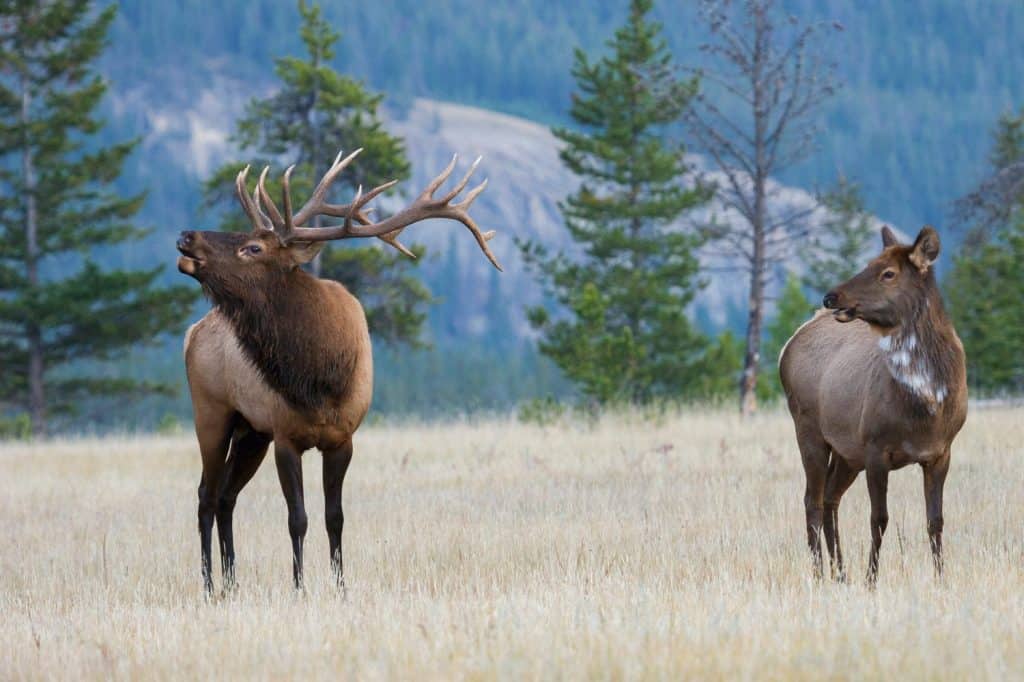
In areas where elk have been heavily hunted, they are understandably more wary of people.
©Danita Delimont/Shutterstock.com
Wildlife exposed primarily to non-lethal human activity may show a different pattern. Some species living near regular recreation develop shorter flight distances and adjust their routes to move around human structures. In certain cases, human presence can create areas where natural predators are less common, allowing prey species to remain nearby with less fear.
Habituation and Behavioral Adjustment
Habituation occurs when animals gradually reduce their response to repeated and harmless stimuli. In wildlife settings, this process can lead animals to react less strongly to hikers, cyclists, or passing vehicles. The meta-analysis found evidence that habituation explains why some populations show little change in feeding or vigilance near recreational areas.
Studies of yellow-bellied marmots demonstrate this effect. Individuals living near busy trails often allow people to approach more closely than those in quiet areas. Their flight distance becomes shorter as they grow accustomed to predictable human movement. Habituation can allow animals to conserve energy. If wildlife do not flee unnecessarily, they can spend more time feeding and maintaining body condition. Yet this adjustment carries risks if animals become too tolerant of people.
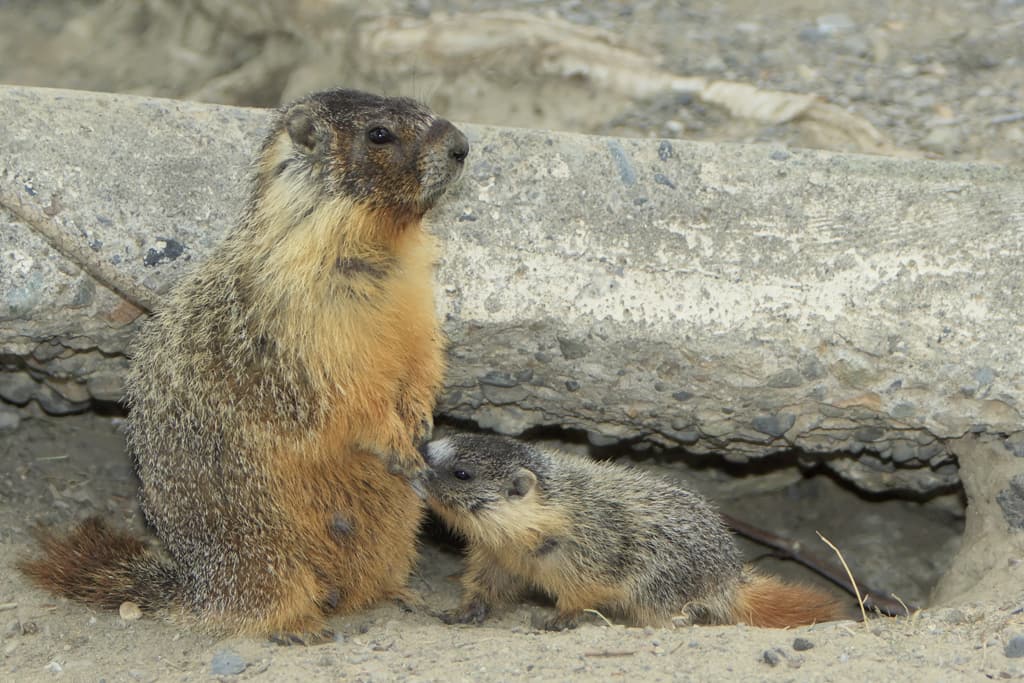
Yellow-bellied marmots living near busy trails were more tolerant of people because they could quickly take refuge in their burrows.
Risks of Excessive Tolerance
Animals that lose their fear of humans may face new dangers. Individuals that linger near campsites or trails sometimes gain access to food, but they may also become more vulnerable to vehicles or conflicts with people. Wildlife managers often remove animals that repeatedly approach humans or raid campsites.
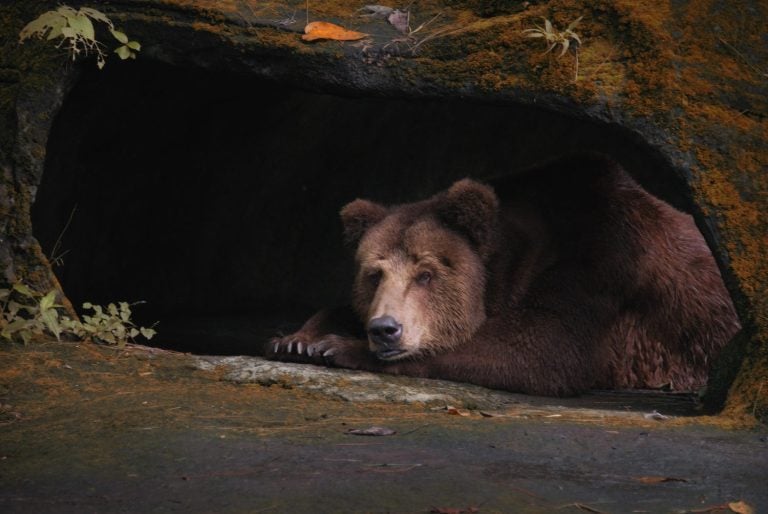
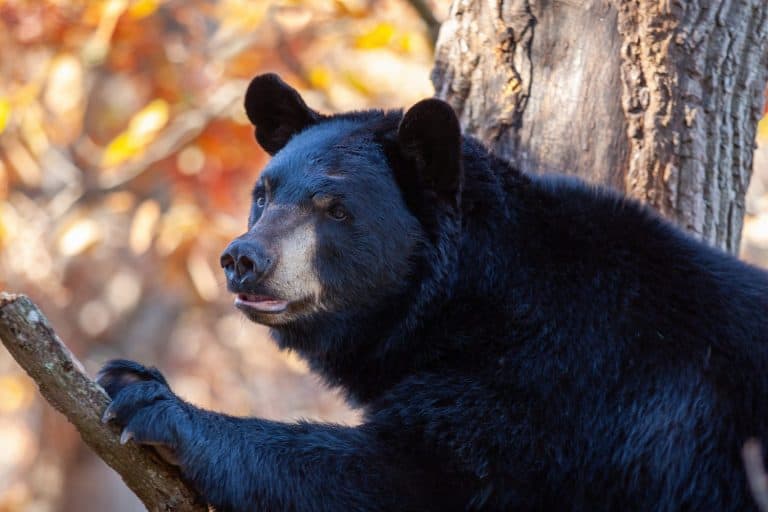
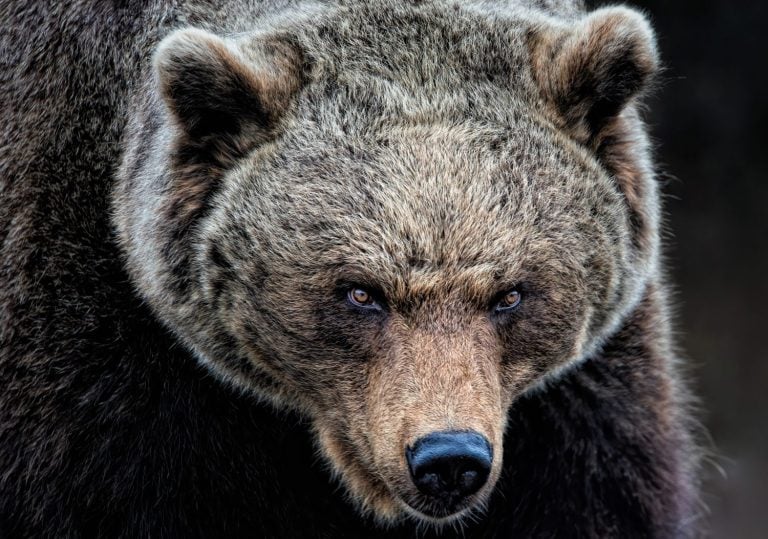
Bears provide a common example. Individuals that learn to associate humans with food may lose their natural wariness. Such animals are sometimes labeled as problem wildlife and are relocated or euthanized to protect public safety. This pattern shows that habituation has limits. While some tolerance can reduce wasted energy, excessive familiarity with humans often leads to higher mortality for wildlife.
Persistent Fear in Some Species
Not all wildlife populations become accustomed to humans. In landscapes with a long history of hunting, animals may continue treating humans as dangerous predators. Elk populations that experience heavy hunting pressure often maintain strong vigilance responses, regardless of whether nearby people are hunting or simply hiking.
This continued fear likely reflects evolutionary pressures. Individuals who reacted quickly to human threats survived and passed on their behaviors. Over time, this pattern created populations that remain cautious whenever people appear. Persistent fear can protect animals from direct harm; however, constant vigilance also carries costs. Animals that spend too much time watching for threats may struggle to feed adequately or care for offspring.
Effects on Survival and Reproduction
Behavioral changes triggered by human activity can influence wildlife survival. Reduced feeding may leave animals with lower body fat entering winter, which raises the risk of starvation during harsh conditions. Increased movement also consumes energy that animals would otherwise use for growth or reproduction.
Birds that repeatedly avoid human activity may spend less time nesting or feeding their chicks. Over time, these small behavioral adjustments can influence reproductive success and population trends. Scientists study these patterns to understand how human activity shapes ecosystems.
At the same time, animals that become overly comfortable around people face different risks. Close proximity to roads, campsites, or settlements increases exposure to vehicles and conflict with humans. They can also develop a dependency on people for food, leading to malnutrition when those food sources are irregular or consist of unnatural foods. These pressures demonstrate how wildlife survival depends on maintaining a balance between caution and adaptation.
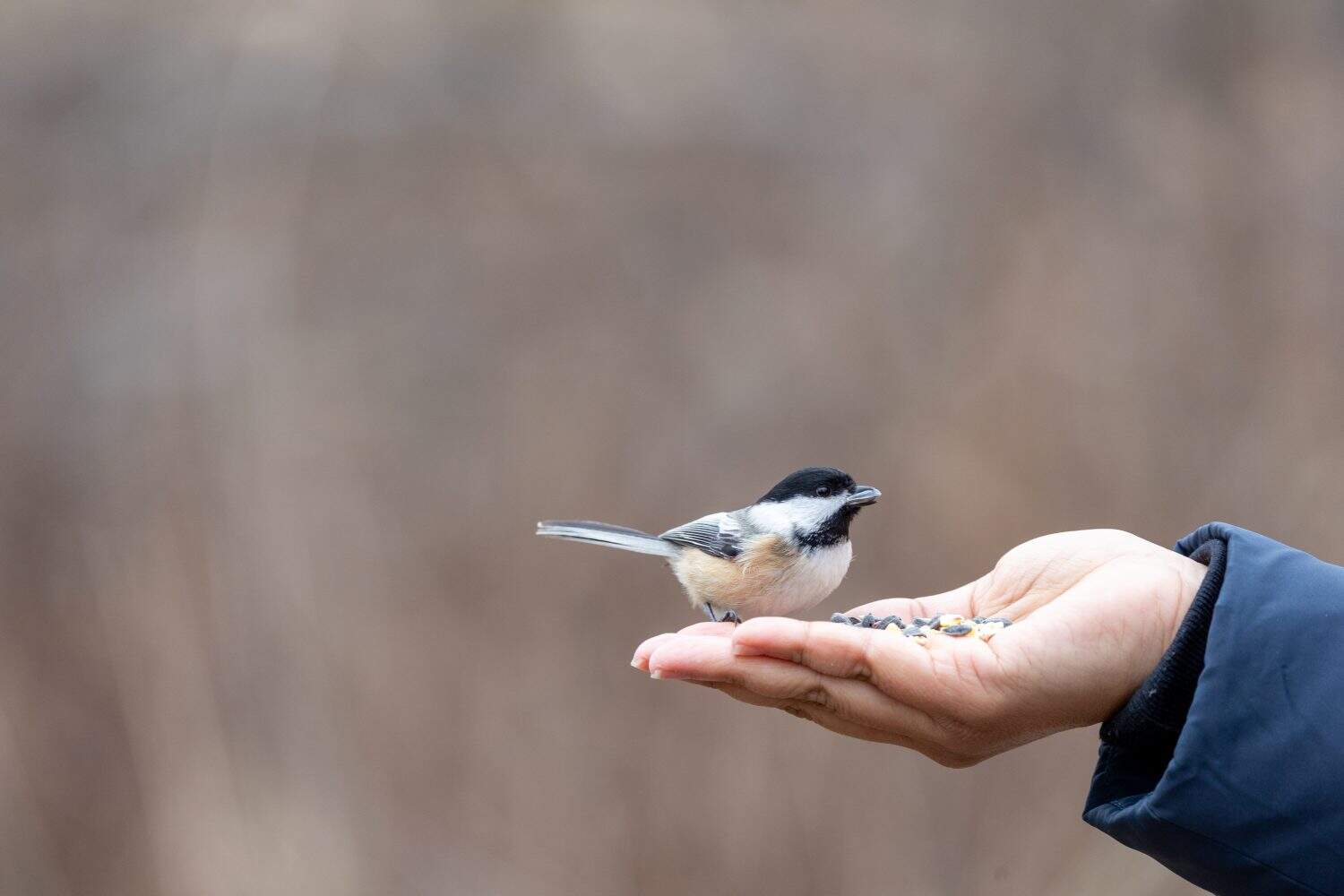
Animals that become too dependent on people may have nutritional problems or even starve due to improper diets or interruptions in their human food supply.
©Jim_Brown_Photography/Shutterstock.com
Why Responsible Outdoor Behavior Matters
The findings from this research highlight the importance of responsible behavior outdoors. Programs such as Leave No Trace encourage visitors to minimize disturbance to wildlife. These guidelines help animals maintain natural behavior patterns while still sharing landscapes with people.
Simple actions make a difference. Staying on established trails reduces unexpected encounters that trigger panic responses. Keeping dogs under control prevents wildlife from fleeing repeatedly. Observing animals from a distance allows them to feed and rest without interruption. Avoiding feeding wildlife is especially important. Animals that begin associating humans with food often develop behaviors that lead to conflict or removal by wildlife authorities. Additionally, human food can poison animals, provide empty calories, disrupt normal foraging behavior, and result in malnutrition.
Coexisting with Wildlife
Human activity shapes how wildlife behaves across many landscapes. Some species adjust gradually to regular human presence, while others remain cautious after long histories of hunting or persecution. The meta-analysis shows that animals respond to people in flexible ways that depend on context and experience.
Understanding these responses can help people share outdoor spaces more responsibly. Consistent and predictable human behavior allows wildlife to adjust without abandoning important habitat or wasting energy on constant fear. When visitors follow responsible outdoor practices, wildlife can continue using the same landscapes while maintaining the natural behaviors that support survival.