Quick Take
- Inbreeding occurs when relatives mate and can cause inbreeding depression, with abnormalities, health issues, and reduced fertility.
- Cheetahs have very low genetic variation, leading to deformed sperm, fertility problems, and greater disease susceptibility.
- In captive populations, inbreeding examples include cranial and jaw malformations in white lions.
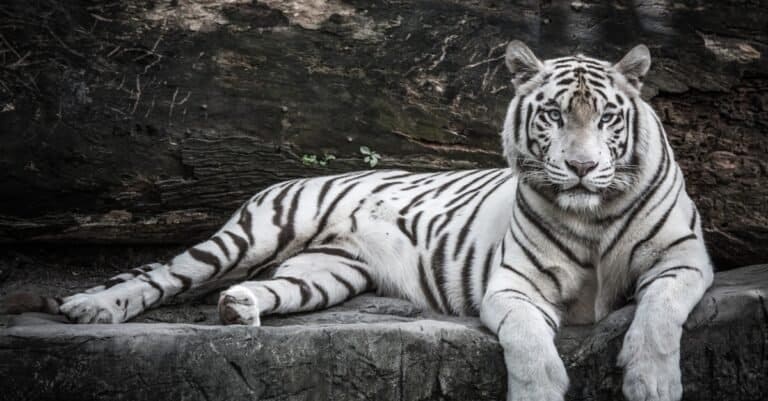
The results of inbreeding can be very distressing to witness. In this Instagram post, we see a captive lion with skull deformities, and in this post, we see another lion with drastically shortened limbs. Yet another social media post features a white tiger with skull deformities. These types of animals are often found in poorly managed facilities where inappropriate and risky breeding practices are allowed to occur. But what exactly is inbreeding, and what is going on with the genetics of these animals to make them look the way they do? In this article, we explain all this and more.
What Is Inbreeding?
Inbreeding occurs when animals mate with relatives. It can result in a phenomenon called ‘inbreeding depression’ where the resulting offspring have abnormalities, health issues, and impaired fertility. It has been recorded in domestic animals (for example, in pure dog breeds), in wild endangered species (where there are few potential mates), and in captive animals (in zoos and wildlife parks).
When an unrelated male and female animal produce offspring, the young get half of their genes from the mother and half from the father. If one parent happens to be carrying a recessive gene for some sort of abnormality, it will not be a problem because the other parent is likely to have a dominant gene that will override it.
However, if the parents are closely related, there is a significant risk of them both carrying the recessive gene. If the offspring inherits recessive genes from both parents, the abnormality is expressed by the genes, and the offspring show the physical deformity, infertility, or inability to fight disease, etc.
The Genetic Complications of Inbreeding
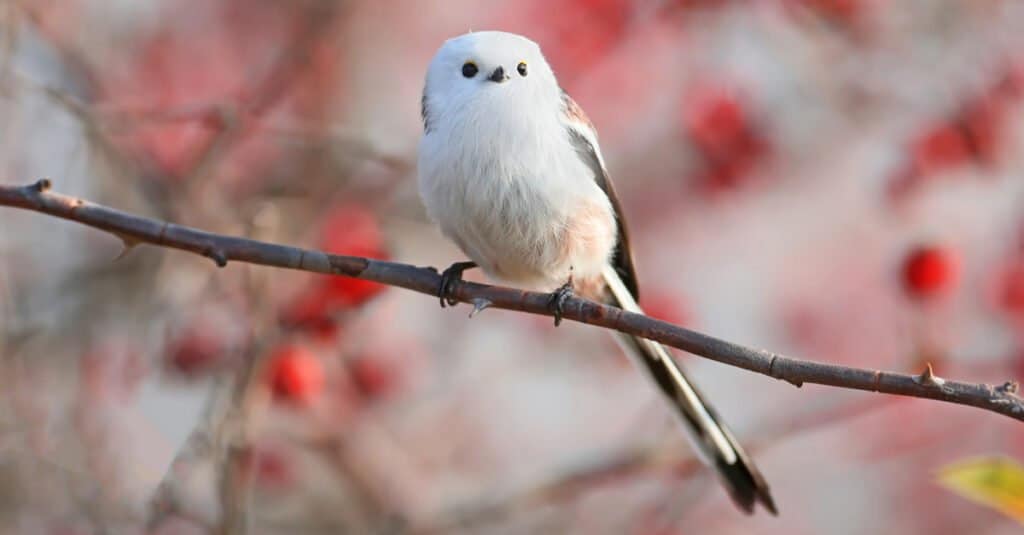
Long-tailed tits avoid mating with relatives.
©Voodison328/Shutterstock.com
The extent of inbreeding depression varies both within and across species. Some animals, such as the long-tailed tit (Aegithalos caudatus) recognize a close relative and avoid mating with them. Others, such as the common tern (Sterna hirundo) and the yellow-bellied toad (Bombina variegate) are not bothered about whether they are related to their mate or not. The ground tit (Parus humilis) and the cichlid fish (Pelvicachromis taeniatus) actually show a preference for mating with relatives!
Studies have shown that species that do not differentiate between relatives and non-relatives when mating are actually very unlikely to encounter a relative because of the way in which their populations disperse. In these species, inbreeding also had a negligible effect on offspring fitness. In animal species that experience severe inbreeding depression, the animals avoid inbreeding.
Inbreeding in Domestic Animals
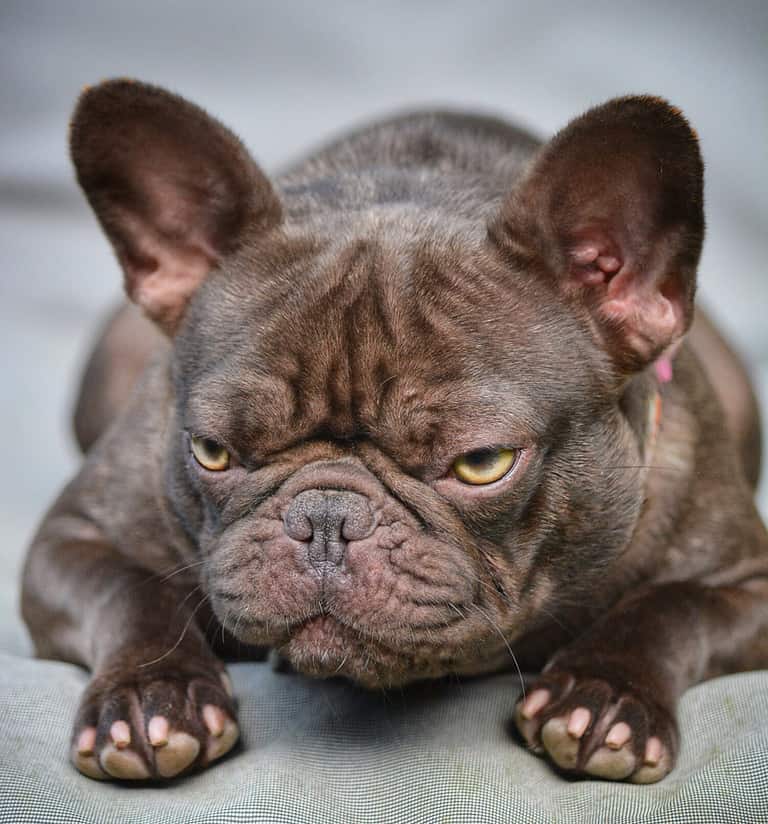
Dogs are a typical example of where inbreeding can result in poor health of the offspring. Some pure-bred dogs are produced from a very limited breeding stock and so it is more likely that relatives will mate with each other. In German shepherds, for example, this can result in pups with hip dysplasia.
Inbreeding in Wild Endangered Species
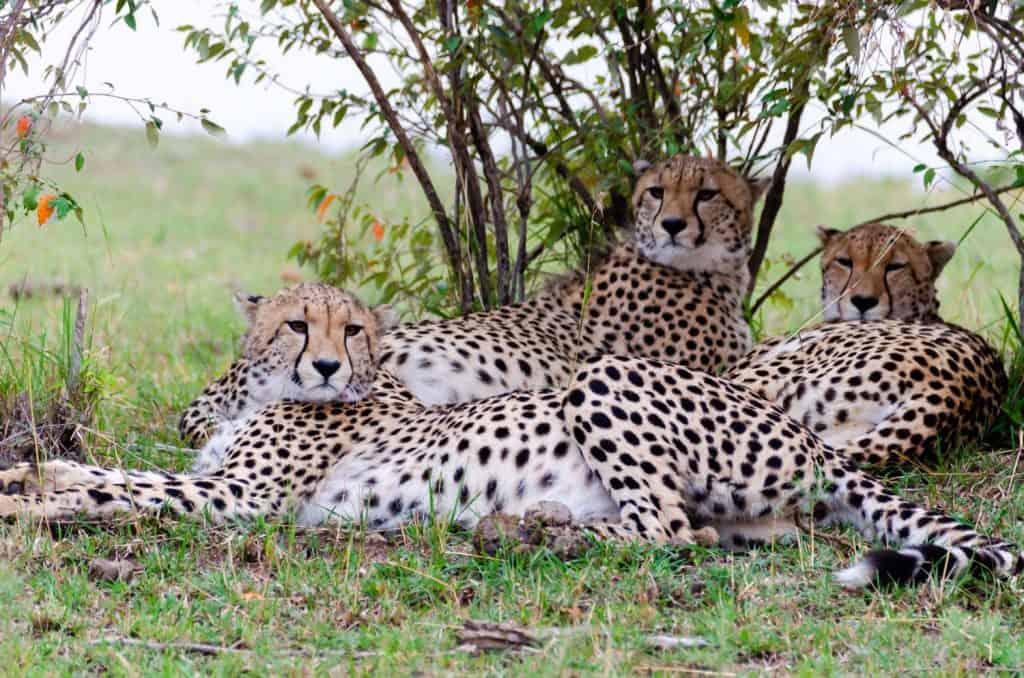
Cheetahs are not genetically diverse.
©Chaithanya Krishnan/Shutterstock.com
Cheetahs are the classic example of what happens in the wild when animal population numbers are drastically reduced. Overall, cheetahs now have very low genetic variation compared to variation seen in healthy populations. They have more deformed spermatozoa, leading to fertility issues. Inbreeding also results in cheetahs being born with focal palatine erosion (a condition of the lining of the hard palate), kinked tails, and a greater disease susceptibility.
Inbreeding in Captive Animals
A documented example of the dangers of inbreeding in zoo and wildlife park populations is cranial malformations in white lions (Panthera leo krugeri). A study population born in a zoological garden in northern Italy between 2003 and 2008 revealed worrying results. The cubs’ parents had the same father and were therefore half-siblings. Out of the 19 cubs born to these parents over the five-year period, 4 were stillborn, 13 died within a month, and one had to be euthanized because of difficulties with eating. Six of the 19 had malformations of their jaw, tongue, throat, teeth, or cranial bones.
Does Inbreeding Always Result in Deformities?
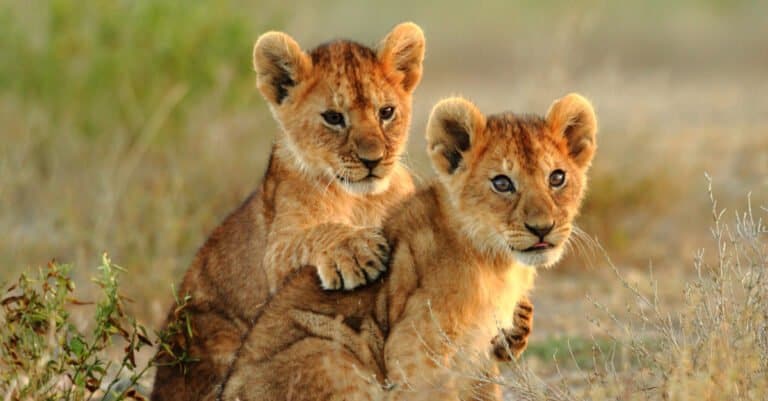
Sometimes inbred offspring can be perfectly healthy. A happy example is a litter of lion cubs born in a UK wildlife park in the spring of 2025. The lion cubs were the result of an accidental pairing of a mother and son. Concerns that the cubs would suffer from health problems proved to be unfounded. At their two-month health check, they were given a clean bill of health and were meeting all of their milestones. Inbreeding vastly increases the likelihood of abnormalities, but it is not a guarantee they will occur.