Quick Take
- Brine shrimp eggs can pause development and survive for years as dormant cysts.
- Understanding diapause could revolutionize human health by advancing IVF treatments and cancer therapies.
- About 2% of mammals exhibit diapause.
Some animals can pause their pregnancies until the time is just right to give birth to their offspring. This phenomenon is called embryonic diapause, and over 130 mammal species are able to accomplish this, putting development on hold after fertilization. Many other vertebrates and invertebrates can do this as well. Some examples include sharks, rays, freshwater turtles, lizards, brine shrimp, and many insects and birds.

In mammals, embryonic diapause occurs in the early stage of development known as the blastocyst stage. Depending on the species, the pregnancy can pause for a few days or even months. This remarkable adaptation means that the animal’s offspring will have the best chance of succeeding by being born during more favorable conditions, such as warmer weather or during a time of more abundant food. Pregnancy can also pause until the mother has put on a certain amount of fat and weight, as is the case for bears.
In nonmammals, embryonic diapause can happen during any state of development. When the pause occurs depends on the species and the environmental factors, such as temperature or rainfall.
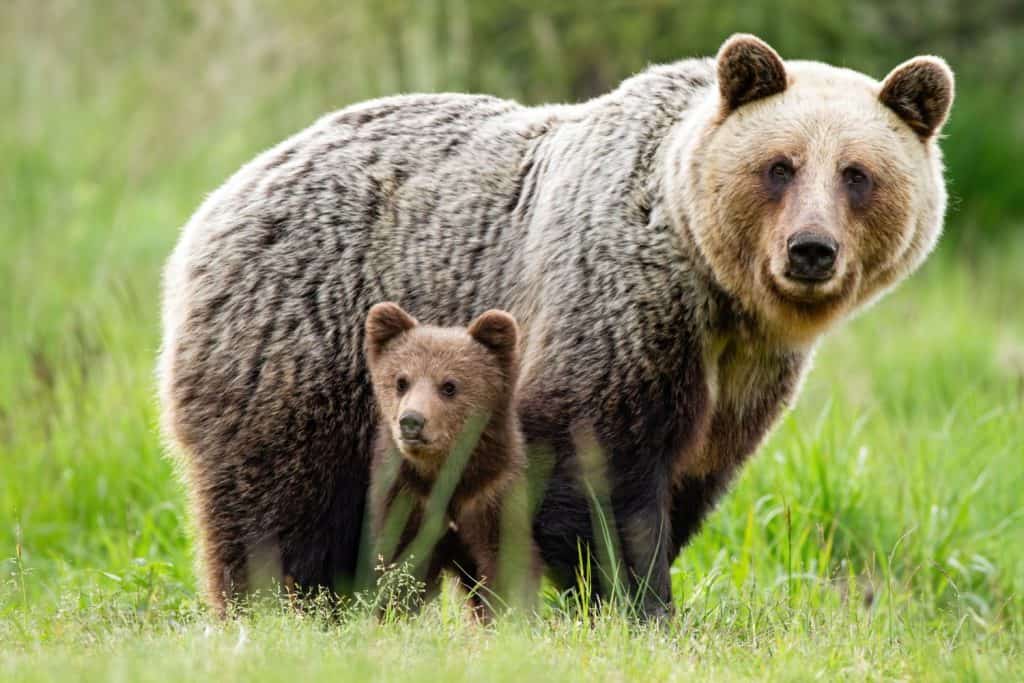
Bears can delay implantation until winter, when the mother can care for the babies safely in her den.
©WildMedia/Shutterstock.com
In mammal species, embryonic diapause is actually very rare. Only about 2% of mammal species have this adaptation. Some examples include bears, seals, armadillos, minks, possums, marsupials, and rodents.
Polar bears mate in the spring between April and June. But giving birth and caring for newborn cubs during the summer and fall, when a mother bear needs to fatten up for winter, means the cubs wouldn’t have much chance of survival. Instead, the mother bear’s pregnancy is put on hold. Her fertile eggs don’t implant until the fall. This way, she gives birth after she’s gained weight and fattened up. She can then keep her new cubs safe in their den all winter long, until they are old enough to venture outside in the spring.
Grey seals mate shortly after giving birth. The timing works well because the bulls have established territories with many females all in one place. However, females deplete their fat stores while nursing their pups. They are also heading into winter, making the weather conditions less than ideal for a new baby seal. Nature has devised a workaround where the seal delays implantation for about two to four months, ensuring the baby is born in the best possible conditions.
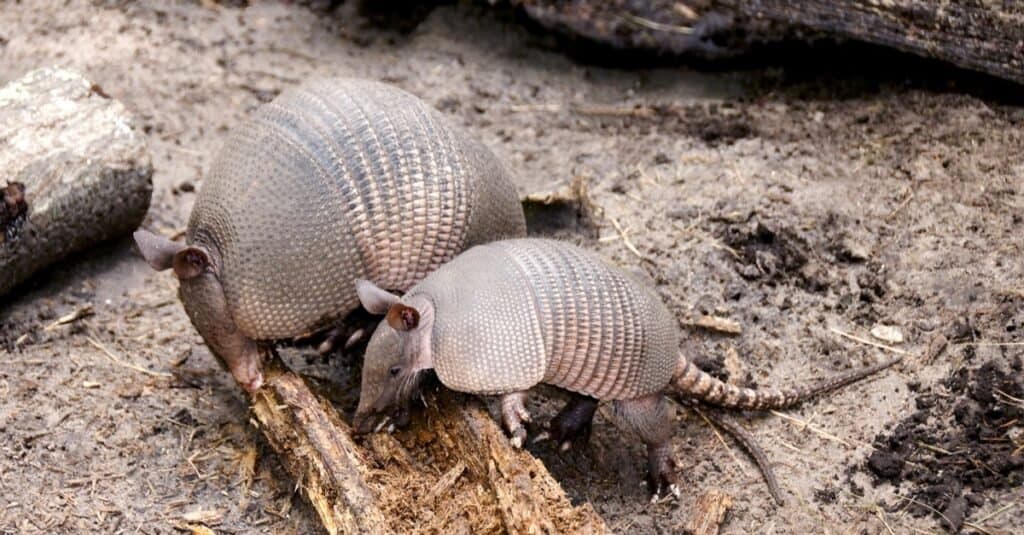
Mother armadillos mate in the summer, but embryonic diapause allows them to give birth the following spring when conditions are better for the baby.
©Rose Waddell/Shutterstock.com
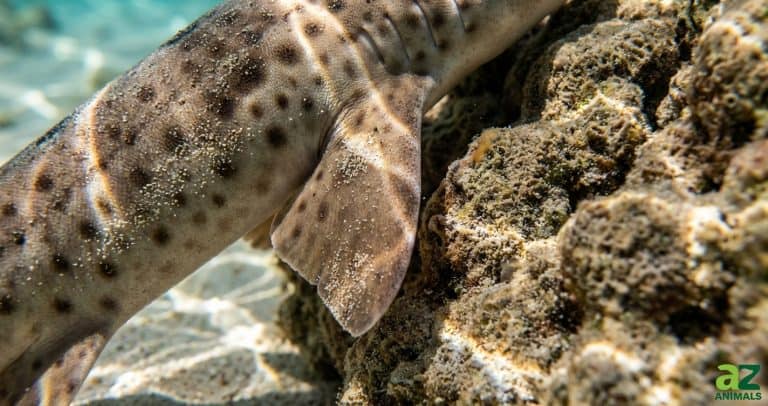
An example of embryonic diapause in fish can be found in the Australian sharpnose shark. Sharks mate in the summer, then delay embryo development for seven months. Once development begins again, the sharks then give birth the following summer, nearly a year later. During this time, the water is warm, and resources are plentiful for the newborn sharks to have the best chance of survival.
Many insects and crustaceans use embryonic diapause to survive the winter, with the larva emerging when temperatures are warm. For example, spongy moths can pause development even when the larvae are fully developed but still encased in the egg. Another example, brine shrimp, is incredibly resistant to harsh conditions thanks to diapause. Brine shrimp eggs can stop development and become dormant cysts. When conditions are more favorable, they will resume development. Brine shrimp can survive for years even during extreme temperatures and dry conditions.
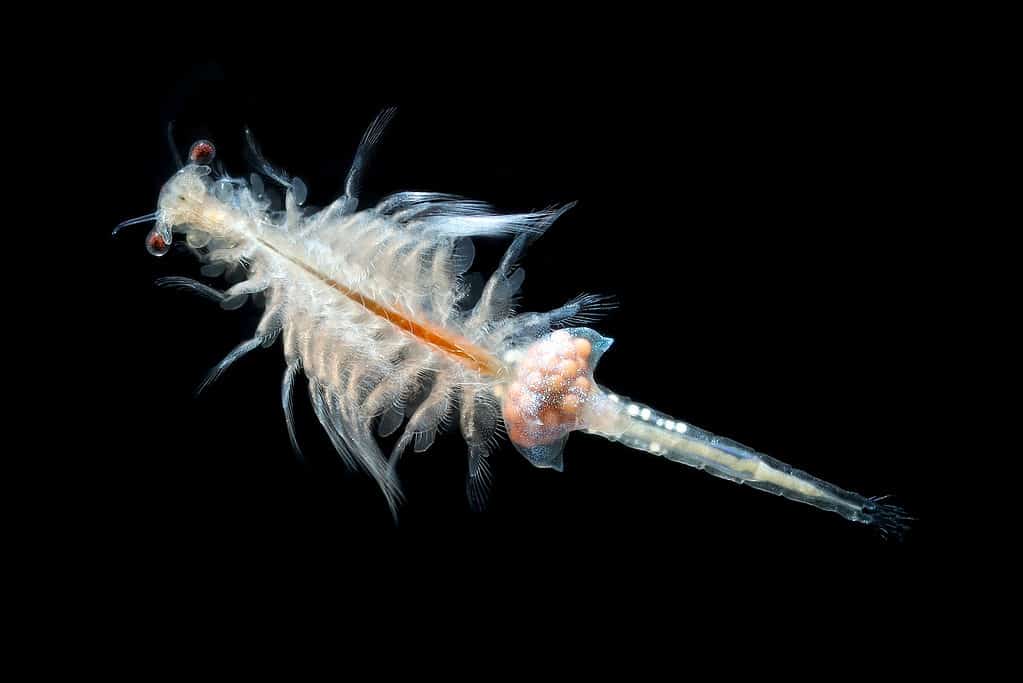
Brine shrimp are one of the best-known examples of animals that can pause development, surviving through extremely harsh conditions.
©Dan Olsen/Shutterstock.com
Scientists wanted to understand what causes an embryo to stop developing and what makes its cells start growing again. A study involving pregnant mice found a mechanism in the mice that switched off pathways that normally trigger cells to differentiate, and the embryo to develop.
Researchers studying embryonic diapause in animals are hoping to find ways to improve human health. Understanding embryonic diapause has far-reaching implications, from IVF treatments to a better understanding of how cancer and viruses can go dormant in the body and then reactivate. Also, stem cells are very similar to embryonic cells. By learning how to create better stem cells, scientists hope to find innovations in cancer treatments.
Lead author of the study, Asis Hussein, said in a statement, “We’ve now identified genes that are critical for diapause. We believe this translates directly to cancer cells, which also go in and out of a quiescent state, which explains why some of them survive rounds of chemotherapy for example. It puts us on a pathway to wonder what if the field could design a therapeutic that could wake cancer cells up at the right time, so the drugs don’t miss them.”