
Founded in 1670, Charleston is a charming town located in South Carolina. Not only will you find educational museums, stunning harbor views, and plenty of unique shops, but there’s also an abundance of wildlife. The swamps and marshes around Charleston are home to sharks, fish, birds, and even alligators. Whether you’re a local or just visiting, this may have you wondering if it’s safe to go in the water. We’ve scoured the internet and done the research for you! Let’s discuss alligators to determine whether it’s safe to cool off in South Carolina’s beautiful waterways.
The Types of Alligators in Charleston
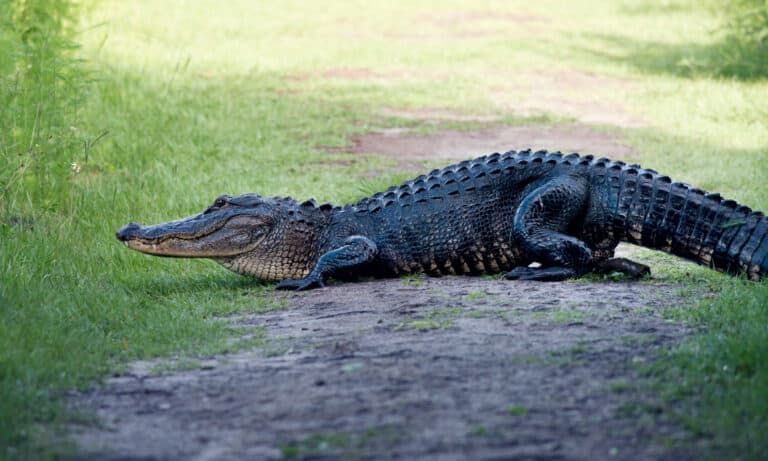
Southern states, including South Carolina, are home to alligators. They frequently congregate in rivers, swamps, ponds, channels, and even lakes on golf courses in the Charleston area. Most locals in this part of the state don’t fear alligators, but visitors often mistakenly believe that alligators are always waiting to attack people and pets.
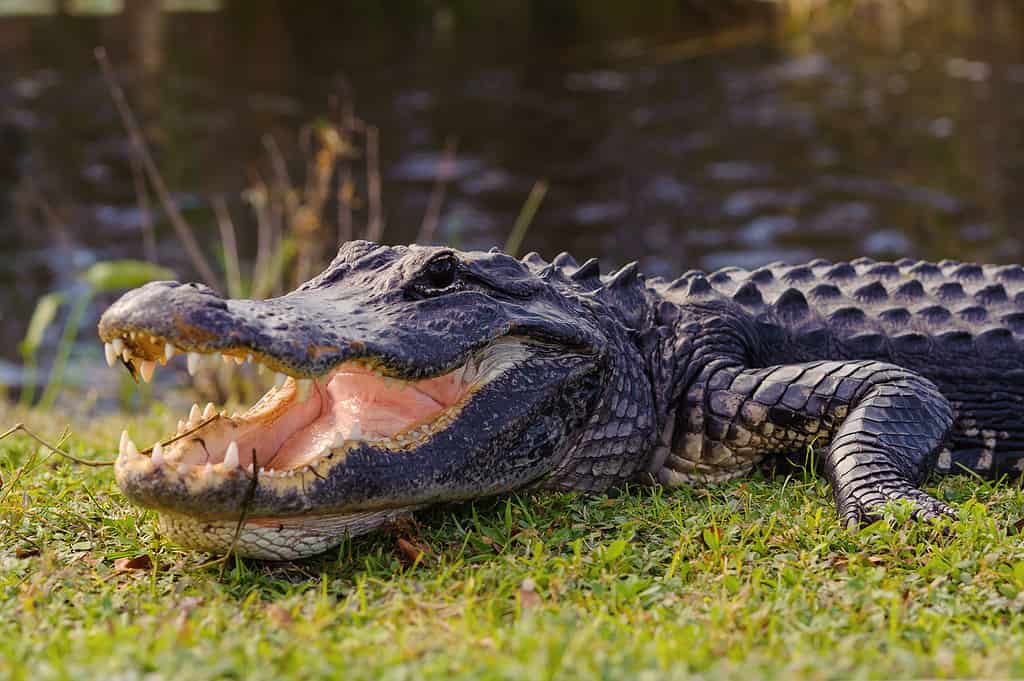
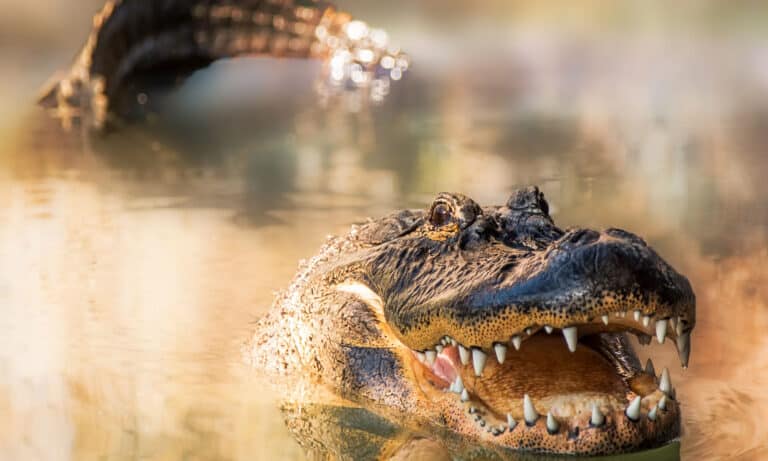
Alligators often drown their food.
©Sorbis/Shutterstock.com
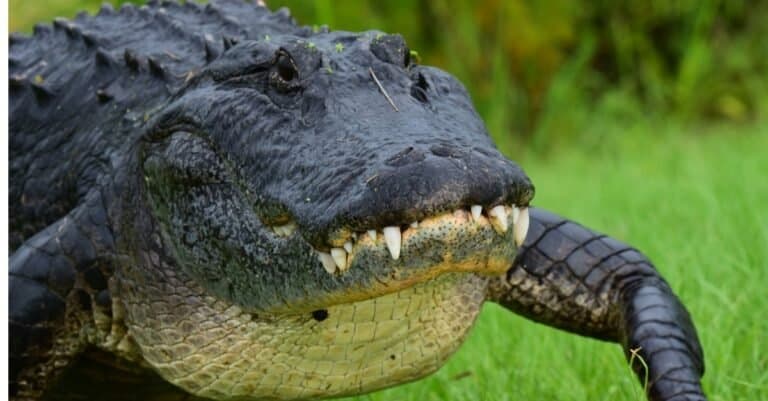
American alligators are generally shy creatures that want to stay away from people, despite recorded instances of them attacking humans. According to the State of South Carolina, authorities investigate roughly 750 alligator reports made throughout the state every year. Over 50% of those reports involve alligators that weigh 22 pounds or less and are under five feet long. Alligators of this size eat crawfish, aquatic invertebrates, tiny snakes, frogs, and turtles. Near Charleston, mature alligators have the potential to reach lengths of roughly 13 feet.
Are Alligator Encounters Dangerous For Humans?
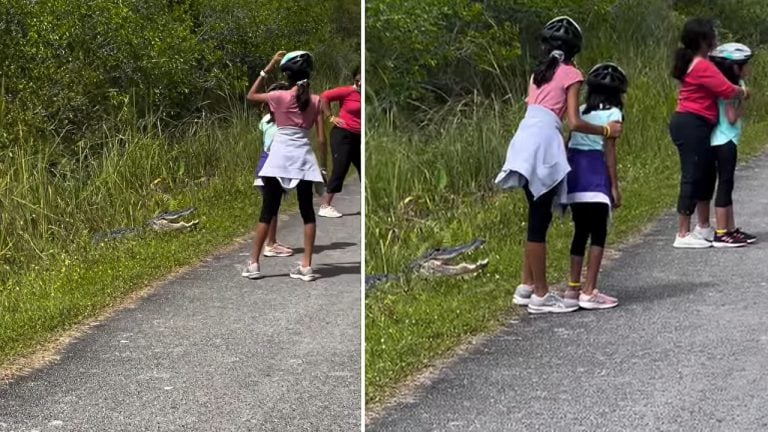
Despite the low likelihood of seeing an alligator in Charleston, it is important to be mindful of their presence and take appropriate safety measures. Keep your distance from any alligators you encounter and avoid making any attempts to approach them. Although they are uncommon, alligator-related events do occur in Charleston. The majority of encounters happen as a result of people giving alligators food or being too close to them, which can make the reptile angry.
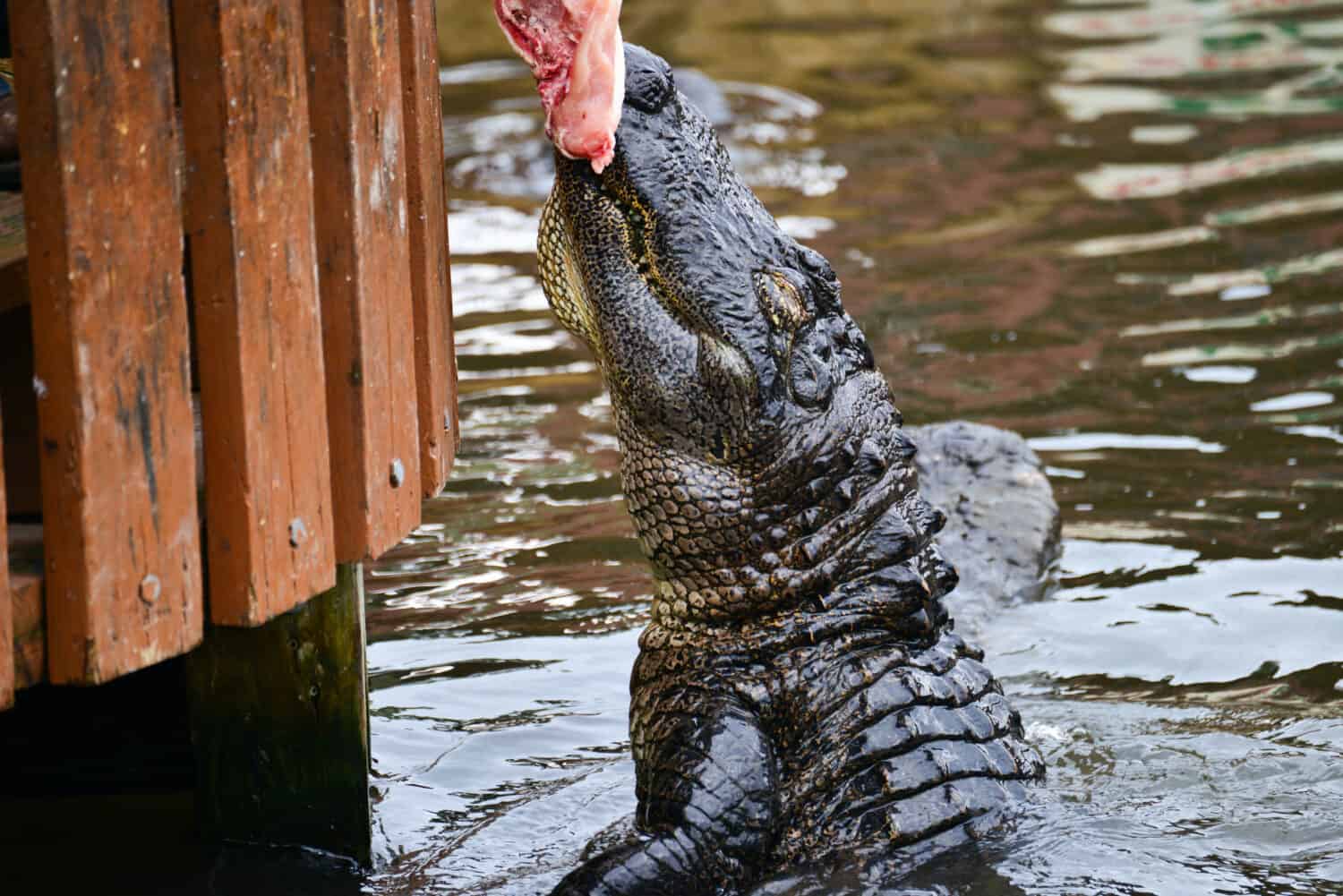
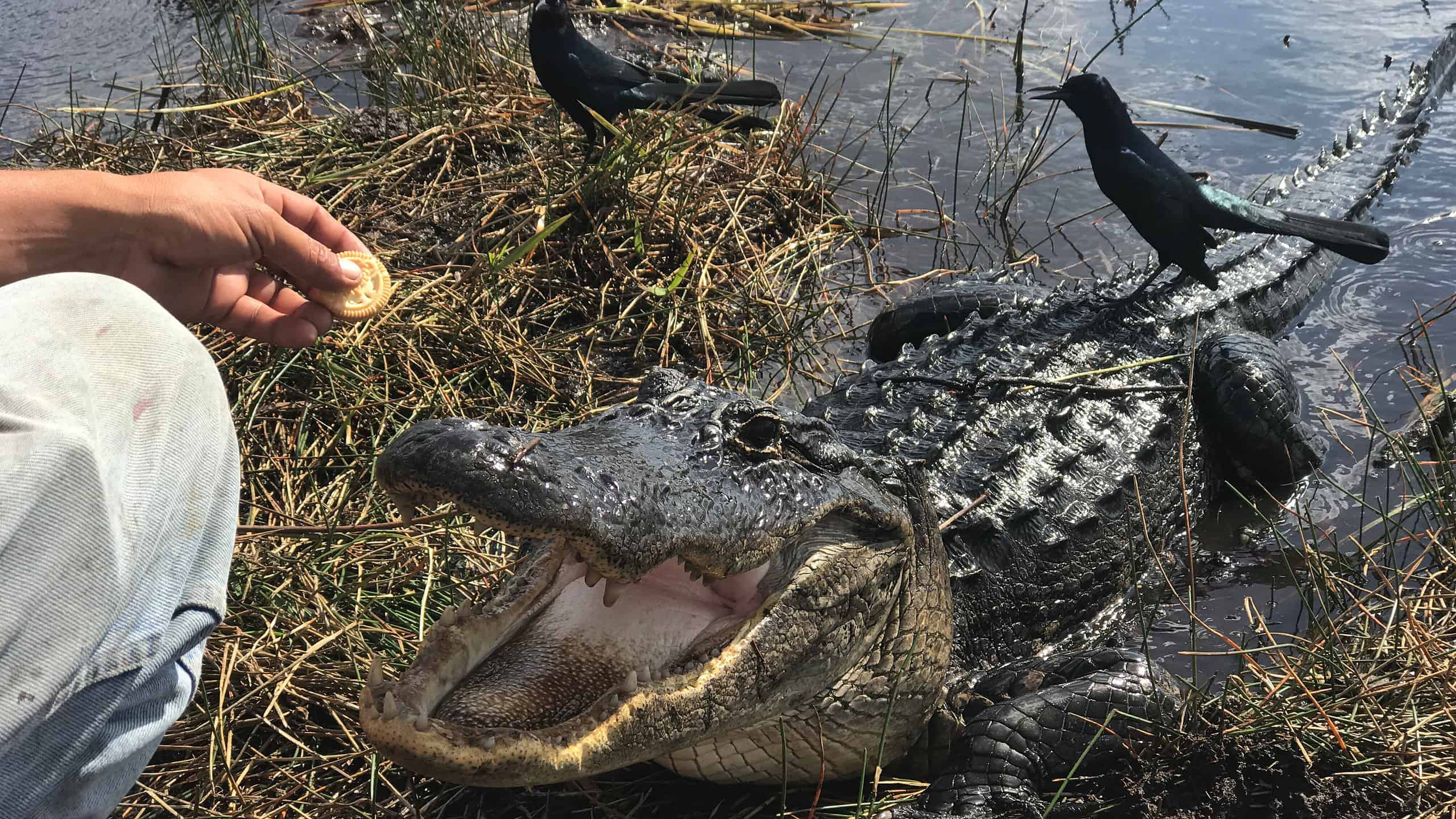
Some theme parks offer alligator feedings.
©Orhan Cam/Shutterstock.com
Gators are plentiful in the Charleston area. They typically stay away from areas where people live and seldom pose a risk. However, if you do see one, be cautious, avoid approaching the animal, and keep your distance. Never give the alligators food or engage in any other form of interaction with them.
Where Are Alligators in Charleston?
James Island County Park, which is just a few miles from downtown Charleston, has a variety of ponds and streams where alligator sightings are very common. The park’s cycling and walking paths are open to visitors, who should be aware that they may spot these creatures lounging by the edge of the water. You can also find gators at Magnolia Plantation and Gardens. There are numerous bodies of water where guests can spot the reptiles in the vast gardens of this old property. Alligators enjoy sunbathing, and visitors can learn about local wildlife on the plantation’s guided nature tram tours.

Magnolia Plantation and Gardens in Charleston, SC.
©Cvandyke/Shutterstock.com
Alligators can be found living in a 15-acre lake and a number of smaller ponds at North Charleston Wannamaker County Park. You might see these amazing reptiles while taking a leisurely stroll through the garden or when renting a pedal boat for a cruise around the lake.
Another popular tourist location that is home to alligators is Caw Caw Interpretive Center. If you intend to see alligators on your visit to Charleston, this place features alligator-spotting wetlands and swamp habitats. Guests can explore several ecosystems on the center’s more than six miles of paths and watch gators from viewing stations.
Visitors can find the alligator-attracting Cypress Gardens in the nearby village of Moncks Corner. Tourists can tour the gardens on foot via the nature paths or by renting a boat to travel through the swamp and get an up-close encounter with these amazing creatures.
Alligator Safety Tips
First and foremost, keep your distance from alligators. Don’t give an alligator food. Giving these wild creatures food not only motivates them to approach humans and makes them more daring, but it also negatively affects their natural diet. Alligators should not be approached by children or pets. Alligators don’t differentiate between household animals and wild animals. If given an opportunity, an alligator’s innate inclinations might lead it to try to eat a pet.
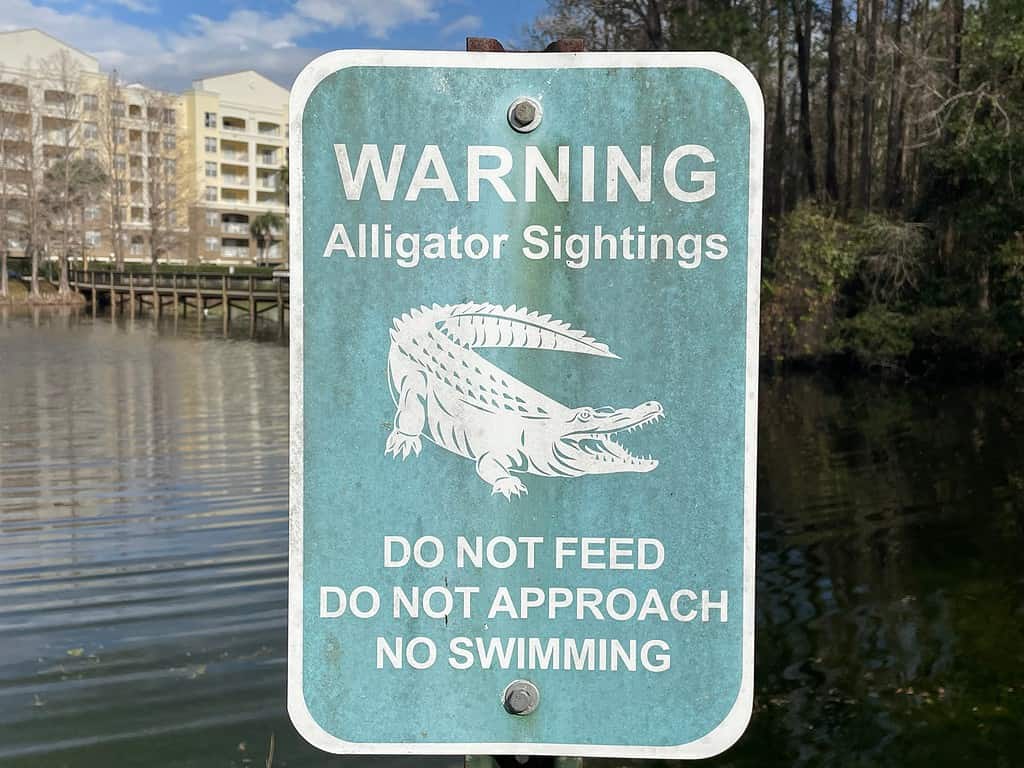
Being hyper-aware of these animals can save your life.
©Concepcion Gonzalez/Shutterstock.com
Gators can quickly lunge out of marshes and grab a leashed dog. For this reason alone, avoid walking too closely to bodies of water that these creatures are known to frequent. Avoid swimming in locations where alligators are known to live. Alligators may be attracted by splashing, as it can make them think there is a wounded animal nearby. Never go near an infant alligator. Although they may appear adorable, the mother may be nearby, and she will naturally want to defend her young.