
Quick Take
- North Carolina chose the gray squirrel as its state mammal because it is widespread, adaptable, and familiar to residents across the state.
- Schoolchildren helped influence the decision in 1969, turning an everyday animal into an official symbol.
- The squirrel represents resilience, steady work, and the long connection between people and North Carolina’s forests.
Most North Carolinians see gray squirrels every day as they race along fences, leap between oak branches, or raid backyard bird feeders. This familiar acrobat is more than just a neighborhood nuisance or a source of quick amusement. It is the official state mammal, chosen to represent North Carolina’s character and landscape. Lawmakers selected the gray squirrel because it is widespread, adaptable, and historically important to residents, traits they felt reflected a people shaped by forests, seasons, and steady work.
A Symbol Hidden in Plain Sight
When state leaders looked for a mammal to represent North Carolina in the late 1960s, they did not focus on a rare predator or a large game animal.
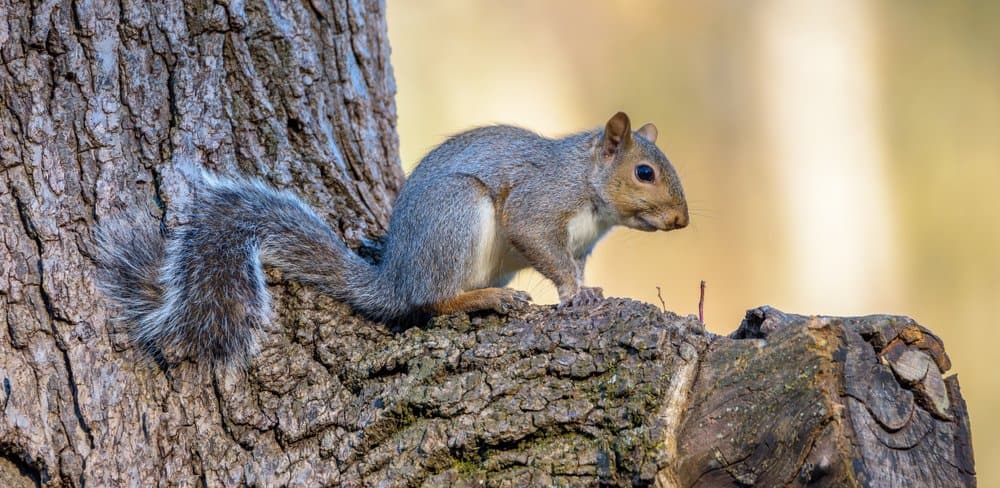
The eastern gray squirrel, familiar to North Carolinians from forests to city parks, became the state mammal in the late 1960s.
©iStock.com/Nancy Strohm
Instead, they chose the eastern gray squirrel, a small rodent found from the mountains to the coast. Lawmakers pointed out that citizens encountered gray squirrels in city parks, farm woodlots, and deep forests, making the species familiar across regions and communities. By elevating an everyday animal, the legislature highlighted common wildlife and the state’s long connection to hardwood forests filled with oaks, hickories, and beeches.
How Schoolchildren Helped Pick the Mammal
The official story behind the designation begins with Representative Basil Barr of Ashe County. Barr asked schoolchildren across North Carolina which mammal they believed best represented their state. The gray squirrel emerged as the clear favorite. Students likely chose it because they saw it often and linked it with outdoor play, autumn leaves, and neighborhood trees rather than animals rarely encountered. Barr carried their choice to Raleigh, turning a classroom poll into legislation, and giving young residents a direct voice in shaping a state symbol.
A 1969 Decision
After Barr introduced the bill in 1969, the proposal moved quickly through the General Assembly. It passed the House of Representatives within days, and then went to the Senate, which approved it on June 30 that year. Final ratification followed that same day. The law, now codified in Section 145-5 of the state statutes, declares the gray squirrel the official state mammal of North Carolina. With the governor’s signature, a brief sentence in the law books officially made the gray squirrel a lasting emblem of North Carolina.
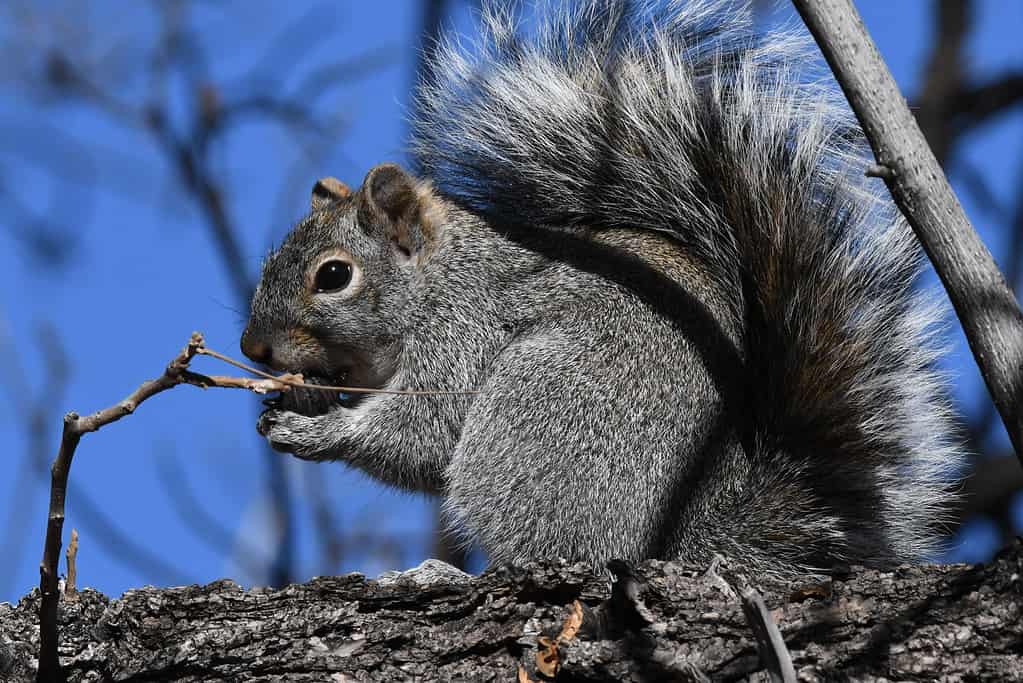
The gray squirrel, a familiar woodland resident, became a lasting emblem of North Carolina after official recognition in 1969.
©Gilbert S. Grant/Shutterstock.com
Courageous, Thrifty, and Hard Working
Barr argued that the gray squirrel represented qualities that many North Carolinians admired. In public comments, he described the animal as courageous and thrifty, noting its ability to endure winter, avoid predators, and store food for lean months. These habits matched the popular image of the state’s people as resilient and prepared. Choosing the squirrel suggested identification with persistence and foresight rather than strength alone, reflecting a culture shaped by farming, forestry, and long-term planning.
A Mammal That Fed and Trained Early North Carolinians
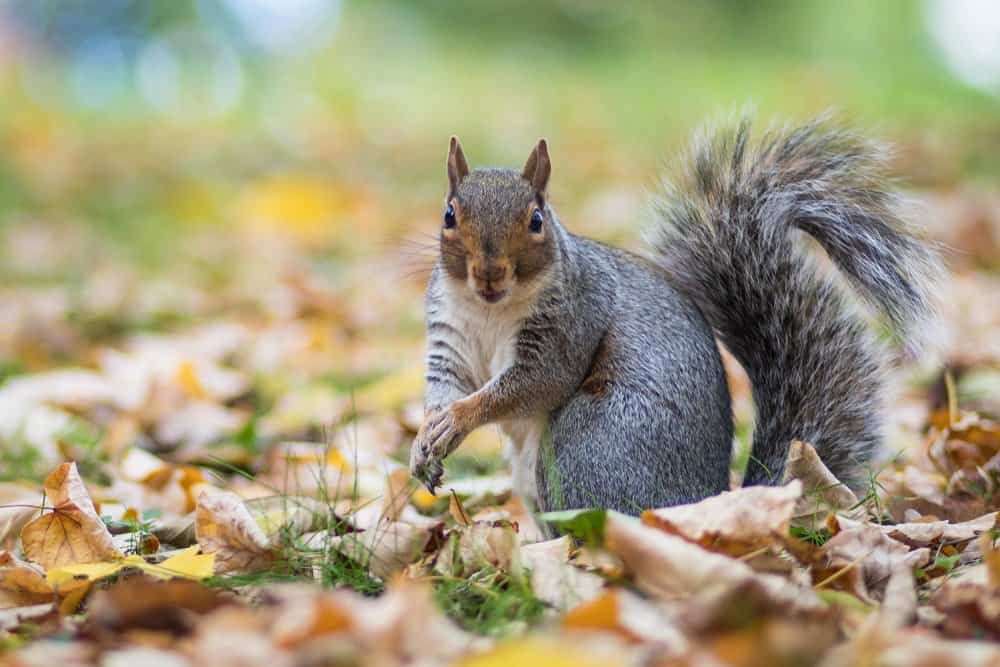
Gray squirrels were once an important food source for families in eastern forests, connecting the species to survival and frontier life.
©TheLiftCreativeServices/Shutterstock.com
During the 1700s and 1800s, gray squirrels were abundant in eastern forests and provided an important source of meat for families who relied on wild game. Some historians have noted that hunting such quick animals required careful aim and patience, skills that later proved useful to colonial militia members during the American Revolution and the War of 1812. In this way, the squirrel connects to stories of survival, frontier life, and self-reliance.
Everywhere from Swamps to City Parks
Another reason lawmakers favored the gray squirrel was its wide range within the state. Biologists report that gray squirrels live in all 100 North Carolina counties. They inhabit coastal swamps, bottomland forests, Piedmont neighborhoods, and mountain coves. While the species prefers mature hardwood forests with nut-bearing trees, it adapts well to wooded suburbs, college campuses, and golf courses. Because nearly everyone encounters squirrels near home, officials viewed them as a shared symbol in both rural and urban settings.
Acrobats, Communicators, and Nut Hoarders
Beyond symbolism, gray squirrels are active and engaging animals. They are diurnal, meaning they are most active during the daylight hours. Observers often see them running along branches, leaping between trees, and crossing lawns in short bursts.
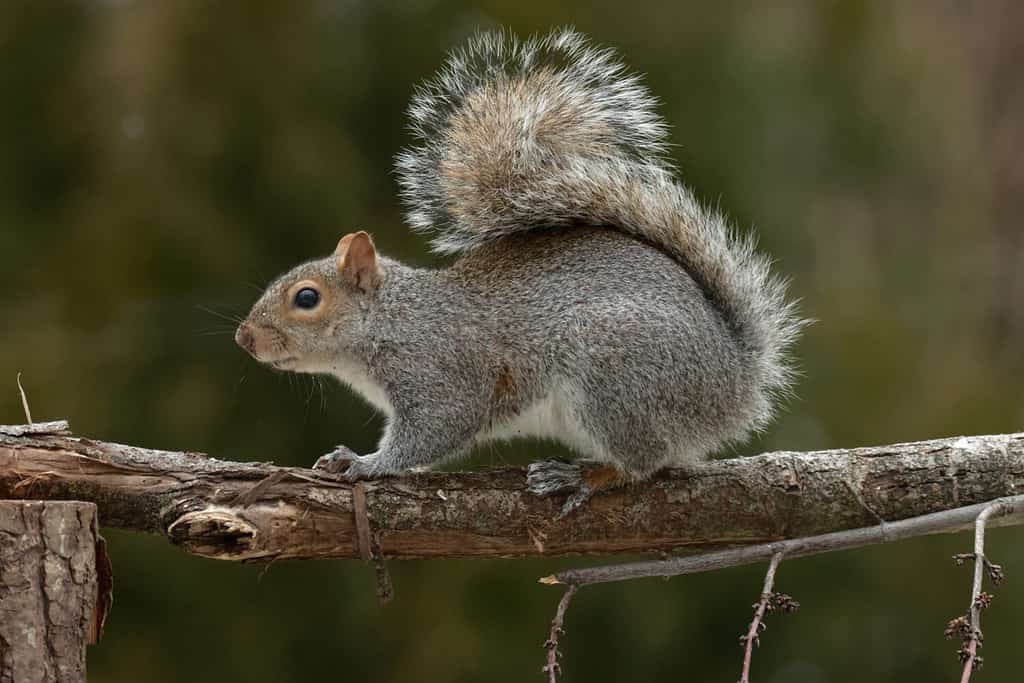
Squirrels are active during daylight hours, running and leaping along branches in forests and parks.
©My Generations Art/Shutterstock.com
Squirrels build leafy nests high in trees or use natural tree cavities for shelter. They communicate through barks, chatters, and tail movements, which signal alarm or convey social cues. In autumn, they gather acorns, hickory nuts, and beech nuts, burying them in scattered caches for later use.
Guardians of Oak and Hickory Forests
The squirrel’s habit of burying nuts plays an important ecological role. When squirrels fail to recover every buried seed, some sprout into new trees, helping regenerate hardwood forests. Researchers also note that squirrels spread spores of underground fungi as they dig and feed, supporting healthy soil systems. At the same time, squirrels serve as prey for hawks, owls, foxes, and other predators. Through these roles, they help move energy through forest food webs, linking trees to larger wildlife.
Why States Choose Official Animals
Across the United States, official animals serve as symbols that reflect shared history, values, and natural heritage. States often select species that are native, widely recognized, or closely tied to local landscapes and livelihoods. The process frequently involves schools, civic groups, or student efforts, which turns the decision into a hands-on lesson in biology, history, and government. Once adopted, these animals become familiar markers that appear in classrooms, public spaces, and educational materials, helping residents connect wildlife with a sense of place.
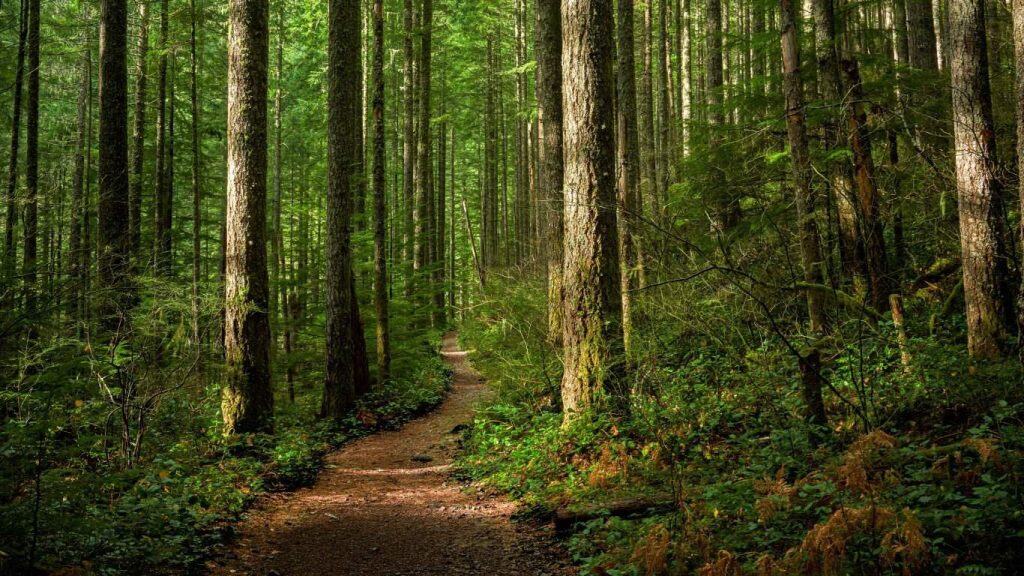
A forest path symbolizes the connection between people, wildlife, and the landscapes represented by state animals.
©Alexander Fattal / iStock via Getty Images
Official recognition can also have practical effects. When a species becomes a state symbol, it often receives more public attention, which can support conservation programs, scientific research, and habitat protection. For the state, the symbol reinforces pride in natural resources and encourages discussions about stewardship and land management. In this way, state animals act as representatives, linking environmental care with cultural identity and reminding people that human communities and wildlife share the same surroundings.
Living with the State Mammal Today
As forests have changed and cities have expanded, gray squirrels have adjusted well to human-dominated landscapes. Urban yards with feeders, shade trees, and plantings provide steady food and shelter. Wildlife agencies point out that this adaptability can bring mixed feelings. Many people enjoy watching squirrels, while others deal with chewed wires, attic damage, or raided gardens. Officials encourage practical steps such as securing trash, managing feeders, and sealing buildings, while recognizing that these animals represent the state among its official symbols.
How the Symbol Holds Up in the 21st Century
More than fifty years after its designation, the gray squirrel remains a fitting emblem. The species continues to thrive statewide despite development and land-use changes. Its presence in mountain forests, suburbs, and coastal towns mirrors the state’s varied communities.
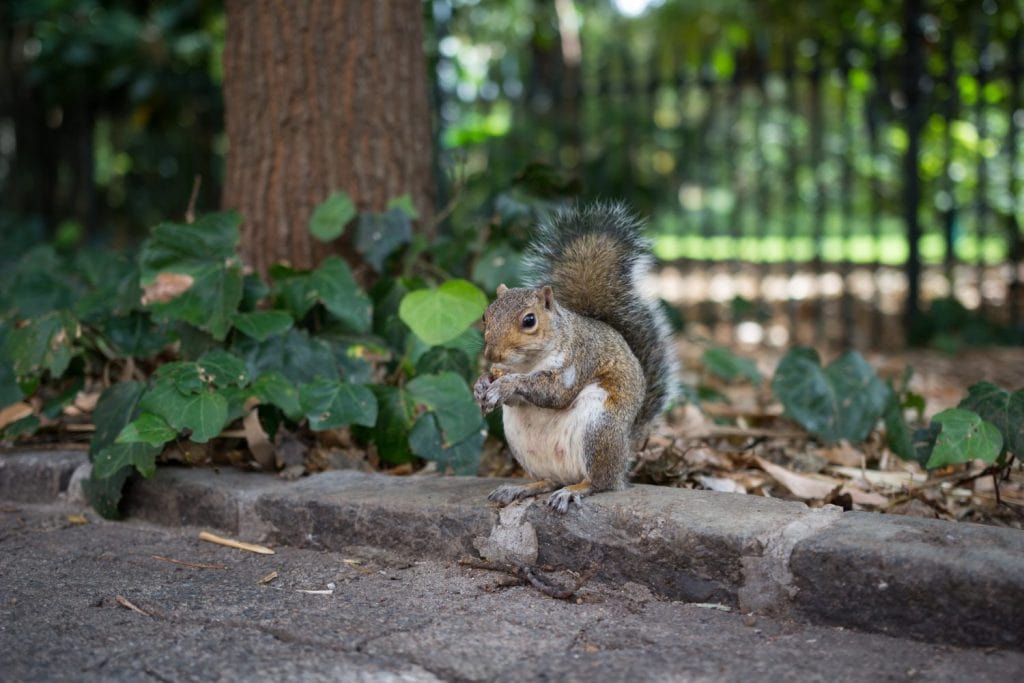
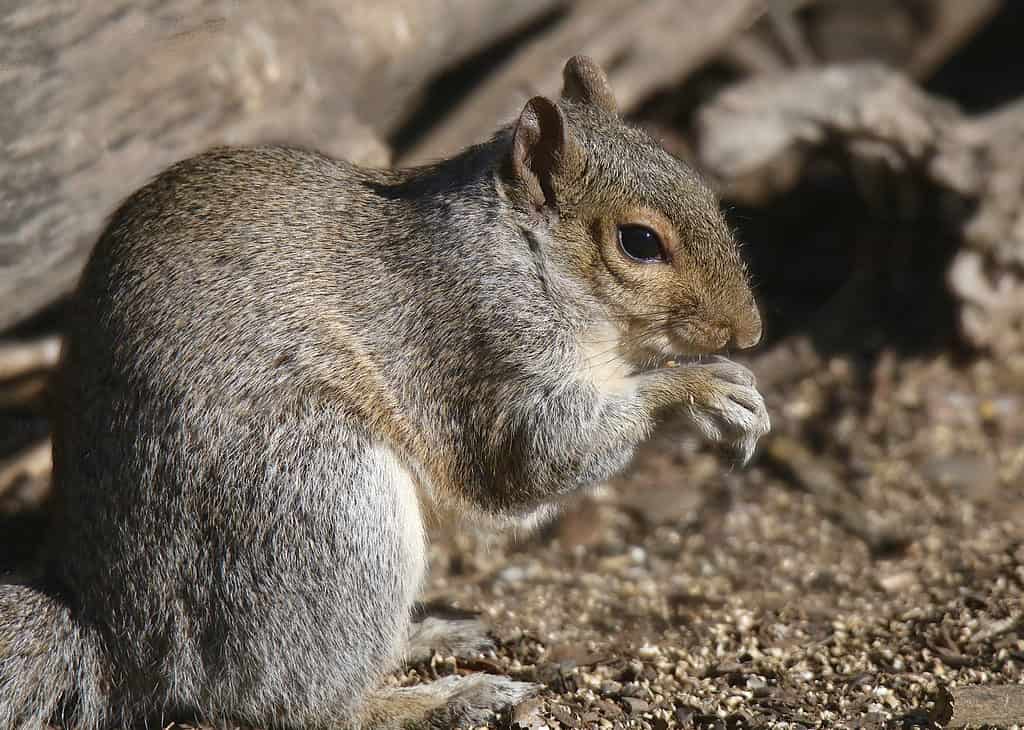
Gray squirrels adapt to human environments, reflecting resilience and everyday wildlife in North Carolina.
©Timothy Reinhardt/Shutterstock.com
Conservationists also value the squirrel’s role in supporting hardwood forests and biodiversity, which aligns with modern interest in protecting natural spaces. While some argue that rarer species deserve attention, the gray squirrel represents everyday nature and resilience.
A Small Animal with a Big Story
The gray squirrel became North Carolina’s state mammal because it is familiar, hardworking, and deeply tied to the state’s past and present. Schoolchildren, lawmakers, and scientists all contributed to elevating this common animal to official status. As gray squirrels continue to bury acorns, help renew forests, and dart through parks and yards, they demonstrate how a quick, clever, yet ordinary creature can carry lasting meaning for a place and its people.