
Quick Take
- Alligators live throughout the Everglades, but these seven hikes are where you’re most likely to see them.
- The dry-season bottleneck creates a predatory squeeze that forces disparate species into lethal proximity to gators, giving visitors an opportunity to see them.
- When it comes to alligators in the Everglades, crowded trails actually create a calm, predictable environment that prevents most predatory aggression.
- Performing a slough-viewing pause on most of these hikes is necessary to detect alligators that remain hidden from passing hikers.
Despite a healthy alligator population thriving in the Everglades, a guaranteed sighting doesn’t actually exist. However, when water levels drop, animal life in this diverse ecosystem is funneled into deeper canals and any ponds that still hold fish, which means alligators tend to settle in where food concentrates.
How can you guarantee an alligator sighting in the Everglades, and what tips should you know before enjoying this scenic area? Regardless of whether you’re a local Floridian or visiting this region in order to spot alligators, there are certain things to keep in mind in order to better your chances of seeing these impressive reptiles.
This guide ranks seven hikes through the Everglades by two necessary factors: how many alligators you’re likely to see and how controlled and safe the viewing experience feels. We’ve found hikes with boardwalks, paved paths, clear sight lines, and insider information so that you’re more likely to spot some alligators. Plus, we’ll discuss the dry season in the Everglades, one of the key factors involved in spotting them, as well as why gators often seem calm around the crowds that typically frequent these trails.
The Dry-Season Bottleneck Phenomenon in the Everglades
The Everglades doesn’t dry up evenly or all at once, contrary to popular belief. Water pulls away from sawgrass shores and lingers in deeper lanes, such as sloughs, holes, canals, and ponds, ultimately creating a predictable squeeze point for fish, turtles, wading birds, and other ideal prey for alligators.
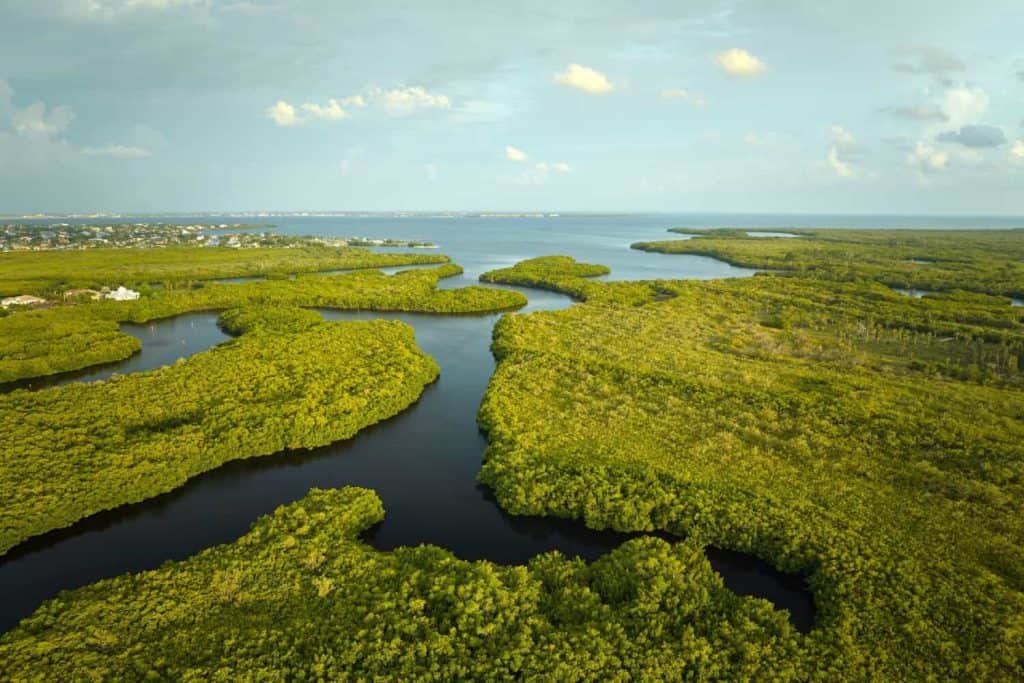
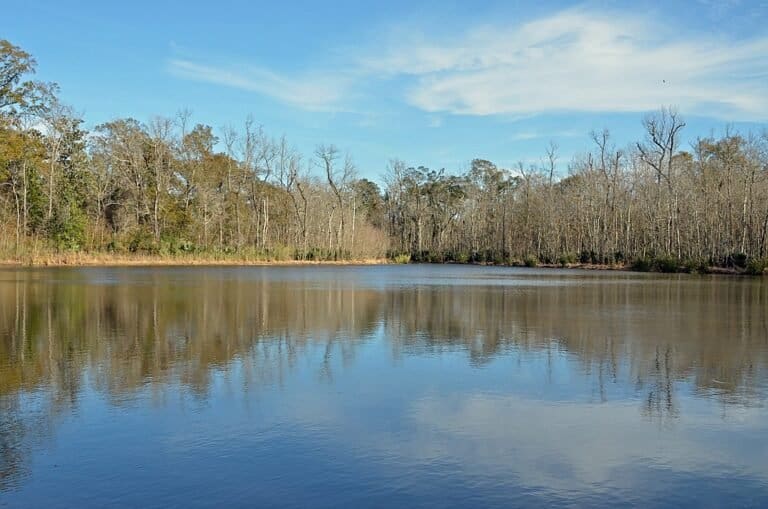
In such a vast region, the Everglades holds multiple trails that are ideal for spotting alligators.
©Bilanol/Shutterstock.com
The National Park Service notes that winter’s generally lower dry-season water “concentrate[s] aquatic wildlife in the slough,” which is why, suddenly, the animals you’d normally have to hunt for are right below the boardwalk, performing their everyday routines in full view of the Everglades’ crowds.
Alligators also change their preferred locations as water drops, so much so that they alter the landscape of the Everglades. On the Park Service’s American alligator species profile, NPS explains that this season has alligators excavating and maintaining unique holes in the ground, ones that hold water and provide refuge for other animals during dry periods. Those pockets become miniature ecosystems, locations that are less of a refuge for other species and more of an easy feeding option for gators.
Why Gators Often Look Relaxed on Busy Trails
A gator that’s basking beside a boardwalk can seem like it’s used to people, but it’s important to know that alligators in the Everglades are not friendly; they are still wild animals. However, basking warms their bodies, and staying still saves them energy. Luckily, a crowded trail also tends to have rules and barriers that prevent behaviors most likely to trigger a bite from these animals, so they understand that they are safe to remain calm in the sunshine.
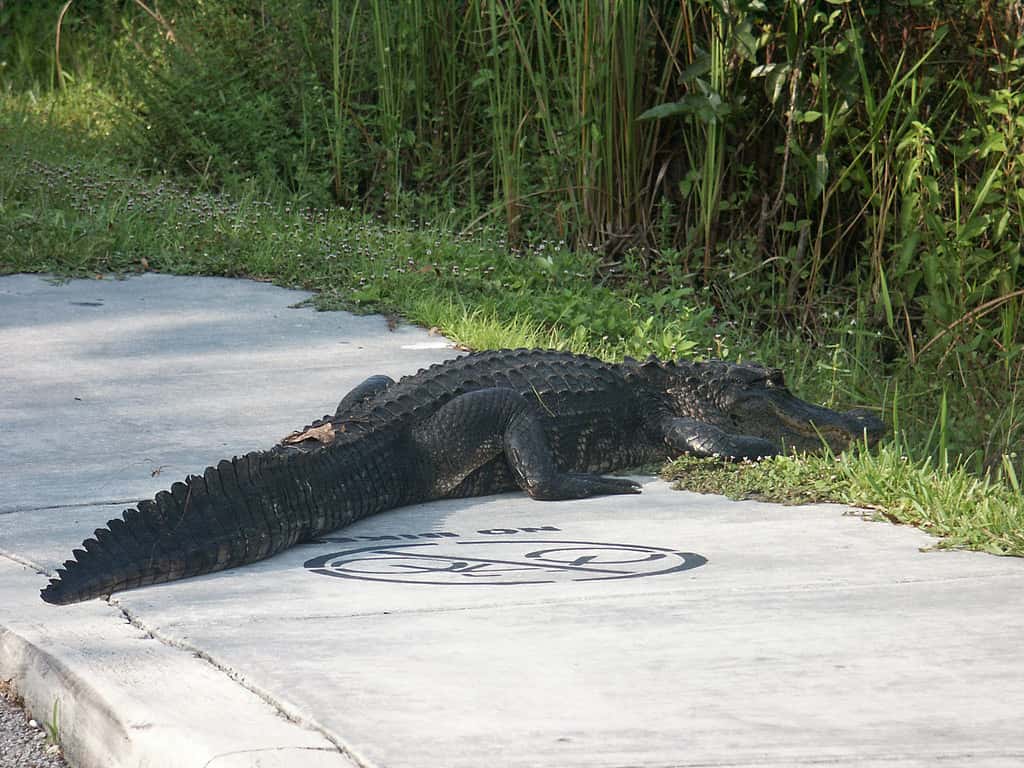
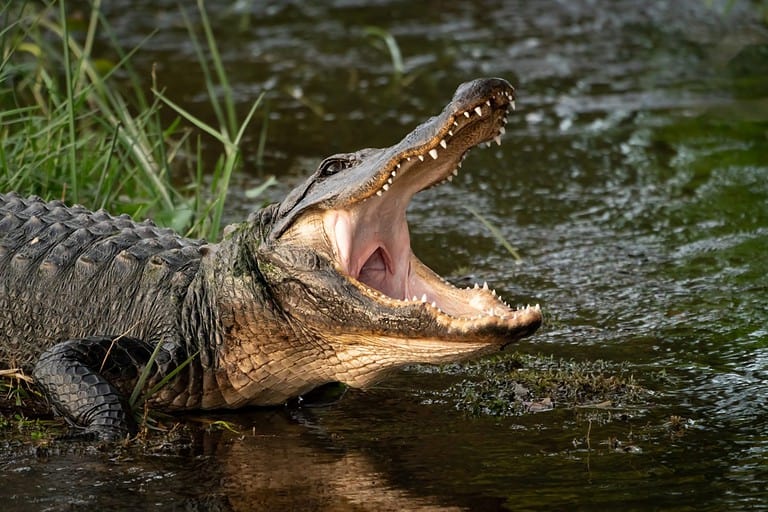
Busy trails are predictable to alligators in the Everglades, which is why they are less likely to attack.
©Lingbeek/iStock via Getty Images
A University of Florida study found that 96% of recorded bite incidents involved some form of human inattention or risk-taking right before the bite, indicating that alligator bites are rarely random and are usually preceded by risky human behavior. Ultimately, unprovoked bites are rare, but encounters can still rise as more people enter alligator habitat.
For visitors, maintaining safety is key. However, the busiest Everglades trails feel calmer because they keep you at a distance from these gators and moving predictably, which helps them remain calm and uninterested in engaging violently. Remember to keep the NPS-recommended distance of 15–20 feet from any wildlife, as well as staying away from shorelines where gators and crocodiles can strike quickly.
The 7 Best Everglades Hikes for Alligator Sightings, by Safety and Density
Interested in exploring the Everglades on foot? Whether you’re hoping to catch sight of a gator or simply want to revel in the splendor of this intricate ecosystem, these are the seven best hikes for you to consider. Plus, we’ve ranked them by their overall safety and the likely density of the local alligator population, just to maximize your potential sightings. Let’s hit the trails now!
1) The Birding Boardwalk: Anhinga Trail
- Safety: Very high (paved and boardwalked, with constant sight lines)
- Alligator density: Very high, especially in the dry season
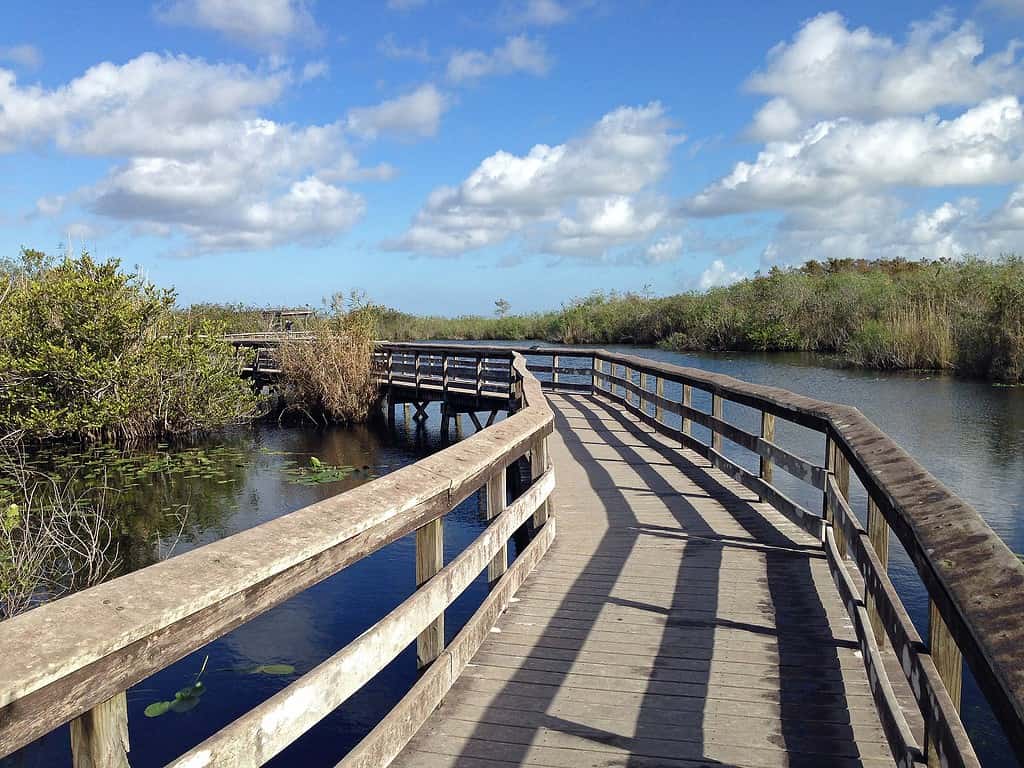
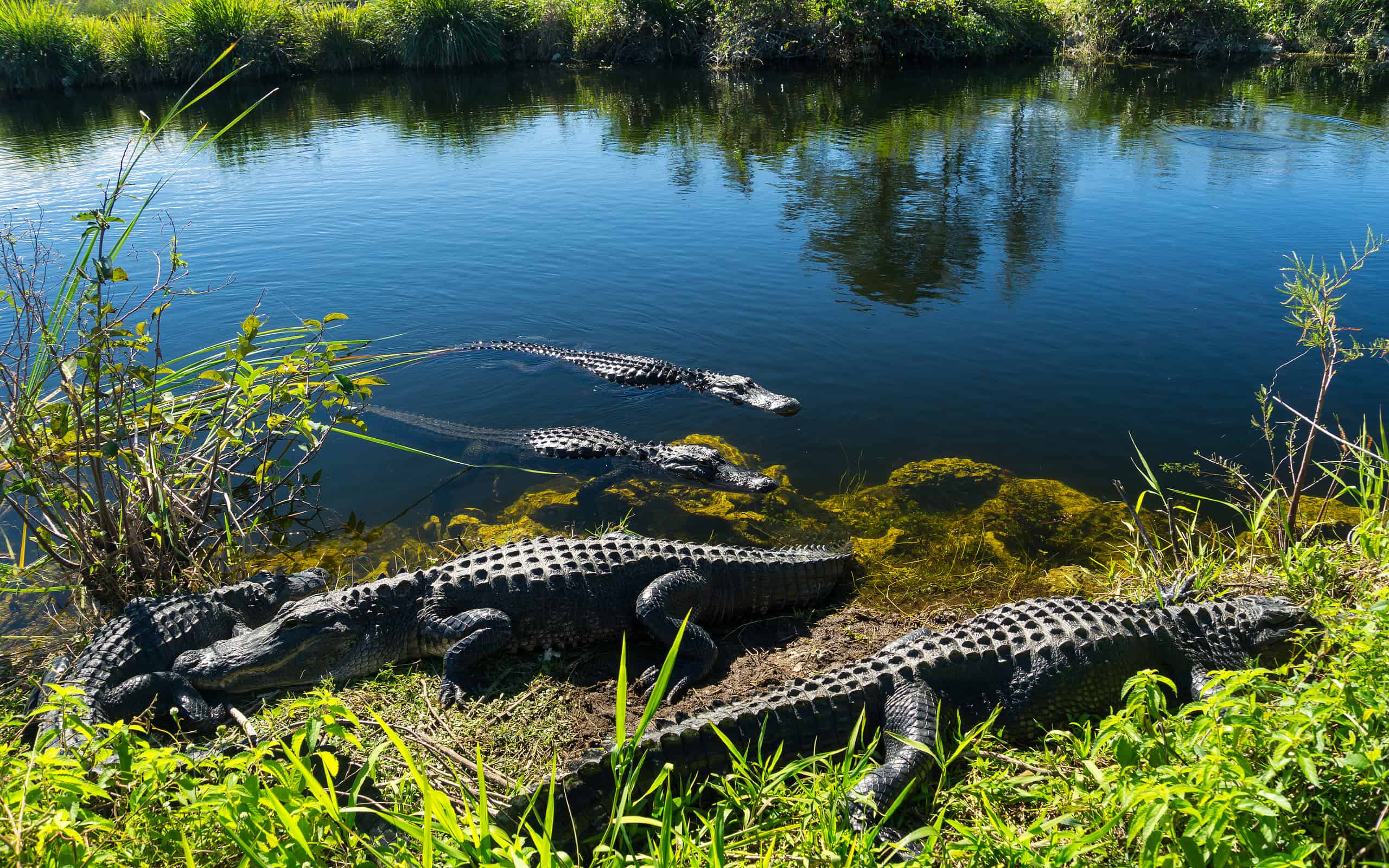
The boardwalk path makes this Everglades hike easy, with plenty of gators to see.
This is a classic Everglades walk for spotting gators. The NPS describes this route as a self-guided and paved path that leads to a looping boardwalk over sawgrass marsh and freshwater sloughs. These sloughs hold deep pockets of water, water that gators love to spend time within.
Visitors may also spot fish, turtles, anhingas (as the trail name suggests), and many other birds, especially in winter when dry-season water levels concentrate wildlife along the slough shores. It’s easy for all ages to witness a variety of animals here, so consider it if you’re planning a trip.
Keep in mind that this trail is popular because it delivers wildlife quickly, without much need for intensive hiking. The trick is to stop at a slough-viewing spot and remain there for a few minutes. Gators will surface for air in time, and the scene changes as you wait instead of walking nonstop.
2) The Predator Path: Shark Valley Trails
- Safety: High (paved loop road with clear rules)
- Alligator density: Very high
Shark Valley is a longer, more complex version of Anhinga, with fewer tight close-ups and more repeated sightings over miles as opposed to a short distance. On its website, the park notes you may see alligators, herons, egrets, deer, turtles, and snail kites along the road, with an observation tower at the halfway point that allows you to see across the marsh.
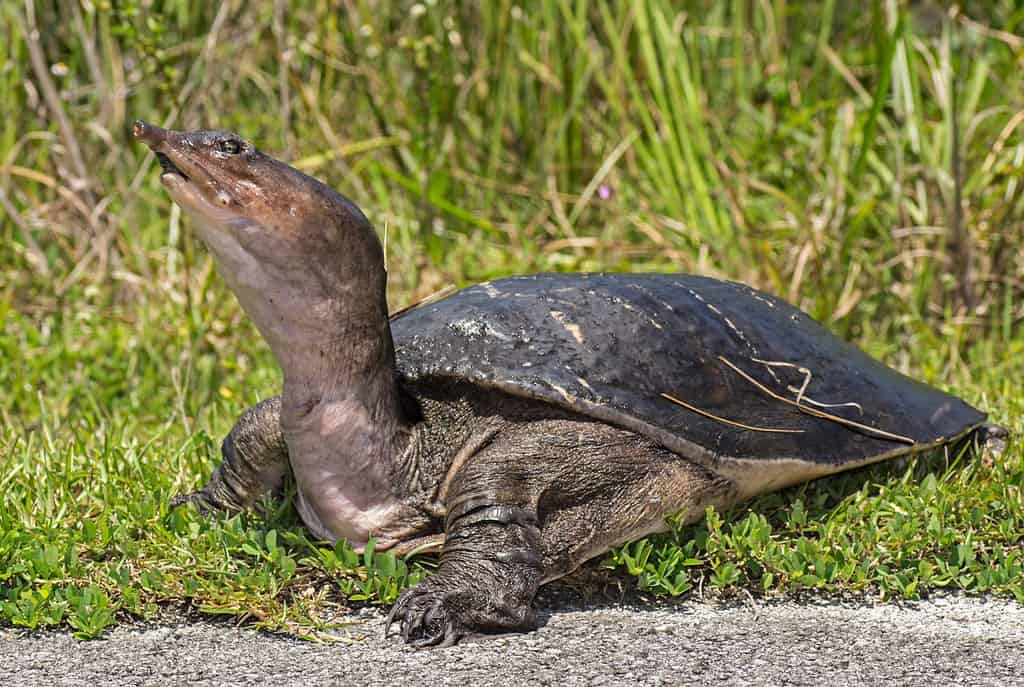
Softshell turtles are a common sight along this Everglades trail.
©Andy Lidstone/Shutterstock.com
The canal edges and open views make basking alligators easy to spot, especially as the sun rises and animals settle into warm, exposed places. There’s plenty of variety beyond gators too, making this a fantastic birdwatching option. Keep in mind that Shark Valley can tempt people into getting too close, as animals are easily visible from the pavement. Keep your distance and stay safe!
3) The Big-View Bottleneck: Pa-hay-okee Overlook
- Safety: Very high (short, accessible boardwalk)
- Alligator density: Medium to high; best when water is lower
A shorter option that’s perfect for taking the kiddos along, Pa-hay-okee teaches guests how the Everglades works in a single glance. It’s a boardwalk loop leading to a raised platform with sweeping vistas of the river, with an elevated angle helping visitors read water depth and spot the darker, deeper lanes where animals, like gators, cluster.
Even with this in mind, alligator sightings along this trail ultimately depend on conditions. When the water is high, you may not spot any; when water is lower, deeper pockets and slough channels become obvious, and that’s when you’re more likely to pick out gators by their distinctive shape and movement.
4) The Flamingo Pond Loop: Eco Pond Trail
- Safety: Medium to high (short loop, with open pond edges)
- Alligator density: High in wintertime
Something is always happening at the Eco Pond Trail, as it’s built around a contained body of water near Flamingo. With a 1/2-mile loop featuring wading birds and shorebirds, this is a fast hike. There are even occasional crocodiles in the area.

In wintertime, this trail is an ideal spot for seeing alligators surface.
©tswinner/iStock via Getty Images
If you want alligators specifically, this trail frequently offers opportunities to see them, especially in winter, though sightings can vary from day to day. The sightings here feel more intimate compared to the previous and wide marsh overlooks, as you’ll often see gators posted near vegetation lines where fish and birds typically approach. Keep in mind that windy days may influence what you’re able to see, as rippling water can make you think you’re viewing gators when there’s nothing actually there.
5) The Mangrove Tunnel: West Lake Trail
- Safety: Very high (boardwalk)
- Alligator density: Medium
West Lake is a different Everglades view, complete with mangroves and a unique coastal transition habitat. Another self-guided boardwalk, this route leads guests through mangrove and buttonwood trees to the edge of West Lake. It’s important to note that mangroves trap sediment and slow water, creating sheltered nursery zones for fish and invertebrates.
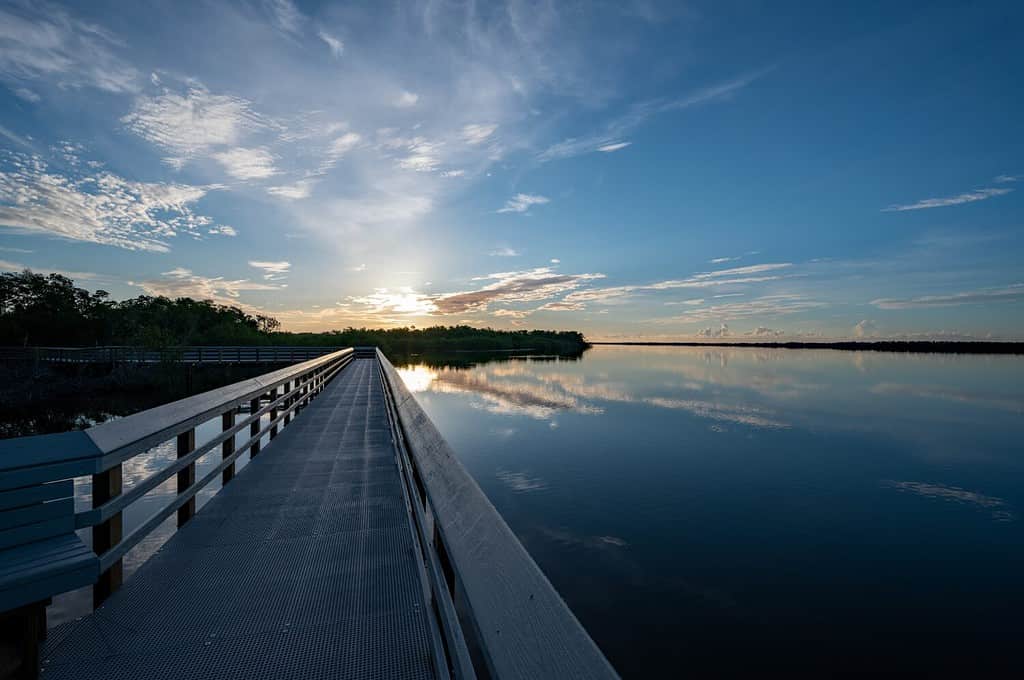
West Lake is a beautiful spot, regardless of whether you end up seeing any gators.
©Francisco Blanco/Shutterstock.com
Alligators show up here because of these trapped, slow waters, though sightings can be less immediate compared to Anhinga or Shark Valley. However, there’s a broader predator mix and the sense of stepping into a coastal system rather than a freshwater slough, which is a must-see in the Everglades.
6) A Quiet Wildlife Walk: Rowdy Bend Trail
- Safety: Medium (overgrown area with uneven terrain)
- Alligator density: Medium
The aptly named Rowdy Bend feels more like a real hike than a boardwalk stroll, which is why it can be satisfying for people who want more space and freedom. The trail is roughly 2.6 miles one way, running along an overgrown roadbed through buttonwoods and coastal prairie, and it calls the route an ideal opportunity for woodland birdwatching, if that’s on your Everglades agenda.
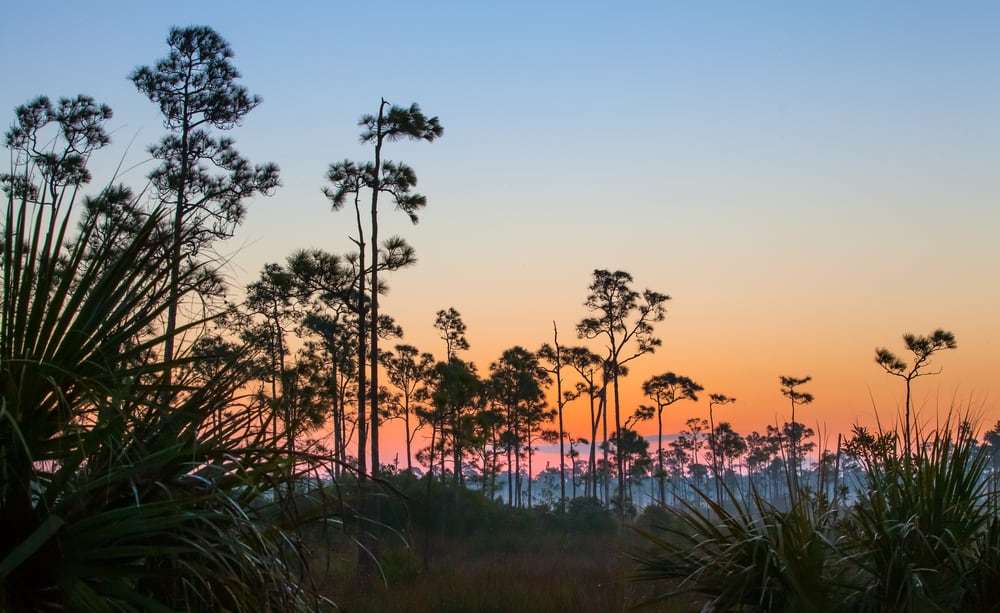
This Everglades trail is ideal for birdwatching, though you may still see gators.
©jo Crebbin/Shutterstock.com
Alligator sightings here are much less predictable, given that the trail experience involves multiple habitats and bodies of water. Some days you’ll spot several animals, but other days are all about the birds. However, this trail shows how the Everglades holds multiple ecosystems side by side, and you get a real sense of scale if you’ve only been on the boardwalk trails.
7) The Deep Swamp Trek: Gumbo Limbo Trail
- Safety: Very high (short, paved, shaded)
- Alligator density: Low to medium; worth it for fauna
This particular trail completes the Everglades’ ecosystem: Gumbo Limbo is all about hardwood hammocks, which are slightly higher areas of dense vegetation that stay drier than the surrounding sawgrass and shorelines.
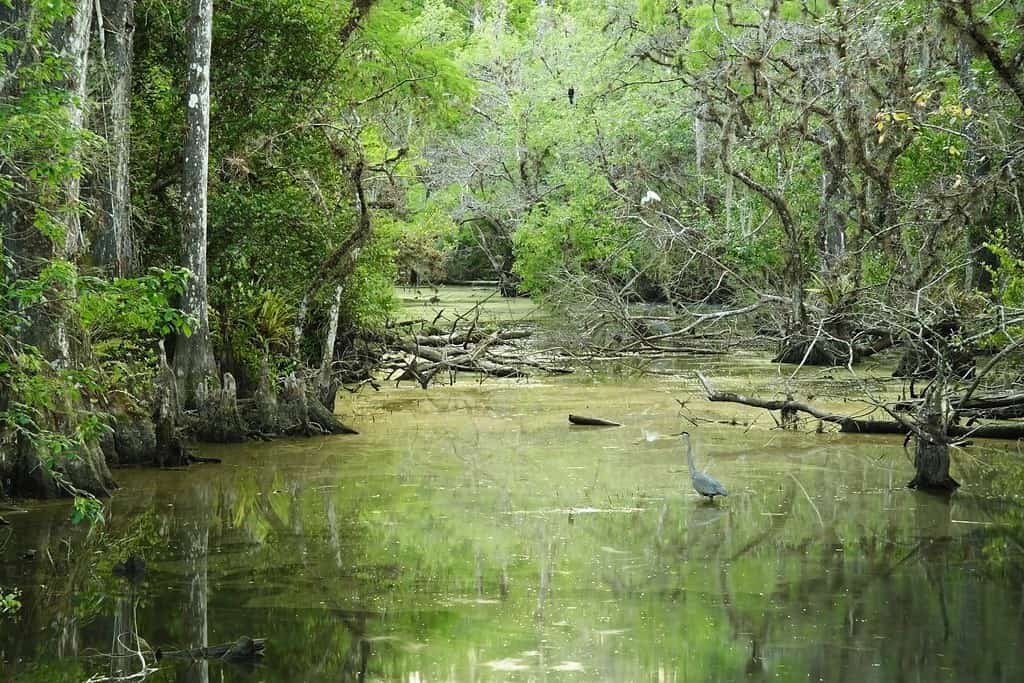
This trail is all about swamp life, with many unique plants to see.
©William Silver/Shutterstock.com
Plus, this trail is only a 0.4-mile paved, self-guided option, winding through a shaded area of gumbo limbo trees, royal palms, ferns, and air plants. This plant community supports different birds and different insects, ultimately showing to visitors a calmer, cooler version of the Everglades.
While alligators may appear at the edges of nearby water, this is the trail that helps you understand why the Everglades can hold so many species in one unique place. And the Gumbo Limbo Trail isn’t only providing you with multiple unique animal species: the plants here truly shine.
The Everglades Are Vast and Full of Wildlife
If you’re hoping to spot alligators on your trip to the Everglades, use the park the way wildlife uses it: start where the water is deepest, then expand to shallower, more diverse areas. Each of these hikes involve different facets of the park, providing you with a unique glimpse into it, far beyond the show-stealing gator population.
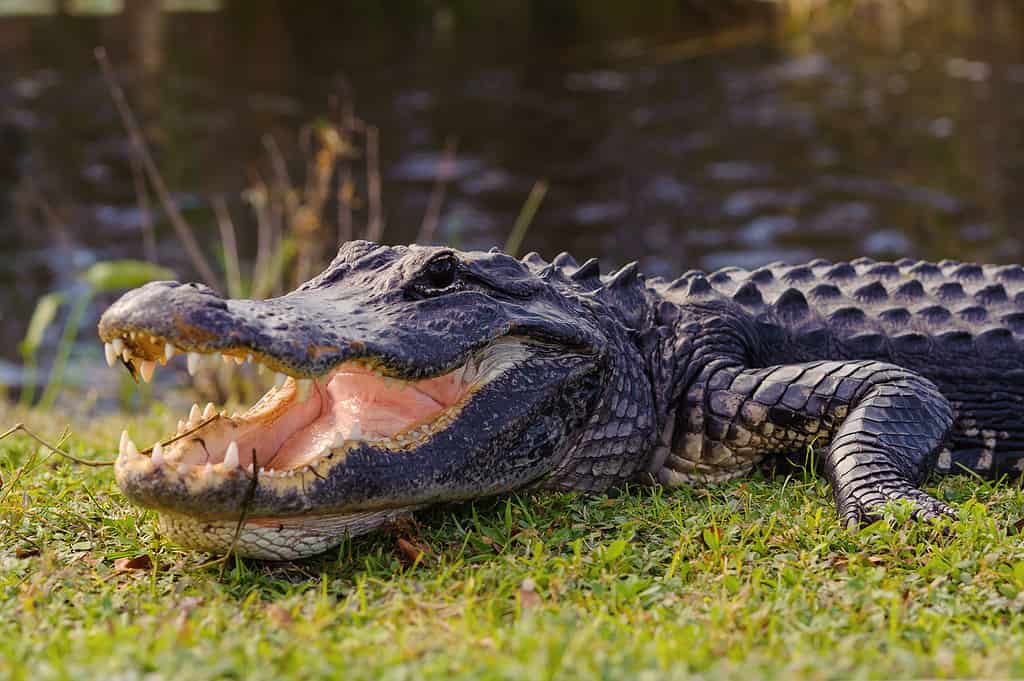
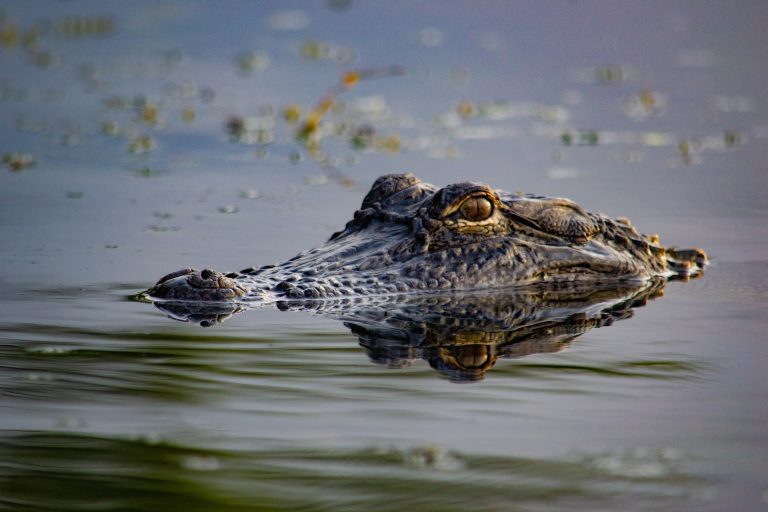
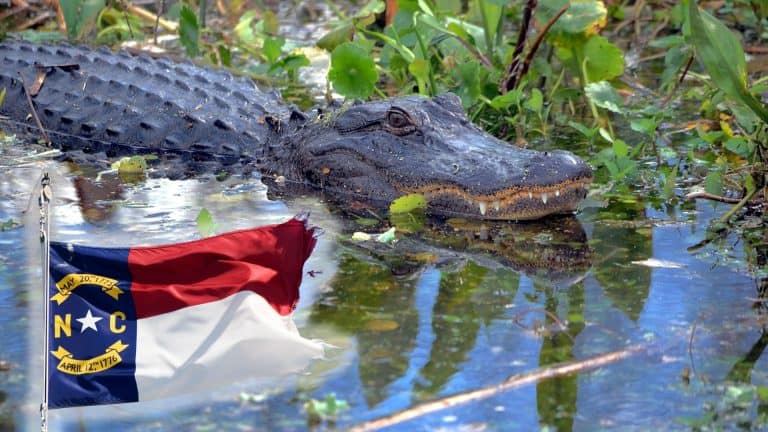
Gators thrive in the Everglades; just remember you’re in their home and safety is key.
©Sorbis/Shutterstock.com
Remember, your best safety and viewing rule stays the same across all seven hikes: keep your distance and stay off shorelines, with 15-20 feet between you and any animal. Your respect keeps the Everglades thriving and ensures an exciting gator sighting for all who opt to visit.