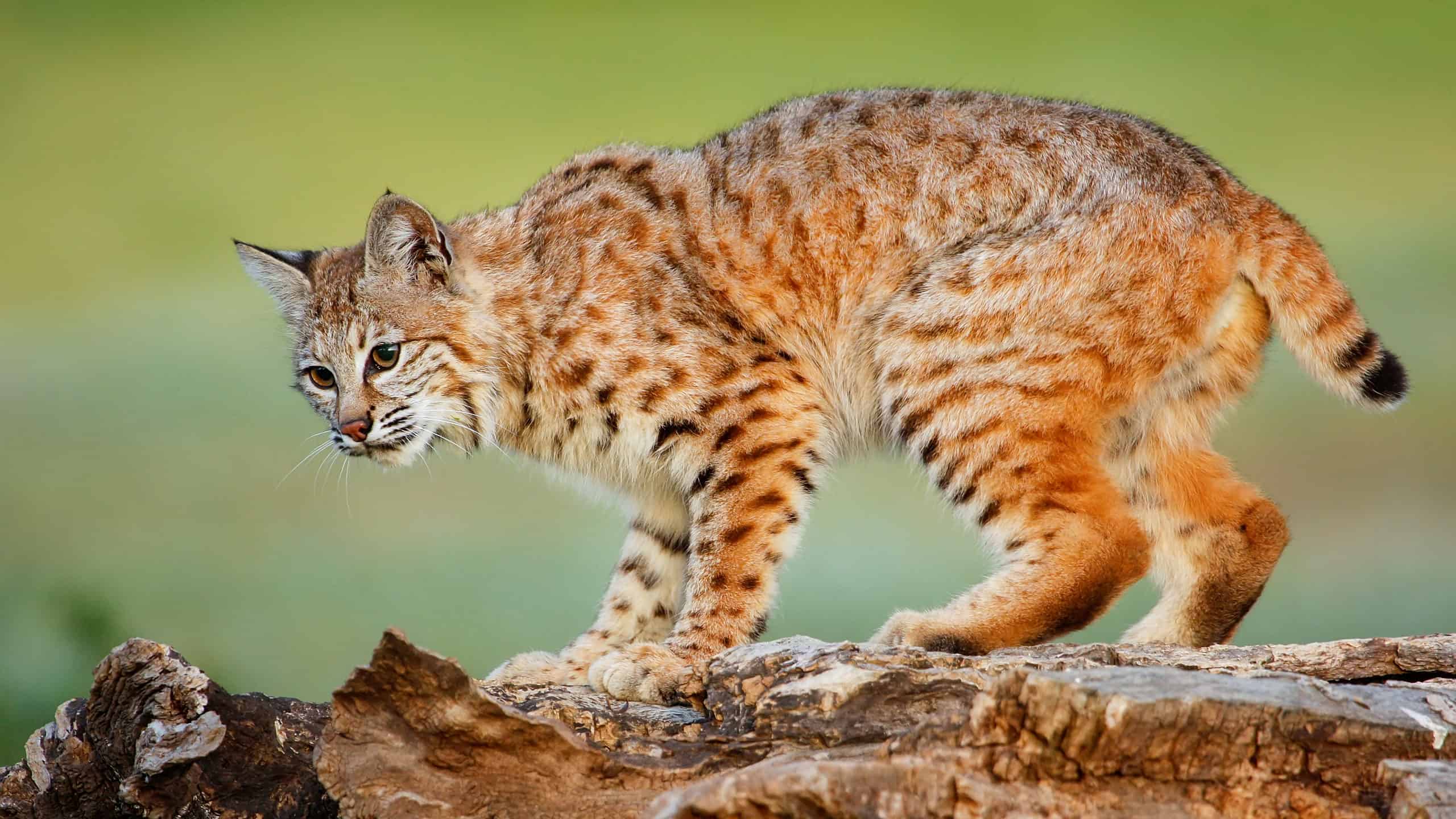

Mississippi’s rural areas, swamps, and local farmlands are home to a medium-sized wildcat that most residents never see. The bobcat, a native species of North America, prowls this state’s backroads and forests and is rarely spotted. Despite hardly ever being seen, these solitary predators are thriving all the way from the Gulf Coast to the Tennessee border.
In this article, we’ll explore where they live, what they eat, whether they can be hunted, and what to do if one crosses your path. Here’s everything you need to know about the presence of bobcats in the state of Mississippi.
Hiding in Plain Sight: Bobcats in Mississippi
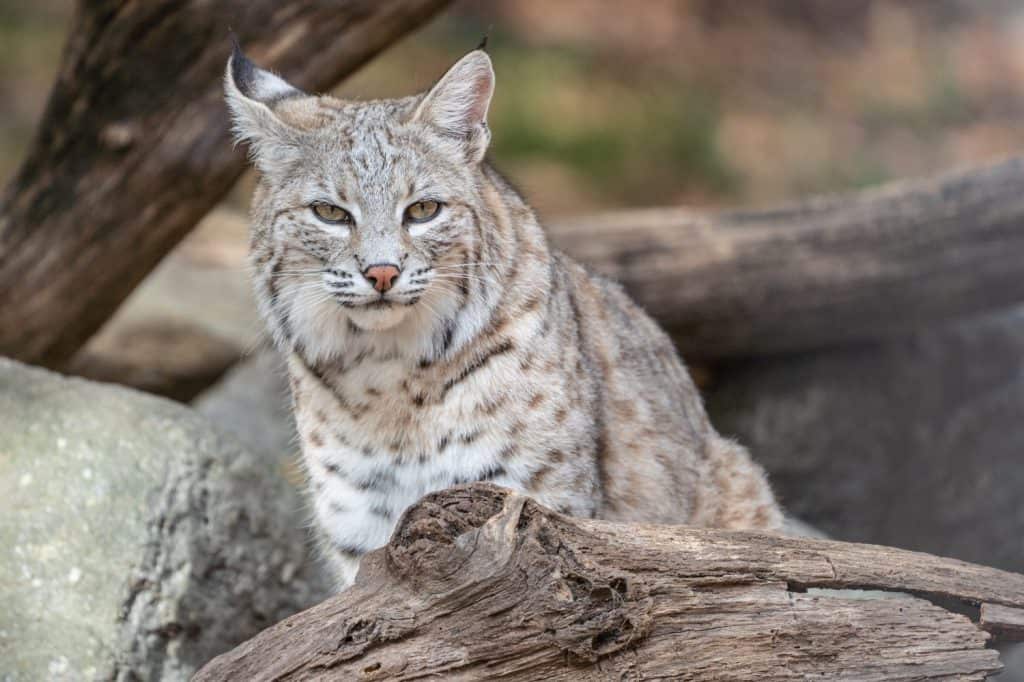
Bobcats are adaptable survivors.
©Amy Lutz/Shutterstock.com
Despite their elusive and secretive nature, bobcats inhabit nearly every county in Mississippi. According to the Mississippi Department of Wildlife, Fisheries, and Parks (MDWFP), these wildcats are adaptable survivors that make use of almost any habitat capable of offering them the thick cover they prefer as well as plentiful prey. They roam forests, iconic Mississippi swamps, agricultural areas, and even suburban edges, though you’ll likely never catch sight of one during your backyard barbecue.
How Many Bobcats Reside in Mississippi?
Bobcats are more active at night.
©Ingo70/Shutterstock.com
While no official statewide census for bobcat populations in Mississippi exists, wildlife biologists estimate that tens of thousands of bobcats live across Mississippi’s counties. Studies suggest that if even half the state provides suitable habitat, populations could easily number above 30,000 individuals.
Officials describe the species as stable and abundant, which means bobcats are neither threatened nor declining. Their stealth and preference for night activity keep them out of sight, but their tracks, scat, and game-camera sightings reveal just how widespread they are. They have been captured in many different regions within Mississippi, illustrating just how many might be lurking just out of sight.
How Bobcats Thrive in Mississippi’s Varied Landscapes
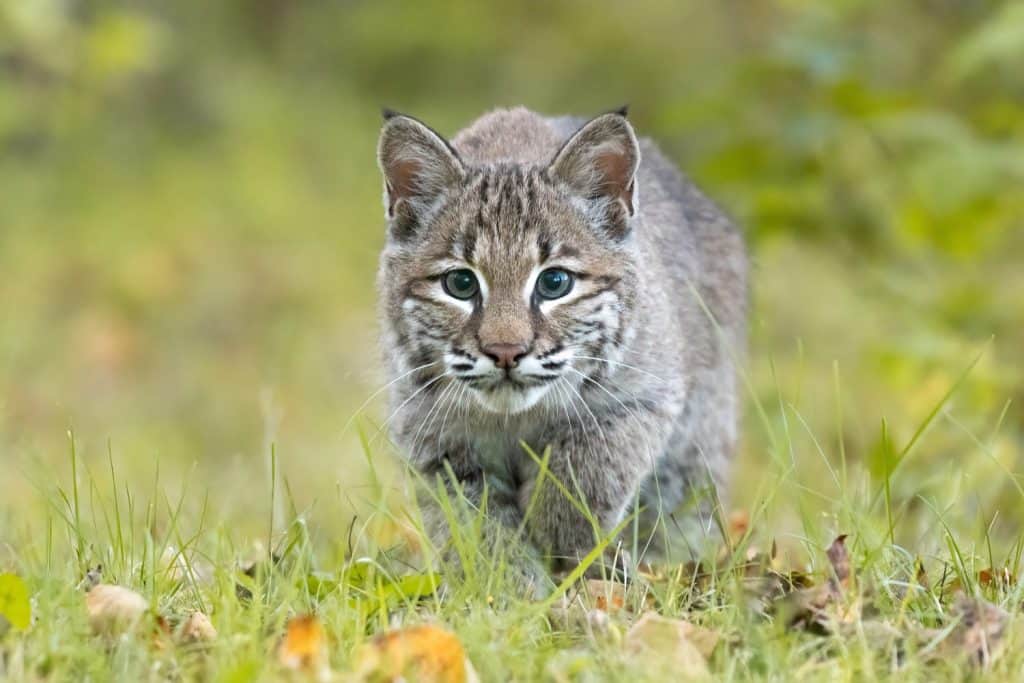
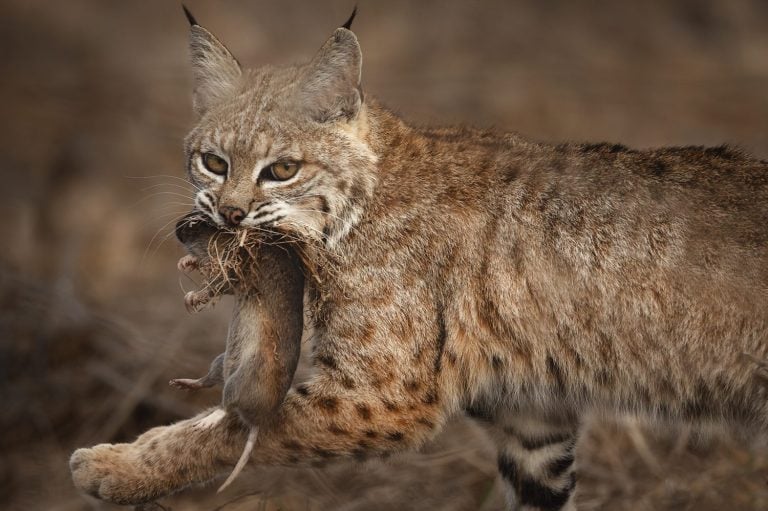
Bobcats help control rodent populations.
©Travis Potter/Shutterstock.com
Bobcats in Mississippi have proven themselves to be incredibly adaptable to their changing environments. However, one thing remains constant when choosing a habitat: they have a preference for areas with dense vegetation for stalking and resting. Male bobcats may roam more than 25 square kilometers, while females maintain smaller territories closer to good hunting grounds and den sites.
As carnivorous opportunists, bobcats range in order to feed on rabbits, squirrels, mice, and small birds. In rural areas, they occasionally prey on young deer. If they find themselves near farms, they might take chickens or other small livestock if unprotected.
Bobcats play a vital role in controlling rodent and rabbit populations, which indirectly benefits farmers by reducing crop damage. However, this benefit may not be obvious to farmers who are struggling with bobcats preying on their livestock or poultry. This raises the question: Is bobcat hunting legal in Mississippi?
Is Hunting Bobcats Legal in Mississippi?
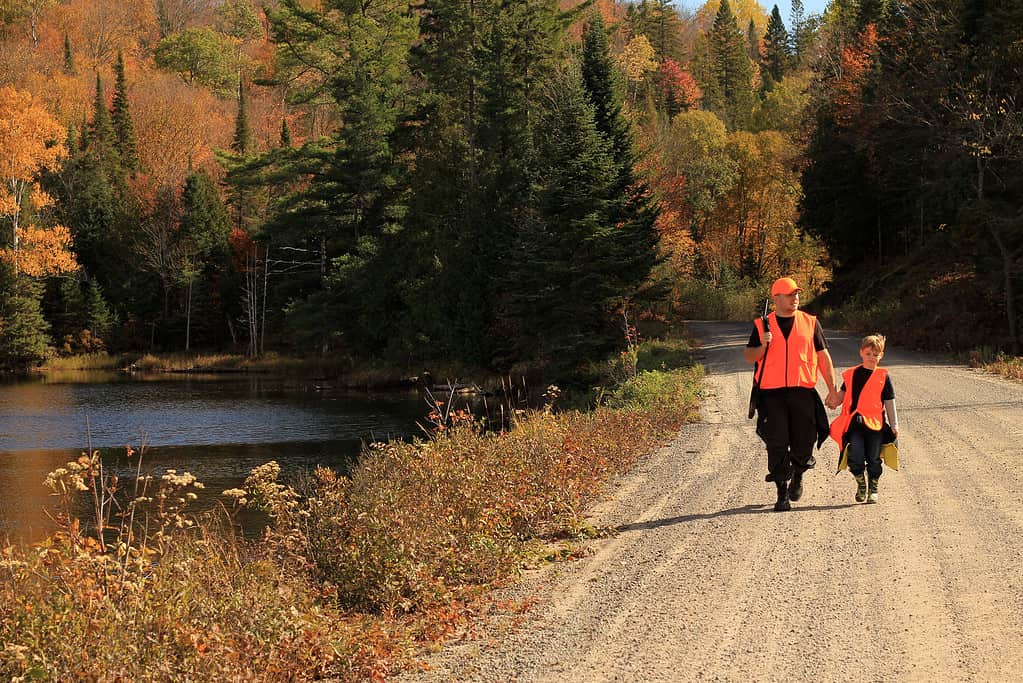
There are some regulations on bobcat hunting.
©ElviK/iStock via Getty Images
Bobcat hunting and trapping are both legal in Mississippi, but are closely managed through state regulations. The MDWFP sets annual seasons for furbearer hunting, with the 2025 season for bobcats running from October 1st to October 31st for food and sport, with additional dates for pelt and other purposes as set by MDWFP. Hunters and trappers must possess valid licenses and follow all applicable rules within the state in order to hunt or trap correctly.
Additionally, any bobcat harvested in Mississippi must receive a CITES tag before being transported across state lines. This tagging requirement, part of an international wildlife trade treaty, helps track fur exports and maintain sustainable harvest levels. Recent official harvest numbers for bobcats in Mississippi have not been published for the 2024–2025 season, but the population is still considered stable and healthy by state wildlife officials.
Regulated harvest actually plays a key role in balancing ecosystems and preventing overpopulation in areas where bobcats have few natural predators, according to state wildlife sources. However, anyone seeking to trap or hunt these wild, furbearing animals should always verify the most current season dates and tagging requirements with MDWFP before setting out on an excursion.
What Should You Do If You Encounter a Bobcat?
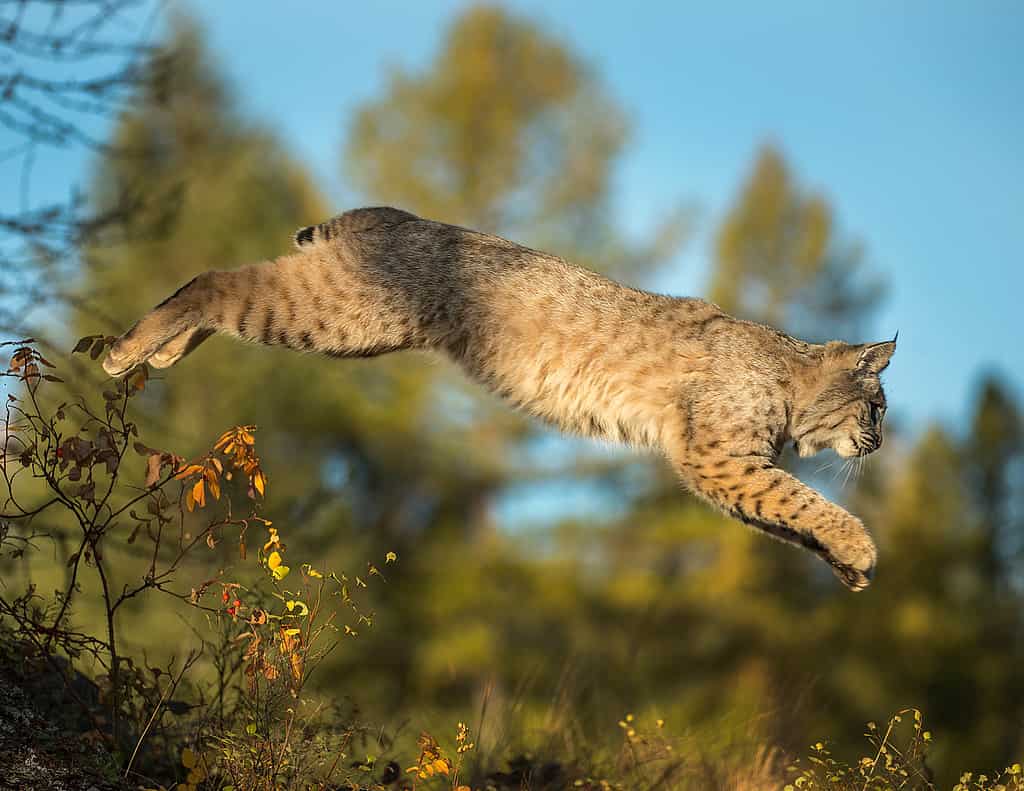
Bobcats may act defensively if they feel threatened.
©Chris Desborough/Shutterstock.com
For most Mississippians, seeing a bobcat is actually a once-in-a-lifetime experience, despite their large populations. These cats prefer to avoid humans whenever possible, but if you do encounter one, remain calm, stand tall, and give it plenty of room to retreat. Bobcats are not aggressive toward people, but they may act defensively if cornered or startled, so this is to be avoided at all costs.
Additionally, do not attempt to feed, approach, or chase a wildcat. Feeding wildlife can alter their natural behavior quickly, as well as increase the risk of future conflicts. If you catch a bobcat lingering around your home or property, make noise or use bright, motion-activated lights to discourage it from returning. Pet owners should keep cats and small dogs indoors after dusk and secure poultry or livestock in enclosed, locked shelters.
If you happen to notice a bobcat acting disoriented, injured, or unusually bold, contact the Mississippi Department of Wildlife, Fisheries, and Parks for guidance. Although rabies and other diseases are extremely rare in bobcats, reporting odd behavior helps wildlife officers monitor public safety and animal health. Doing your part helps keep animals of all kinds safe within the state of Mississippi!
Bobcats in Mississippi: A Secretive Neighbor
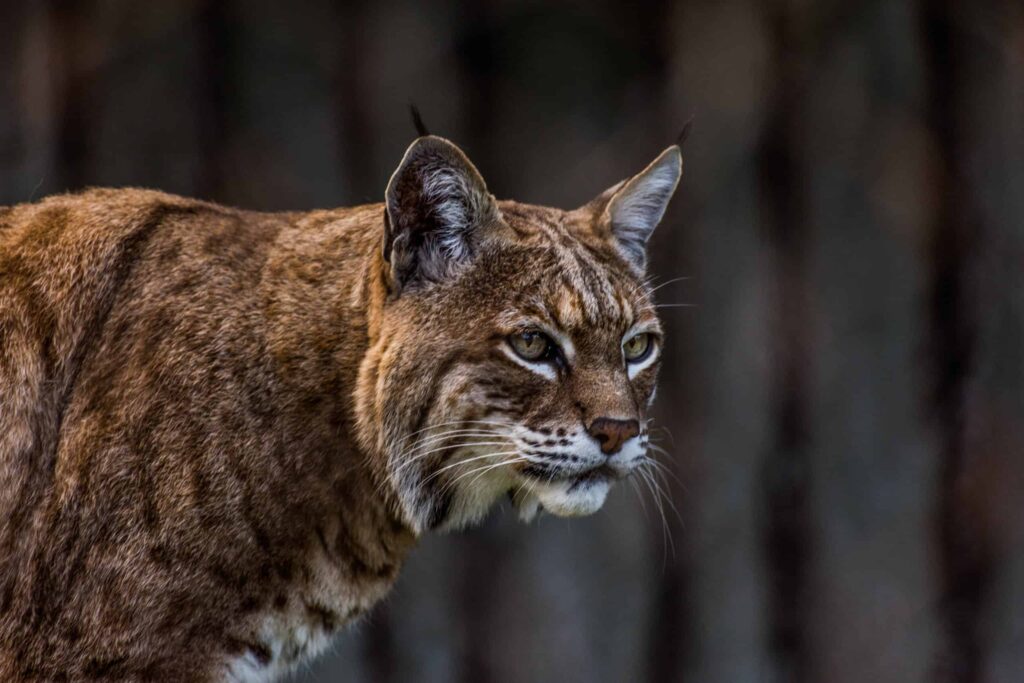
Hunting bobcats is part of wildlife management.
©Victor Arita/Shutterstock.com
The bobcat population in Mississippi is a testament to nature’s ability to adapt, as these cats have flourished alongside people while controlling small-mammal populations and keeping ecosystems balanced. Their population remains healthy, supported by responsible wildlife management and public respect for their space. This is why hunting and trapping of bobcats is legal in Mississippi.
Always remember to hunt and trap these big cats safely, legally, and confidently. They deserve our respect and efforts to help preserve their population for years to come.