
Quick Take
- Something found in most backyards is silently inviting bobcats in, and it is probably not what you would guess. See what attracts bobcats →
- Most people's instinct when they spot a bobcat is exactly wrong, but there is a surprisingly simple fix. Find the right response →
- Bobcat sightings spike at a very specific time of year, and most homeowners are completely unprepared for it. Learn about seasonal bobcat activity →
As a native Vermonter, bobcats are as common as sugarhouses in every rural town. They are seen slightly less often than black bears, and people living in big cat territory learn to coexist with them. Sometimes, this also means sharing your yard with them. Unlike sugarhouses, bobcat sightings are not limited to rural areas. Bobcats are found in a wide range of habitats, including farms, suburban neighborhoods, and even some urban areas.
As development continues to encroach on their habitat, bobcat sightings in suburban and developed areas have become more frequent in recent years. And while a bobcat could spook the most seasoned outdoorsman, they’re not looking to fight. More often than not, they’re simply looking for a way to survive.
What Does a Backyard Bobcat Sighting Mean?
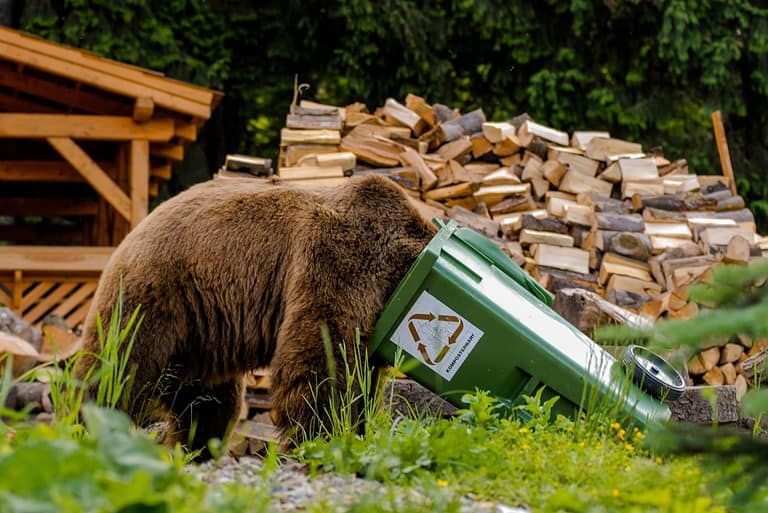
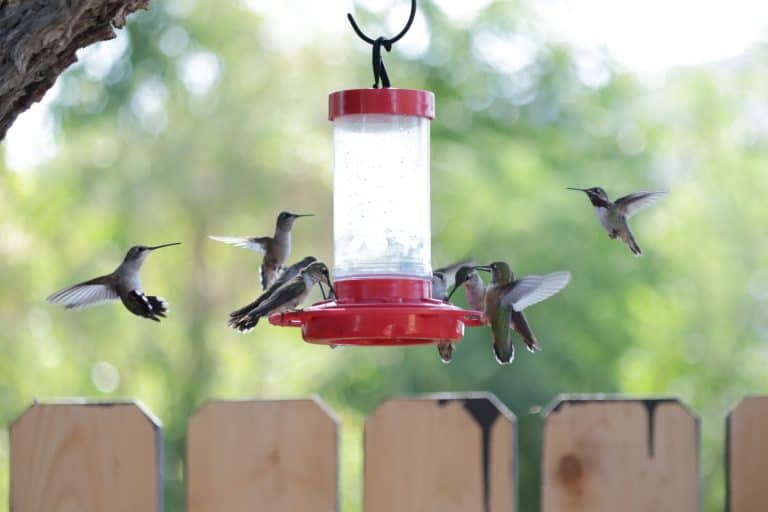
If you’re seeing bobcats in your backyard, they’re probably coming around for the same reason a bear might. Bobcats are skillful hunters, but they are also opportunistic predators. If they see a chance to score an easy meal, they won’t hesitate to investigate. Open trash cans, recently cooked meals left on the grill, and bird feeders—which attract other animals—can all lure bobcats. They’re attracted by the scent of food and the trails left by their prey, such as rodents and other small mammals.
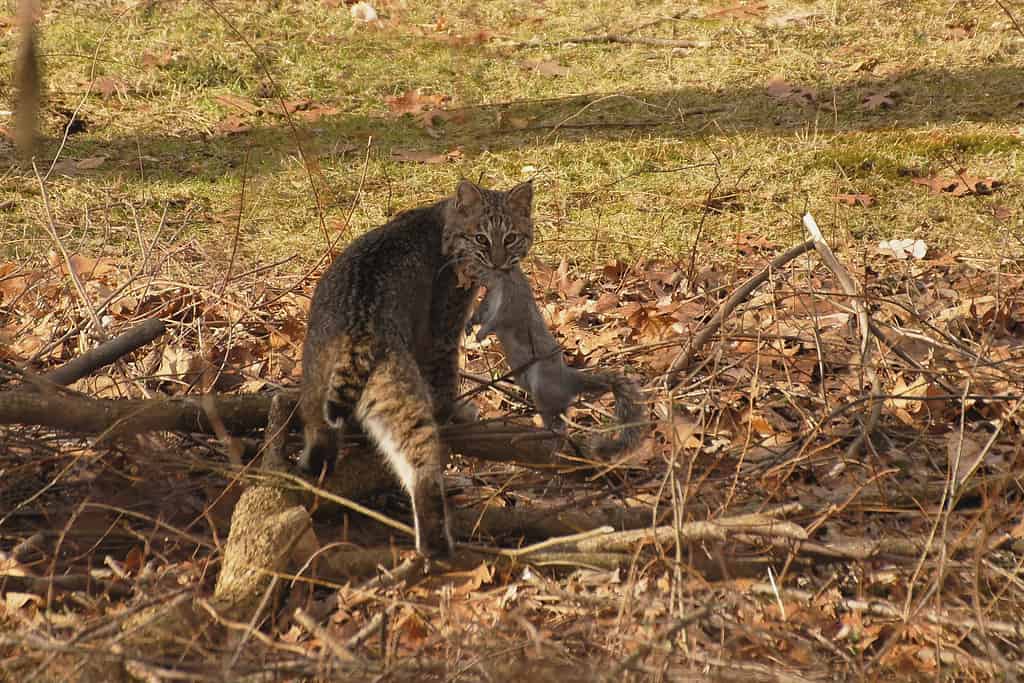
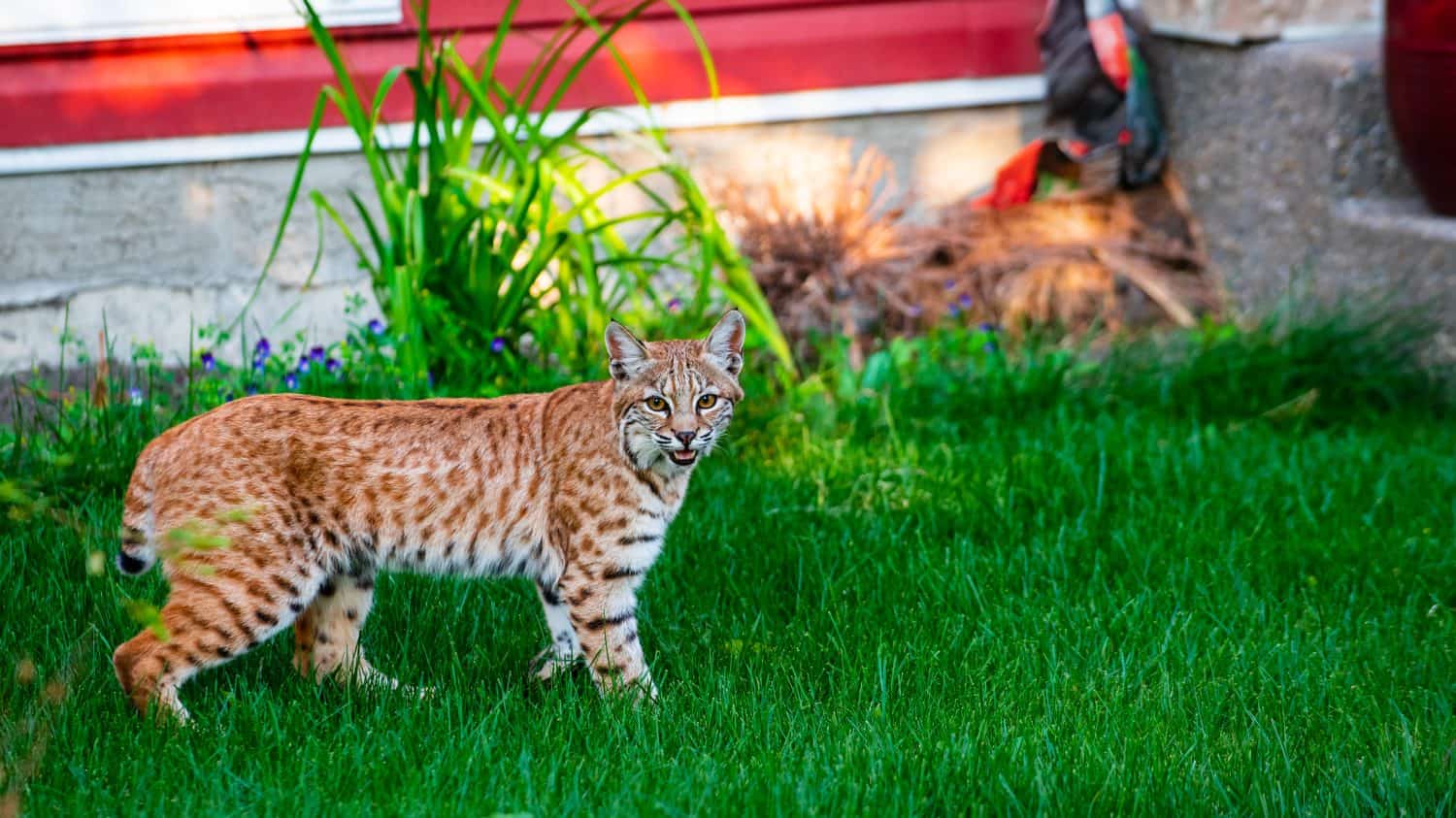
Bobcats end up in yards after following prey, such as squirrels.
©Cate-Scott-Powell/iStock via Getty Images
Activity increases at dusk and dawn, which is why you’re more likely to see bobcats in the early morning or early evening hours. They do not hibernate in winter, so this activity may continue year-round. In the winter, when food is more scarce, homeowners may even see an uptick in activity. This is also true during the breeding season, which runs from February to March. Bobcats are bold and won’t hesitate to do things like scale a fence, especially if there’s food on the other side.
Another thing that attracts bobcats is the promise of shelter. In the winter and on hot summer days, they might be found seeking refuge beneath porches and decks. Shady spots are prime real estate, especially if they’re near pet dishes or water bowls. The good news is that, while sightings can be startling, bobcats are not naturally aggressive toward humans. In fact, they scare off pretty easily.
What to Do If You See a Bobcat in Your Yard
The first rule when encountering any big cat is to stay calm. Bobcats are not typically aggressive toward humans and prefer to flee rather than attack. Making your presence known by loud noises, shouting, and waving your arms is often enough to deter them. As with most animals, bobcats may become more aggressive when protecting their young or, in rare cases, if they have rabies. If a bobcat does not leave, the best practice is to go inside and bring your pets with you. A cornered bobcat may attack if it feels threatened, so make sure it has an escape route.
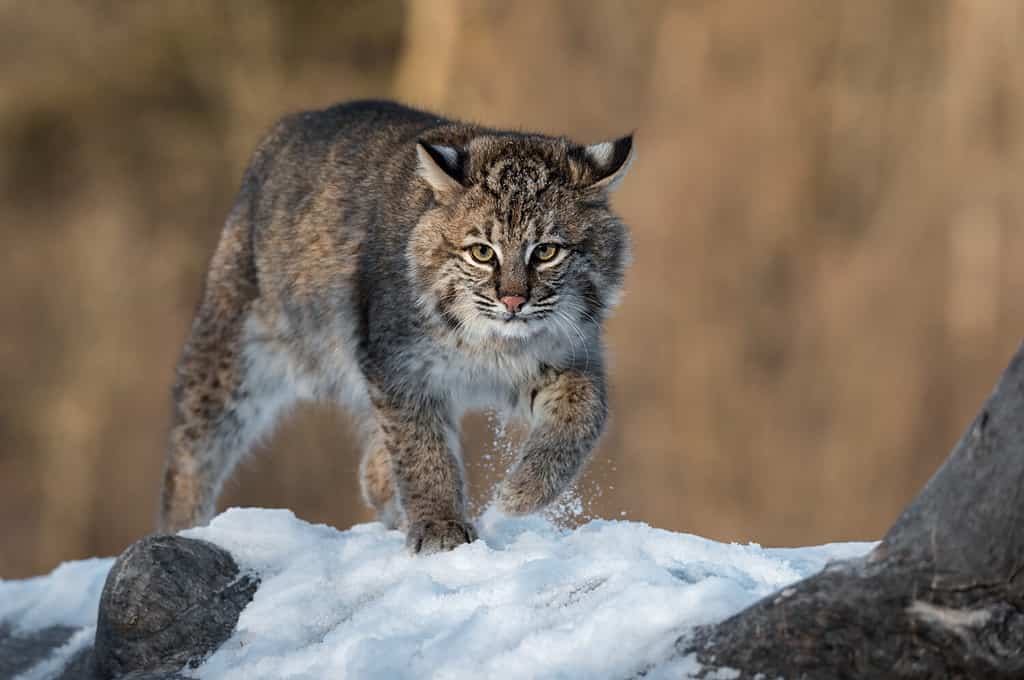
Winter sightings are frequent as food becomes scarce.
©Holly Kuchera/Shutterstock.com
As rural and suburban areas become more developed, bobcat-human encounters are increasing. Knowing how to interpret bobcat behavior and mannerisms is the best way to stay safe. Additional safety tips include:
- Bring in all pet dishes and food.
- Ensure chickens and other farm animals are safe behind reinforced fencing.
- Install fences that are at least six feet tall to deter bobcats.
- Use motion-sensor lights that come on at night.
- Move all garbage and recyclables into the garage.
- Clean grills and other outdoor cookware thoroughly.
- Avoid leaving brush, open crawlspaces, or covered spaces around sheds and decks.