
Quick Take
- If you’re planning to spend time in bear country, hike in a group and follow safety precautions.
- Recognizing what type of bear you might encounter is key to taking suitable actions during an encounter.
- Among other distinguishing features, compare the humped shoulders on grizzlies and other brown bears to the lower shoulders on black bears.
- If a brown bear charges you, play dead. If a black bear charges, make yourself look bigger.
- Bears are looking for food, so keep yours secure and remember that you’re sharing their habitats.
For most North American hikers, the possibility of a bear encounter has crossed their minds. Whether a hiker is prepared for an encounter, however, is another matter. When I worked as a field biologist with the U.S. Forest Service in Northern California, I learned some tips for staying safe in places where you may cross paths with bears.
If you’re lucky, a bear will notice you and head the other way. However, depending on the circumstances, a bear may take defensive action, which could include charging you. When that happens, you must know whether it’s a black bear (Ursus americanus) or a brown bear (Ursus arctos, of which grizzlies are a subspecies), since different actions are warranted.
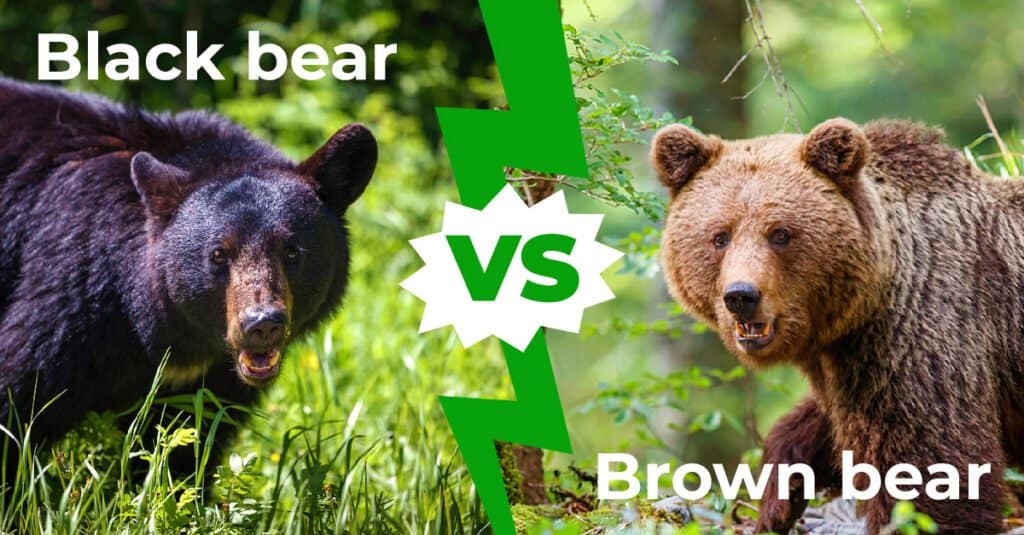
1st Pro Tip: Know which bear you might encounter on your hike, based on its geographic range and appearance. You can’t identify the bear species based on coat color, since both black bears and brown bears have subspecies that vary in color. But you can look at the overall body shape.
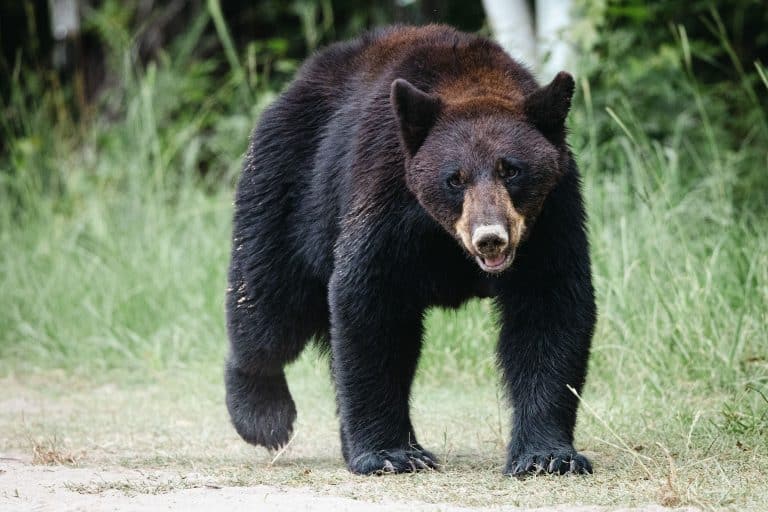
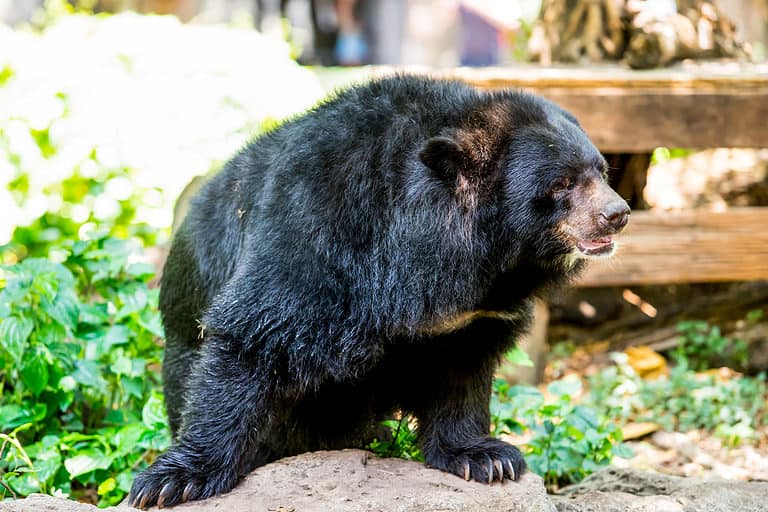
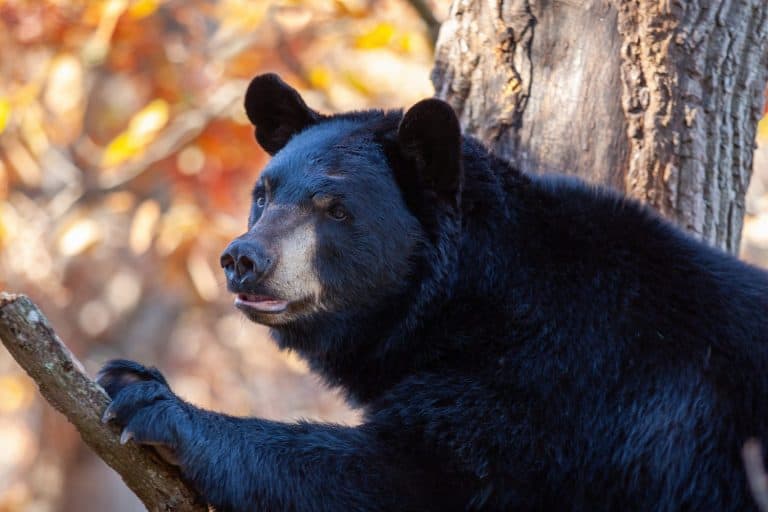
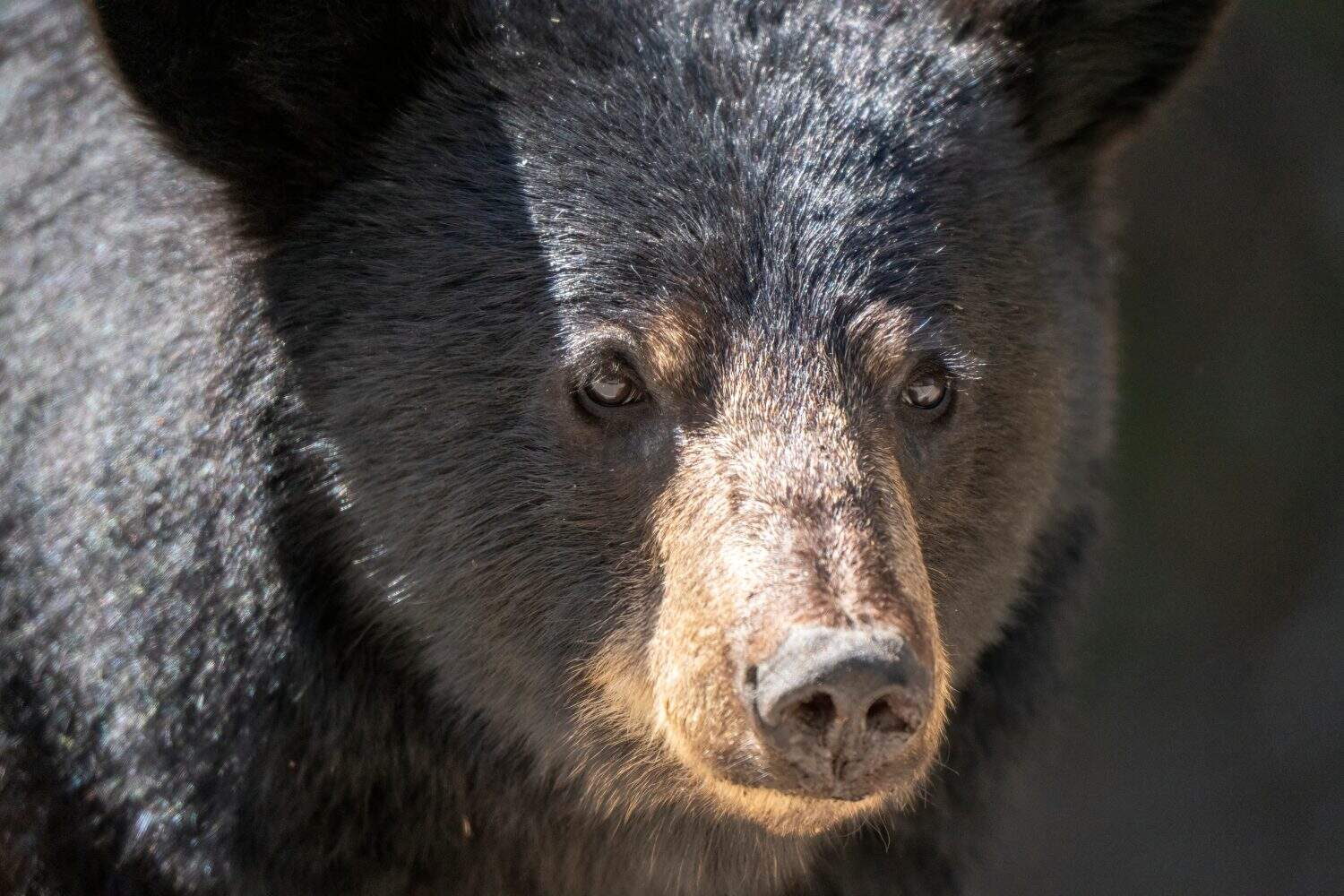
- Black bears are the most widely distributed bear in North America and occur across much of the United States, Canada, and Alaska. If you’re hiking anywhere in the Northeast, Midwest, or Southern U.S., the only bear you’d see is a black bear. They also range northward into Canada and Alaska. See range map HERE. Black bears are distinguishable by their relatively smaller size (2 to 3.5 feet tall at the shoulder), their straight-nosed profiles, and their lack of a shoulder hump. Adults typically weigh about 100 to 600 pounds, depending on sex, age, season, and location.
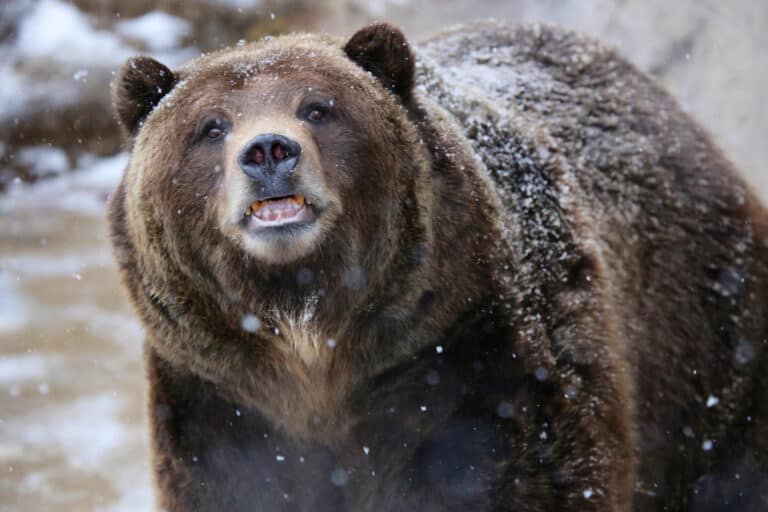
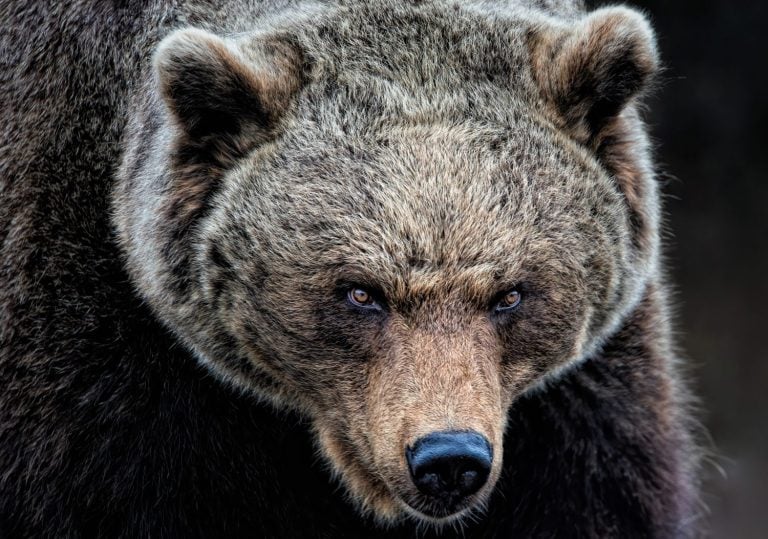
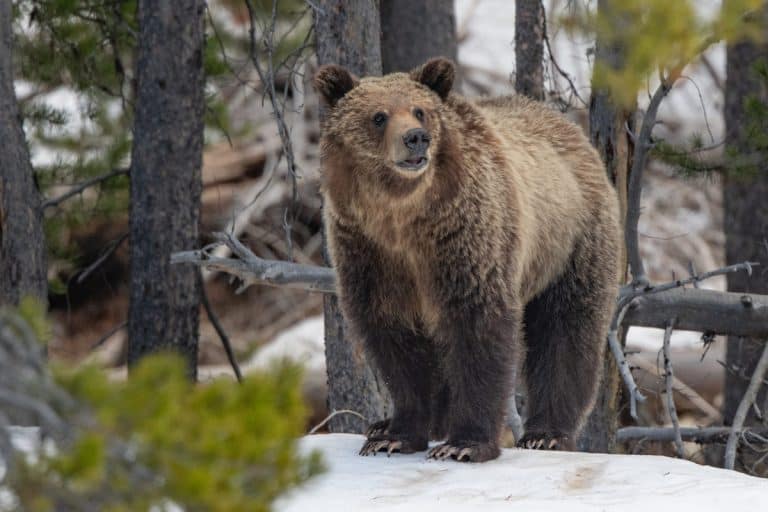
- Brown bears have a more northerly range. They’re found in limited areas of the Northwest, including Idaho, Wyoming, Washington, and Montana. Mostly, they occur in Canada and Alaska. Brown bears were extirpated by hunting in all other southward parts of their original range. A brown bear has a distinctive hump of muscle that makes its shoulders taller than its rump, plus a concave snout in profile. On all fours, it stands 3 to 5 feet at the shoulder and can weigh up to 900 pounds.
Once you have an idea of which bear species you’re likely to see, stay alert while hiking, and avoid hiking alone whenever possible. If a bear starts to move toward you, don’t scream or run because it makes you seem more like a prey animal. Although bears are omnivores, with large amounts of plant materials in their diets, black bears and brown bears may charge you when they feel excited or threatened.
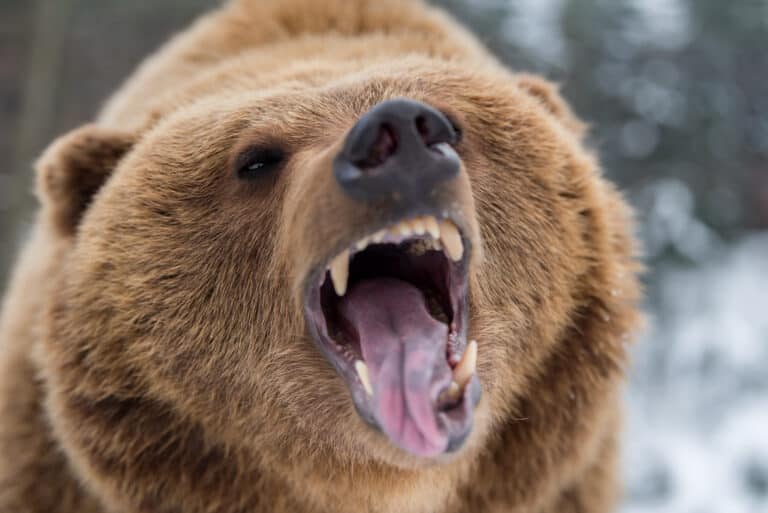
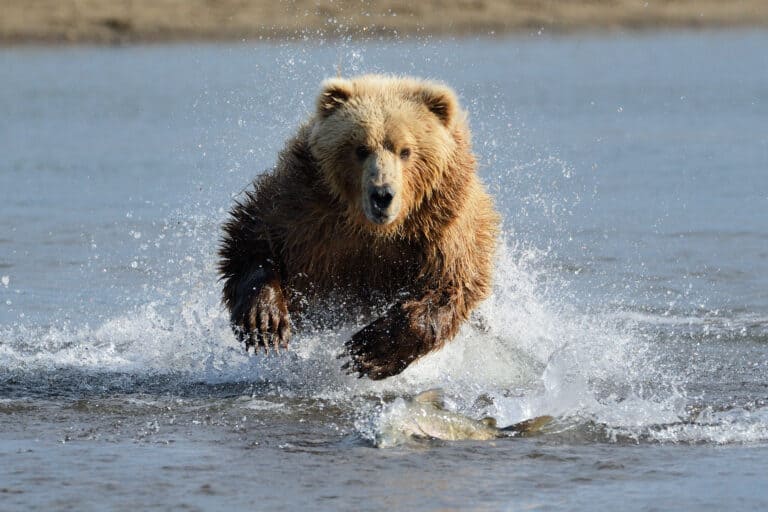
Some bear charges are simply bluffs to scare you off, in which case the bear will bound toward you, but then stop short and veer away. But other aggressive charges could result in an attack, which is a highly dangerous situation. While a bluffing bear tends to keep its head up and ears forward, a true aggressive charge is preceded by a bear clacking its teeth, huffing, and pounding its paws on the ground.
2nd Pro Tip: Ascertain what kind of bear it is (quickly!), then behave accordingly.
If you think it’s a black bear, SCARE IT OFF. Wave your arms slowly and otherwise try to look like a big, strong human. “In California, black bears are naturally skittish and should flee immediately if encountered, so noise and presence should scare them off,” explains U.S. Forest Service Wildlife Biologist Kary Schlick, who crosses paths with bears during her work in the Inyo National Forest, which runs along the eastern side of the Sierra Nevada mountains. “However, beware of nuisance bears that have become habituated to humans and will stand their ground. They may act ferociously bold!” In that case, you should slowly back off while keeping the bear in sight; move sideways to avoid tripping and further threatening the bear.
If it’s a brown or grizzly bear and it makes contact with you during a defensive attack, play dead. If the bear is approaching but has not made contact, stand your ground, prepare your bear spray, and follow park guidance for that situation. Brown bears are much more aggressive than black bears. Lay flat on the ground, facedown, and use your arms and hands to protect your head and neck. Spread out your legs apart to make yourself less compact and harder for the bear to flip over. If you’re wearing a backpack, keep it on as a defensive shield. Stay as still and quiet as possible until you’re absolutely sure the bear has left the area. If a grizzly or brown bear attacks in what appears to be a defensive encounter, play dead. If a bear is stalking you, attacks you in a tent, or the attack appears predatory, fight back as hard as you can.
Even if you follow the bear safety guidance, you could find yourself in a dangerous and even fatal bear encounter. For example, if you accidentally position yourself between a mother and her cubs, she may get highly agitated. If you’re planning to spend time in the backcountry, you should consider buying bear spray. Check whether bear spray is allowed in the park you plan to hike; for example, Yosemite National Park continues to ban bear spray as of 2026, while most other national parks in bear country permit it.
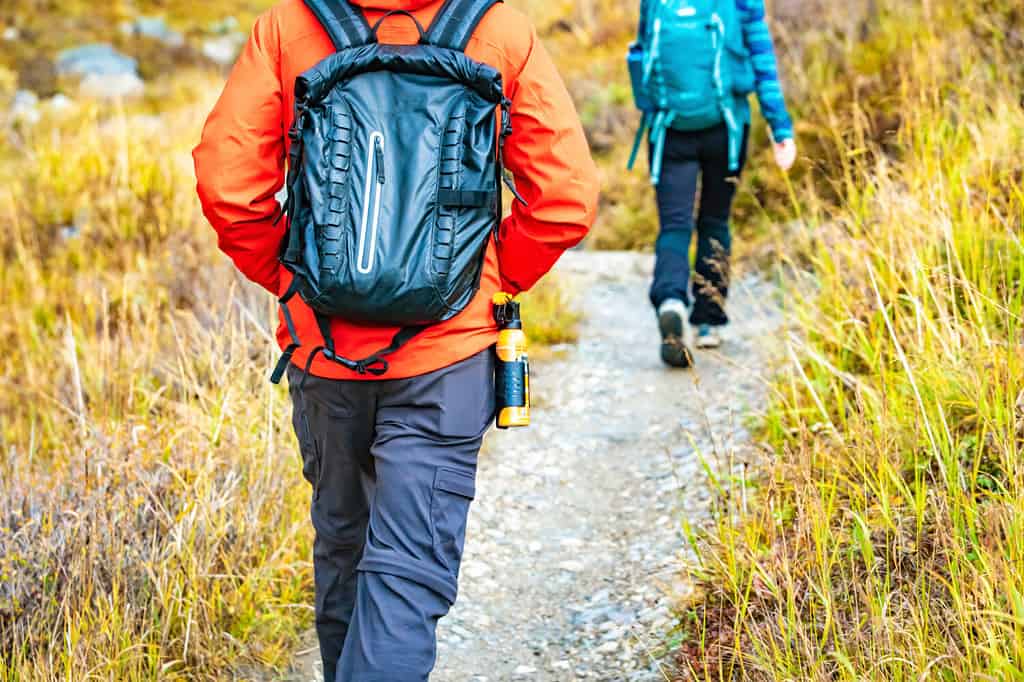
Keep bear spray in a place you can easily access it, such as holstered to your waist.
©Photo Spirit/Shutterstock.com
3rd Pro Tip: Carry bear spray, but only if it’s an EPA-approved brand, which has been tested and shown to work. Bear spray is made with the same ingredient as pepper spray — the molecule oleoresin capsicum from hot peppers — except bear spray is stronger. The spray inflames the bear’s eyes and upper respiratory system, causing intense burning and temporary impairment that can stop or deter an attack and give you time to leave the area.
You don’t spray it on your body like insect repellent, but rather at the bear, like you’d use mace on a person attacking you. Ideally, by the time a bear approaches within about 20 yards away, you grab the canister, remove the safety clip, and start spraying. Try to make a barrier of noxious mist between you and the bear. Be aware of wind direction and try not to spray directly into the wind, since blowback can reduce the spray’s effectiveness and affect you too.
In California, black bears are naturally skittish and should flee immediately if encountered, so noise and presence should scare them off.
Kary Schlick, U.S. Forest Service Wildlife Biologist
Of course, if you’ve stowed the canister in the bottom of your backpack or set it down elsewhere while you picnic, you may have a problem. According to this demonstration video featuring Bear Management Biologist Kerry Gunther and other sources, black bears can run up to 30 mph (about 15 yards per second), while grizzly bears can reach speeds up to 35 mph (about 17 yards per second). That doesn’t give you much time to act.
4th Pro Tip: Don’t carry a firearm instead of bear spray. According to a National Park Service article, shooting at a bear may provoke it to be more aggressive, leaving you in more danger. Effective use of bear spray requires little experience, while shooting a bear is challenging.
Neither should you carry mace or pepper spray intended for humans and expect to repel a charging bear. The chemicals are likely too weak to alter a bear’s behavior, and they tend to shoot out a narrow stream rather than a mist.
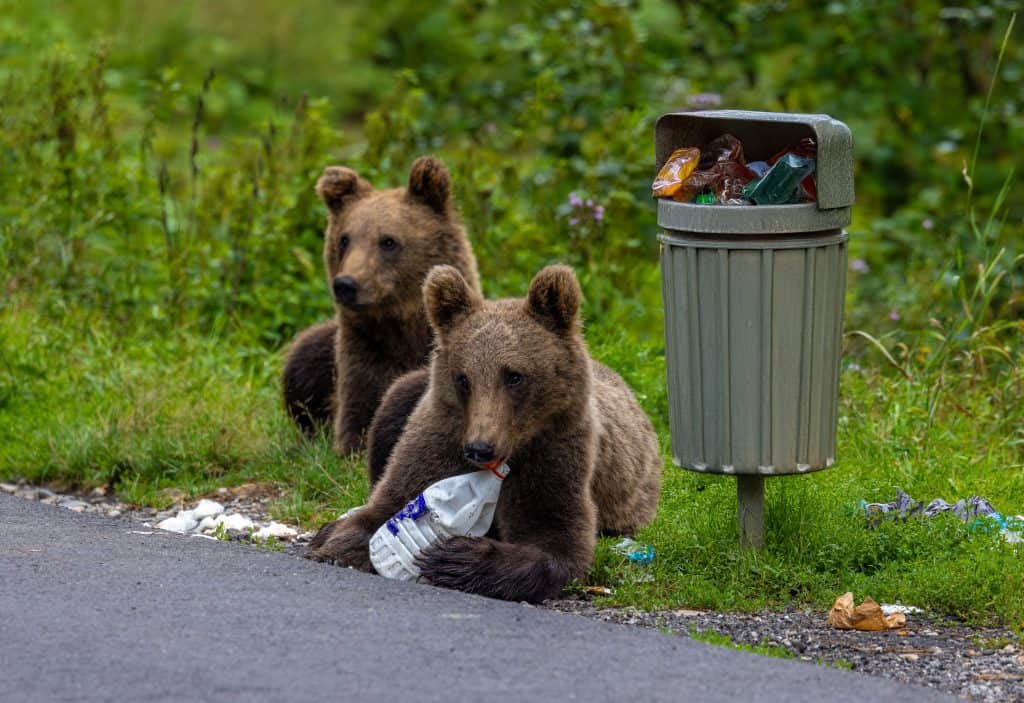
Bears may approach people for several reasons, including food conditioning, curiosity, or defensive reactions involving cubs or a carcass.
©Sebastian_Photography/Shutterstock.com
5th Pro Tip: The single best strategy is to remove the food rewards that wild black or brown bears are seeking, such that their boldness around humans doesn’t get reinforced. Store your food in a place that bears can’t access, and never keep food in a tent if there’s a chance that you’re in bear territory. In bear country, set up cooking, eating, and food-storage areas well away from where you sleep, commonly about 100 yards when conditions allow.
“Storing your food in a bear-proof box is a great practice and helps keep all wildlife wild, including pesky squirrels, mice, ravens, and jays who steal our goods,” explains Kary Schlick. “You can leave the box behind as a distraction when a bear is in pursuit of your human goods, which may include alcohol, toothpaste, medicine, and granola.”
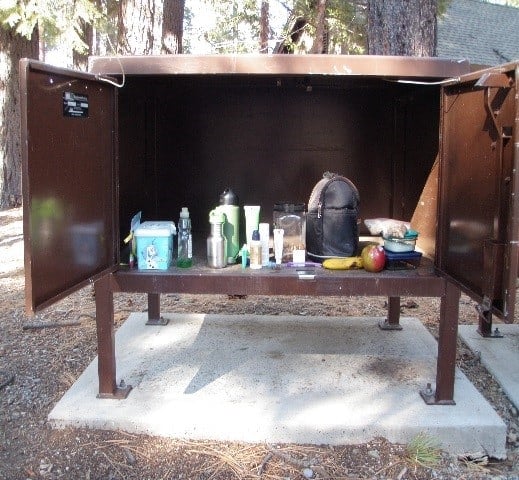
Food and toiletries are typical items stowed away in metal bear boxes, like this one in Stanislaus National Forest.
Finally, keep in mind that bears were inhabiting these ecosystems long before humans. Black bears were pushed out of many places by European settlers who hunted and farmed in their native ranges. Thanks to conservation measures, such as the establishment of national parks, forests, and refuges during the 1900s, they’ve made a recovery. Attacks on humans by brown bears are rare. According to the National Bear Center, black bears have killed 61 people across North America since 1900, which averages to less than one person per year.
Even though grizzlies and other brown bears are more aggressive, a 2019 study reported that “negative encounters with brown bears are extremely rare and mainly non-fatal.” Of the 183 brown bear attacks in North America reported from 2000 to 2015, 24 resulted in a human death, also averaging fewer than two people per year.
So, with suitable precautions, you should be able to safely hike in bear habitats.