
Quick Take
- Both game wardens and park rangers take on essential roles to protect the great outdoors.
- Game wardens, also known as wildlife officers, enforce laws and manage public lands.
- Park rangers are devoted solely to protecting land and visitors, focusing on things like education, visitor services, wildlife management, and habitat restoration.
Have you ever watched North Woods Law and dreamed of working in a national park? If you have, you’re not alone. A passion for protecting the Great Outdoors is something many share, and both game wardens (like those on the Animal Planet show) and park rangers share a similar protective role. While many of their jurisdictions and duties overlap, there are key differences between the two. When it comes to protecting our land and wildlife, both park rangers and game wardens are essential. This is how their jobs differ from one another.
What is the Job of a Game Warden?
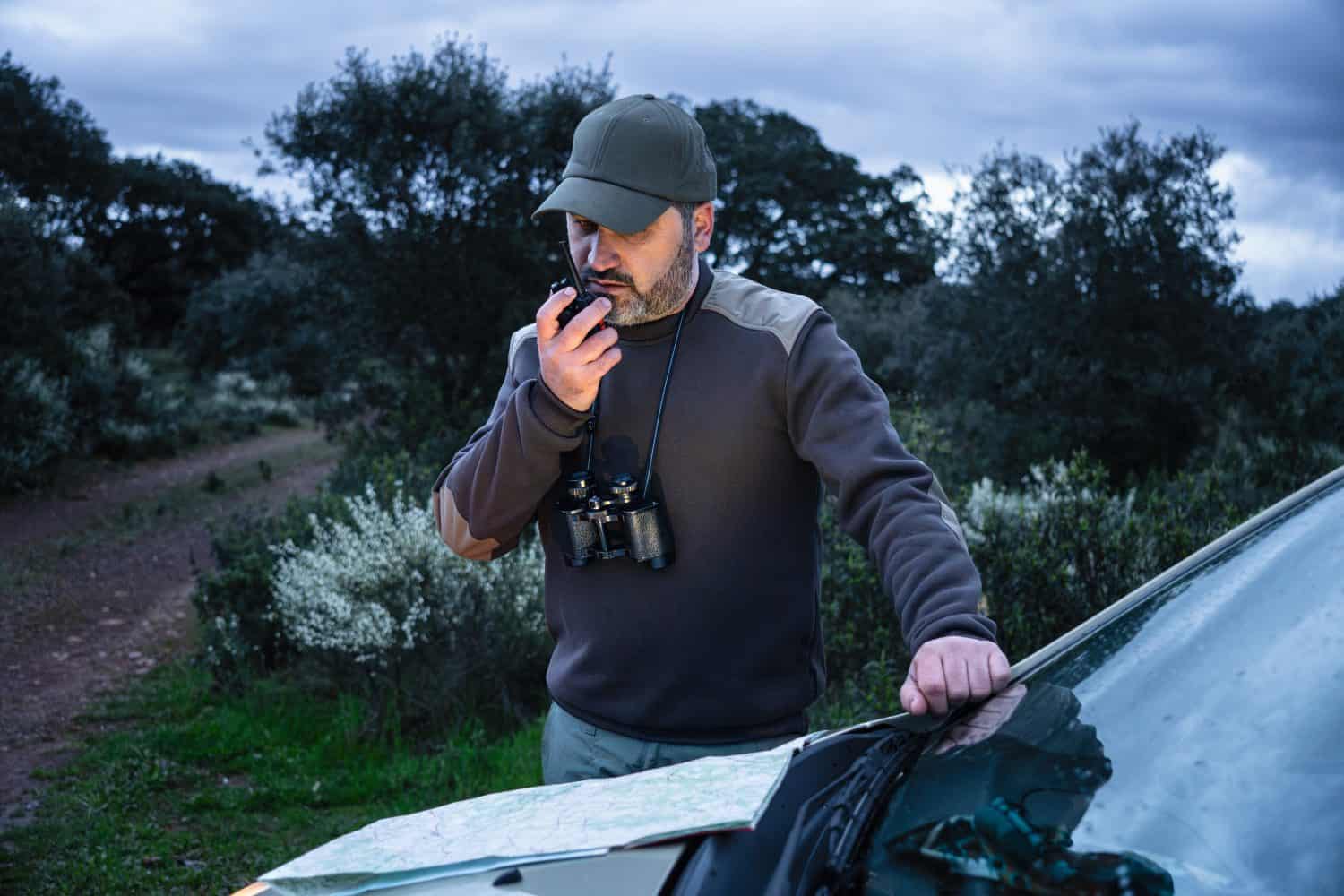
Game wardens, also known as wildlife officers, enforce laws surrounding wildlife and protected land. Unlike a park ranger, every game warden is an officer of the law. Game wardens enforce hunting, fishing, and boating laws, and can also legally make arrests. They’re also authorized to conduct searches and seizures, and make traffic or trail stops. They often work with local police on nature- or wildlife-related crimes and are well-versed in the relevant laws.
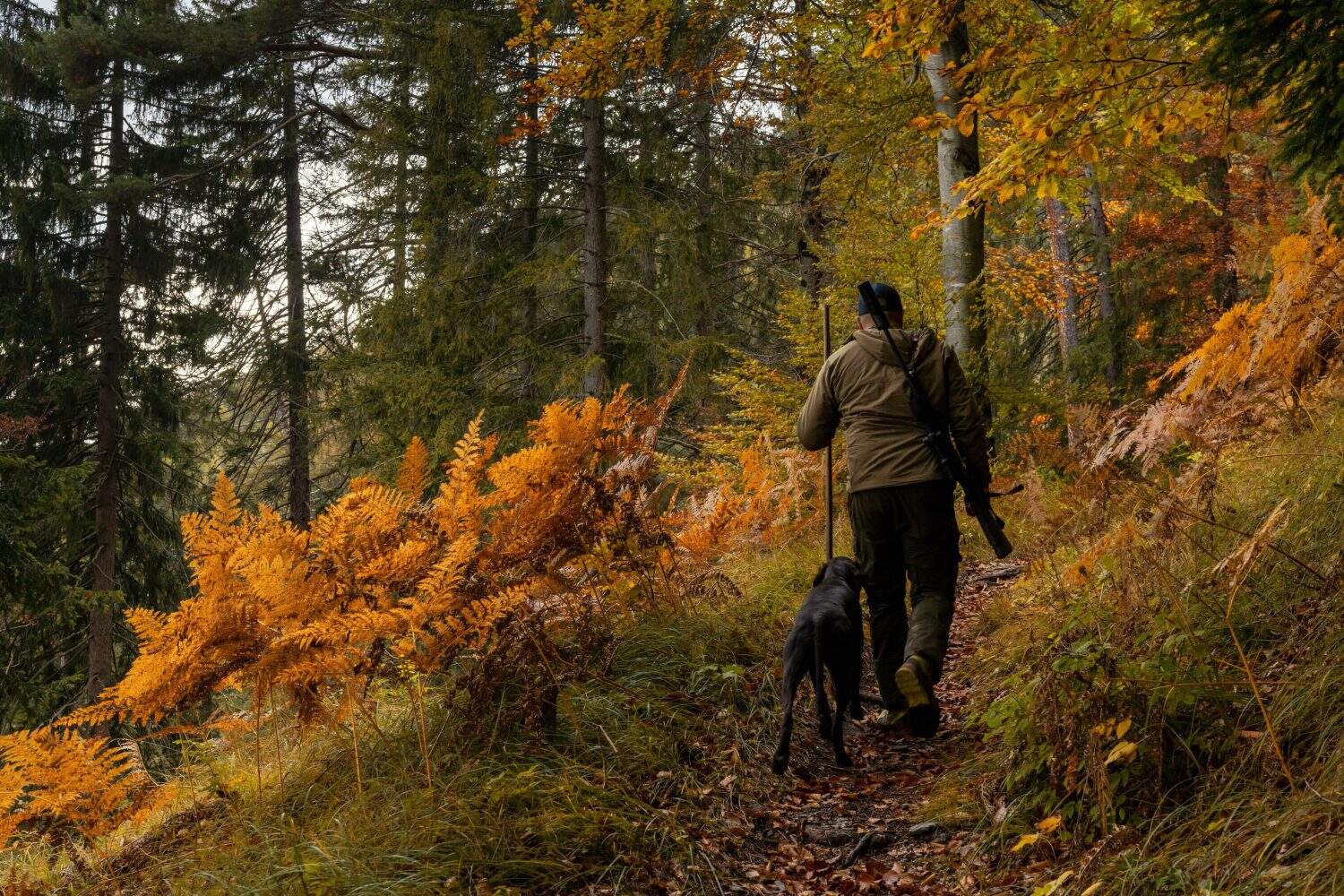
Game wardens patrol trails and also help law enforcement with park-related crimes.
©makasana photo/Shutterstock.com
In addition, game wardens are responsible for managing public lands. This includes protected wetlands, marinas, and national and state parks. Their duties may also include educating visitors on wildlife or conservation, monitoring park trails, and assisting in park maintenance. On the water, game wardens may cruise lakes and bays, checking on other boaters the same way police officers do on highways.
On land that allows ATV and other off-road vehicles, game wardens are responsible for checking licenses. If anyone is caught without one, they’re legally required to write a ticket. The same applies to boaters and boating licenses, as well as fishing. Checking permits is an essential task during hunting season. Game wardens are required to ensure a hunter’s permits are valid and active, and that no hunter catches more than their allowed limit. Therefore, it’s the game warden’s job to be familiar with hunting and fishing laws as well. Those who violate this, often called poachers, may be subject to investigation by game wardens.
How Do You Become a Game Warden?
The process of becoming a game warden varies slightly from state to state. However, most game wardens begin their career through their passion for wildlife and the Great Outdoors. Since game wardens are law officers, their careers typically begin at the police academy. Most game wardens also have college degrees, typically a bachelor’s in a field such as natural resources, biology, zoology, or another wildlife-related discipline. Some game warden positions accept an associate’s degree, but you can boost your chances by majoring in criminal justice or another law-related field.

One of a game warden’s duties is to conduct permit checks on visitors who hunt and fish on public land.
©skyNext/Shutterstock.com
Strength tests are also required to become a law officer and, eventually, a game warden. It’s crucial for game wardens to have a certain level of physical fitness given the nature of the job. They regularly hike park trails, track wildlife, and may traverse backcountry if their task requires it. Game wardens may also be called in for search-and-rescue, which requires long hours, even longer hikes, and strenuous treks, sometimes in less-than-ideal weather.
After this has been completed, future game wardens are required to undergo thorough background checks. This may also include screenings, exams, medical, and psychological evaluations. Once an officer has been officially hired, they must complete additional training at their state-mandated conservation law enforcement academy. This might sound like a lot of work. However, graduating officers have one of the most rewarding careers in wildlife and conservation.
How Much Does a Game Warden Make?
Several factors determine a game warden’s salary. The first is location: States such as Illinois and Iowa currently offer some of the highest-paid salaries. This pay is directly tied to the county’s cost of living, and some—like those in California and Florida—also offer housing allowances. A game warden’s salary also depends on their tenure. Longer-standing positions see pay increases throughout the years. This means an officer who has been doing the job for 15 years likely earns a significantly higher salary than one who has been doing the job for 2 years.
The average salary for a game warden is anywhere from $47,000 to $66,000 per year. The median salary is $53,750 annually, but experience and location heavily influence this. The goal of a game warden when they start as a cadet is to make it to higher game warden levels, which are classified in six ranks. Once a game warden has advanced from cadet to a probationary position, they can receive additional benefits such as good health insurance, retirement plans, paid time off, and, depending on the position, a police-issued vehicle.
What is the Job of a Park Ranger?
Whereas game wardens have additional duties under the law, park rangers are devoted solely to protecting land and visitors. Their jurisdictions remain within parks, and their focus is primarily on education, visitor services, wildlife management, habitat restoration, controlled burns (when needed), and park maintenance and facility upkeep. Some park rangers are also law enforcement officials, which means their duties overlap significantly with those of a game warden.

Park rangers are deeply involved in the conservation of the park’s flora and fauna.
©n.k.junky/Shutterstock.com
Even though park rangers are not officers of the law, it’s still their responsibility to ensure visitors adhere to park rules and laws. They can’t formally make arrests or write tickets, but they do work in tandem with game wardens and local police if necessary. It’s also a park ranger’s job to educate visitors, which includes giving tours, pointing out wildlife patterns and migrations, encouraging conservation, and noting recent animal sightings. Therefore, park rangers must be highly knowledgeable about the land itself and its native wildlife. This even includes knowing the local plant life, as park rangers are also required to provide first aid.
How Do You Become a Park Ranger?
Careers as a park ranger are highly competitive. Those interested typically have bachelor’s degrees in related fields, such as conservation, ecology, forestry, biology, natural resources, or criminal justice. A position in law enforcement boosts your chances, but it is not always necessary. EMT or CPR certifications are also helpful. The good news is that some positions also consider an associate’s degree in a related field if you have real-world experience.
This could look like park internships, volunteer work in conservation or habitat restoration, or AmeriCorps. Sometimes, hands-on experience is weighed more heavily when considering an applicant than a college degree alone. Having this experience also gives you the chance to explore the field and determine if a park ranger is a career you’re passionate about.
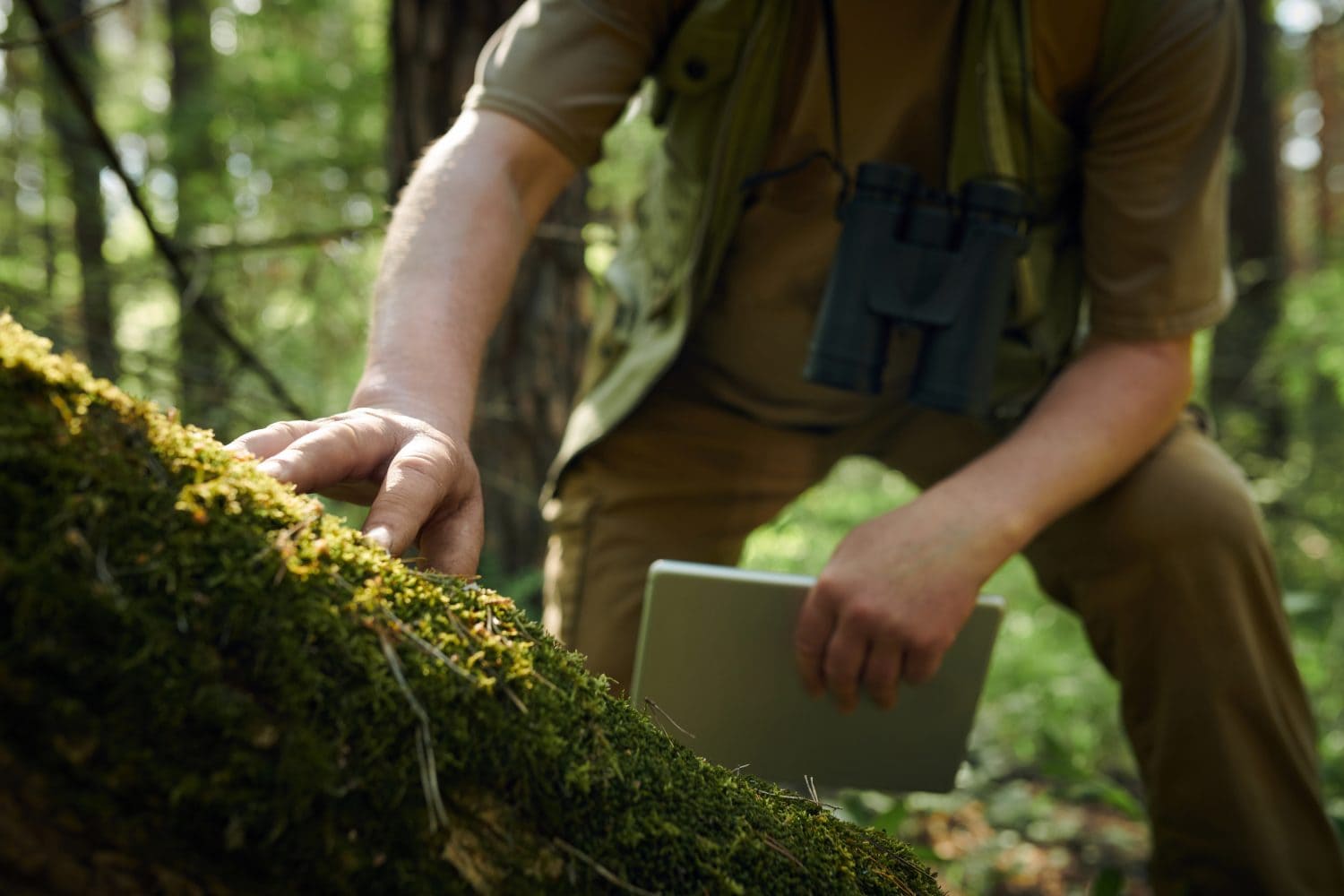
Educating visitors and conducting tours are a significant part of a park ranger’s job.
©AnnaStills/Shutterstock.com
Like game wardens, park rangers also undergo a series of background checks. They may also be required to have a certain level of physical fitness. You could argue that the latter is even more important for park rangers. There’s little downtime, and most park rangers spend their days patrolling trails and monitoring wildlife. One thing to be aware of is that park rangers can also be commissioned. This requires a law track, and certification must be obtained through a Park Ranger Law Enforcement Academy. This position falls somewhere between a park ranger and a game warden: you share all the duties of a park ranger but also have the legal authority to make arrests, carry a weapon, and are trained in emergency response. Another name for this position is “National Park Cop.”
How Much Does a Park Ranger Make?
The salary of a park ranger varies even more than that of a game warden. The average salary for park rangers is between $52,000 and $68,000 per year. However, many factors influence this. Similar to a game warden position, location makes a difference. States like Washington, New York, and the District of Columbia currently offer some of the highest salaries for park rangers. These states are also more likely to have open positions. Additionally, the park itself affects park ranger salaries. For example, a position in a national park pays significantly more than one in a state park in a low-cost area.
Park rangers also have the advantage of rising through the ranks. The National Park Service pays starting salaries of about $30,000 to $39,000 for GS-5 and $37,000 to $48,000 for GS-7. This includes those with the titles of entry level, journeyman, intermediate, and lead. Anything below GS-5 is considered temporary or seasonal, while anything above GS-7 is managerial. Salary varies by rank, resulting in greater pay variation.