
Quick Take
- Oregon's solution to its wildlife funding crisis has nothing to do with hunters, anglers, or environmentalists. That's exactly what makes it work. See the funding model →
- Even in one of America's most wildlife-rich states, the number of at-risk species keeps climbing, and the reason why reveals a blind spot in how conservation has long been funded. Explore the at-risk species →
- Getting Republicans and Democrats to agree on anything is hard enough. Getting over 85 outside organizations to also sign on is another story entirely. See who signed on →
Some say, “As California goes, so goes the nation.” When it comes to animal conservation, however, that principle might apply more readily to California’s neighbor to the north. Long known for its large swaths of untouched wilderness, Oregon is taking serious steps to ensure that its endangered species will have a better chance of long-term survival.
Early last month, Oregon’s Governor Tina Kotek enacted a House Bill to increase the state’s lodging tax from 1.25% to 2.75%. This extra funding will be solely dedicated to paying for the protection of the state’s wildlife habitats. It will also support conservation efforts for at-risk and endangered species that call the state of Oregon home. It’s an innovative approach to wildlife conservation, one that aims to bolster the safekeeping of some of the most astonishing wildlife species in all of North America.
Oregon’s Beautiful Biodiversity
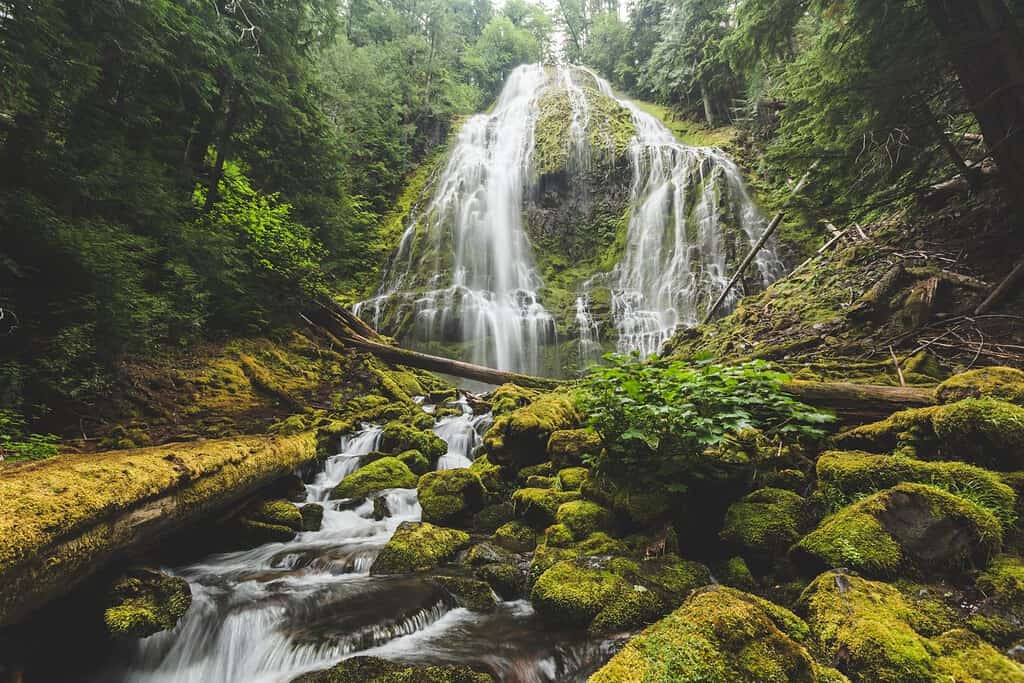
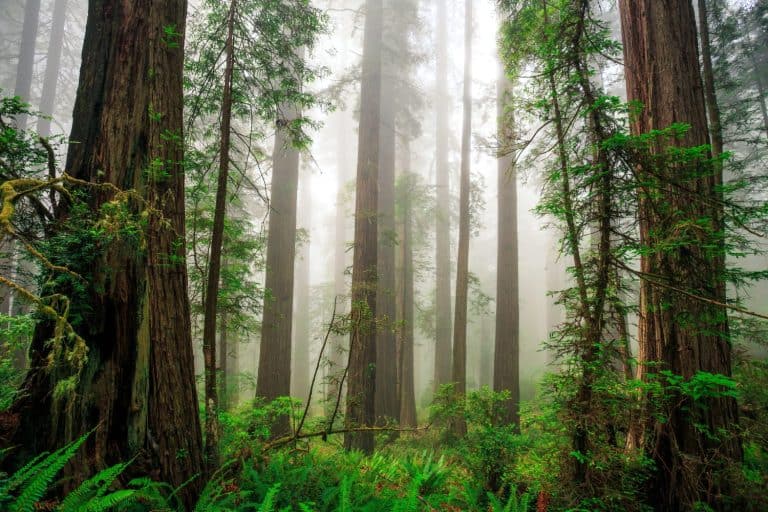
Oregon’s rich, often untouched ecosystems contain an incredible variety of wildlife, including threatened and endangered species.
©The Adaptive/Shutterstock.com
Anyone who visits Oregon comes away utterly impressed. The state offers seemingly endless forests, sweeping coastal vistas, and awe-inspiring natural landmarks. So much untapped wilderness means incredible biodiversity. Just a simple drive down an Oregon country highway will often produce up-close views of elk, deer, skunks, mountain lions, and even black bears. But these are just the most visible examples. Oregon also features an impressive variety of more marginalized creatures, those that authorities consider at-risk or even endangered.
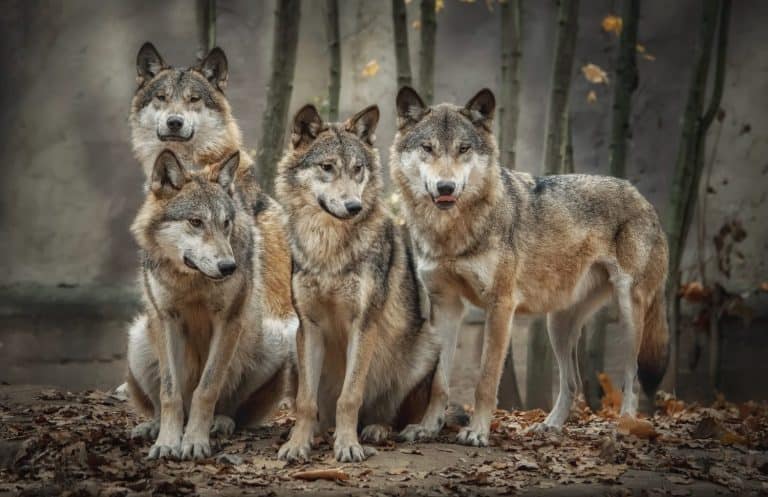
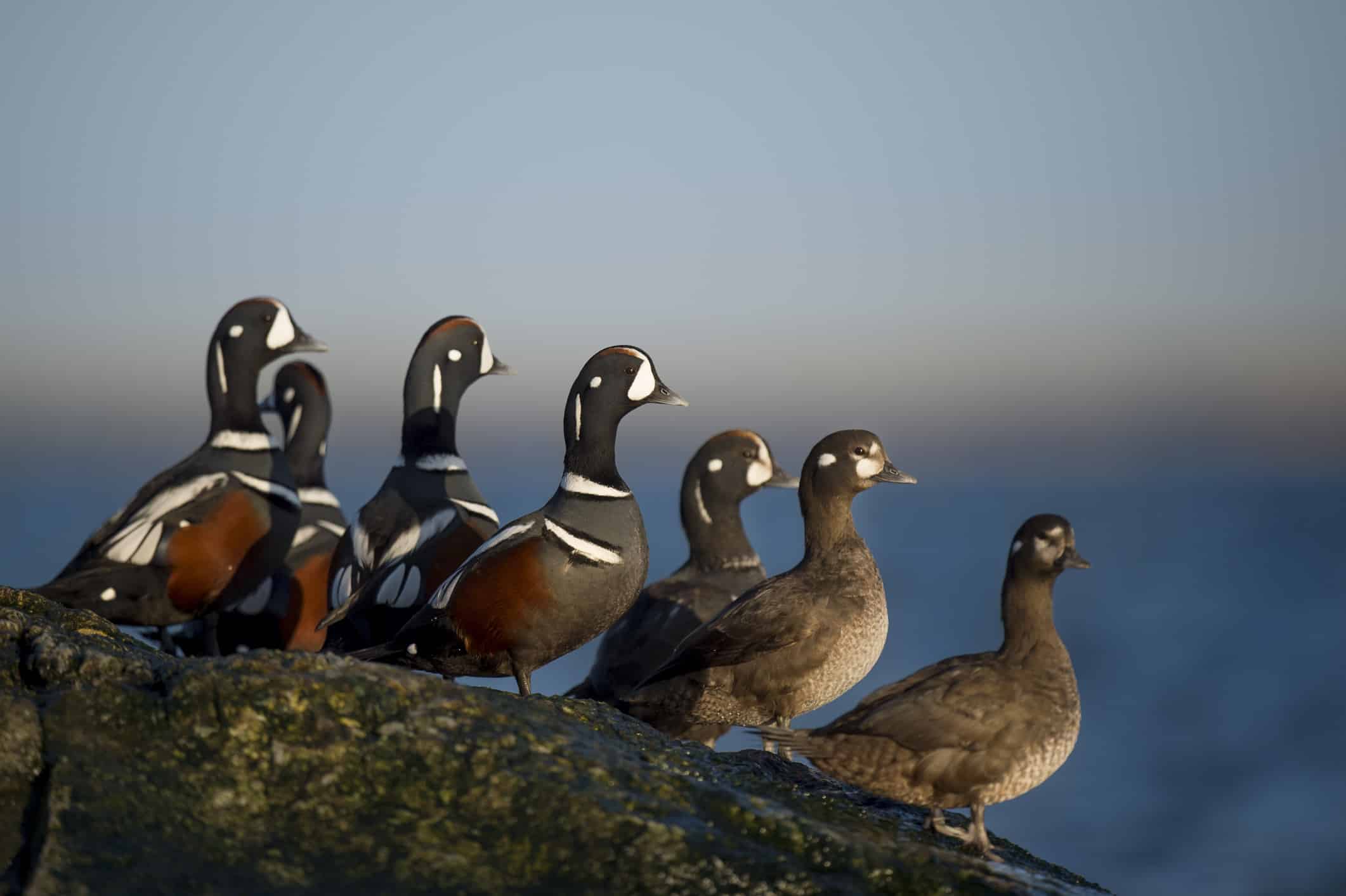
There are several types of whales off the Oregon coast classified as endangered, including blue whales, sperm whales, and North Pacific right whales. Further inland live gray wolves, Pacific martens, Washington ground squirrels, and many more. In fact, Oregon’s 2026 update to its State Wildlife Action Plan lists 321 species that require greater oversight, protection, and conservation. These include the golden eagle, coho salmon, tufted puffin, and Townsend’s big-eared bat.
In just the past decade, Oregon’s list of at-risk or endangered species has grown by almost 10% from 294 to 321. Despite Oregon’s comparatively abundant natural ecosystems, the list will continue to grow without state intervention. As such, the Governor’s approval of the funding bill could not have come at a better time.
An Innovative Approach
Funding is the lifeblood of conservation efforts for threatened or endangered wildlife. And even with a proper wildlife action plan in place, the state lacked the right allocation of funds to make its goals a reality. Until recently, Oregon, like other states, used the revenue generated from hunting and fishing licenses to fund wildlife conservation initiatives. This worked to an extent. However, it left non-game species like reptiles and songbirds with a concerning lack of revenue streams.
Before any headway could be made, politicians garnered support across party aisles. Several representatives, including Ken Helm (D–Beaverton), Mark Owens (R–Crane), and Senator Todd Nash (R-Enterprise), built enough bipartisan support to push the proposal into its realized form. On April 7th, Governor Tina Kotek enacted House Bill 4134.
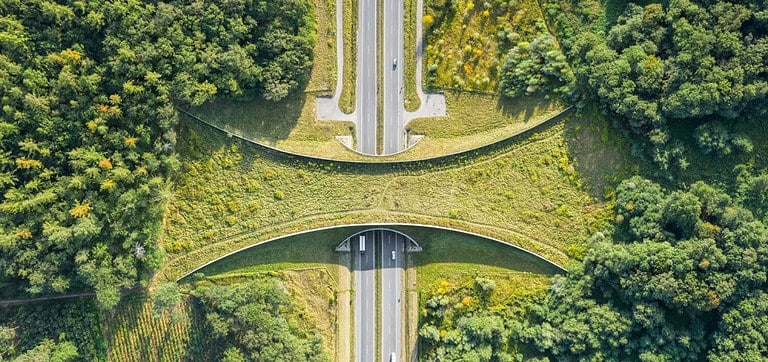
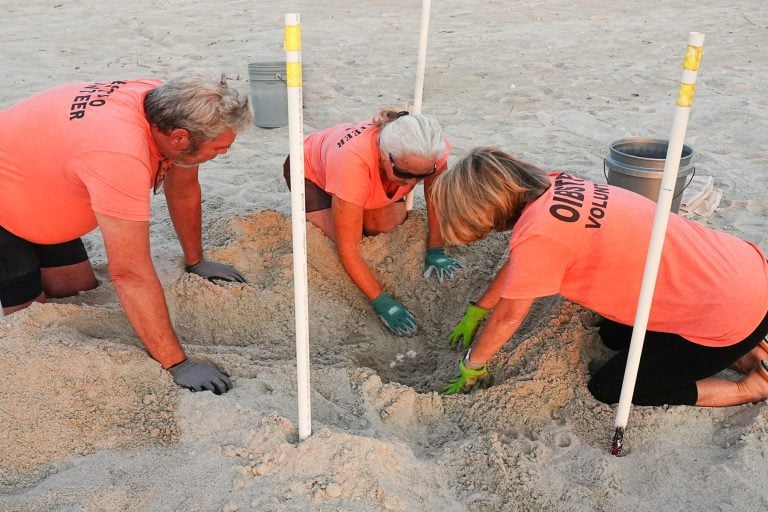
This bill increases the funding stream for wildlife conservation by approximately $37 million annually, which comes from a slight increase in the state’s lodging tax. This money will go toward enforcing existing wildlife laws, controlling the spread of invasive species, creating wildlife connectivity projects like road crossings, and funding stewardship grants.
Widespread Support
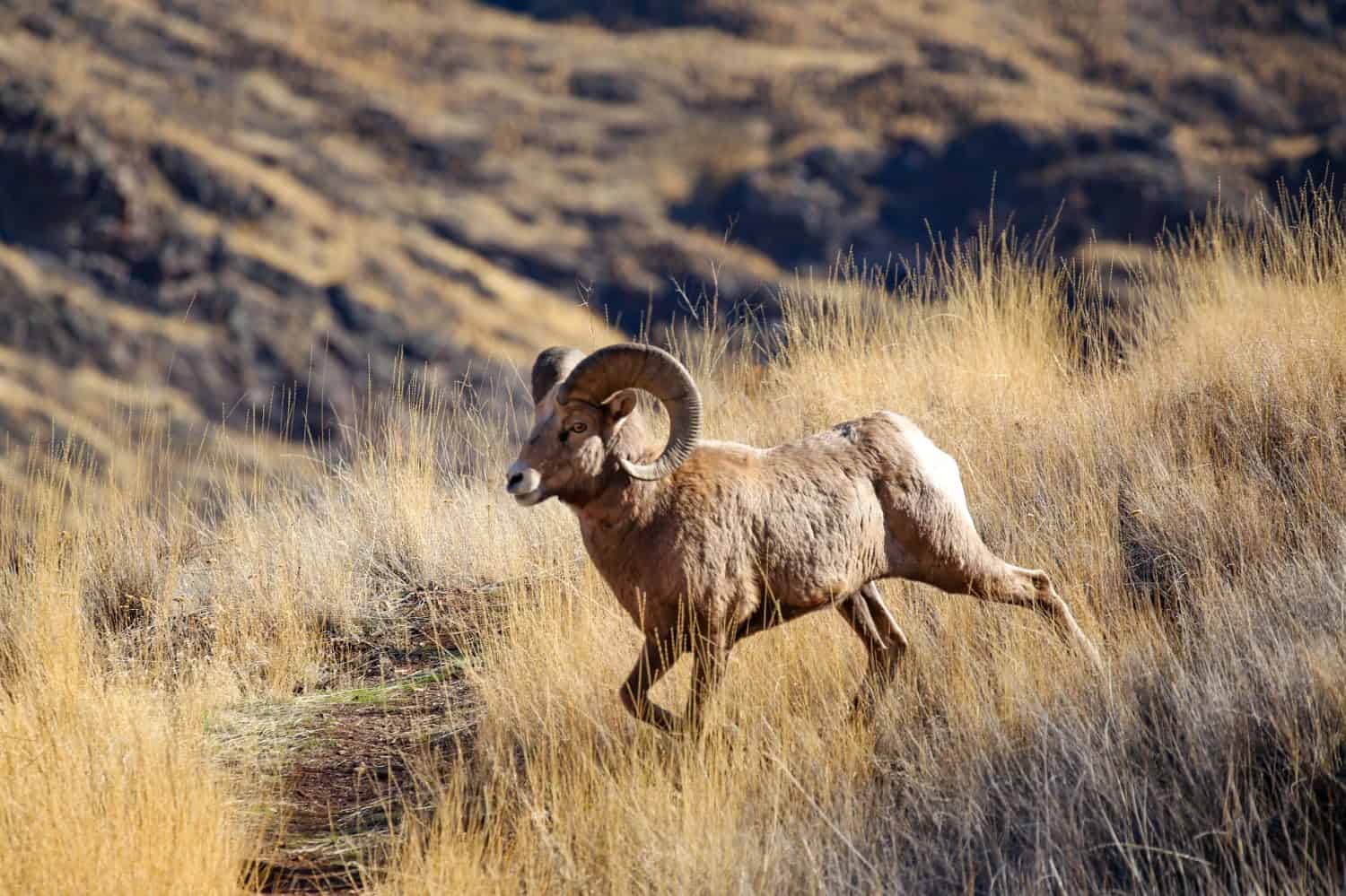
Oregon’s new bill represents a modern user-pay model, whereby tourism directly funds the state’s conservation programs.
©CSNafzger/Shutterstock.com
As Gov. Kotek said when enacting the bill, “Oregon’s long-term prosperity depends on the health of our fish and wildlife populations and the natural environment that underpins our tourism economy. By directing stable funding, this bill helps ensure that Oregon has resilient natural resources capable of supporting strong communities and a vibrant economy for generations to come.”
Widespread support for the bill likely helped it get approval. Indeed, HB 4134 not only received bipartisan backing but also received support from over 85 organizations. Several organizations, including the National Wildlife Federation and the American Bird Conservancy, offered words of praise.
The National Wildlife Federation applauded the bill, describing it as a “decisive victory for wildlife and a landmark moment for conservation.” The Federation pointed out how helpful it will be for funds to be specifically allocated to at-risk species. They cited examples such as Olympia oysters, Columbia Gorge caddisflies, and Pacific lampreys. Lindsay Adrean, the American Bird Conservancy’s Pacific Northwest Program Officer, said, “Conservation funding from regular government sources has become increasingly competitive, and birds are being edged out.”
A Model for the Future
As it stands, Oregon’s new funding allocation for conservation management looks like a win-win. Before the slated increase to the lodging tax, Oregon boasted one of the lowest lodging tax rates in the nation. Now, the state can directly link the influx of tourists to their enjoyment of the scenery and wildlife. One of the bill’s chief sponsors, Senator Jeff Golden, calls HB 4134 a shift towards a modern user-pay model where visitors do their part to protect the state’s natural beauty they came to see.