
Quick Take
- Some eliminated rules weren't just about conservation, and what they actually banned will surprise you. See what was actually banned →
- Hunting advocates argue that loosening restrictions actually protects wildlife, and their case is worth hearing. Hear the case for hunting →
- Critics say the Interior Department skipped a critical step in the review process, and that missing step could unravel the entire policy. Explore the missing review step →
According to a memo published on April 21st, the government will make sweeping changes to the conservation policies that helped to define much of the public land policy that has been in place for the past few decades. The memo supports an order that directs federal lands to be open to hunting and trapping unless specific, legally supported restrictions are in place, prompting a review and potential removal of dozens of existing restrictions. While supporters say the move will help cut unnecessary red tape, detractors suggest the wide-ranging deregulations will have serious effects on animals and habitats.
Another year, another round of government restructuring of previously honored policies. As with any sweeping change made by the government, parsing the truth of the legislative process can be difficult. The administration says that its ordered changes are simply common sense. Dissenters feel otherwise, saying the move counters policies previously put in place by park officials, who have the experience to make the right judgment calls about conservation. Furthermore, several detractors have pointed out that the April 21st memo appears to violate the 1916 Organic Act. Let’s learn more about these changes, what they mean for the nation’s public lands, and how they will affect the animals that call them home.
The April 21st Memo
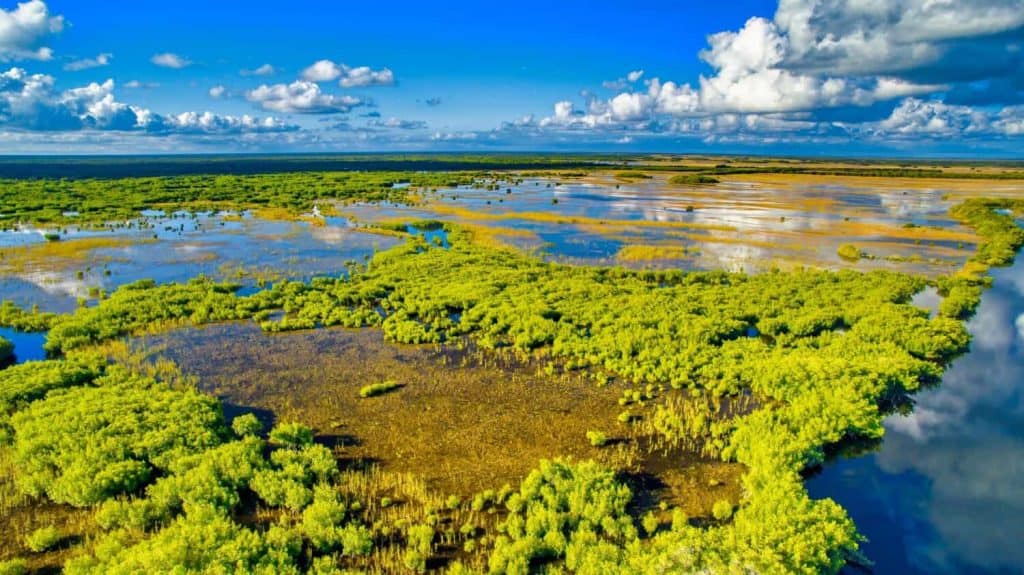
While national parks like the Everglades in Florida are still protected by statutes, other public lands have seen a radical restructuring of previously held hunting and trapping restrictions.
©GagliardiPhotography/Shutterstock.com
On April 21st, Interior Secretary Doug Burgum sent a memo with a spreadsheet of changes to park officials around the country, relaying implementation details for Secretarial Order 3447, which was signed in January 2026 and is entitled “Expanding Hunting and Fishing Access, Removing Unnecessary Barriers, and Ensuring Consistency Across the Department of the Interior Lands and Waters.”
The order established a policy that all public and federally managed lands should be open to hunting and fishing unless a specific, legally supported restriction is required, with immediate changes affecting approximately 76 federal sites. While statutes still protect major parks like the Everglades and Yellowstone, other places aren’t so secure.
Lake Meredith National Recreation Area in Texas, for example, previously barred cleaning and processing game animals in restrooms. Curecanti National Recreation Area in Colorado previously prohibited people from firing weapons across or toward public trails. Recently, the government directed local managers to justify or remove such policies unless they are required by law.
Common Sense Arguments
In tandem with the order, a spokeswoman for the Department of the Interior said it took a common-sense approach to outdated or impractical policies. She also emphasized that any expansion of hunting and fishing activities would be implemented responsibly.
In a statement, spokeswoman Aubrie Spady said, “For decades, sportsmen and women have been some of the strongest stewards of our public lands, and this order ensures their access is not unnecessarily restricted by outdated or overly broad limitations that are not required by law.”
Despite assurances of responsibility, Interior Secretary Doug Burgum has systematically eroded previously held policies regarding hunting on public lands. Last year, for example, Burgum began allowing hunting on 87,000 new acres of hatcheries and national wildlife refuges. All this has come under the banner of reducing “unnecessary regulatory burden.”
Supporters Unite
Sporting and hunting organizations were quick to offer their support for the changes. For one, they point to the evidence of how proper hunting practices actually contribute to the stability of wildlife populations. They also suggest that previous policies were confusing or contradictory.
As the director of sporting advocacy at the National Wildlife Federation, Aaron Kindle emphasized that previously held policies were not consistent. He suggested that inconsistent regulations between states and wildlife refuges create confusion for hunters.
Some observers suggest that these recent policy changes reflect a growing belief that previous restrictions were arbitrary. Rob Rexton, the senior vice president of the Sportsmen Alliance, for example, said the previous restrictions were not justified through “compelling scientific evidence.“
Legal Questions Remain
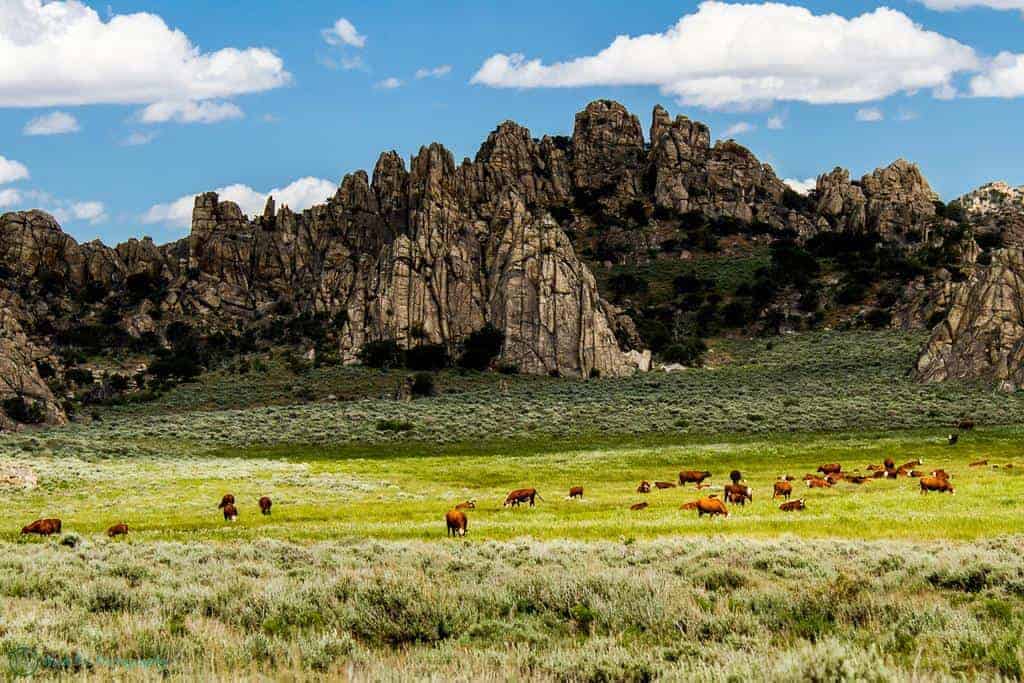
The recent order appears to violate the 1916 Organic Act, which established the National Park Service.
©My Public Lands Roadtrip: Pine Forest Range Wilderness Area in Nevada by mypubliclands / BY 2.0 (https://creativecommons.org/licenses/by/2.0/) – Original / License
While hunters and sportsmen express support for the recent order for deregulation, other conservation groups and animal advocates are not happy about the changes. First and foremost, critics argue that the order may violate the 1916 Organic Act, which established the National Park Service. While part of the legislation allows for hunting where federally mandated, it also requires conservation of park resources in a way that does not impair them for future generations.
Aside from the vague wording, detractors argue that the Interior Department rushed the new policies through the legislative process. In response, the Interior Department stressed that each change saw careful review, with any restrictions considered necessary for safety or compliance being kept in place. Opponents of the changes argue that insufficient oversight is just as dangerous as the perceived lack of public accountability.
As Stephanie Adams from the National Parks Conservation Association put it, the new policies lack analysis. In an interview with the New York Times, she said, “It didn’t say ‘engage the public,’ and it didn’t say to be sure to focus on that key part of the Organic Act, which is to manage in a way that leaves the parks unimpaired for the enjoyment of future generations.”
Time will tell if the sweeping changes have positive or negative effects on the animals that call America’s public lands home.